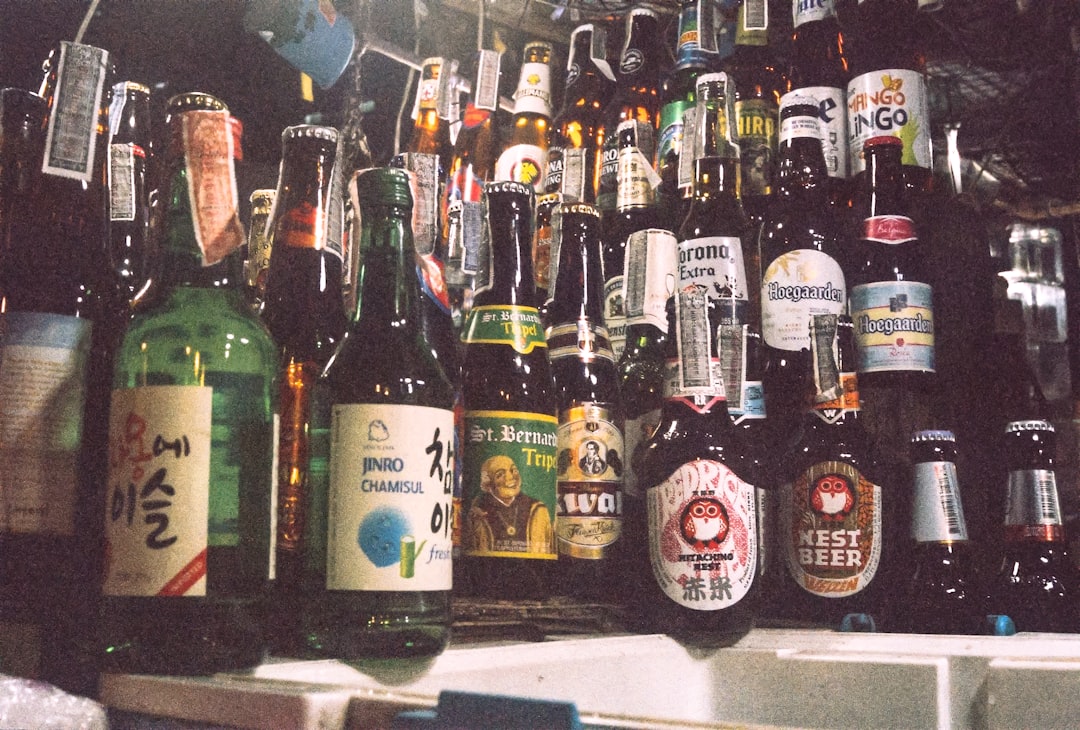
Drinking cultures around Europe are wildly different, and violating local drinking norms is one of the fastest ways to mark yourself as a clueless outsider. But here’s the beautiful part: understanding these differences gives you insight into how each nation thinks about community, time, tolerance, and socialization. So let’s talk about how to drink properly across Europe without accidentally offending someone or breaking an unwritten rule that could get you 7 years of bad sex.
Toasting Etiquette: The Most Dangerous Part
Germany: Eye Contact Is Sacred (Or Else You’ll Regret It)
Germans take toasting with almost religious seriousness. When Germans raise their glasses and say “Prost!” (short for “prosit,” Latin for “may it go well”), you must maintain eye contact with the person you’re toasting for the entire duration—from raising glasses to drinking to setting glasses down. Breaking eye contact before the toast is complete is deeply impolite.
But here’s the legend that circulates, whether true or not: breaking eye contact during a toast with a German will allegedly result in 7 years of bad sex. Whether this is literal belief or just a really effective cultural enforcement mechanism, Germans treat eye contact during toasting with remarkable seriousness. Don’t test this. Just maintain eye contact.
Poland: Cheers Means Business—One Shot at a Time
Polish toasting culture centers on “Na zdrowie!” (literally “To your health!”), and it comes with an implicit understanding: you’re doing a shot. Not sipping from a glass. Actually consuming the entire drink in one swallow. This is not a suggestion.
Polish drinking culture is robust. It comes from long winters, deep forests, and a national character that doesn’t do things halfway. When you toast with a Polish person, you’re not making a polite gesture—you’re demonstrating that you can keep up. Refusing the shot or trying to nurse your drink is seen as standoffish.
That said, Polish drinking culture is increasingly cosmopolitan, especially among younger people. But if you’re toasting with older Poles, expect the one-shot rule to be in effect.
France: Santé and Sophisticated Indifference
The French toast with “Santé!” (health) or “À votre santé!” but the ritual is considerably more relaxed than German or Polish traditions. The French don’t require eye contact. They don’t require you to finish your drink in one swallow. They just require that you acknowledge the toast and participate in the moment.
French drinking culture is sophisticated and social. Wine is not something you consume to get drunk; it’s something you drink to enjoy flavor and facilitate conversation. Drunkenness is deeply uncool in French culture. Getting sloppy drunk is a failure of self-control and refinement.
Scandinavia: Skål and Communal Warmth
Scandinavians (Norway, Sweden, Denmark) toast with “Skål!” and the ritual emphasizes community and connection rather than individual machismo. The toast is inclusive—you’re celebrating with everyone at the table, not just the person across from you.
Scandinavian toasting tends to be warm and genuine rather than formal. Eye contact matters but it’s not as intensely ritualistic as in Germany. The key is participation and warmth. You’re joining a community moment.
Greece: Yamas and Exuberance
Greeks toast with “Yamas!” (cheers) and the ritual is joyful and loud. There’s less concern about precise form and more concern about genuine celebration. Greek drinking culture is celebratory and social—the point is to mark moments of joy and connection.
Breaking glasses after a toast is sometimes done in Greece (especially at celebrations), which is completely different from every other European country where breaking glass would be seen as wasteful and crude.
What Each Country Drinks
Czech Republic and Germany: The Beer Principality
If you travel through Czech Republic and Germany, prepare yourself for a serious beer culture. These aren’t casual beer drinkers. These are nations that have perfected beer production, consumption, and appreciation to an extraordinary degree.
Czech beer is exceptional—some of the best in the world. The drinking culture centers on lagers and pilsners, consumed fresh and often at a measured, social pace. Beer gardens (Biergärten in Germany, hospoda in Czech Republic) are community spaces where people of all ages gather to drink, eat, and socialize. A German beer garden in the afternoon might have 70-year-olds playing cards, businesspeople on their lunch break, tourists, and families with children all coexisting peacefully.
The culture is not about getting drunk. It’s about community, quality, and the ritual of beer consumption. You’ll be expected to order by the half-liter or liter in beer gardens, and you’re expected to pace yourself because you might be there for hours.
France, Italy, Portugal, Spain: The Wine World
These Mediterranean and Western European countries have wine cultures that are completely different from the beer cultures of Central and Northern Europe.
France views wine as an essential part of meals and culture, not as a standalone drinking experience. Wine without food is odd. Wine as a vehicle for getting drunk is vulgar. Wine is about flavor, pairing, regional identity, and the pleasure of the palate. A proper French meal includes wine chosen to complement each course. Drinking wine is an act of appreciation, not consumption.
Italy treats wine similarly—it’s integrated into meals and everyday life. Italian regional wines are diverse and excellent. Italians drink wine with meals and less frequently outside of that context. Getting drunk is deeply uncool.
Spain has a similar approach but with more emphasis on aperitivo culture—the early evening drink and snack before dinner. Sitting in a plaza at 7 PM with a glass of Spanish wine and some olives is the height of civilization. You’re not trying to get drunk; you’re marking the transition between day and evening.
Portugal produces excellent wines but also has a strong tradition of beer drinking. Portuguese drinking culture is more relaxed and less formalized than French or Italian. You drink what you enjoy, and there’s less performative sophistication involved.
Scandinavia: Aquavit and Careful Consumption
Norway, Sweden, and Denmark have a complex relationship with alcohol. Historically, these countries had strong temperance movements and strict alcohol regulations. Even today, Scandinavian countries tend to have higher alcohol taxes and stricter rules about alcohol sales than other European countries.
But Scandinavian cultures, particularly during celebrations, can drink quite seriously. Aquavit (a caraway-flavored spirit) is traditional in the region, especially during holidays. The relationship is curious: Scandinavians tend to drink less frequently than people in wine-centered countries, but when they do drink, they might drink more heavily. This is sometimes called “binge drinking” culture, though that’s a mischaracterization. The pattern is more: long periods of moderation, occasional celebrations involving more serious alcohol consumption.
Poland: Vodka and Serious Drinking
Poland has a vodka tradition that extends back centuries. Vodka is not just a beverage; it’s part of the culture. But it’s also culturally serious—you don’t drink vodka casually in Poland. You drink it as part of meals, celebrations, or specific social contexts.
Like Scandinavia, Polish drinking culture involves periods of moderation interrupted by occasions of serious consumption. The toasting culture (Na zdrowie!) and the one-shot tradition reflect this.
Greece: Ouzo, Raki, and Endless Hours
Greek drinking culture centers on ouzo (an anise-flavored spirit) and raki (a stronger spirit), consumed in social settings—usually cafés or bars—often over many hours. The point is not to get drunk quickly; it’s to sit, drink slowly, and socialize.
The Greek kafeneio (traditional café) is where men gather to drink ouzo, play backgammon, and talk for hours. This isn’t binge drinking or heavy drinking; it’s a ritual of social connection. You might nurse one glass of ouzo for three hours while playing cards with the same group of people you’ve known for decades.
Netherlands: Jenever and Practical Efficiency
The Dutch drink jenever (a juniper-flavored spirit) as part of their drinking culture, but they also drink beer extensively. Dutch drinking culture is remarkably practical—you drink what you enjoy without excessive ceremony or performance. There’s less pretension than French wine culture but more quality-consciousness than casual drinking cultures.
The Dutch approach to alcohol is relaxed and matter-of-fact. Getting drunk is uncool, but enjoying a drink is normal. The culture emphasizes balance and moderation rather than either abstinence or excess.
The Aperitivo Tradition (Especially Italy)
The aperitivo—the early evening drink and snack before dinner—is a distinctive Mediterranean tradition, most prominent in Italy. You sit in a café or bar around 5 or 6 PM with a light drink (often a Spritz—a mix of prosecco, aperol, and soda water) and some snacks (olives, nuts, maybe some cheese or cured meat). The point is not to get drunk but to mark the transition between work and evening, to socialize with friends, to ease into the evening.
The aperitivo tradition reflects a completely different relationship to drinking than you see in countries where drinking is more separated from meals and more associated with nighttime or weekend fun. In Italy, aperitivo is a daily ritual, available to everyone, a normal part of life rather than a special occasion activity.
Pub Culture and Social Drinking
UK Influence: Pubs vs. Cafés
The British pub culture (though we’re not covering Britain specifically in this tour) has influenced European cities with significant English populations. But the European equivalent isn’t quite the same. European cafés combine elements of pubs (drinking) with elements of cafés (coffee, reading, lingering). There’s more acceptance of sitting with one beverage for hours.
Germany’s Beer Gardens
German beer gardens are unique community spaces where multiple generations gather, food is integral to the experience, and the drinking pace is measured. This isn’t drinking culture as “getting drunk”—it’s drinking culture as “gathering and socializing.”
Rounds, Splitting, and Payment Culture
In some European countries (particularly the UK and Ireland, though we’re focusing on continental Europe), the tradition of “rounds”—where one person buys a drink for everyone in the group, then the next person buys the next round—is central to pub culture. In continental Europe, this is less standard.
Most continental Europeans split the bill fairly precisely or take turns paying. There’s less of the “rounds” tradition and more of an expectation that everyone pays for their own drinks, or that payments are calculated fairly. This reflects a different cultural approach to group economics—less “we’re all in this together and trusting each other to contribute” and more “let’s be fair and precise.”
When to Say No and How
In many European countries, turning down a drink is actually respected. The French will respect if you don’t want wine with dinner. Scandinavians will respect if you decline alcohol. Germans will respect if you’re driving and order coffee instead.
The key is being direct and clear without making a huge deal out of it. You don’t need to explain or justify or apologize. Just say “No, thanks” or “I’ll have coffee” or “I’m driving” and move on. Drawing attention to your non-drinking or making it a moral statement is uncool. Just not drinking is perfectly fine.
What This Reveals About European Values
The drinking cultures of Europe reveal fundamental differences in how each nation relates to time, community, and self-control. German precision shows up in the ritualistic eye contact requirement of toasting. Polish warmth shows up in the “Na zdrowie!” tradition—the expectation that you’ll celebrate together. French sophistication shows up in the insistence that wine is about appreciation, not consumption. Scandinavian moderation (despite occasional heavy drinking) shows up in careful regulation and taxation of alcohol.
Understanding European drinking cultures is understanding Europe itself. It’s the difference between approaching life with German precision or French flexibility, between Scandinavian moderation or Greek endless conversation, between Polish warmth or Dutch practicality. That’s why drinking etiquette matters so much—it reveals, in every raised glass, the deepest values of each nation.




Leave a Reply