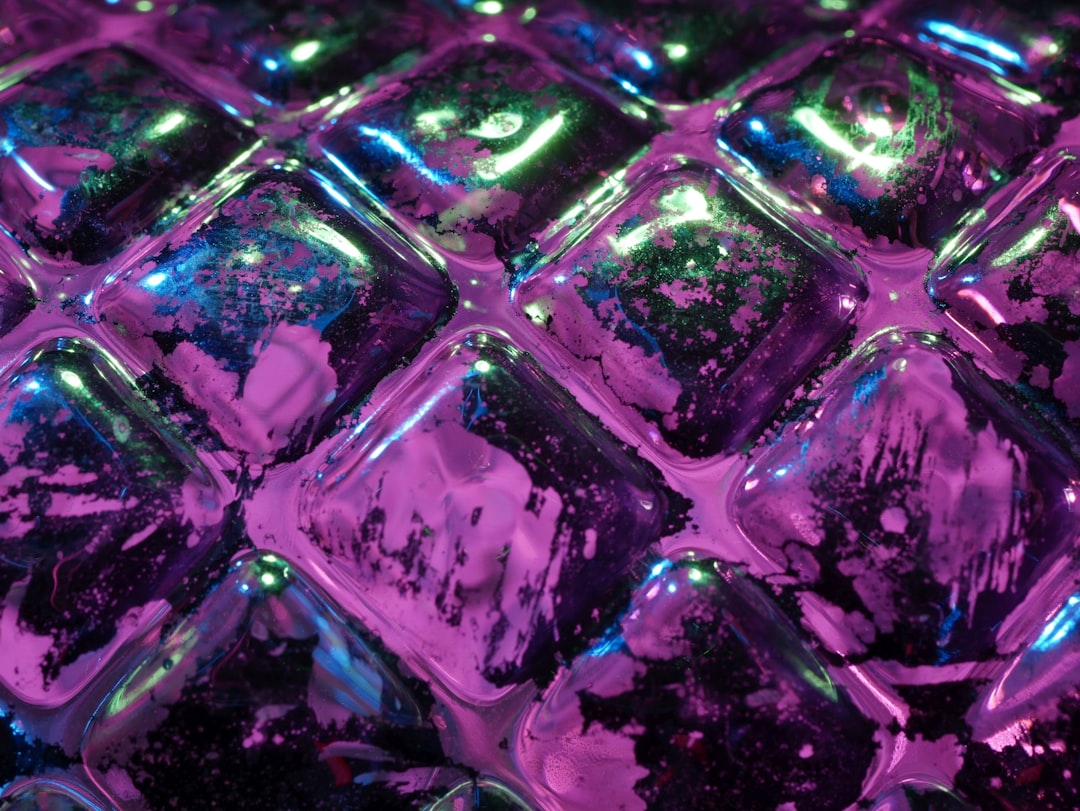
Walk into certain luxury hotels, museums, or high-end restaurants across the world, and you might see a glass object that’s extraordinarily beautiful: a vase, a chandelier, a decorative piece of unusual elegance. If you look closely at it, you might find words indicating Czech origin. What you’re looking at is likely part of a tradition that dates back 700 years, a tradition that transformed a region in central Europe into the crystal-making center of the world, and a craft that remains central to Czech identity and Czech craftsmanship today.
Czech glass and crystal (Bohemian glass and crystal) is not simply a product. It’s a tradition, a technology, an art form, a measure of national pride, and a living practice that connects contemporary Czech craftspeople to centuries of ancestors. Understanding Czech glass is to understand something about beauty, craftsmanship, and how traditions survive and evolve in the modern world.
The Historical Foundation: Seven Centuries of Excellence
Glassmaking in the Czech lands dates back to at least the 14th century. Medieval Czech craftspeople discovered that local conditions—available materials, forests for fuel, geographical position—made their region exceptionally suited to glassmaking. Over centuries, Czech glassmakers developed techniques, refined their processes, and built a reputation for excellence.
The critical period came in the 17th century with the development of Bohemian crystal. Czech makers perfected a specific type of glass (crystal) that was harder than traditional Venetian glass, allowed for much more detailed cutting, and had extraordinary clarity and brilliance. This was a genuine technological breakthrough. Once Czech craftspeople had perfected this process, Czech glass became internationally renowned.
By the 18th and 19th centuries, “Bohemian crystal” was a designation recognized and coveted across Europe. Czech glassmakers worked for emperors, for the wealthy, for aristocratic courts. The reputation was established and maintained for centuries. Bohemian glass became a luxury product, something that indicated wealth and refined taste.
The tradition survived the Industrial Revolution through the development of large factories alongside individual craftspeople. The 19th and 20th centuries saw the growth of major glass manufacturers—Moser being the most famous, but others like Riedel, Baccarat (which had Czech operations), and various smaller producers—all operating on Czech territory and maintaining Czech techniques.
The Moser Factory: Glass for Royalty
The Moser factory in Karlovy Vary (Carlsbad) stands as the symbol of Czech glass excellence. Founded in 1857 by Ludwig Moser, the factory became one of Europe’s most prestigious glass manufacturers. Moser glass was not merely beautiful; it was the glass of choice for emperors, kings, and the wealthiest collectors in Europe.
What made Moser glass distinctive was not just the raw material (though the crystal formula was excellent), but the design, the cutting, the craftsmanship, and the artistic vision applied to each piece. Moser glass is easily recognizable by those who know it: the clarity, the precision of the cutting, the elegance of the design. Each piece looks like what it is: the product of centuries of refined tradition and genuine artistry.
The Moser factory still exists, still operates, still produces glass. A piece of contemporary Moser glass is still a luxury product, still carries the prestige of 160 years of reputation, still represents the continuation of a tradition. Walking into the Moser museum and factory in Karlovy Vary is to step into living Czech cultural history.
Glass Museums and Artistic Traditions
The Czech lands have several glass museums, with the most significant located in regions with strong glassmaking traditions.
Nový Bor is a town in northern Bohemia that was historically a center of glass production. The region produced enormous quantities of glass, particularly in the 19th and 20th centuries. Glass factories were the economic foundation of the region. Today, Nový Bor is home to the glass museum and still has multiple glass producers and artists.
Kamenický Šenov (Steinschönau) is another historic glassmaking center in the same region. It was known for producing particularly fine crystal and decorative glass. Like Nový Bor, it has transformed from a purely industrial center to a place where tradition meets contemporary art.
These museums are not just places to see historical glass. They’re windows into the economic and cultural history of Czech glassmaking regions. You can see the evolution of style, technique, and design over centuries. You can understand how the craft developed and how it remains essential to the identity of these regions.
The Product Diversity: From Functional to Artistic
Czech glass comes in many forms. The tradition encompasses:
Fine Crystal Glassware: Drinking glasses, vases, plates. The most traditional and prestigious category. A set of Czech crystal glasses is a luxury item and a mark of wealth and taste.
Chandeliers and Lighting: Czech glass chandeliers are famous and beautiful. They require incredible technical skill to produce, with thousands of individual pieces assembled into a unified whole.
Decorative Objects: Figurines, sculptures, abstract art pieces. These range from realistic representations to pure abstract form.
Christmas Ornaments: A major category, particularly famous in Czech culture. Bohemian glass ornaments are renowned globally for their beauty and quality.
Beads and Decorative Elements: Smaller pieces used in jewelry and other applications.
Contemporary Art Glass: Modern artists creating installations, sculptures, and experimental forms using traditional glassmaking techniques.
Each category requires different technical knowledge and artistic sensibility. A craftsperson might spend years learning to produce a single category before expanding their skill set.
The Communist Era: Preserving Craft in an Industrial System
During communism, Czech glass production continued but in dramatically altered form. The factories were nationalized. Production became oriented toward quantity and export revenue rather than artistic expression or luxury markets. The system was both oppressive to artistic freedom and, paradoxically, preserving of the craft tradition.
Factory workers were forced to produce according to state quotas, often creating designs that were less artistic than previous generations had produced. But the technical knowledge was preserved. The craft traditions continued. The factories maintained their equipment and their skill base. When communism ended, the infrastructure and the knowledge were still intact, even if the culture of artistic expression had been suppressed.
Some glassmakers responded to communist constraints through circumvention. They created more artistic pieces in private, or they embedded artistic expression into officially approved designs. They maintained connections to global glass traditions even while working in a closed system. When freedom came, some of the best contemporary Czech glass artists were those who had found ways to practice their craft within the constraints of communism.
Contemporary Czech Glass: Tradition Meets Modern Art
In the post-communist era, Czech glass has experienced a remarkable renaissance. International collectors and museums have rediscovered Czech glass traditions. Contemporary Czech glass artists have gained global recognition. New glass studios and galleries have opened. The tradition that was interrupted by industrialization and suppressed by communism is now flourishing.
Lasvit is the most prominent contemporary name in Czech art glass. Founded in 1997, Lasvit creates modern glass installations, furniture, and art pieces that reference and extend Czech glassmaking traditions. Their work is shown in major museums and prestigious locations worldwide. Lasvit’s success demonstrates that Czech glass traditions can evolve, can create genuinely contemporary art, and can remain relevant.
Alongside Lasvit, numerous smaller studios and individual artists are creating contemporary glass art. There’s a vibrant community of glassmakers working in both traditional and experimental forms. The tradition continues to adapt.
What to Buy and Where to Avoid Tourist Traps
If you want to purchase Czech glass during your visit, here’s practical guidance:
Avoid Cheap Souvenirs: Tourist shops near major attractions often sell cheap, mass-produced items labeled as “Czech crystal.” These are typically made in China or other countries and represent no genuine tradition. The price is low because the quality and authenticity are low.
Understand the Price: Genuine Czech crystal is expensive. A small drinking glass costs $20-40. A quality piece costs $50-200 or more. If something seems incredibly cheap, it’s probably not authentic Czech glass.
Visit Direct Producers: If possible, visit glass studios, factories, or authorized dealers. Moser has galleries in major cities and their factory in Karlovy Vary. Glass studios in Nový Bor and Kamenický Šenov sell directly.
Check for Markings: Authentic Czech crystal typically has markings indicating the producer. Moser pieces are marked. Pieces from major producers are identifiable.
Buy What Appeals to You Aesthetically: The best purchase is something you genuinely love, not something you buy because it’s supposedly valuable.
Consider Smaller Pieces: If cost is a concern, buy a smaller piece: a small vase, a single drinking glass, a Christmas ornament. These are more affordable but still represent the tradition.
Invest in Quality: If you’re interested in serious Czech glass, buy fewer pieces but buy quality. One beautiful piece by a known maker is better than several cheap souvenirs.
Christmas Ornaments: A Special Czech Tradition
Czech Christmas ornaments deserve special mention. The tradition of Czech glass Christmas ornaments dates back centuries and remains extremely strong. Czechs produce some of the world’s finest and most beautiful glass ornaments.
These are not cheap plastic decorations. They’re hand-blown glass, hand-painted, often featuring intricate designs. A quality Czech glass ornament costs $10-30, but represents exceptional craftsmanship. Many Czech families maintain collections of ornaments accumulated over decades, with some ornaments passed down through generations.
If you visit the Czech Republic around Christmas, you’ll see ornaments displayed extensively. They’re available in department stores, Christmas markets, glass studios, and tourist shops. The quality varies dramatically depending on where you buy. Christmas ornaments are an accessible way to purchase genuine Czech glass tradition at a reasonable price.
The Technique: Understanding Why Czech Glass Is Special
What makes Czech glass special is not just tradition, but actual technical and artistic excellence. Czech crystal is harder than some other crystal types, allowing for more detailed cutting without cracking. The clarity of Czech glass is distinctive—it has a particular transparency and brilliance that’s a result of the specific materials and techniques used.
The cutting technique is also important. Czech glassmakers developed sophisticated cutting patterns that are still used in contemporary pieces. The precision of this cutting requires years of training to master.
Understanding these technical elements helps explain why Czech glass remains expensive and why it remains prized by collectors. It’s not just marketing; there are genuine reasons for its reputation.
The Current State: Living Tradition
Czech glass is not a historical relic. It’s a living, evolving tradition. Contemporary Czech glass artists are creating pieces that are shown in international galleries and museums. Czech factories continue producing glass. Czech glass remains an export product and a matter of national pride.
The tradition faces challenges: modern glass competitors, changing consumer preferences, the difficulty of passing down skilled craft in an economy that values quick profits over training. But the tradition also has advantages: centuries of reputation, proven technical excellence, and a cultural commitment to maintaining the craft.
Walking through a contemporary glass gallery in Prague, you’ll see pieces that honor tradition while pushing the medium forward. You’ll see that Czech glass is not a museum piece but something living and current.
Conclusion: Beauty and Tradition
Czech glass represents something profound: the possibility that human commitment to beauty and craftsmanship can persist across centuries, can survive wars and occupations and revolutions, can adapt to modern times while maintaining its fundamental character.
When you see or purchase a piece of Czech glass, you’re participating in a tradition that extends back 700 years. You’re supporting contemporary craftspeople who are continuing traditions passed down through generations. You’re owning something that’s beautiful not just because of its appearance, but because of what it represents: centuries of human skill, artistic vision, and commitment to excellence.
That’s worth understanding, worth respecting, and worth seeking out if you’re interested in genuine cultural tradition and human craftsmanship. And if you find a piece that speaks to you—whether it’s an ornament, a glass, a vase, or a sculpture—buying it is not just acquiring a decorative object. It’s becoming part of a 700-year-old story.




Leave a Reply