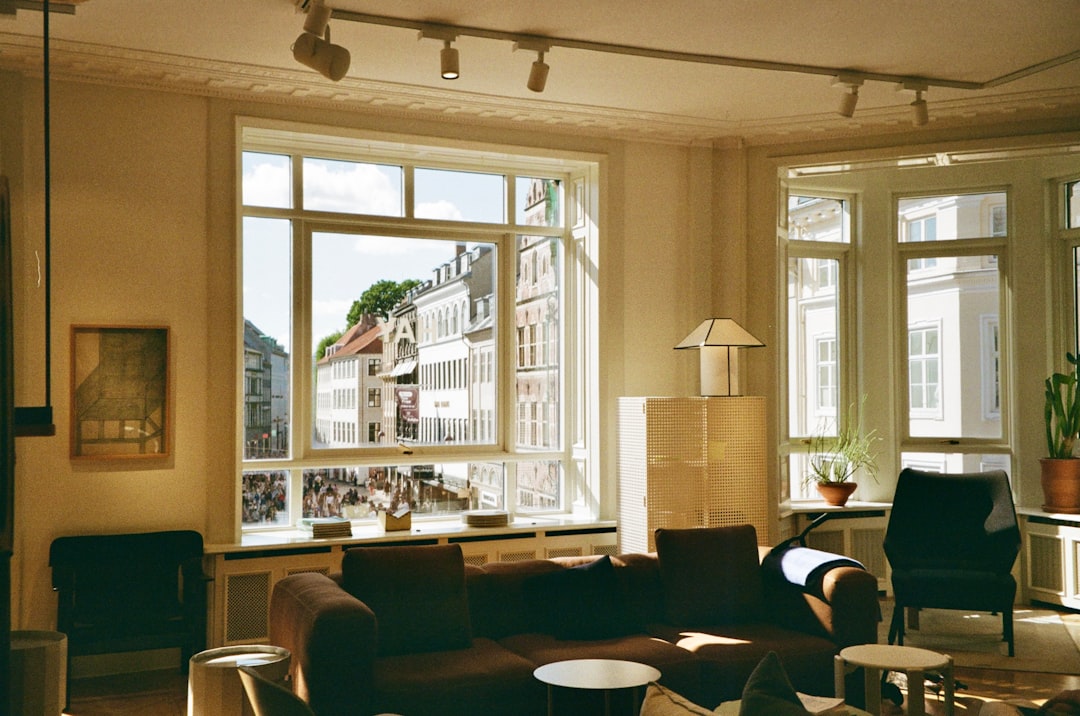
Denmark is a small country—about the size of Massachusetts—but it punches far above its weight in design. The world’s best furniture comes from here. The cycling infrastructure is copied globally. The everyday objects are beautiful. Even the pastries look like design objects.
This isn’t accidental. Danish culture has produced a coherent design philosophy that extends from architecture to typography to the way a cake is decorated. Understanding Danish design means understanding values that permeate the entire society: functionality, simplicity, accessibility, and the belief that beautiful things should be available to everyone, not just the wealthy.
The Democratic Design Philosophy: Beauty for Everyone
The founding principle of Danish design is the idea of democratic design. This is not design as luxury. It’s not about creating exclusive, expensive objects for the elite. It’s about creating beautiful, functional objects that ordinary people can afford and use in their everyday lives.
This philosophy emerged after World War II, when Denmark needed to rebuild. Rather than recreating aristocratic luxury, Danish designers consciously created designs meant to be mass-produced, affordable, and beautiful. The idea was that good design should be democratic—available to all, not just the wealthy.
This principle guides everything. A Danish chair from a major manufacturer might cost half what an Italian chair costs because it’s designed to be produced efficiently and sold widely. A lamp might be expensive to develop but affordable when mass-produced. The goal is always accessibility.
This is distinctly different from the American approach (which emphasizes luxury and status symbols) or the Italian approach (which emphasizes craftsmanship and tradition). The Danish approach says: beauty is for everyone.
Copenhagen’s Cycling Infrastructure as Design
If you want to understand Danish design philosophy in action, spend an hour watching Copenhagen‘s bike paths. They’re everywhere—separate from car traffic, often on both sides of the street, with their own traffic lights, their own rules. Thousands of people cycle everywhere, in all weather, in all conditions.
The cycling infrastructure isn’t an accident. It’s the result of decades of design decisions. The bike path is wide enough to handle volume without congestion. It’s separated from cars, making cycling safe. It’s designed so you can wear normal clothes and not get dirty (chain guards, fenders are standard). The city has invested in making cycling convenient—bike parking is abundant and secure.
What’s remarkable is that Copenhagen’s cycling infrastructure works because it was designed as a system. Every element—the path width, the traffic lights, the parking areas, the repair stations—was considered as part of a whole. Nothing was left to chance.
For visitors, renting a bike and cycling through Copenhagen is the best way to experience Danish design in action. You experience the thoughtfulness of every element. You understand how design shapes behavior. You see how a system that’s well-designed makes complex behavior (moving through a city) feel simple and intuitive.
The cycling culture also reflects democratic values. Cycling isn’t a luxury activity for athletes; it’s how ordinary people—businesspeople, elderly people, parents with children—get around. The infrastructure is designed for normal people doing normal things, not for the exceptional.
The Furniture: Showing How Design Works
Denmark’s furniture industry is world-famous. Companies like Fritz Hansen (makers of the iconic Egg Chair), Carl Hansen & Søn (known for the Wishbone Chair), and others have created furniture that’s both iconic and widely produced.
What characterizes good Danish furniture design:
Simplicity: There’s no unnecessary decoration. The beauty comes from proportion, material choice, and function. A chair is a chair; you’re not distracted by ornament.
Functionality: Every element serves a purpose. The angle of a chair back is determined by ergonomics, not aesthetics (though the ergonomic solution happens to be beautiful).
Material respect: The design respects the material. Wood is allowed to look like wood. Leather is allowed to look like leather. There’s no attempt to disguise what things are made from.
Craftsmanship: Even mass-produced Danish furniture maintains standards of craftsmanship. The joints are clean. The details are finished properly. You’re not buying something that will fall apart.
Proportions: Danish designers have an almost mathematical sense of proportion. A chair looks “right” because its dimensions follow certain ratios that feel balanced to the human eye.
These principles apply whether you’re looking at an expensive designer chair or an affordable piece of flat-pack furniture from a Danish manufacturer. The philosophy is consistent.
Experiencing Danish Furniture: Where to Look
If you’re visiting Copenhagen and want to see Danish furniture, there are several options:
The Design Museum (Kunstindustrimuseet) has a permanent collection of Danish furniture and design, often showing pieces in context rather than as art objects. You understand how design functions.
Fritz Hansen showroom: This is the official showroom of one of Denmark’s most famous furniture makers. You can see the Egg Chair, the Arne Jacobsen-designed pieces, and other icons.
Hay Design is a newer Danish design company, founded in 2002, that produces modern, affordable furniture. Their showroom is in Copenhagen.
Muuto is another contemporary Danish design company focused on creating beautiful, accessible products.
Local design shops: Throughout Copenhagen, you’ll find smaller shops selling Danish and Scandinavian design. These are worth exploring.
Even if you’re not planning to buy furniture, visiting these spaces shows you the philosophy in action. You see objects that are beautiful not because they’re expensive or ornate, but because they’re well-designed.
Danish Lighting: The Obsession With Light
Denmark has a famous obsession with light. Historically, this makes sense—you’re at a northern latitude with limited light in winter. Creating excellent artificial light became a serious design challenge.
The result is that Denmark produces world-class lighting designers and manufacturers. Poul Henningsen (PH) lamps are iconic—designed to produce warm, diffused light without glare. They’re expensive but widely owned. You see PH lamps in homes and offices throughout Denmark because the design is so successful.
Other Danish lighting designers and manufacturers have created beautiful, functional lights. What characterizes Danish lighting design is the focus on light quality, not on the fixture itself. A good lamp produces pleasant light; the object is secondary.
This obsession with light is visible in homes and businesses throughout Denmark. You notice that the lighting is typically soft, warm, and diffused. This contributes to the feeling of hygge—the comfort and warmth that Danish spaces have.
For visitors, paying attention to Danish lighting design offers insight into the values. Lighting is treated as important. The quality of light matters. This reflects the broader cultural value that everyday experience should be pleasant.
Danish Pastries as Edible Design
It might seem strange to discuss pastries in a section about design, but Danish pastries are genuinely design objects. The visual presentation is as carefully considered as the taste.
A well-made kanelsnegle (cinnamon snail) is a beautiful object. The spiral is perfectly geometric. The pearl sugar sits on top in an even layer. The color is a golden brown. When you eat it, the construction is evident—the layers, the fillings, the finishes.
This is not accidental. Bakeries treat pastry design seriously. The pastry is designed to look good, which requires technical skill. The interior construction is designed for optimal texture and taste. Every element is considered.
In this way, Danish pastries exemplify the broader design philosophy: functional beauty. The pastry looks good because it’s well-made; the good appearance is a byproduct of excellent technique. There’s no separation between form and function.
The Functionalism Principle
Running through all Danish design is a principle called functionalism. This is the idea that if something is properly designed for its function, beauty will naturally result. You don’t add decoration; you remove excess until only what’s necessary remains.
This contrasts with design traditions that add decoration to objects. In functionalism, the object is the design. A chair doesn’t need ornament because the proportions and materials are beautiful by themselves.
Functionalism has roots in the modernist movement, but it became embedded specifically in Danish design culture. It explains why Danish objects often look minimalist—not because minimalism is trendy, but because removing excess is the design philosophy.
How Design Values Permeate Daily Life
What’s remarkable about Denmark is that design values don’t stop with famous designers and expensive furniture. They extend into everyday life. A simple kitchen utensil is designed to be beautiful. A bicycle is designed as carefully as a chair. A street sign is designed with the same principles that guide a famous lamp.
This creates an environment where good design is normal. It’s not exceptional to have a well-designed object; it’s expected. This has the effect of raising baseline aesthetic standards throughout society.
For visitors, this is one of the most noticeable things about Denmark. Ordinary objects are beautiful. The design of streetscapes is considered. Buildings are proportioned thoughtfully. Even small details—door handles, signage, the way stairs are constructed—show evidence of design thinking.
The Economic Model: How It Works
You might wonder: how can Denmark afford to maintain these high design standards? The answer is that good design is actually economically efficient. A well-designed object that lasts longer and works better is cheaper in the long run than a poorly designed one.
Additionally, Denmark has developed expertise in industrial design that allows objects to be mass-produced at affordable prices while maintaining quality. The combination of thoughtful design and efficient production makes beautiful things available to ordinary people.
This creates a positive feedback loop. Because beautiful things are available and affordable, people expect good design. Designers and manufacturers meet this expectation. The standard continues to rise.
Design and Sustainability
Contemporary Danish design emphasizes sustainability. Objects designed to last longer require fewer replacements. Objects designed to be repairable extend their life. Objects designed efficiently use fewer materials.
This reflects both practical concerns (resources are limited in a small country) and values (sustainability is important to Danish culture). You see this in choices about materials, construction, and timelessness of design.
A well-designed Danish chair from 1960 is still beautiful and functional today. The design doesn’t date itself with trends. It remains useful.
Visiting Design Culture in Copenhagen
To experience Danish design culture as a visitor:
Walk through neighborhoods: The neighborhoods of Copenhagen (Nørrebro, Vesterbro, Christianshavn) are designed communities. Observe how public space is organized. Notice the details of buildings.
Visit design museums and shops: Spend time in the design spaces mentioned above. Understand the philosophy by seeing it embodied in actual objects.
Ride a bike: Experience the cycling infrastructure. Notice how well-designed systems feel intuitive and pleasant to use.
Spend time in parks and public spaces: Danish public spaces are designed with care. Notice the details.
Buy something designed in Denmark: A simple item—a kitchen utensil, a piece of dishware, a small furniture item—can be taken home as evidence of the design philosophy.
The Broader Point: Design as Philosophy
What makes Danish design remarkable isn’t any specific aesthetic. It’s a philosophy: that thoughtful design makes life better, that beauty is for everyone, that form and function are inseparable, that efficiency and aesthetics go together.
This philosophy extends beyond objects into how society is organized. The way Copenhagen is designed as a city reflects the same values that guide the design of a chair. The way political consensus is built reflects design thinking—removing excess, focusing on what’s essential, creating systems that work for everyone.
Understanding Danish design means understanding something about Danish values and how they organize their world. It’s a design culture not because Denmark has good designers (though it does), but because design thinking is embedded in how the culture operates. This might be Denmark’s most significant export to the world—not specific products, but the idea that thoughtful design makes life better for everyone.




Leave a Reply