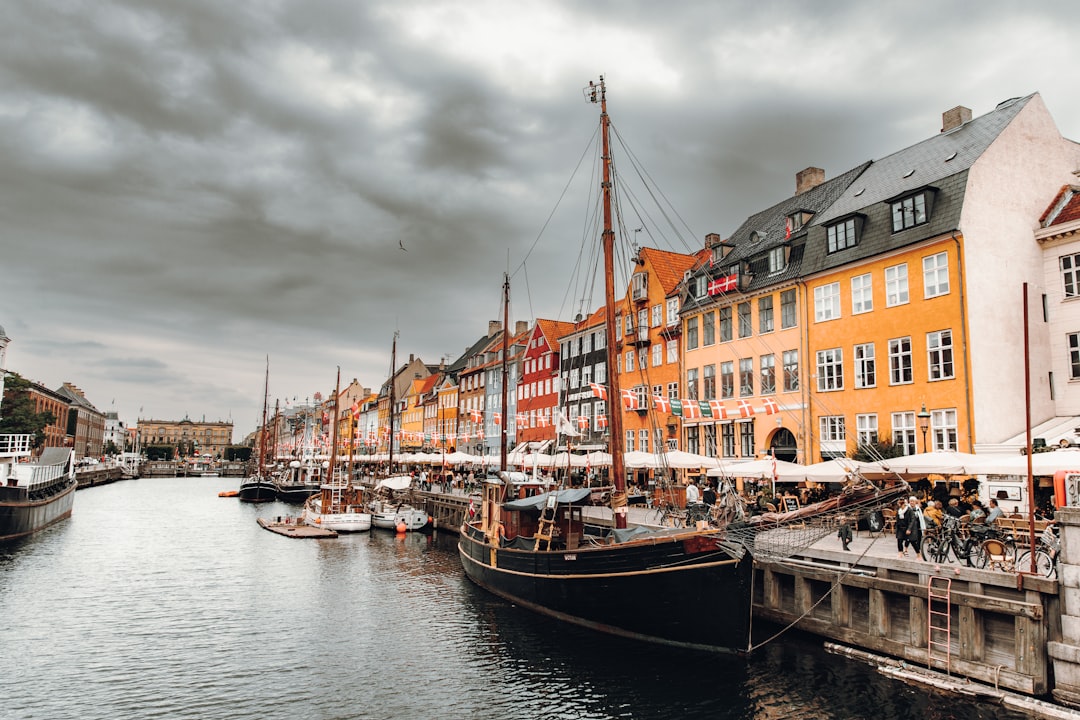
If you time your visit to Denmark correctly, you’ll experience Sankt Hans Aften (St. John’s Eve), celebrated on June 23rd, and you’ll understand why Danes survive their long, dark winters with such resilience. Midsummer in Denmark isn’t a minor holiday; it’s a deeply significant moment when the culture comes together to celebrate light, warmth, and summer’s arrival.
Sankt Hans Aften is rooted in both Christian tradition (the eve of St. John the Baptist’s feast day) and ancient pagan solstice celebrations. Over centuries, these traditions have merged into a uniquely Danish holiday that feels more pagan than Christian to modern observers. It’s celebrated communally, outdoors, and with remarkable consistency of tradition across the country.
The Longest Day and the Summer’s Turning Point
Denmark in June is transformed. The sun barely sets. In Copenhagen, sunset occurs around 11 PM and sunrise around 3:30 AM, giving the sky a perpetual twilight quality. The entire month is one long evening. People are outdoors constantly, filled with an almost manic energy, knowing that soon the light will begin to fade.
June 23rd is the summer solstice—the longest day of the year, the moment when the sun reaches its highest point in the sky. In the northern latitudes where Denmark sits, this is an astronomical event of genuine significance.
For a culture that experiences 17 hours of darkness daily in winter, the summer solstice is not abstract. The contrast is immediate and visceral. Just six months earlier, people were getting dressed in darkness and returning home in darkness, with only a few hours of gray daylight in between. Now, the light is abundant and nearly endless.
Sankt Hans Aften is the celebration of this reversal. The holiday marks the official turning of the year—from now on, the days will get shorter. But tonight, they’re at their longest, and that calls for celebration.
The Beach Bonfires: The Central Ritual
The central ritual of Sankt Hans Aften is the bonfire. Bonfires are lit throughout Denmark—on beaches, in parks, in the countryside. These aren’t small fires; they’re substantial affairs, sometimes 10+ meters tall, built from wood carefully collected and stacked.
Traditionally (and still in some communities), an effigy of a witch is placed on top of the bonfire. This practice dates to medieval times when people believed that witches flew up chimneys on Midsummer’s Eve to gather for sabbaths. Burning the witch effigy was thought to protect the household.
Today, the witch effigy is primarily symbolic and traditional rather than literally believed in. The practice continues because it’s old, because it’s distinctive, and because it adds ceremonial flavor to the evening. In many cases, the “witch” is simply a straw doll, sometimes with a note inside wishing bad luck to someone—though this is done humorously.
When the bonfire is lit, often by an elected “Sankt Hans Knight,” a crowd gathers around it. Hundreds or thousands of people might gather at popular beaches. The fire illuminates faces in the gathering dusk. The night is warm or only slightly cool.
The Songs: Vi Elsker Vort Land and Midsommervisen
What distinguishes Danish Sankt Hans Aften from similar holidays in other countries is the singing. As the bonfire burns, people sing traditional songs, most prominently “Vi elsker vort land” (“We Love Our Country”) and “Midsommervisen” (“The Midsummer Verse”).
These songs are learned in school. Every Danish child grows up knowing them. When Midsummer comes, the communal singing connects people to something ancient and deeply Danish.
The singing has a particular quality. It’s not led by a performer; it’s a communal activity. Someone starts singing, others join. There’s no pressure to have a perfect voice. The point is participation in something collective and traditional.
“Vi elsker vort land” is a patriotic song (it’s one of Denmark’s unofficial national anthems), but it’s sung on Midsummer with genuine feeling rather than irony. The song expresses love of Denmark—the land, the people, the culture. Hearing thousands of people sing this together on a beach at midsummer is genuinely moving.
The lyrics of “Midsommervisen” are older and more ritual. They explicitly invoke Midsummer traditions—the bonfires, the lighting of the sky, the length of day. Singing the song on the night itself creates a sense of participating in tradition that extends backward and forward in time.
For visitors, the singing is something that might feel awkward at first if you don’t know the words or aren’t familiar with communal singing traditions. But the welcome is genuine. If you’re standing near a group singing, you’re invited to join. The experience of participating in this collective tradition is one of the most specifically Danish experiences available.
Pagan Roots and Summer Solstice Connections
Sankt Hans Aften has deep roots in pre-Christian, pagan solstice celebrations. In many northern cultures, the summer solstice was marked with bonfires, communal gatherings, and rituals meant to ensure continued warm weather and good crops. The bonfires themselves were thought to strengthen the sun and guarantee its return.
When Christianity came to Scandinavia, the church integrated these pagan celebrations into the Christian calendar by attaching them to the Feast of St. John the Baptist, whose feast day is June 24th. Rather than eliminating the midsummer celebration, the church co-opted it. The holiday became Sankt Hans Aften—retaining its essential character while gaining Christian framing.
This pattern—where Christian holidays absorbed pagan traditions—is common in northern Europe. But in Denmark, the pagan elements remain remarkably prominent. The bonfires, the communal gathering, the focus on light and the sun—these are explicitly pagan in character.
Anthropologically, Sankt Hans Aften represents a moment where modern Denmark is in explicit contact with its pre-Christian past. During this holiday, people are consciously connecting with traditions that predate Christianity, that predate the modern nation-state, that extend back perhaps thousands of years.
Sommerhus Culture: The Summer House Tradition
Sankt Hans Aften is celebrated on beaches, but the broader summer season in Denmark centers on the “sommerhus”—the summer house. These are small cabins, often family-owned, located throughout the Danish countryside and on islands.
The sommerhus is a Danish institution. Families own them, sometimes across generations. Summer weekends involve travel to the sommerhus, where the family gathers to slow down, to cook simple meals, to sit outside, to spend time together.
The sommerhus culture represents a different way of experiencing summer than urban leisure. It’s about being in nature, close to community, connected to the land. Sommerhuser are often simple—no luxury—but they’re beloved.
Sankt Hans Aften is a major sommerhus season. Families gather at their houses, build bonfires if they’re near water or have space, and celebrate. The holiday becomes a way to mark the beginning of proper summer season and to gather family in this special setting.
For visitors staying in Denmark over summer, visiting a sommerhus if invited, or spending time in the countryside communities where these houses cluster, offers insight into how Danes relate to summer.
The Summer Energy: Why Danes Love Summer With Desperate Intensity
Understanding Sankt Hans Aften requires understanding the emotional weight it carries. For a culture that experiences winter darkness as real and challenging, summer is not merely pleasant—it’s essential. The mental health benefits of summer light are not subtle.
Danes emerge into summer with what can only be described as manic energy. The outdoor dining season explodes. Restaurants put tables on the street. Parks fill with people. Beaches become packed. The culture’s entire rhythm shifts.
This intensity isn’t superficial. It’s rooted in the psychological reality that for months just past, people had minimal daylight. Now, they have maximal daylight. The contrast creates genuine euphoria.
Sankt Hans Aften happens at the moment when this summer energy is at its peak. The holiday becomes a way to celebrate collectively and to mark the turning point, with the knowledge that from this moment forward, the light will diminish.
There’s a bittersweet quality to the holiday. Yes, it celebrates the long day. But implicitly, it acknowledges that the peak is now reached and the decline has begun. The shortening days are coming.
Outdoor Dining and the White Nights
The period from June 23 through early August is when Danish outdoor dining culture is at its height. Summer restaurants—beer gardens, waterfront spots, casual places—fill every evening. People stay outdoors until late, eating, drinking, talking.
The “white nights” (the perpetual twilight where darkness never fully comes) make extended outdoor time possible. You can eat dinner at 10 PM and still see clearly. The temperature is pleasant. There’s no sense of rushing because the evening never seems to end.
This outdoor season is something Danes prioritize and invest in. Restaurants that are empty most of the year thrive during summer. New restaurants open specifically to capture summer business. Hotels charge premium prices. The entire economy shifts to accommodate the fact that everyone wants to be outside.
Celebrations Beyond the Beach
While the beach bonfires are the most iconic Sankt Hans Aften events, the holiday is celebrated throughout Denmark in various contexts:
In towns and villages: Many smaller communities organize official bonfires, sometimes with food stalls, entertainment, and formal ceremonies.
In sommerhus communities: Families gather at summer houses and celebrate with smaller bonfires or traditional meals.
At workplaces: Some companies organize Sankt Hans Aften events, taking a break from work to celebrate summer.
In parks and gardens: Urban parks often have gatherings and bonfires.
At home: Many Danes celebrate simply, with family or friends, sometimes building a small fire if space allows, or simply acknowledging the holiday.
How to Experience Sankt Hans Aften as a Visitor
If you’re visiting Denmark on or near June 23rd:
Find a public bonfire: Check local tourism websites or ask at your hotel for information about public bonfires. Popular beaches typically have major celebrations. Copenhagen’s Amager Strandpark usually has a significant gathering.
Arrive early: Bonfires are lit in early evening (around 8-9 PM), but crowds begin gathering hours before. Arrive with time to spare.
Join the singing: If you know the songs (the words are findable online), singing along is warmly welcomed. If you don’t know them, standing nearby and listening is equally valid.
Bring refreshments: Bring something to drink or eat. Local tradition often involves snaps (aquavit), beer, and simple food.
Embrace the informality: Sankt Hans Aften celebrations are notably informal and spontaneous, despite their deep traditionalism. You’ll blend in whether you know exactly what to do or are figuring it out.
Pay attention to conversations: Danes will often strike up conversations about Midsummer traditions, explain what’s happening, and welcome visitors into their celebrations.
What the Holiday Reveals About Danish Culture
Sankt Hans Aften, more than many holidays, reveals something about how Danish culture relates to nature, to time, to community, and to survival. The holiday is explicitly about celebrating light in a culture that knows darkness. It’s about gathering as a community to mark something shared and significant.
The holiday also reveals the connection between contemporary Denmark and its pre-Christian past. Unlike many European countries that have thoroughly secularized or eliminated pre-Christian traditions, Denmark maintains explicit connection to pagan celebration. The bonfires, the communal singing, the marking of astronomical events—these are ways of staying connected to ancient ways of being.
For visitors, experiencing Sankt Hans Aften (if timing allows) or understanding its significance provides deep insight into Danish culture. It’s a moment when the culture reveals its values—community, tradition, connection to nature and light, the ability to gather and celebrate collectively in ways that feel both ancient and modern simultaneously.




Leave a Reply