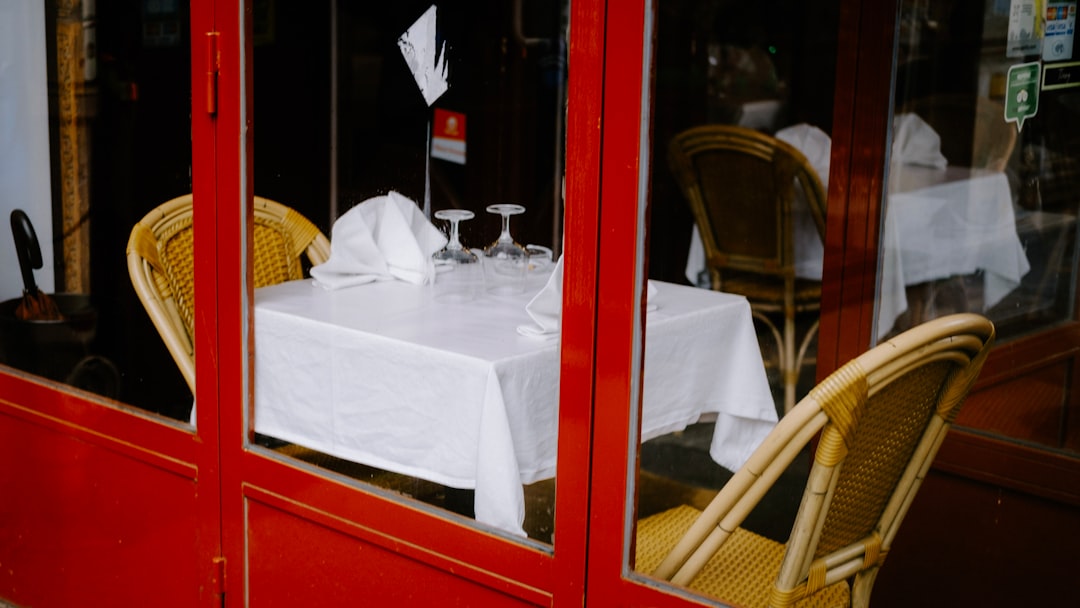
There’s a reason French people seem so relaxed in restaurants while everyone else looks anxious about which fork to use. It’s not because they’re naturally sophisticated (well, maybe a little)—it’s because they learned the rules so young that navigating a French meal became as automatic as breathing. The good news? These rules actually make sense. Once you understand them, French dining stops feeling intimidating and starts feeling like a beautiful ritual that genuinely improves how you experience food.
Let me demystify the whole thing for you, because honestly, most of what you’ve heard about French dining etiquette is either partially wrong or missing the bigger picture. The French aren’t trying to make you feel bad; they’ve just optimized the restaurant experience over centuries, and it’s worth understanding why.
The Sacred Structure: Why the Courses Matter
First, let’s talk about what a French meal actually is, because this is where most travelers get confused. When a French person orders dinner, they’re not ordering a “meal”—they’re ordering an experience with distinct acts.
A traditional French dinner follows this structure: apéritif (a drink before you eat), entrée (the starter), plat principal (the main course), salade (yes, salad comes after the main), fromage (cheese course), dessert, café (coffee), and possibly a digestif (an after-dinner drink). The whole thing typically lasts two hours, and no one is rushing anyone.
Here’s the crucial thing Americans especially need to know: “entrée” does not mean main course. It literally means “entry” or “entrance”—it’s how you enter the meal. If you see “Entrées” on a French menu and order one thinking it’s your main dish, you’ll end up with a three-course meal when you only wanted dinner. The actual main course is the “plat principal.”
This structure isn’t arbitrary. Each course is designed to prepare your palate for what comes next. A light starter awakens your appetite. The main course is the centerpiece. The salad cleans your palate and aids digestion. The cheese course (absolutely non-negotiable in France) provides savory contrast before something sweet. Dessert is the finale. By the time coffee arrives, you’re ready to slow down and linger.
Bread: The Misunderstood Staple
Bread in France is not a side dish. It’s not meant to fill you up before the real meal arrives. It’s a palate cleanser, a vehicle for sauce, and the ultimate simple pleasure. Here’s what you need to know:
Bread goes on the table directly, never on a plate. There will be a bread basket on the table, and you simply tear off pieces as needed and eat them. This isn’t casual; it’s correct. If you put bread on your plate like it’s a side of something, you’ll look like you don’t understand French dining.
You use bread to wipe your plate at the end of each course. This is called “faire la sauce” (to sauce your plate), and it’s not only acceptable—it’s expected and appreciated. It’s actually a compliment to the chef because you’re showing that you enjoyed the sauce so much you want to get every last bit. Hold a piece of bread with your fork, let your fork guide the bread, and gently wipe the plate. This is sophisticated, not rude.
No substitutions, no modifications. This is the part that makes Americans uncomfortable, but here’s the thing: you’re eating at a restaurant run by a chef, not a diner with a line cook. The chef has designed the dish a certain way. Asking for no sauce on the side, or substituting vegetables, or requesting something cooked a different way is essentially saying “I don’t trust your expertise.” If there’s something you genuinely can’t eat (allergies), you mention it beforehand or choose a different dish. Otherwise, you eat what the chef made.
The Ritual of Ordering and Dining
Before you even open the menu, understand that the bread and butter come free, and water isn’t automatically provided. If you want water, you ask for “une carafe d’eau” (tap water, free) or “une bouteille d’eau” (bottled water, charged). Wine or other drinks you must order and pay for. Many Americans are shocked by this, but restaurants in France don’t consider it their job to keep your water glass full between sips.
When you’re ready to order, make eye contact, maybe raise your hand slightly, but for heaven’s sake, never snap your fingers or say “Garçon!” like it’s 1920. The server is not your servant. Say “S’il vous plaît” (please) when you’re ready. Servers in French restaurants practice what might look like indifference or coolness—they’re not rushing you because they respect that a meal is meant to be savored. They’ll come back when you’re ready, and you signal them by making eye contact or subtly raising your hand.
Once you’ve ordered, your server will not bring the check until you ask for it. This isn’t rudeness or a hint to leave; it’s respect for your pace. When you’re done and want to leave, catch your server’s attention and ask for “l’addition, s’il vous plaît” (the check, please). The check will likely come as just the number written on a slip of paper, or totaled on the plate with your last course.
Tipping: The One Rule Americans Always Get Wrong
Here’s the simplest part: you don’t tip in France. The service charge is already included in the meal price. The server is paid a living wage, not dependent on tips. If you leave extra coins, it’s appreciated but completely optional and never expected. Many Americans are so conditioned to tip that they feel guilty leaving without it—don’t. You’re not being rude; you’re respecting French custom. If you do want to leave something, 5-10% is generous and will be seen as a special appreciation, not an obligation.
Table Manners: The Details That Matter
French people are watching everything, so here are the details that matter:
Hands on the table, not in your lap. This freaks out Americans who learned that hands belong in your lap, but in France, both hands should be visible on the table. This is actually more respectful—it shows you’re not hiding anything and are fully present for the meal.
Eat slowly and enjoy. The French don’t rush through meals. Taking 30 minutes to eat might feel rushed to a Frenchperson; taking two hours is normal. Your pace should be moderate and unhurried. This is partly why wine service exists—you’re meant to sip and linger, not gulp and go.
Knife and fork rules exist for a reason: outside fork and spoon for outside courses, working inward toward your plate. But honestly, if you mess up, no one will actually say anything. French people are more focused on their own meal and the company than on policing your silverware.
Use a proper fork for salad. Not some weird hand-salad situation. And when that salad arrives after your main course, don’t look confused—that’s normal and aids digestion.
Wine and the Two-Hour Lunch
Wine deserves its own section because it’s so integral to the French dining experience. Wine isn’t a luxury added to dinner; it’s as fundamental as bread. You don’t need to be a wine expert. Pointing to something on the wine list and saying “I’ll have this one” is perfectly fine. If you’re genuinely overwhelmed, asking your server “Qu’est-ce que vous recommandez?” (What do you recommend?) is not only acceptable, it’s what they’re there for.
The “house wine” or “vin de la maison” is almost always good and usually the best value. Many bistros serve it in a small pitcher called a pichet. Order a pichet of red or white and enjoy it without anxiety.
The Two-Hour Lunch Phenomenon
One last thing: understand that in France, lunch is a serious meal. The traditional French lunch—especially if you’re eating at a restaurant—is a 90-minute to two-hour affair with multiple courses, wine, and conversation. If you’re invited to a French person’s home for lunch on the weekend, you’re settling in for the afternoon. Eating at your desk, or rushing through lunch, or treating it like a pit stop is seen as missing the whole point of living.
Even if you’re just grabbing lunch as a solo traveler, the French restaurant culture respects taking your time. You’re not being slow or holding anyone back. You’re dining correctly.
The beauty of French dining rules is that once you stop seeing them as restrictions and start seeing them as a framework that ensures everyone’s meal is better, they become a pleasure. You’re not jumping through hoops for your food—you’re participating in a tradition that turns eating into one of life’s great leisures. And that, ultimately, is what France understands better than almost anywhere else: that how you eat matters as much as what you eat.




Leave a Reply