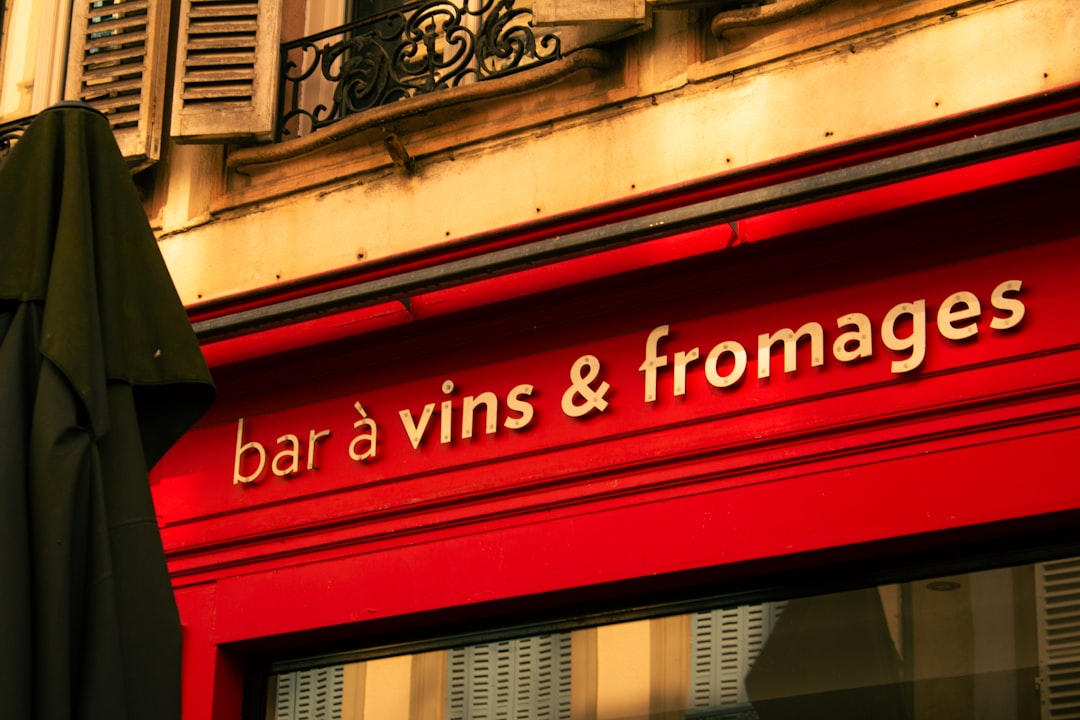
You walk into a wine shop in Paris or Lyon or Bordeaux, and suddenly you’re surrounded by thousands of bottles with labels in French, prices ranging from seven euros to seven hundred euros, and absolutely no idea what you’re doing. This is a very common feeling for travelers, and the good news is that the French wine system, while it looks complicated, is actually organized to help you understand what’s in the bottle. It’s not mysterious—it’s just different from what you might be used to.
The secret to not panicking about French wine is simple: stop thinking about wine as a product you’re buying and start thinking about it as a regional expression of the land where grapes grew. French wine classifications aren’t about some abstract quality standard—they’re about where the wine comes from and what rules the producers followed. Once you understand that, everything else follows naturally.
The Regions: Where Geography Is Everything
Here’s the fundamental rule of French wine: the label tells you where the wine comes from, and where it comes from tells you everything about what you’re drinking.
Bordeaux is the heavyweight champion of French wine. Located southwest of Paris, this region produces some of the world’s most expensive wines and also some of the best mid-range values. Bordeaux wines are typically blends of Cabernet Sauvignon, Merlot, Cabernet Franc, Petit Verdot, and sometimes Malbec. The Left Bank (around Pauillac) produces bigger, bolder wines. The Right Bank (around Pomerol and Saint-Émilion) produces softer, rounder wines. If someone is intimidated by wine, Bordeaux is probably not where to start—many Bordeaux wines are designed to age for 20+ years and taste harsh when young.
Burgundy (Bourgogne) is the opposite of Bordeaux in almost every way. This region in the east-central part of France produces Pinot Noir and Chardonnay, often as single-variety wines from tiny, precisely defined parcels of land. Burgundy wines are elegant, nuanced, and often less heavy-handed than Bordeaux. The classification system is bewilderingly detailed (there are hundreds of tiny regions), but here’s the practical thing: a good Burgundy is often worth the premium because the region’s reputation is built on refusal to cut corners. The quality-to-price ratio is worse in Burgundy than Bordeaux, which is why wine nerds love it—they’re paying for excellence, not brand prestige.
Champagne, the northernmost region, produces the world’s most famous sparkling wine. The chalky soil and cool climate create acidity and minerality that sparkles beautifully. But here’s what you need to know: Champagne is strictly regulated. Only wine from this region, produced a specific way (méthode champenoise), can be called Champagne. Other regions produce excellent sparkling wine—Crémant from other regions, Prosecco from Italy, Cava from Spain—but they can’t use the Champagne name. If you want Champagne, you’re paying for the name and the region, not just for bubbles.
Rhône Valley sits between north and south and produces some of France’s best mid-range wines. The north (with places like Côte-Rôtie and Hermitage) specializes in Syrah, producing elegant, peppery wines. The south (around Châteauneuf-du-Pape) produces rounder, more fruit-forward blends. Rhône wines are perfect for travelers because they’re good without being pretentious, reasonably priced, and actually delicious.
Loire Valley is the easiest region for beginners because it produces the widest range of styles and they’re almost universally approachable. You’ll find crisp white wines (Sauvignon Blanc from Sancerre or Pouilly-Fumé), dry and off-dry whites (Chenin Blancs), light reds (Cabernet Francs), and everything in between. Loire wines are elegant without demanding your full attention. Many wine people drink Loire casually because it’s just good.
Alsace in northeastern France near Germany produces stunning white wines and is criminally underrated by tourists. Alsatian whites (Riesling, Gewürztraminer, Pinot Gris) are aromatic, slightly spicy, and food-friendly. The region’s wines are often lighter-bodied than their German counterparts but with more personality. Try Alsatian wine once and you’ll wonder why it’s not everywhere.
Reading the Label: The AOC/AOP System Decoded
The most important thing on a French wine label is not the vineyard name or the producer’s reputation—it’s the appellation. This is a geographical designation that tells you exactly where the wine comes from and what rules the producer followed to make it.
AOC (Appellation d’Origine Contrôlée) and its newer cousin AOP (Appellation d’Origine Protégée) are basically the same thing—the EU changed the terminology, but it means the same: this wine comes from a specific region, the grapes were grown according to regional rules, and the wine was made according to regional tradition. AOC/AOP is a quality guarantee not because some official is tasting every bottle, but because producers who break the rules get their designation stripped, which destroys their business. It’s peer enforcement through economic incentive.
The thing about AOC is that it’s very specific. A wine labeled “Bordeaux” comes from Bordeaux but could be from anywhere in the region. A wine labeled “Pauillac” comes from a smaller area and costs more because it’s more prestigious. A wine labeled “Château Lafite-Rothschild” comes from a specific property and is wildly expensive. The more specific the place name, the more expensive and (theoretically) the better.
Vin de Pays or IGP (Indication Géographique Protégée) wines have less specific origins and fewer regulations. This doesn’t mean they’re bad—many are excellent—but they’re not subject to the same strict controls as AOC wines. Vin de Pays wines are often better value and more experimental because producers aren’t bound by tradition.
Vin de Table is the lowest designation with no specific origin requirement. You’ll rarely see this in France because it’s for cheap wines, and frankly, even cheap French wine is usually good.
How to Actually Order Wine Without Panicking
The absolute best thing you can do when ordering wine at a restaurant is to tell the server (or sommelier if it’s a fancy place) what you’re eating and ask them to recommend something. French servers are not trying to trick you into expensive bottles—they want you to enjoy the meal. Saying “Je vais manger du poulet, qu’est-ce que tu me conseilles?” (I’m eating chicken, what do you recommend?) is normal and appreciated.
If you want to choose yourself, start with the “house wine” or “vin de la maison.” This is usually very good because the restaurant has chosen it carefully. It’s served by the glass or the bottle (pichet), and it’s never expensive. Ordering house wine is not cheap or unsophisticated—it’s smart.
If you want to upgrade slightly, ask for a wine by region. “Un verre de Chablis” (a glass of Chablis) or “Une bouteille de Loire” (a bottle of Loire Valley wine) works perfectly. You’re not claiming expertise; you’re just being specific.
If you want to get a bit fancier, look for wines labeled Crémant (French sparkling wine from regions other than Champagne). Crémant is delicious, celebratory, cheaper than Champagne, and absolutely legitimate. Crémant d’Alsace is particularly good and often a surprise hit with travelers.
The House Wine Secret
Here’s something locals know and tourists don’t: house wine is usually excellent. The restaurant serves dozens of glasses per night, so they’ve chosen something that’s good, consistent, and reliable. Ordering house wine—which costs maybe eight to twelve euros per glass—is genuinely the smart choice. You’re tasting wine chosen specifically by someone who cares about their restaurant’s reputation. You’re not settling; you’re eating like a local.
The price difference between house wine and an eight-euro bottle off the wine list is actually the markup—usually 50% or more. So pay for house wine by the glass, or buy a full bottle off the list if you want something specific. Either way, you’re making a good decision.
Rosé: Understanding the Provence Obsession
Provence rosé is a whole category of wine culture you need to understand. It’s pale pink, dry, refreshing, and the entire region drinks it all summer long. It’s not a gateway drug to wine; it’s a legitimate, sophisticated drink.
Here’s the thing that scandals the French: never, ever put ice in rosé. This is a genuine cultural point of offense. Ice dilutes the wine and is considered barbaric. Rosé is served slightly chilled (colder than room temperature but not ice-cold), and you drink it as-is. The French consider rosé served with ice the ultimate tourist move, right up there with asking for ketchup at a restaurant.
Rosé from Provence tends to be dry and light. Rosé from other regions can be slightly sweeter or fruitier. If you’re in Provence during summer, drinking local rosé is not a novelty—it’s how people actually live. Order it without ice, enjoy it with lunch, and understand that you’re participating in a very real regional tradition.
Natural Wine and the Modern Wine Scene
A growing segment of French wine is “natural wine” or “vin naturel”—wines made with minimal chemical intervention, no added sulfites (or very low), and often wild fermentation. These wines can be funky, unusual, complex, and absolutely delicious, or they can taste like vinegar. The category is about philosophy more than guaranteed quality.
If you see “vin naturel” on a wine list, it’s usually in a younger, trendier restaurant. It’s worth trying once to see if you like it. Natural wine isn’t better than conventional French wine—it’s just different and increasingly important to a certain wine community.
Vendanges and Seasonal Wine Culture
The “vendanges” is the harvest, typically in September and October, and it’s a genuinely important cultural moment in wine regions. If you’re visiting Bordeaux or Burgundy during harvest season, you’ll see activity in the vineyards and a certain excitement in the regional culture. Wine tourism really happens during vendanges, so if you’re a wine enthusiast visiting France, timing your trip to coincide with harvest will give you access to things you wouldn’t otherwise experience.
The Bottom Line: Wine Is Not Scary
French wine is complicated only if you try to learn everything at once. The actual system is beautifully logical: where it’s from tells you what it is and usually how much to pay for it. Buy wine from a reputable region, ask for recommendations, order house wine in restaurants, and never put ice in your rosé. You’re not going to have a wine disaster—even basic French wine is usually very good.
The French don’t expect tourists to be wine experts. They expect travelers to approach wine with curiosity and respect, which means being willing to try something and enjoy it on its own terms. Order confidently, ask questions without shame, and trust that in France, you’re never far from excellent wine.




Leave a Reply