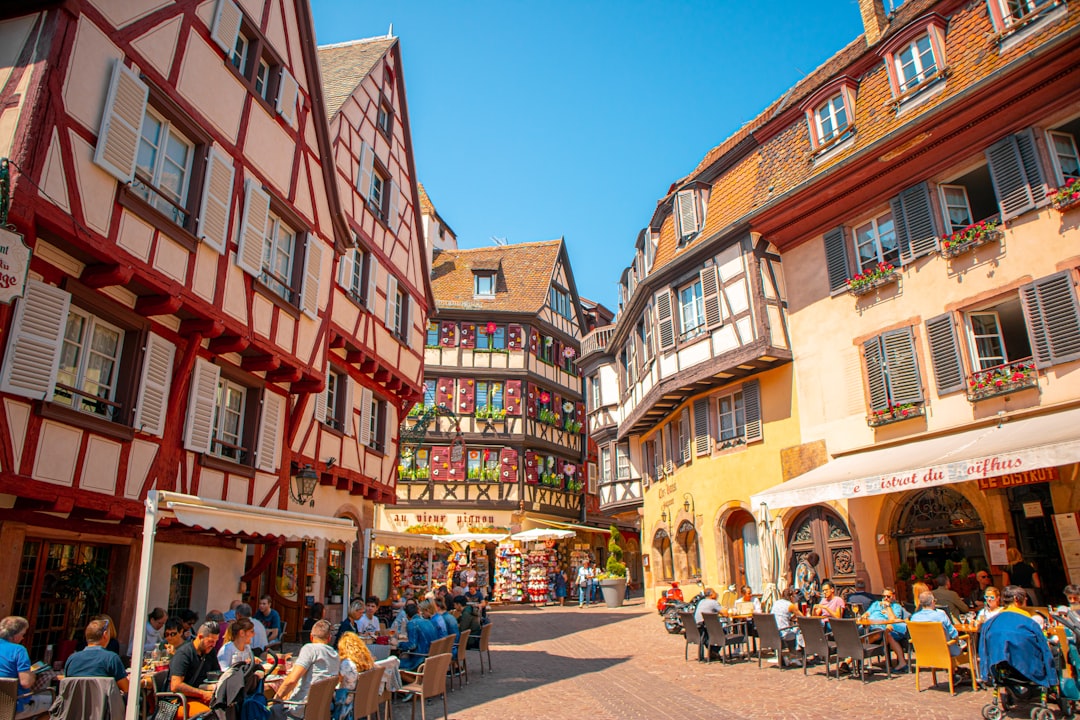
The French calendar is punctuated by festivals and cultural moments that have shaped French life for centuries. Some are national holidays with official significance. Some are regional traditions that locals observe intensely but tourists often miss. Understanding the festival calendar will help you plan better travel dates, understand what’s happening around you, and appreciate the cultural life that makes France feel alive.
Unlike many countries, France’s festivals are deeply woven into daily life rather than feeling like special events added on top of normal society. They’re the rhythm that structures the year. If you time your trip to catch a festival, you’re experiencing France in a particularly vibrant moment. If you accidentally avoid them, you’re missing something important.
January: Epiphany and the Galette des Rois
January 6 is Epiphany (Épiphanie in French), and it’s marked by the consumption of one specific cake: the galette des rois (literally “king’s cake”).
The galette is a puff pastry cake, usually with almond cream filling, and traditionally it contains a small porcelain or plastic figurine called a “fève” (literally “bean,” from when dried beans were used). Whoever gets the slice containing the fève is crowned king or queen of the celebration and gets to wear a paper crown.
This isn’t some ancient tradition—well, it is very old, but what matters is that it’s alive now. Every bakery in France sells galettes des rois in January. Families and offices have galette parties. You break a galette, you eat your slice, someone gets the fève, and there’s a moment of silly fun. The tradition continues through January sometimes into early February, depending on when people get around to it.
If you’re in France in January, try a galette. It’s genuinely delicious and genuinely culturally important, even if the entire tradition is basically an excuse to eat good pastry.
February: Candlemas and Crêpes
February 2 is Candlemas (Chandeleur in French), and it’s marked by eating crêpes. Not metaphorically—like, the entire country eats crêpes on February 2. This tradition dates back centuries to a festival of lights, and the roundness of crêpes is supposed to represent the sun and the promise of spring coming.
In practice, this means that on February 2, restaurants feature special crêpe menus, bakeries sell crêpes, and French families make crêpes at home. If you’re in France on Chandeleur, eat a crêpe. It’s mandatory, it’s delicious, and it’s genuinely everywhere.
March: Carnival in Nice
Nice‘s Carnival (Carnaval de Nice) is the major French carnival celebration, and it’s something different from Mardi Gras in New Orleans. It runs for about two weeks in late February and early March and features massive floats, parades, and a whole festival vibe.
Nice Carnival has a specific style and history—elaborate papier-mâché floats, throwable confetti, a parade through the streets. It’s colorful, chaotic, and genuinely fun. The whole city gets involved. Hotels and restaurants fill up during carnival, so if you want to attend, you need to plan ahead.
April: Easter and Spring
Easter in France isn’t as merchandise-heavy as in some places. There’s church, there’s family meals, and there’s chocolate. Easter bells that flew to Rome are imagined to return on Easter Sunday, bringing chocolate eggs. Church bells ring out. Chocolate is significant.
If you’re in France over Easter, you’ll notice chocolate everywhere and families getting together. It’s not a massive celebration like Christmas, but it’s observed.
June 21: Fête de la Musique (Music Day)
Fête de la Musique on June 21 (the summer solstice) is one of the most charming French festivals and one you can actually plan to attend. The basic idea is that musicians of all levels play in the streets, parks, and public spaces for free.
You’ll walk through a neighborhood and encounter classical musicians in a park, a rock band on a street corner, DJs in a square, accordion players on a bridge. It’s free, it’s live, it’s spontaneous, and it’s genuinely wonderful. Both amateur and professional musicians participate. Kids, grandmothers, conservatory students, street musicians—everyone plays something.
Cities organize official venues and stages, but the beauty of Fête de la Musique is that it’s decentralized. Music happens everywhere. You can spend the evening walking through a city just following music, and you’ll find something good.
If you’re in France on June 21, this is genuinely worth planning around. It’s free, it’s easy, it’s accessible, and it captures something essential about French culture—the idea that art and music belong to everyone and shouldn’t be locked away in concert halls.
July 14: Bastille Day
Bastille Day (Fête Nationale in French, or just “14 juillet”) is France’s national holiday, celebrating the storming of the Bastille in 1789 and the beginning of the French Revolution. It’s like Independence Day in America, except weirder and more distinctly French.
The night before, there are bals des pompiers (firemen’s balls) where you can dance with firefighters in parking lots and public spaces. These are genuinely fun, public, and inclusive. You pay a few euros, often for a drink, and you dance. They’re not fancy; they’re very local and very democratic. If you’re in France on July 13, finding a local firemen’s ball is an excellent way to spend the evening.
July 14 itself features a military parade down the Champs-Élysées in Paris, which is broadcast on television nationwide. Many French people watch this on TV or gather in public spaces. In the evening, there are fireworks. Every town and city has fireworks. Paris’s are the biggest, but anywhere in France you’ll have fireworks.
The day itself is a national holiday, so schools and offices are closed. The atmosphere is patriotic but not aggressively so. There’s a real sense of civic pride—the Revolution, the Declaration of Rights, the idea of French democracy.
If you’re in France on July 14, you’ll see the French flag (blue, white, red) literally everywhere. Every public building has one. Some people wear it as clothing. It’s the one day of the year where French patriotism is openly displayed, and it’s actually quite moving.
August: Relaxation and Assumptionist Day
August 15 is Assumption (Assomption), a Catholic holiday, and it’s a national holiday in France. But what’s really significant about August is that it’s when France shuts down.
August is vacation time. Parisians leave the city. Offices close. Factories close. French families go on summer holidays. If you’re in Paris in August, you’ll notice it feels quieter, less crowded than other months. Many restaurants close for the month. This is vacation season, and the culture takes it seriously.
From a traveler’s perspective, August is actually great for visiting because there are fewer tourists in popular places (they’re all at the beach), hotels are cheaper, and you can actually experience quieter, more authentic France. But if you’re looking to eat at a specific restaurant or visit a specific shop, call ahead because it might be closed for the month.
September: Back to School and Vendanges
School starts in September, and there’s a real sense of France returning to normal routine after the long summer break. It’s not a festival, but it’s a cultural moment.
This is also the beginning of vendanges (grape harvest) in wine regions. If you’re visiting Bordeaux, Burgundy, Loire Valley, or any wine region in September, you’ll see activity in the vineyards. This isn’t a organized festival, but it’s a cultural moment worth experiencing if you’re interested in wine.
October: Nothing Official, But Beautiful
October is a quiet month culturally, but it’s gorgeous—fall foliage, perfect weather, fewer tourists, wine harvest finishing up. Not a festival month, but a genuinely pleasant time to be in France.
November: Commemoration and Toussaint
November 1 is Toussaint (All Saints’ Day), and November 11 is Armistice Day, commemorating the end of World War I. Both are national holidays.
On these days, cemeteries are busy—French families visit graves, leaving flowers and paying respects. It’s not morbid; it’s a gentle tradition of remembrance. If you visit a cemetery, you’ll see flowers and understand that the French maintain a thoughtful relationship with death and remembrance.
Armistice Day particularly is observed with memorial services and a moment of silence at 11 a.m. Many older French people have a real sense of the importance of remembering WWI.
November-December: Beaujolais Nouveau
The third Thursday of November is the release of Beaujolais Nouveau, a young wine from the Beaujolais region. This is a bigger deal in France than it is in other wine cultures—it’s tradition that the wine becomes available at midnight on that Wednesday, and people celebrate with Beaujolais Nouveau parties.
Wine bars and restaurants feature it. It’s not the greatest wine in the world, but it’s a wine that’s supposed to be drunk young and fresh, and there’s something fun about the ritual of trying a wine that was literally just harvested.
December: Christmas Markets and Holiday Season
December 25 is Christmas, but France’s December is particularly marked by Christmas markets (Marchés de Noël), which are different from regular markets. They feature decorations, gifts, food, and general holiday cheer.
The most famous Christmas markets are in Strasbourg and Alsace, which have this Germanic-influenced aesthetic that’s actually quite beautiful. But every city has Christmas markets. They’re charming, they smell like mulled wine and cinnamon, and they’re genuine cultural experiences.
Christmas itself is more family-focused than commercially intense compared to America. December 25 is a national holiday, offices and schools close, and people spend time with family. New Year’s (January 1) is also a holiday.
Regional Festivals Worth Planning Around
Beyond the national calendar, France has hundreds of regional festivals. The Avignon Theatre Festival in July is huge in French cultural life. Cannes Film Festival happens in May but is less accessible to regular travelers. Wine harvest festivals happen in September throughout wine regions.
Ask your host or hotel what’s happening while you’re there. You might stumble onto a local festival that you never planned for, and those often turn out to be the most memorable experiences.
The Philosophy Behind French Festivals
What’s notable about French festivals is that they’re not primarily commercial. They’re not invented to attract tourists. The Fête de la Musique isn’t sponsored by beer companies. Bastille Day isn’t a product launch. These are genuine cultural moments.
Many French festivals are free or very cheap. They invite participation. They’re rooted in history or tradition. They’re ways that French culture perpetuates itself and reinvents itself each year.
If you time your trip to align with a major festival, you’re not being a tourist—you’re participating in the rhythm of French life. And that’s genuinely the best way to understand a country.




Leave a Reply