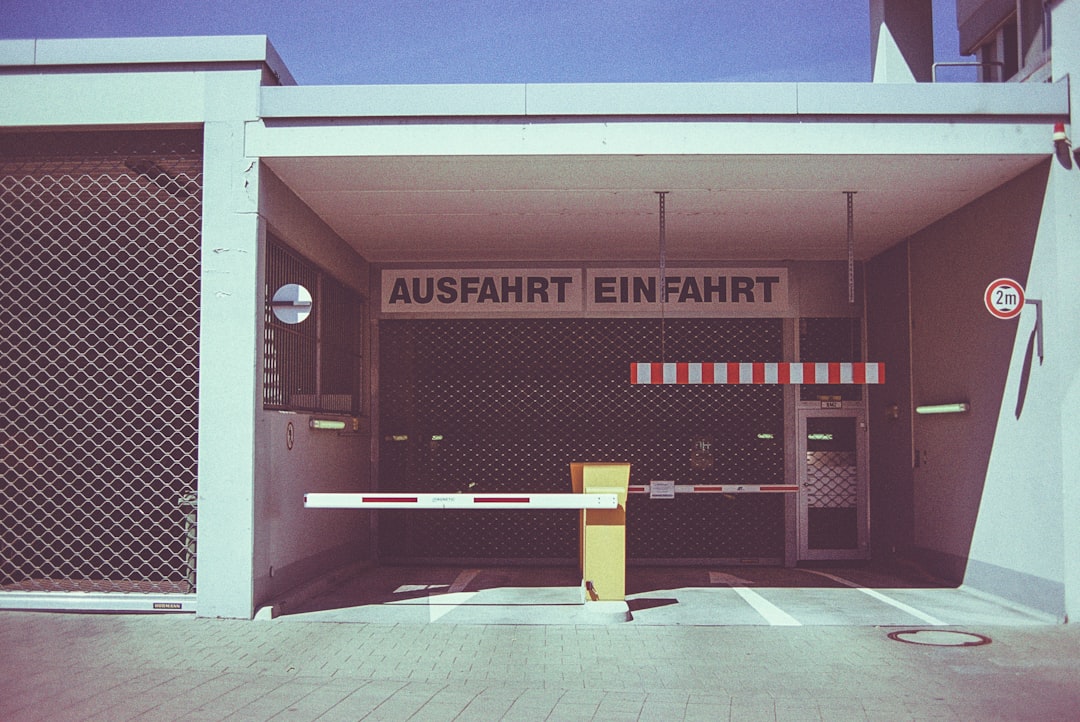
If you visit Germany and make plans for Sunday without understanding the realities of German Sunday culture, you’re going to run into a wall. Literally. The grocery stores will be closed. Most restaurants will be closed. Shopping centers will be dark. Gas stations might be open, but regular stores will be shuttered. This isn’t accidental or temporary—it’s intentional, protected by law, and fundamentally important to German culture.
Welcome to understanding the German Sunday, or as Germans call it, “Ruhetag” (the day of rest). What seems like an inconvenience to tourists is actually one of the most fiercely protected aspects of German life, and understanding why reveals something profound about German values.
Ruhetag: The Legal Day of Rest
Germany has what’s called “Ruhetagsgesetz” (rest day laws) that protect the right to a full day off. These laws dictate which businesses must close and when, creating a situation where Sunday—and sometimes Saturday evening—becomes genuinely closed to most commercial activity.
The origins are partially religious (Christianity, with Sunday being the Sabbath) but also fundamentally practical and philosophical. Post-WWII Germany, informed by worker-protection movements and tired of exploitation, decided that everyone deserved one genuinely protected day of rest. Not optional. Not negotiable. Protected.
These laws vary somewhat by state (Bundesland) but the principle is consistent: retail shops, groceries, and most service businesses must be closed on Sundays. Certain essential businesses (pharmacies, train station shops, gas station shops, some restaurants) are exempt, but the principle is clear—Sunday is protected as a day off.
The law isn’t about religion exclusively (though religious tradition supported it). It’s about the radical idea that workers have the right to a completely free day, not just some hours off. That employers can’t schedule you. That you can actually rest.
The Sonntagsspaziergang (Sunday Walk)
So what are Germans actually supposed to do on Sunday if the stores are closed and you’re not supposed to work?
The answer is built into the culture: the Sonntagsspaziergang, or Sunday walk.
This isn’t a modern invention. This is a tradition that’s been part of German culture for generations. On Sunday, German families and friends go for leisurely walks. Long walks. Sometimes hours-long walks. Through forests, along rivers, in parks, through countryside.
The point isn’t exercise (though that’s a benefit). The point is time. Intentional, unrushed time to be outside with people you care about, without the pressure of getting anything done or going anywhere specific.
If you’re in Germany on a Sunday, you’ll notice certain places crowded: parks, forests, riverside paths, outdoor cafés. This is the real Sunday activity—people taking time to walk, chat, enjoy nature, and be present.
This practice has become so embedded in German culture that people speak of the Sonntagsspaziergang with genuine affection. It’s not something Germans do reluctantly. It’s something they actually value and plan for.
Kaffee und Kuchen: The Sacred 3-4 PM Tradition
If the Sonntagsspaziergang is the physical activity of Sunday, Kaffee und Kuchen (coffee and cake) is the social activity.
Between 3-4 PM on Sundays, Germans gather—families, friends, groups—for coffee and cake. Not dinner. Not a snack. Specifically, coffee and cake. This is a tradition that remains genuinely popular, and if you’re invited to Kaffee und Kuchen, you’re being included in something culturally significant.
The setup is usually simple: strong coffee (often espresso-based), a slice of cake (often homemade, sometimes from a Konditorei—pastry shop), maybe a small piece of bread, chocolate, or biscuit. The timeframe is fixed—afternoon, usually 3-4 PM.
For families, this might happen at home. For larger groups, this happens at a café or Konditorei. The point is the gathering, the ritual, the time together without the pressure of a full meal preparation.
If you encounter an invitation to Kaffee und Kuchen, accept if you can. It’s genuinely pleasant, and it’s a window into how German families actually spend their time together. The cake is usually excellent, the coffee is real, and the conversation usually centers on the week that’s just finished and plans for the week ahead.
Why Germans Fiercely Protect This
This might seem quaint to some travelers, but Germans are genuinely protective of Sunday. Attempts to relax Ruhetagsgesetz encounter serious resistance. Politicians who suggest longer shopping hours on Sundays aren’t being progressive—they’re being seen as hostile to quality of life.
Why? Because Germans learned something hard during the industrial revolution and again during the 20th century: when you don’t protect rest, people don’t rest. They work constantly. They burn out. Families disconnect. Culture suffers.
So Germany decided that everyone—workers, shop employees, service workers—deserves Sunday completely off. Not most of it. All of it.
This isn’t about religion for most Germans. It’s about deliberately choosing a culture where money and consumption take a backseat to rest, family time, and being present.
If you listen to Germans talk about this, they’re often fierce about protecting it. Sunday isn’t seen as an inconvenience. It’s seen as a value worth maintaining. There’s actually pride in the idea that Germany chose economic efficiency and economic output as less important than everyone having a genuine day of rest.
The Saturday Evening Grocery Store Panic
Here’s the practical consequence: if you’re not prepared for Sunday closures, Saturday evening turns into what Germans jokingly call “Samstag-Panik” (Saturday panic).
Late Saturday morning and afternoon, grocery stores get genuinely crowded as people buy everything they might need for Sunday. If a Sunday breakfast meeting or meal is planned, the groceries need to be purchased Saturday.
This also extends to restaurant planning. Restaurants know Sundays bring family gatherings and Kaffee und Kuchen traditions, so they manage capacity accordingly. Some close on Sunday evening. Others have specific Sunday hours.
As a traveler, this teaches you something important: plan your Sunday the night before. Buy groceries Saturday evening if you want Sunday meals. Make restaurant reservations in advance. Don’t assume services will be available Sunday just because they’re available other days.
What IS Open on Sunday
You’re not completely cut off on Sunday. Certain things remain available:
Bakeries are often open Sunday morning—briefly, usually until noon. This is when you can get fresh bread and pastries for breakfast. This is about the most important Sunday exception, because fresh bread on Sunday morning is genuinely part of German Sunday tradition.
Gas stations often have small shops open 24/7, which means you can buy snacks, drinks, and basic supplies during Sunday if absolutely necessary.
Train station shops are usually open, though they’re pricey.
Some restaurants and cafés are open, particularly those focused on Kaffee und Kuchen or family gatherings.
Tourist sites and attractions usually operate on Sunday schedule, though hours might be different than weekdays.
Parks, nature areas, and public spaces are always open, which is kind of the point.
How to Plan Around Sunday Closures
Plan your meals the night before. Decide what you’re eating Sunday, and buy it Saturday if you need prepared foods.
Embrace the walk. Instead of being frustrated that stores are closed, do what Germans do—go for a walk. Pick a nice area, plan a route, and enjoy it. You might find you actually love it.
Make restaurant reservations ahead. If you want a specific restaurant for Sunday dinner, book it Saturday.
Go to a coffee and cake place for afternoon. Even as a traveler, this tradition is genuinely pleasant. Find a decent Konditorei, order coffee and cake, sit for an hour. Watch German families doing the same thing.
Use Saturday evening. Stock up on groceries, buy anything you might need. Many stores stay open late Saturday.
Be flexible. If you can’t get exactly what you wanted, eat something different. This is part of the experience.
Consider it a gift, not a curse. Seriously. You’re being forced to take a break. You’re being prevented from rushing around and checking things off a to-do list. You’re being invited into a rhythm that prioritizes presence over productivity. That’s actually kind of nice.
Why You Might Actually Grow to Love It
Here’s what happens if you stay in Germany for a while: you start appreciating Sunday.
You realize how constant the pressure to be productive and available usually is. You notice that Sunday actually forces you to slow down, to spend time with people, to walk and think and not be consuming.
Many long-term expats in Germany come to genuinely value the Sunday structure. They talk about missing it when they leave.
Some describe it almost spiritually—not in a religious sense, but in the sense that it’s an enforced rhythm that centers on what actually matters: rest, presence, connection, and time.
It’s the opposite of the 24/7 economy. It’s radically old-fashioned. And in a world that’s increasingly always-on, it’s weirdly refreshing.
Sunday at Different Times of Year
Sunday character varies by season:
Winter Sundays (November-February) are darker and colder, which means the Sonntagsspaziergang is shorter but often leads to hot chocolate or coffee afterward. Kaffee und Kuchen happens indoors, usually with family.
Spring and Fall Sundays are probably ideal for the full experience—weather is pleasant for walks, and there’s natural daylight.
Summer Sundays are often spent at outdoor pools, lakes, rivers, or beer gardens, which have their own social culture.
The Broader Cultural Point
What you’re really learning about when you encounter the German Sunday is a fundamental set of values: that rest is important, that family time is important, that there’s more to life than consumption and productivity, and that it’s okay to deliberately structure society to protect these things.
This is a deliberate choice Germany made, and Germans defend it because they believe it creates better quality of life. Whether you agree or not, it’s worth understanding and respecting.
The Bottom Line
German Sundays aren’t an obstacle to your travel plans—they’re an invitation to experience a different rhythm. Plan around the closures, embrace the walk, enjoy the coffee and cake, and notice how it feels to have a day where you’re actually discouraged from rushing around and doing things.
By Monday, you might find yourself wishing more countries protected Sunday the way Germany does.
You’ll definitely understand why Germans defend these laws so fiercely. They’re not being conservative or backward. They’re protecting something precious: the right to rest.
That’s worth closing the stores for.




Leave a Reply