If there’s one thing that will mark you as a tourist in Italy faster than a fanny pack and a selfie stick, it’s ordering a cappuccino after breakfast. I learned this the hard way during my first morning in Rome, when I confidently ordered a large cappuccino at 10:30 AM from a café near the Colosseum. The barista didn’t say anything. He just… looked at me. A look that said, “You beautiful, confused foreigner, what have you done?”
Welcome to the world of Italian coffee culture, where rules that seem arbitrary to outsiders are actually sacred laws that have governed Italian life for generations. Understanding these rules isn’t just about avoiding judgment (though that matters). It’s about understanding something fundamental about how Italians see the world: efficiency, tradition, and the idea that there’s a right way and a wrong way to do things.
The Morning Law: Milk Only Until 11 AM
Let’s start with the cardinal rule, the one that every guide says but most travelers still get wrong: cappuccino, latte, and milk-based coffee drinks are breakfast drinks only. In Italy, milk drinks are for the morning — specifically, the first few hours after waking up. By 11 AM, the window slams shut. After that, you’re in espresso territory until dinner.
The reasoning is actually rooted in Italian digestive logic. Italians believe that milk in coffee is heavy and intended to sustain you through the morning. Adding milk to an afternoon coffee would be like adding cream to your evening digestivo — it doesn’t make sense. The milk sits in your stomach. You wouldn’t want that.
This isn’t a strict hard line that disappears at 11:00:01 — the culture is more relaxed than that. But order a cappuccino after lunch in a busy Roman café, and you’ll get looks. In a small-town bar in Tuscany, the barista might actually try to steer you toward something else.
American and British tourists often struggle with this rule because they’ve been trained by Starbucks to get whatever milk-based drink they want whenever they want it. But in Italy, you’re not at Starbucks. You’re in a culture that sees the coffee ritual as something with structure, rules, and purpose.
The Coffee Menu: What Actually Gets Ordered
Here’s what you’ll actually hear Italians ordering at the bar, and what each drink looks like:
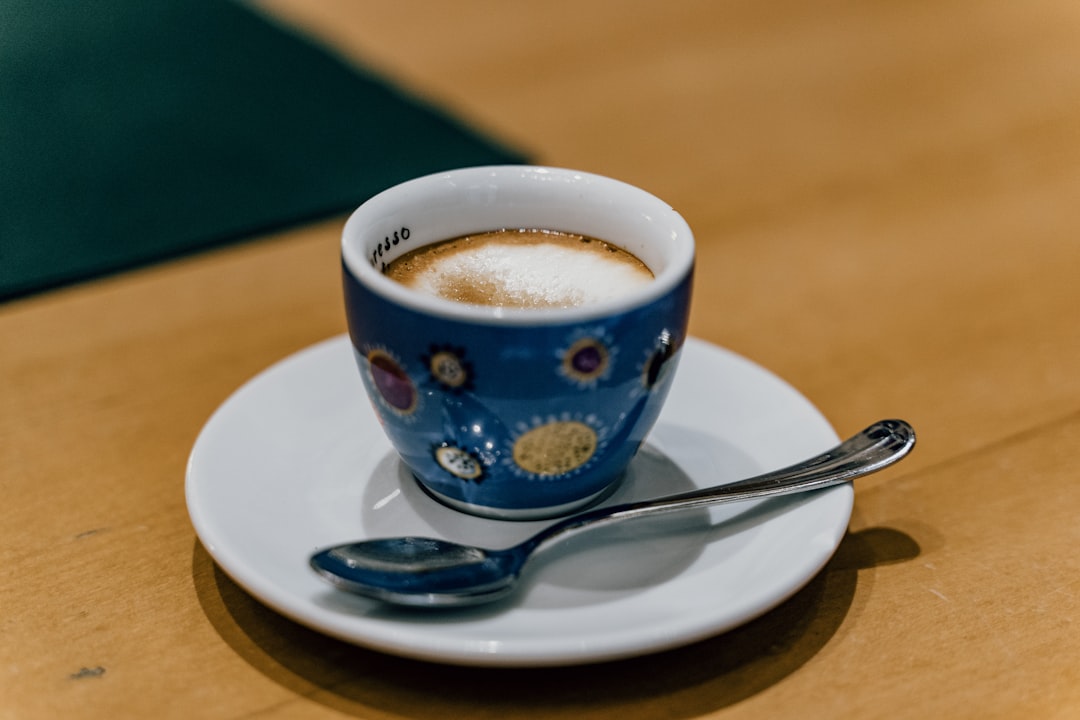
Caffè — This is the basic espresso. Small, intense, around 30ml. It’s what most Italians drink throughout the day. You order it by saying “un caffè” and expect it within seconds.
Cappuccino — Equal parts espresso, steamed milk, and milk foam. Smaller cup than you’re used to. The whole thing should take about 30 seconds to drink.
Macchiato — A single espresso with just a dash of milk (literally “marked” with milk). Often confused with cappuccino by tourists. This is smaller than a cappuccino and heavier on the espresso.
Caffè Lungo — A regular espresso with a bit more water. Less intense than a straight caffè, but still no milk. This is a good afternoon option if you want something bigger than an espresso but not a full milk drink.
Caffè Corretto — An espresso “corrected” with a shot of grappa, brandy, or liqueur. Usually an after-lunch thing, especially in the south. It’s meant to aid digestion.
Shakerato — During summer, this is your savior. A cold espresso shaken vigorously with ice and sugar until it’s creamy, then poured into a glass. It’s refreshing and elegant. You’ll see it everywhere from June through September.
Marocchino — A small cup with espresso, cocoa powder, and milk. It’s more popular in southern Italy. Think of it as a tiny, sophisticated hot chocolate-espresso hybrid.
Most Italians will order a single espresso and drink it in 30 seconds while standing at the bar. If they want something bigger, they’ll get a lungo. If it’s breakfast, a cappuccino. The idea of nursing a drink for 20 minutes or carrying it around town simply doesn’t compute in Italian coffee culture.
The Stand-at-the-Bar Ritual
Here’s another fundamental rule: you stand at the bar. You don’t order from a table and wait for someone to bring it to you. You go to the bar, order quickly (Italians have perfected the art of quick, efficient orders), and consume it immediately.
Why? Partly because sitting down costs significantly more. Prices at Italian coffee bars are roughly 30-50% cheaper when you drink at the bar versus sitting at a table. A caffè at the bar might be 80 cents. The same coffee at a table could be 2 euros. This isn’t because the service is bad; it’s just how it works.
But it’s also cultural. The bar is where you see neighbors, make deals, gossip, and maintain your place in the community. It’s where a businessman might bump into someone he hasn’t seen in years. It’s where old men discuss politics while their espresso cools. The speed and efficiency of the drink service is actually part of the charm — you’re in and out, but you’re part of something.
As a tourist, standing at the bar with your cappuccino for two minutes and drinking it while chatting with the barista about the weather is perfectly acceptable and actually quite charming. Ordering an espresso at the bar and then moving to a table? That’s the move that gets you judged.
The Price Structure and the Sit-Down Tax
I mentioned the price difference, but it’s worth understanding this more deeply because it’s genuinely confusing to visitors. When you order at the bar, you pay one price. If you sit down, you pay more. This is called the “tavoli” charge (table tax), and it’s perfectly legal and universal.
You’ll notice the price board usually has two prices listed: “al banco” (at the bar) and “ai tavoli” (at the table). The difference can be significant, especially in major tourist areas. In a Venice café near St. Mark’s Basilica, you could pay 15 euros for a cappuccino at a table but 1.50 euros at the bar.
This isn’t a tourist trap or a scam. It’s how Italian cafés operate. You’re paying for the real estate of the seat, the service of someone bringing it to you, and the right to sit for however long you want. At the bar, you’re paying for the product.
Understanding this eliminates a lot of frustration. Many travelers sit down at a café without checking the price, order coffee, and then feel shocked at the bill. Check the price board first, or ask. Most bars will have it clearly posted.
Why Starbucks Failed (and Why It Still Struggles)
When Starbucks came to Italy, everyone assumed it would dominate. The company was hugely successful everywhere else. But Italy is where Starbucks has repeatedly struggled to gain traction, especially in major cities.
Part of this is snobbery — Italian coffee is better, and Italians know it. An Italian espresso is incomparable to Starbucks’ burnt, over-extracted version. But the deeper reason is cultural. Starbucks asked Italians to do everything wrong: sit down with a massive drink, stay for hours, add flavored syrups, don’t finish quickly. In Italy, you don’t want to sit in a Starbucks. You want to be in your neighborhood bar where the barista knows your name.
Starbucks has opened in Italy (there are locations in Rome, Milan, and major tourist centers), but they’ve never achieved the dominance they have elsewhere. Italians simply don’t want what Starbucks is selling. They have something better.
Regional Variations: Naples and the Exception to Every Rule
If Italy has a coffee capital, it’s Naples. Neapolitan coffee culture is intense, almost obsessive. The coffee is stronger, the ritual is more formal, and the standards are higher.
In Naples, espresso is more of a religion. It’s served in small cups at exactly the right temperature. The water quality matters. The roast matters. There’s a reason that Italian espresso culture as we know it was largely shaped by Neapolitan traditions.
If you’re in Naples and you order a cappuccino after 11 AM, no one will say anything, but there’s a cultural weight to it. The city takes its coffee seriously. This is where espresso was perfected, and Neapolitans are proud of it.
Southern Italy in general has stronger coffee traditions. In Sicily, you might see a granita (cold coffee with whipped cream) for breakfast. In Calabria, the coffee might have even more oomph than in Naples. The closer you get to the Mediterranean, the more intense the coffee culture becomes.
The north has slightly more relaxed rules (though not by much), and Turin, which invented the aperitivo, has its own coffee traditions intertwined with that culture.
The Barista Relationship
In your neighborhood bar, the barista knows what you’re going to order before you order it. This is the ideal Italian café relationship. Regular customers have a bond with their barista. It’s not deep or personal, but it’s real. The barista asks how your wife is doing. You ask about their teenage son’s soccer games.
As a tourist, you won’t have this relationship, but you can participate in its spirit. Be polite. Say “buongiorno” when you enter and “grazie” when you leave. Don’t snap your fingers or be demanding. Italian service culture is built on mutual respect, not subservience.
If you want the same coffee every morning during your week-long stay, you can absolutely develop a tiny version of this relationship. By day three, the barista will probably recognize you and have your drink ready before you order it.
The Takeaway Cup Problem
One more rule: Italian coffee bars don’t really do takeaway cups. They’ll give you a plastic cup if you ask, but there’s a reason the coffee culture revolves around standing at the bar. The drink is meant to be consumed quickly, in the moment, not transported around the city.
If you want to carry your cappuccino to the Colosseum, you can. The barista will give you a cup. But you’re doing it wrong, and you’re missing the point. The ritual is the point.
Final Thoughts: Coffee as Culture
Italian coffee rules aren’t arbitrary. They’re expressions of values about efficiency, tradition, community, and the idea that there’s a right way to do things. They’re also increasingly being broken by younger Italians who’ve been influenced by global café culture, but the traditional rules still hold strong in most of the country.
By respecting these rules — or at least understanding them — you’re not just avoiding awkward moments with baristas. You’re participating in a culture that’s been perfected over 150 years. You’re drinking coffee the way Italians have decided coffee should be drunk.
And honestly? Once you fall into the rhythm of it, once you order a quick espresso at the bar and drink it while reading La Repubblica, once you understand the satisfaction of a perfectly executed morning ritual, you’ll get it. You’ll understand why Italians are so protective of their coffee culture. It’s not about the coffee. It’s about how coffee fits into a life lived well.




Leave a Reply