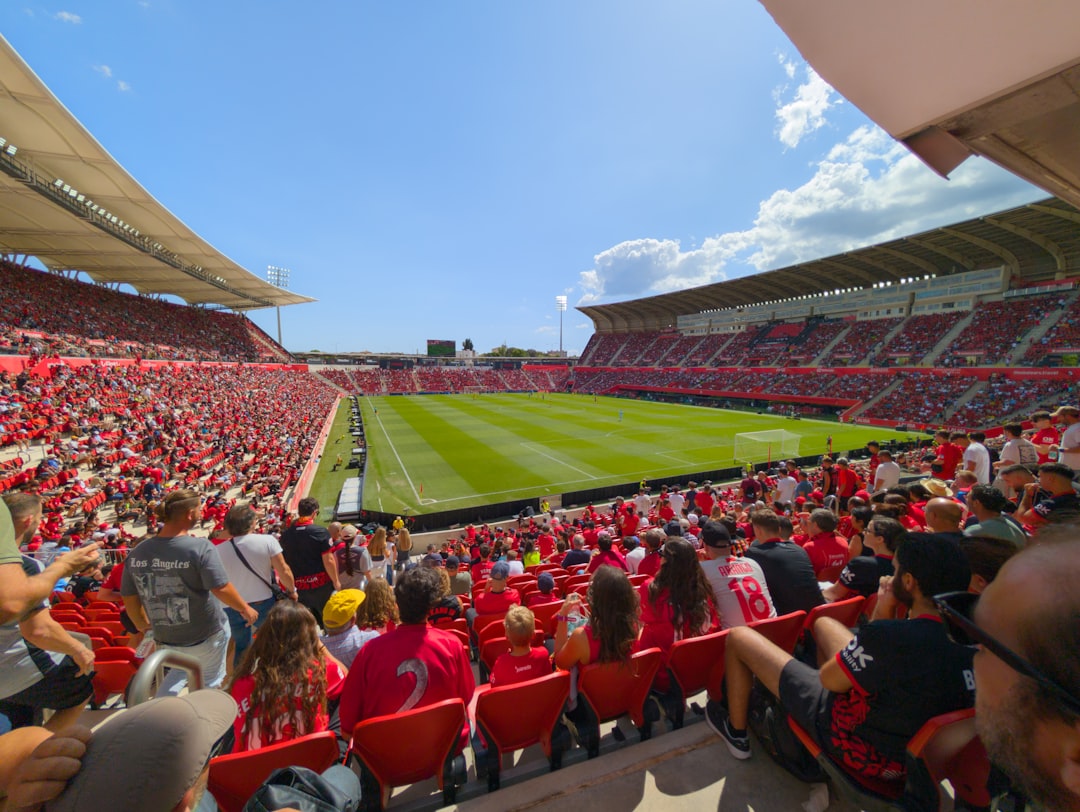
On a Saturday afternoon in Milan, the city divides itself. One half wears the red and black stripes of AC Milan. The other half wears the blue and black of Inter Milan. The tension is palpable. Families are split. Business partners don’t speak for a week. A goal isn’t just a goal — it’s validation of your worldview.
This is calcio. Football. And in Italy, it’s more than a sport. It’s passion, identity, loyalty, and theater all compressed into 90 minutes on a field. If you want to understand Italian culture, you need to understand what football means to Italians. It’s not just how they spend their time; it’s how they understand themselves.
The Tifosi: Ultras and Organized Passion
The heart of Italian football culture isn’t the players or the coaches. It’s the tifosi — the fans, and particularly the ultras, the organized fan groups who sit in the stands and create the spectacle that is Italian football.
Italian ultras are in a league of their own. They’re organized like armies. They coordinate choreography. They design elaborate banners that sometimes require 30 people to hold. They sing coordinated chants for 90 straight minutes. They create an environment that is simultaneously intimidating, beautiful, and slightly terrifying.
Watch a derby at the San Siro (Milan’s stadium, shared by both AC Milan and Inter) and you’ll see organization that would impress a military commander. The tifosi stand the entire match. They sing complex songs with multiple verses. They time their chants and their choreography. When a goal is scored, the organized sections of the stadium perform pre-planned celebrations. It’s not spontaneous; it’s rehearsed, coordinated, and perfect.
This isn’t unique to Milan. Every major Italian club has organized ultras. AS Roma has their Giallorossi ultras. Juventus has theirs. Napoli has their famous ultra culture. Fiorentina, Lazio, Atalanta — all have strong organized fan groups.
The ultras are so important to Italian football culture that many matches feel empty without them. The energy, the songs, the choreography — that’s what makes Italian football Italian.
The Rivalries: Derbies and Feuds That Last Generations
If you want to understand the intensity of Italian football, watch a derby — a match between rival teams from the same city. The biggest derbies are:
The Derby della Madonnina (Milan Derby): AC Milan vs Inter Milan. “Madonnina” refers to the statue of the Madonna on top of the Milan cathedral. Both teams play in the same city, often in the same stadium. The rivalry is civil compared to other derbies, but it’s still intense. Families are divided. Business is disrupted.
The Derby della Capitale (Rome Derby): AS Roma vs Lazio. This is more complex than Milan. It has class overtones (Roma historically represents the working class; Lazio represents the right-wing, more establishment side). The rivalry is deeper and more ideological than pure sport.
The Derby del Sud (Southern Derbies): Napoli vs other teams in the south. Napoli vs Salernitana is particularly intense. These derbies have their own flavor — louder, more theatrical, less organized in some ways but more passionate.
Other Historic Rivalries: Juventus vs Fiorentina, Fiorentina vs AS Roma, Napoli vs Juventus.
These rivalries can last lifetimes. Children grow up in support of their family’s team. Changing allegiance is not just switching teams; it’s betraying your family and community. Italian football fans will tell stories of generations of their family supporting the same team.
Serie A: The League and Its Politics
Serie A is the top division of Italian football. It’s the most popular domestic league in Italy and one of the best-regarded leagues in the world. But it’s also a political battleground.
For years, Juventus (based in Turin, in the north) dominated Serie A, winning multiple consecutive scudettos (the Serie A title, represented by a shield with the Italian flag). This dominance bred resentment. Juventus is Turin’s team, and Turin is wealthy, industrial, northern. The perception was that money and power were concentrated in the north.
This changed in the 2020s. Inter Milan won the title, then AS Roma has been competitive again, Napoli had a historic season. The league has become more competitive, which has pleased fans in other cities.
But the political dimension remains. How revenue is distributed, which teams get prime time slots, which clubs receive favorable referee decisions — these are all subject to intense scrutiny and passionate debate. Italian football fans are not passive consumers; they’re engaged critics analyzing every detail.
Calcio Storico: The Most Brutal Sport You’ve Never Heard Of
If you want to understand the intensity of Italian passion for football, you need to know about calcio storico — historic football. It’s a sport that combines football, rugby, and full-contact fighting in an officially sanctioned event in Florence.
Calcio storico is played in period costumes in the Piazza Santa Croce. Teams representing different neighborhoods of Florence compete in a tournament-style competition. The rules are simple: move a ball from one end of the field to the other, and you can do almost anything to prevent the opposing team from doing the same.
This means tackles that would be red cards in modern football are legal. Punches are thrown. Players get injured regularly. It’s brutal and medieval (which is kind of the point — it’s meant to recreate historical Florentine football).
Games are intense, physical, and often result in actual injuries. Fans are passionate, well-dressed (it’s Tuscany, after all), and invested. Players train for months. It’s a legitimate sport with real stakes.
Calcio storico represents the historical roots of Italian football passion and shows that this intensity has deep historical roots. Modern football is just the latest iteration of something that’s been core to Italian culture for centuries.
The Theatrical Element: The “Tuffo”
One of the most distinctive elements of Italian football is the theatrical diving. In Italian, it’s called the “tuffo” — the dive. Italian players are famous for exaggerating contact, falling dramatically, and appealing to the referee as if they’ve been mortally wounded.
This isn’t unique to Italy, but Italians have elevated it to an art form. The perfect dive involves maximum drama, complete loss of balance, and an immediate appeal to the referee. It’s not necessarily cynical; it’s understood as part of the sport.
Italian fans appreciate good diving the way they appreciate any skillful performance. A perfectly executed dive that convinces the referee might get an appreciative cheer even from the opposing fans. It’s theater. It’s part of the game.
For English or American viewers, this can be frustrating. For Italians, it’s entertainment. The game is understood as theatrical performance as much as pure athletic competition.
The Tactics: Catenaccio and Defensive Excellence
Italian football is known for defensive excellence and tactical sophistication. The classic Italian system was “catenaccio” — a defensive formation pioneered by coaches like Helenio Herrera. The idea was to defend well, absorb pressure, and score on counterattacks.
For decades, this was the Italian way. Defense first. Let the opposition attack; then punish them on the break. It’s not flashy, but it’s effective. And it’s distinctly Italian — defensive, disciplined, systematic, almost Machiavellian in its willingness to bore and frustrate for 90 minutes to achieve victory.
Modern Italian football has evolved. Teams play with more attacking intent. But even today, if an Italian team is losing late in the match, they’ll likely focus on organization and defense rather than throwing caution to the wind. The defensive mentality is still there.
Watching Calcio: The Experience
If you’re in Italy during the football season (August to May, with a winter break), you should absolutely try to watch a match. Here’s how to do it well:
At the Stadium: Buy a ticket and go. The atmosphere at an Italian stadium is intense and memorable. Just be aware of a few things: it might be loud, it might be overwhelming if you’re not expecting it, and some stadiums have separated sections for rival fans to prevent violence.
In a Bar: This is often the best experience for a visitor. Find a bar in a neighborhood that supports one team, go during a match day, and watch with locals. You’ll experience the passion without the risk of getting caught in stadium violence. The energy is incredible.
Choose the Right Match: A derby is more intense than a regular league match. A match with playoff implications is more intense than a meaningless match at the end of a season. Plan around important games if you can.
Understand the Stakes: Before you go, learn about the rivalry and the current standings. Understand why this match matters. That context will make the experience significantly more meaningful.
The International Stage: The Azzurri and World Cup Glory
While club football is the everyday passion, international football is the occasion for national pride. The Italian national team, known as “gli azzurri” (the blues) for their blue jerseys, has won the World Cup four times (1934, 1938, 1982, 2006).
The World Cups of 1982 and 2006 were particularly important. In 1982, Italy recovered from an early loss to win the tournament, with Paolo Rossi scoring crucial goals. In 2006, Italy won with a defensive, organized performance that epitomized Italian tactical football.
The World Cup has a different flavor than club football. It’s about national pride. Streets are filled with flags. The whole nation comes together. Matches are watched even by people who don’t normally watch football.
The Players: From Heroes to Villains
Italian football has produced some of history’s greatest players: Pelé (imported from Brazil), Diego Maradona (Napoli, 1984-1991), Francesco Totti (AS Roma for life), Andrea Pirlo, Gianluigi Buffon, and many others.
The relationship between Italian fans and their players is intense. A player is either a hero or a villain, often depending on their politics, personality, or association with a rival club. There’s no neutrality.
The late retirement of players like Francesco Totti and Gianluigi Buffon — both playing well into their late 30s — showed how deeply embedded great players become in Italian football culture. Totti spent his entire career with AS Roma, becoming not just a player but a symbol of the city.
The Dark Side: Violence and Ultras
It’s important to acknowledge that Italian football has a dark side. There have been incidents of violence between ultra groups. Racism has been an ongoing problem. There have been tragic deaths associated with fan violence.
The ultras are passionate, but that passion can sometimes turn violent. Stadium segregation exists to prevent confrontations. Police presence is heavy at major derbies. The atmosphere can be hostile.
As a visitor, you’re unlikely to experience violence. You’ll be neutral, and ultras generally don’t target tourists. But you should be aware that Italian football passion can have a dangerous edge.
The Cultural Meaning
So why does Italian football matter so much? It’s partly because it’s a beautiful sport played skillfully. It’s partly because of tradition and history. But it’s also because football gives Italians a way to express passion, identity, and belonging.
In a country where regional divides are real and significant (as we’ll discuss in another article), football clubs provide a different kind of identity. Your neighborhood, your city, your region — these are represented on the football field. Supporting your team is supporting your place in the world.
The tifosi, the derbies, the ultras, the choreography — these create community and belonging. They’re theatrical, passionate, intense, and totally Italian. They express something about how Italians understand loyalty, drama, and the importance of showing up publicly for what you believe in.
Final Thoughts
If you have the chance to watch a football match in Italy — whether at a stadium or in a bar filled with passionate fans — take it. You’ll understand something about Italian culture that no guidebook can teach you. You’ll see passion, organization, history, theater, and community all combined into 90 minutes of football.
And maybe, just maybe, you’ll understand why, in Italy, calcio isn’t a sport. It’s a religion.




Leave a Reply