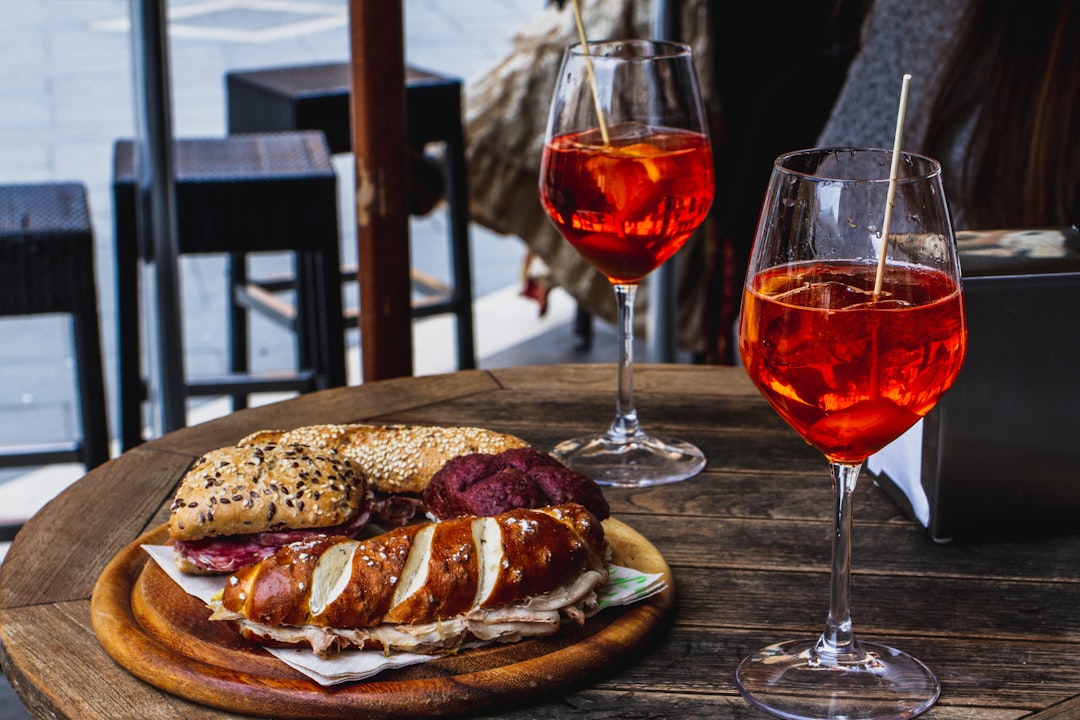
It’s 6 PM in a small neighborhood bar in Milan. The after-work crowd has started drifting in — office workers in blazers, young professionals, couples. Everyone orders a drink: a Spritz, a Negroni, a glass of Prosecco. And then, without anyone asking, the bartender places a small plate on the counter next to their drink. On it are olives, nuts, maybe some bread with cheese or prosciutto.
No one ordered this. It’s not an appetizer you requested. It’s complimentary. It comes with the drink. This is the aperitivo — one of Italy‘s greatest cultural contributions to the world, and a ritual that reveals something essential about how Italians approach time, pleasure, and community.
The History: From Turin Innovation to Nationwide Tradition
The aperitivo tradition originated in 19th-century Turin, in northern Italy. The word “aperitivo” comes from Latin “aperire” (to open), literally meaning something that opens the appetite before eating.
In the 1700s-1800s, Turin was developing as an industrial center with wealth and a cosmopolitan culture. Merchants and businessmen would gather in cafés in the late afternoon. Someone — the history is murky but the most famous story credits Giovanni Giacomo Carpano, who invented Carpano vermouth — realized that a light alcoholic drink combined with light snacks would appeal to the after-work crowd.
The combination of vermouth (a fortified wine infused with herbs and spices) and sparkling wine or other light drinks became popular. Soon, café owners realized that if they offered light snacks with these drinks, people would stay longer, buy more drinks, and spend money. The aperitivo was born.
From Turin, the tradition spread throughout Italy. Each city developed its own style. By the 20th century, aperitivo was an established ritual throughout the country.
The Ritual: How Aperitivo Actually Works
The aperitivo happens in the late afternoon, typically between 5:30 PM and 8 PM, depending on the season and the city. It’s that time after work when you need to transition from the office to evening, but dinner isn’t for another couple of hours.
You go to a bar. You order a drink. Depending on the bar, you might pay 6-15 euros for the drink. And then you get the snacks — the complimentary spread that comes with the drink.
The Drinks:
- Aperol Spritz: The most famous aperitivo drink globally. Prosecco (sparkling wine), Aperol (a light orange liqueur), and soda water. It’s refreshing, not too strong, and the signature color is brilliant orange.
- Negroni: A cocktail made from gin, Campari (a bitter liqueur), and vermouth. It’s more intense than a Spritz. The flavor is bold and slightly bitter.
- Campari Spritz: Similar to an Aperol Spritz but with Campari instead of Aperol, making it more bitter.
- Prosecco or Sparkling Wine: Some people just drink Prosecco or other sparkling wine, which is lighter and cheaper.
- Vermouth and Wine: In some places, a simple glass of white wine or vermouth is popular.
- Select or Stock Spritz: Some regions prefer a lighter aperitif liqueur like Select or Stock instead of Aperol.
The choice of drink depends on personal preference, region, and the bar’s specialties. What matters is that it’s not too heavy (no spirits without mixers, no beer), not too expensive, and meant to be consumed in the hour before dinner.
The Snacks:
The complimentary snacks vary by bar and region, but typically include some combination of:
The snacks are never expensive or elaborate. They’re light, salty (to encourage drinking), and meant to sustain you until dinner without filling you up.
Regional Variations
The aperitivo ritual varies significantly by region:
Northern Italy (Milan, Turin, Bologna): This is where aperitivo is most elaborate and developed. In Milan, “aperitivo” can border on “apericena” (see below). The snacks are sometimes substantial. The bar scenes are sophisticated. Dress is nicer. It’s a more formal ritual.
Rome and Central Italy: Aperitivo exists but is more casual. The snacks might be simpler. The dress code is more relaxed. It’s about the drink and the people, not the scene.
Southern Italy (Naples, Palermo): In the south, aperitivo is less developed as a ritual. People are more likely to have a coffee or a sweet drink rather than an alcoholic aperitivo. When aperitivo does happen, it’s more spontaneous and less choreographed.
Coastal Towns: In seaside towns, aperitivo often happens on terraces with sea views, making it more beautiful and relaxed.
Milan is the epicenter of aperitivo culture. If you want to experience the most elaborate and sophisticated version, go to Milan. The city’s aperitivo scene is famously good, with bars competing to offer better snacks and more stylish surroundings.
Aperol Spritz: From Regional Drink to Global Phenomenon
The Aperol Spritz deserves special mention because it’s become a global phenomenon — an Italian aperitivo drink that’s now served in bars around the world.
Aperol is an Italian aperitif liqueur made from herbs, fruit, and spices. It’s light, with low alcohol content (11%), and slightly bitter. The color is distinctive bright orange-red.
The Spritz format (Aperol + Prosecco + soda water) is primarily associated with the Veneto region and northern Italy, though the Spritz itself is older. In recent decades, Aperol Spritz has become synonymous with “Italian aperitivo” globally, thanks to marketing and its accessibility.
You’ll see Aperol Spritz consumed in London, New York, and beyond. It’s become the iconic aperitivo drink, even though many Italians still prefer Negronis or other options.
The irony is that Aperol Spritz, while Italian, represents a somewhat commercialized and softened version of aperitivo culture. The traditional aperitivo experience — sitting in a good bar with friends, eating snacks, lingering before dinner — is the real ritual. The specific drink matters less than the ritual itself.
The Apericena: When Aperitivo Becomes Dinner
There’s an Italian phenomenon called “apericena” — a blend of aperitivo and cena (dinner). It’s a relatively recent development (becoming popular in the 2000s) that represents how the aperitivo ritual is evolving.
In an apericena, you go to a bar around 6-7 PM and order an aperitivo drink. But instead of light snacks, the bar offers a substantial spread of food — sometimes dozens of small dishes, similar to Spanish tapas. You spend 15-20 euros on a drink and get a full meal from the snacks.
This is particularly popular in Milan and Bologna, where apericena bars are now common. Young people love them because you can have dinner for 15-20 euros by spending it on a drink that comes with food.
Traditionalists argue that apericena is a dilution of proper aperitivo culture — it’s too focused on the food, not enough on the ritual and the drink. But practically, it’s become a popular way for young Italians to socialize and eat affordably.
How to Participate in Aperitivo As a Visitor
If you’re traveling in Italy and want to experience aperitivo:
- Find a good bar. Ask locals for recommendations. In cities, there are aperitivo bars that specialize in the ritual. Look for places that are lively around 6-7 PM.
The Best Aperitivo Bars and Regions to Experience It
Milan: The home of modern aperitivo. Go to Navigli (the canal district) or Brera (the artsy neighborhood) for good aperitivo bars. The city’s aperitivo culture is sophisticated and lively.
Bologna: Similarly good aperitivo scene, with a more relaxed Bolognese vibe. Less formal than Milan but still strong aperitivo culture.
Venice: The Veneto region is where Spritz originated. Venetian aperitivo culture is more casual but deeply rooted.
Florence: Central Italy’s aperitivo is more understated but good. Look for enotecas (wine bars) that offer snacks with drinks.
Rome: Aperitivo exists here but is less ceremonial. Still pleasant and worth experiencing.
Coastal Towns: Any seaside town will have aperitivo bars where you can drink while looking at the sea.
The Cultural Meaning
The aperitivo reveals something about how Italians think:
Time: Italians don’t see 6 PM as “get home quickly” time. It’s a moment to pause, transition, and socialize. Aperitivo is built into the day’s rhythm.
Ritual: The ritual matters as much as the drink. The regularity of aperitivo, happening at the same time every day, in the same places, with the same people often, creates order and community.
Community: Aperitivo bars are social centers. You’re not just going for the drink; you’re maintaining relationships, observing your neighborhood, being part of something.
Pleasure: Simple pleasures are valued — a good drink, free snacks, the company of others, pleasant surroundings. You don’t need luxury or expense to have a good time. You need presence and intention.
Balance: Aperitivo represents the Italian balance between work and leisure. You don’t work until 8 PM and then collapse. You work until 6, pause for aperitivo, transition to evening, then have dinner. The day is structured with these pauses.
The Global Reach
Aperitivo culture, especially in the form of Aperol Spritz, has become genuinely global. You can order an Aperol Spritz in London, New York, Tokyo, or anywhere with upscale bars.
The question is whether the global version captures the essence of the Italian ritual or just the aesthetics. A Spritz at a trendy Brooklyn bar is very different from a Spritz at a neighborhood Milano bar at 6 PM with locals. One is a fashionable drink. The other is a cultural ritual.
The best aperitivo experiences are still in Italy, in bars that are primarily for locals, where the ritual is genuine and not performed for tourists. That said, the global aperitivo movement is genuinely Italian in origin, and drinking an Aperol Spritz anywhere in the world is, in some way, participating in Italian culture.
Final Thoughts
Aperitivo is not just a drink. It’s a moment of transition, a ritual of presence, a way of marking the passage from work to evening, a reason to pause and be social. In a world of efficiency and productivity, it’s an intentionally inefficient act — spending an hour before dinner sitting at a bar with friends, eating complimentary snacks, enjoying a single drink.
If you’re in Italy and you have time, don’t skip aperitivo. Show up at a good bar around 6 PM, order a drink, eat the snacks, watch the people, and participate in a ritual that Italians have refined for over 150 years. It’s not fancy. It’s not complicated. But it’s one of the best representations of Italian values in a single ritual.
This is Italian culture at its most accessible and most human — community, pleasure, ritual, and the simple but profound act of showing up in person to be with others.




Leave a Reply