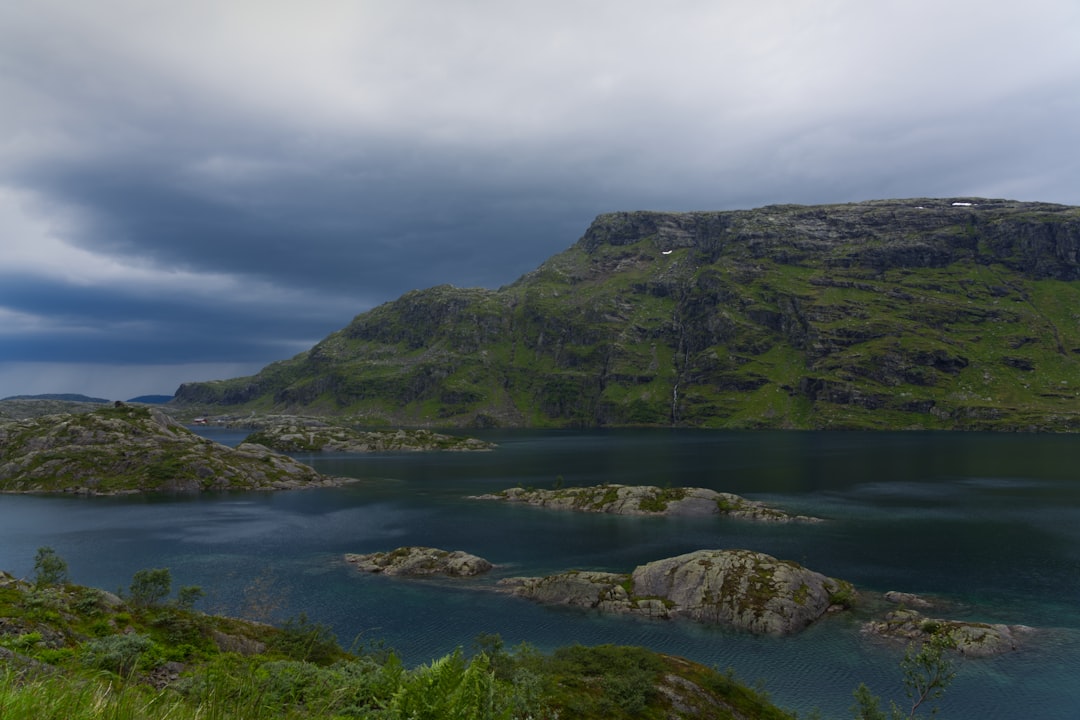
If you’ve traveled to Denmark and been subjected to the relentless promotion of “hygge” as the secret to Scandinavian happiness, you might be surprised to learn that Norwegians have their own cozy philosophy—and arguably, it’s better suited to their climate and landscape. Welcome to koselig, a concept that captures everything warm, intimate, and comforting about Norwegian life, with one crucial difference: it’s not just about candlelit evenings indoors. Koselig embraces the Norwegian obsession with finding warmth and togetherness anywhere, even in the middle of a dark forest in December.
What Is Koselig, Really?
The word “koselig” roughly translates to cozy, warm, and intimate, but like most Scandinavian wellness concepts, it’s impossible to capture fully in English. A koselig moment might be sitting with friends in a cabin on a snowy evening, the glow of a fire reflected in everyone’s faces. It could be a candlelit dinner at home. It might even be a summer evening by the sea, wrapped in blankets as the sun refuses to set. Koselig is less about the where and more about the feeling: safety, warmth, togetherness, and a sense of being completely present.
The key distinction from Danish hygge is this: while hygge is fundamentally a concept of domestic coziness—candlelight, soft furniture, hot chocolate at home—koselig is broader and more resilient. It’s the philosophy that enables Norwegians to embrace their harsh climate rather than hide from it. Hygge keeps you inside; koselig can happen anywhere.
Koselig vs. Hygge: What’s the Real Difference?
Yes, Norwegians use the word “hygge” too, and they borrowed it from Danish (much like many Scandinavian concepts have traveled between the countries). But koselig is distinctly Norwegian, and it carries different cultural weight.
Hygge, at its heart, is about creating comfort indoors. It’s the aesthetic of soft blankets, lit candles, and isolation from the cold world outside. There’s something almost defensive about it—you’re building a sanctuary against winter. Koselig, by contrast, includes that safety and warmth but extends it outward. It’s equally at home in a cabin with a roaring fire as it is around a bonfire on the beach in summer. Koselig is about human connection and finding beauty in whatever nature offers.
Think of it this way: hygge is about escaping winter. Koselig is about experiencing it together.
This philosophical difference reflects Norway‘s relationship with nature. While Danish hygge emerged from a flat, manageable landscape, koselig developed in a country of dramatic fjords, mountains, and ski trails. Norwegians learned early that you don’t conquer nature—you join it. Koselig is the warmth you create while doing so.
The Candle Connection
If there’s one object that defines koselig, it’s the humble candle. Norwegians burn more candles per capita than any other country in the world—no small feat when you consider that Sweden, Finland, and Denmark all have their own candle cultures too. Walk into any Norwegian home in winter, and you’ll find candles everywhere: on windowsills, in lanterns, clustered on the coffee table, lining the mantelpiece.
This isn’t just aesthetic. In a country where darkness descends at 3 p.m. in December, candlelight serves a psychological and practical purpose. Norwegian candles tend to be larger and burn longer than their continental counterparts, and they’re often made from tallow or high-quality wax. The flickering flame becomes a focal point—a small rebellion against the darkness outside.
Interestingly, most Norwegian candles are unscented. While Scandinavian countries have championed expensive scented candles as a luxury item, Norwegians prefer the pure, subtle aroma of burning wax. It feels more honest, somehow. More koselig.
Lighting candles is not a special occasion in Norway—it’s a daily ritual in autumn and winter. You light them when you come home from work, when you’re having dinner, when you’re reading. The act itself is koselig: the strike of the match, the bloom of warmth, the immediate change in the room’s atmosphere.
The Hytte Connection
You cannot discuss koselig without discussing the hytte (cabin), because this is where the concept truly crystallizes. For most Norwegians, the hytte is the ultimate koselig space—a place designed not for luxury but for togetherness and simplicity.
Many Norwegian cabins are deliberately primitive: no heating except a wood stove, oil lamps or candles for light, no running water, composting toilets. This isn’t poverty or hardship—it’s a deliberate choice. Norwegians who could afford modern conveniences often prefer the authenticity of a simple cabin. There’s something deeply koselig about chopping wood for warmth, boiling water on the stove, and gathering around the fire because there’s nothing else to do. The hytte strips away distractions.
This is where koselig becomes almost spiritual for Norwegians. In the hytte, surrounded by forest or mountains, isolated from the modern world, you’re forced into presence. You talk, play cards, read, sit in silence listening to the wind in the trees. You’re koselig with your family or closest friends, with no screens to mediate the experience.
Koselig in the Seasons
Summer koselig is a different animal entirely, and this is where the concept truly diverges from hygge. While Danes might find summer less hygge-appropriate (less darkness, less need for interior coziness), summer is absolutely koselig for Norwegians.
In summer, koselig happens outdoors. It’s a picnic on the mountains with friends, a bonfire by a lake, an evening spent on the terrace as the sun circles the horizon for hours. Norwegians move their koselig outside, and it’s just as valid. The principle remains the same: gathering together, slowing down, being present with people you care about. The fire might be a campfire instead of a wood stove, but the warmth—both literal and metaphorical—is identical.
Winter koselig is more dramatic. This is peiskos season (literally, “fireplace sitting”), when Norwegians intentionally gather to experience the coziness of fire, darkness, and togetherness. Candles come out. The thermostat is kept deliberately lower so the fire feels warmer. Hot chocolate, coffee, or mulled wine appears. This is the season when koselig feels almost sacred.
Peiskos: The Norwegian Art of Sitting by a Fire
While hygge has its Instagram moment, Norwegians have quietly perfected the art of peiskos—which might be the most purely koselig activity possible. The word literally means “fireplace sitting,” but it’s more profound than the translation suggests.
Peiskos is intentional. You plan for it. You set aside time, gather your people, light the fire, and then… you sit. You might read. You might talk. You might stare into the flames in silence. There’s no agenda. You’re simply being present with the fire and each other.
Peiskos happens in cabins, living rooms, and around outdoor fire pits. The more rustic the setting, the more authentically koselig it feels. The fire does the work of creating atmosphere; everything else is optional. This is why so many Norwegians maintain simple cabins with wood stoves—peiskos is the primary purpose. Everything else is secondary.
For a traveler, experiencing peiskos is understanding the Norwegian soul. Sit with a Norwegian by a fire for an hour, and you’ll understand more about the culture than you could from any guidebook.
Creating Koselig: A Practical Guide for Travelers
If you want to experience koselig while traveling in Norway, here are the essentials:
Visit a hytte. If you can, rent a cabin. Stay in one intentionally designed for simplicity, not luxury. Bring friends or family. Light a fire. This is koselig at its purest.
Embrace candles. Norwegians light them everywhere, year-round. If you’re staying in an Airbnb or hotel, ask for candles. Buy a few high-quality ones from a local shop. Use them.
Slow down. Koselig cannot be rushed. Block out time where you have nowhere to be. Sit longer over dinner. Take a walk without your phone. The point is presence.
Go outside. Don’t treat koselig as purely indoor. Find a lake, a mountain view, or a forest. Build a fire. Sit with people you care about. This is just as koselig as candlelight indoors, and it’s uniquely Norwegian.
Accept simple food and hospitality. Norwegians often pair koselig with simple fare—bread, cheese, herring, coffee. The food isn’t the point; the gathering is. Embrace the simplicity.
Conclusion: Warmth in Darkness
Koselig is how Norwegians have thrived in one of Europe’s harshest climates. It’s not escapism; it’s engagement. It’s the philosophy that transforms long, dark winters from a hardship into an opportunity for human connection and contentment.
Where hygge might whisper, “Hide inside and be comfortable,” koselig says, “Come together and be present.” It’s a subtle but profound difference, and it explains why Norwegians—despite living in darkness for half the year—report such high levels of life satisfaction.
Next time you’re in Norway, skip the hyped-up hygge narrative and discover koselig instead. Light a candle, find a fire, and sit with someone you care about. That’s when you’ll understand what it means to be truly warm in the world’s coldest country.




Leave a Reply