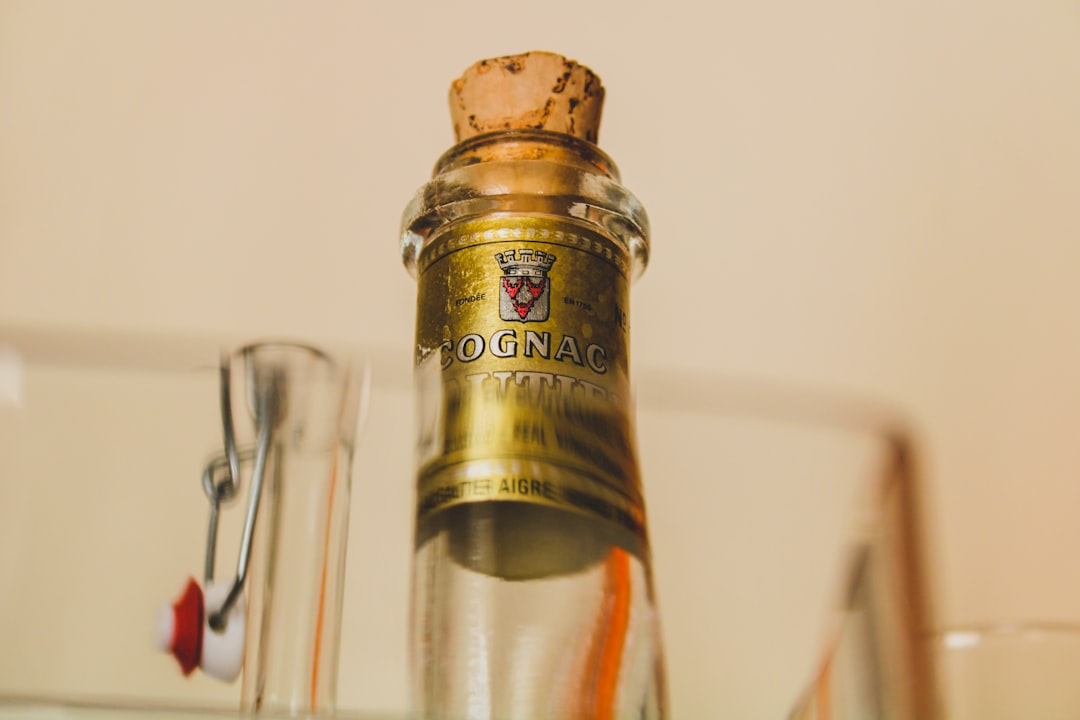
The story of vodka and Poland is a story of pride, tradition, and a 500-year argument with Russia about who invented it first. Spoiler: Poland has documentation going back to 1405. But if Russia ever becomes convinced by facts, that would be a first, so the argument will almost certainly continue until the end of time.
Polish vodka isn’t just an alcoholic drink. It’s a national symbol, a cultural practice, and a time-honored way of marking important moments, sealing friendships, and celebrating survival. To understand Polish vodka is to understand something fundamental about Polish culture itself: the insistence on quality, tradition, and the belief that some things should never be compromised or modernized.
The 500-Year Tradition: Poland’s Claim to Vodka
Poland’s relationship with vodka extends back further than most countries’ relationships with anything. The first documented mention of Polish vodka (then called “gorzałka,” meaning “the burning thing”) dates to 1405 in the court of Polish King Alexander. This was a medicinal substance—vodka was believed to have healing properties and was used in medieval pharmacology before it was a recreational drink.
The word “vodka” itself likely comes from the Slavic word “voda” (water), with the diminutive suffix “-ka,” making it “little water.” This humble name belies the drink’s importance. By the 15th and 16th centuries, vodka production had become significant in Poland. Monasteries distilled it. Nobles drank it. And gradually, it became woven into the fabric of Polish culture.
The Russian origin myth—that vodka is a Russian invention—is something Poles find both amusing and infuriating. The Russians claim to have invented it around the 14th century, but Poland’s documentation is older, more specific, and more credible. Poland has records. Russia has a story. Poland tends to bring this up whenever the topic of vodka origins arises, which is to say: frequently.
By the 17th and 18th centuries, Polish vodka was already famous across Europe. Polish nobles exported it. It became a source of national prestige. And it became, steadily and unmistakably, the drink most associated with Poland.
The Classic Polish Vodkas: Quality That Matters
Polish vodka culture is obsessed with quality, purity, and specific methods of production. Unlike many spirit traditions where innovation is celebrated, vodka is treated almost like wine—specific terroirs, specific processes, specific standards matter intensely.
Żubrówka (literally “bison grass vodka”) is perhaps the most iconic. This vodka is infused with bison grass (a specific grass that grows in the Białowieża Forest in eastern Poland) that gives it a subtle, distinctive flavor—slightly herbal, slightly sweet. It’s often served with apple juice in the drink called “żubrowka i sok” (bison grass and juice), but serious Poles drink it straight, chilled. The bottle is distinctive—wrapped in a single blade of bison grass. It’s a drink that’s impossible to fake, because there’s only one source: Poland, specifically the Białowieża Forest where the bison actually still roam.
Wyborowa is the working person’s vodka—accessible, reliable, and one of Poland’s biggest exports. It’s clean, balanced, and doesn’t try to be fancy. It’s what regular Poles drink, and it’s respected for that.
Belvedere is the luxury option—premium Polish vodka that’s won international competitions and costs significantly more. It’s made from rye and water from the Belvedere estate in Żyrardów, Poland. For special occasions, Belvedere is what you reach for.
Żołądkowa Gorzka is a herbal vodka—not infused, but a true gorzałka in the medieval sense, with medicinal herbs. It’s bitter and warming, often drunk as a digestif or mixed with herbal tea.
Each of these represents a different aspect of Polish vodka culture. There’s the poetic (Żubrówka), the practical (Wyborowa), the prestigious (Belvedere), and the medicinal-traditional (Żołądkowa Gorzka). Together, they paint a picture of a culture that takes its vodka seriously across all economic classes and occasions.
The Proper Way to Drink It: A Ritual, Not Suggestions
In Polish culture, there’s a right way to drink vodka and a wrong way. The wrong way is basically anything you might have seen in an American movie.
Vodka should be:
Chilled: Stored in the freezer. Not just cold—frozen. When you pour it, it should be nearly viscous. The flavor profile of vodka is meant to be experienced when it’s so cold it’s almost solid.
Neat: Never mixed. Not in a cocktail, not with soda, not with energy drink. Neat. In a shot glass or a small glass. This is non-negotiable.
In one motion: Drunk in a single shot, not sipped. This is a crucial distinction. Sipping vodka is not drinking vodka—it’s insulting vodka. You raise the glass, you say “Na zdrowie,” you look people in the eye, and you drink it all at once. Then you feel the burn and you eat something, which brings us to:
With food: Always, always with food. Traditionally, dark bread, herring, pickled vegetables, cheese, or any substantial food. The food isn’t an afterthought—it’s part of the experience. You drink, you eat, you drink again. This is the rhythm.
Socially: Never alone. Vodka is a social drink. You drink it with people, in moments that matter. There’s a ritual quality to it, a sense that this moment is being marked as significant.
The idea of “shots” in the American sense—rapid-fire consumption meant to get drunk—is not Polish vodka culture. Polish drinking is deliberate, social, marked by toasts and conversation. Getting drunk is not the goal. Marking a moment, sealing a friendship, or celebrating is the goal.
The Toast Tradition: “Na Zdrowie!”
“Na zdrowie” is far more than a drinking phrase. It’s an invocation of health, strength, and wellbeing. The word “zdrowie” comes from the same root as “strength.” When you say it, you’re not just toasting someone’s health—you’re toasting their resilience, their vitality, their ability to endure.
The first toast is usually offered by the most senior person present, or the host. Everyone must participate. It’s not optional. When the toast is given, glasses are raised, eye contact is made with everyone present, and then you drink. The eye contact is crucial—it establishes connection and sincerity.
At weddings, toasts can go on for hours. Different people stand, say something about the couple, and offer a toast. There’s an informal hierarchy: close family toasts first, then friends, then increasingly distant acquaintances. The toasts get longer as the evening progresses and more vodka is consumed, which creates a natural comedy—the later toasts are often more rambling and emotional, which is exactly how they should be.
In business settings, toasts are more formal but still matter. Refusing a toast is possible but noted. Accepting and participating marks you as someone who respects tradition and is willing to be part of the group.
Vodka at Weddings and Celebrations: The Lubric of Joy
At Polish weddings, vodka isn’t just present—it’s central to the entire event. The quantity of vodka is calculated per guest. This is not metaphorical. Wedding planners literally multiply the number of guests by a certain amount and order that much vodka. The assumption is that everyone will drink throughout the night, which, given that Polish weddings last until dawn, is reasonable.
Vodka appears in the toasts that happen throughout the evening—and there are many. At some point, someone will offer a toast to the bride, and everyone must drink. Then someone toasts the groom. Then the parents. Then long-lost relatives who suddenly remember they’re capable of public speaking. Each toast is a shot of vodka.
Vodka also appears in games. One traditional wedding game involves the bride and groom drinking from the same glass—vodka, not wine—in increasingly small glasses until they’re sharing a thimbleful. It’s both sweet and hilarious.
At other celebrations—birthdays, holidays, name days—vodka marks the significance of the moment. You don’t just have a meal. You have toasts. You mark the moment with the ritual of raising a glass, speaking sincerely about what the person means to you, and drinking.
The drinking itself is less about intoxication and more about the ritual. The repeated movement of raising a glass, the repeated phrase “Na zdrowie,” the repeated eye contact—it creates a sense of ceremony and connection.
The Modern Craft Distillery Renaissance
While traditional vodka production continues—Żubrówka, Wyborowa, and Belvedere are still produced according to traditional methods—Poland has also developed a thriving craft distillery scene.
Craft distilleries are experimenting with local ingredients, unusual infusions, and small-batch production. Some are returning to medieval gorzałka methods, infusing vodka with herbs and creating digestifs. Others are working with specific regional grains or potatoes. It’s a movement that respects tradition while pushing boundaries.
Young Poles are particularly interested in this. The craft movement gives them a way to engage with vodka culture that’s their own—not their grandparents’ tradition but a continuation of it, adapted for the 21st century.
You’ll find craft vodkas in specialty shops and bars in Polish cities. Some are exports, but many are local. Trying craft Polish vodkas is a way to experience the contemporary evolution of a centuries-old tradition.
Practical Information for Travelers
If you want to engage with Polish vodka culture as a visitor:
In Poland, avoid mixed drinks at bars: If a bar offers you a vodka cocktail, they’re catering to tourists. Real Polish vodka is drunk neat.
Buy a bottle to take home: Żubrówka is impossible to find outside Poland and makes an excellent gift. It’s distinctive, you can’t get it anywhere else, and it’s reasonably priced.
Accept toasts when offered: You don’t have to drink if you don’t want to, but accepting and participating shows respect for the tradition.
If you’re invited to someone’s home, expect vodka: It’s how moments are marked. Participate in at least one toast. It matters.
Learn to say “Na zdrowie”: Pronounce it “nah ZDROV-yay.” When you say it correctly with genuine intention, people light up. You’ve entered the culture.
Understand it’s not about getting drunk: Polish drinking culture is about marking moments, sealing connections, and celebrating. The goal is never intoxication—it’s sincerity and togetherness.
Conclusion: A Drink as Identity
Polish vodka is many things: a drink, a ritual, a source of national pride, a tradition stretching back centuries, and a way of marking important moments. It’s also, somehow, both entirely unpretentious and deeply serious.
The fact that Poland has been making vodka since 1405, that Żubrówka can only come from one forest, that toasts must include eye contact, that vodka must be chilled and neat—these aren’t arbitrary rules. They’re the accumulation of 500 years of a culture saying: this matters. The way we do this. The tradition. The connection it creates.
When you drink Polish vodka in Poland, in the proper way, with people who care about the ritual, you’re not just consuming alcohol. You’re participating in something that stretches back through Polish history, through wars and occupations and the survival of Polish culture itself. You’re saying “Na zdrowie” to resilience, to health, to strength.
That’s what makes it special.




Leave a Reply