Polish food has a reputation problem. It’s not famous. It’s not celebrated in the global food media the way Italian or French cuisine is. But if you’ve ever actually eaten Polish food—really eaten it, not as a rushed tourist experience—you understand that this reputation is wildly unfair. Polish food is hearty, sophisticated in its own way, endlessly varied, and absolutely delicious. It’s also, unfortunately, built on ingredients and techniques that don’t photograph well and don’t sound trendy in English.
But here’s the thing: Polish food isn’t trying to be Instagram-worthy. It’s trying to sustain you, comfort you, and make you feel like you belong somewhere warm and safe. And it does that better than almost any cuisine in Europe.
The Pierogi Universe: A Dumpling for Every Occasion
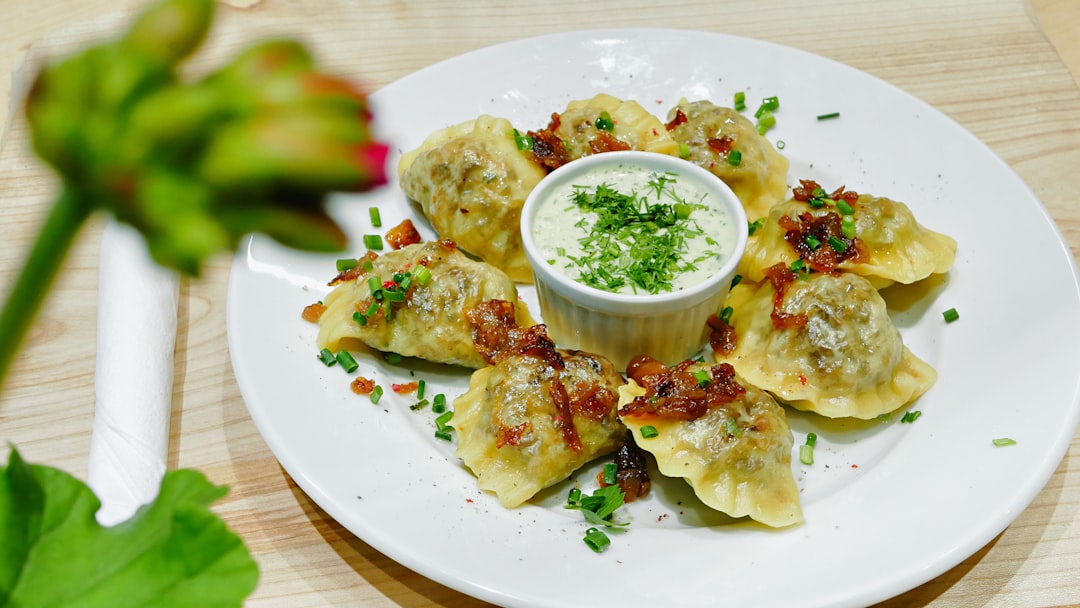
If you understand pierogi, you understand something essential about Polish food: the same basic vehicle (a dumpling made from flour, potato, and egg dough) can contain endless variations, and each one is treated with the seriousness of high cuisine.
Pierogi Ruskie (literally “Russian pierogi,” though no one knows why) are filled with potato and caramelized onion, topped with a dollop of sour cream. They’re comfort in a dumpling. The potato filling is creamy and mild. The onion is sweet and slightly charred. The sour cream adds a tang and richness. It’s a perfect balance of textures and flavors.
Pierogi Mięsne (meat pierogi) are filled with seasoned ground meat, usually pork or beef, sometimes mixed with potato. They’re hearty, savory, and substantial.
Pierogi Kapśniak (sauerkraut and mushroom pierogi) combine two classic Polish flavors—fermented cabbage and forest mushrooms. They’re slightly sour, earthy, and deeply comforting.
Pierogi Słodkie (sweet pierogi) are filled with cheese curd, blueberries, strawberries, or even plum. They’re eaten as a dessert or a snack, topped with sugar and sometimes sour cream.
The brilliance of pierogi is that they’re simple, but they’re not simple. Making good pierogi requires skill—the dough must be tender but not sticky, the filling must be balanced, the cooking must be precise. Poles are passionate about their pierogi. Families have recipes that have been passed down for generations. Regional variations matter.
When you eat pierogi in Poland, you’re often eating someone’s grandmother’s recipe, which means you’re eating history.
Bigos: The Hunter’s Stew That Gets Better
Bigos is one of those dishes that benefits from confusion. It’s described as “hunter’s stew,” which makes it sound rustic and simple, which it is. But it’s also subtle, complex, and absolutely perfect in ways that simple stews often aren’t.
Bigos is made from sauerkraut (fermented cabbage), fresh cabbage, various meats (traditionally game—venison, wild boar—but pork is common too), mushrooms, tomato, and spices. It’s cooked long and slow, often for hours. The key—and this is something many people don’t realize—is that bigos is even better the next day. The flavors have time to develop. The cabbage softens further. The meat becomes more tender. Many Poles will make bigos and then eat it for days.
The sourness from the cabbage gives it character. The meat provides depth. The mushrooms add earthiness. It’s a dish that tastes ancient, like something Polish people have been eating in forests for centuries—which, actually, they have.
When you see bigos on a menu, order it without hesitation. Eat it with dark bread. Understand that you’re eating something that connects you to Polish history.
Żurek: The Sour Rye Soup Served in Bread
Żurek is one of those dishes that has no real equivalent in other cuisines and is difficult to explain to people who haven’t tried it. It’s a sour rye soup, traditionally made with a rye starter (like a sourdough starter) that gives it a distinctive sour, tangy flavor. It’s often made with pork, potatoes, and marjoram. And here’s the visually distinctive part: it’s traditionally served in a bread bowl—you eat the soup, and then you eat the bowl.
The sourness is key. This isn’t pleasant sourness—it’s assertive. It’s a flavor that announces itself. To people who are used to “umami” as the marker of depth, sour can be shocking. But it’s exactly right. The sourness cuts through the richness of the pork. It wakes up your palate.
Żurek is particularly associated with Easter in Poland, but you can get it year-round in traditional Polish restaurants. It’s often served as a starter, though portions are generous enough to be a main course.
The bread bowl is practical—you don’t have to own a fancy soup bowl—but it’s also symbolic. Nothing is wasted. Everything is edible. You soak the bread in the soup, you eat it, you’re done.
Oscypek: The Smoked Sheep Cheese You Didn’t Know You Needed
In the mountains of southern Poland (the Tatras), shepherds make a cheese that’s specific to that region: oscypek. It’s smoked, slightly salty, made from sheep’s milk, and is often grilled and served with a fruit preserve like homemade plum jam.
Oscypek has a distinctive smoky flavor and a firm texture. When it’s grilled, it becomes slightly melted and creamy on the inside while the outside gets a crust. With the jam providing sweetness, it’s a combination of flavors that shouldn’t work but does—salty, smoky, sweet, and creamy all at once.
It’s become more famous in recent years, partly because tourists discovered the Tatras and therefore discovered oscypek. But it’s not a modern invention. It’s been made the same way in the Tatras for centuries.
You can buy oscypek in mountain towns and bring it home, but it’s best eaten fresh, ideally still warm from being grilled. If you’re visiting Kraków, get to the Tatras if you can—it’s a few hours away—and eat oscypek in its native habitat.
Pączki: The Fat Thursday Tradition
Pączki (pronounced “pawnch-kee”) are filled doughnuts, and they’re essential to Polish culture on Fat Thursday—the day before Lent, when you’re supposed to eat fatty foods before fasting season. They’re filled with jam (usually plum, but also apricot or rose), topped with powdered sugar, and are absolutely decadent.
Poles are passionate about pączki. Bakeries prepare for weeks. The day of Fat Thursday (usually in February), lines form outside bakeries before they open. People buy dozens—for themselves, for family, for work, for friends. It’s a serious cultural event.
The beauty of a good pączak is that the dough is light despite being fried. It melts in your mouth. The jam is concentrated and intense. The powdered sugar is a necessary topping—it adds sweetness and provides a textural contrast to the soft dough.
If you’re in Poland on Fat Thursday, go to a traditional bakery and buy pączki. Eat one immediately. It’s not a gourmet experience—it’s a cultural experience. It’s the taste of Polish tradition and joy, literally in your mouth.
Kotlet Schabowy: The Polish Schnitzel That’s Better Than Schnitzel
Kotlet schabowy is a thin slice of pork (or sometimes chicken), breaded and fried. It’s basically a schnitzel. But in Poland, it’s practically a national dish, and it’s prepared with such consistency and care that it transcends its humble origins.
The key is that it’s always done right. The pork is thin. The breading is seasoned perfectly. It’s fried until golden. It’s served with a simple sauce or with fresh lemon. It’s often accompanied by fries and a simple salad.
It’s not fancy. It’s not pretentious. It’s just perfectly executed. And that’s the entire point.
The Bar Mleczny: Where You Eat Like a Local
The milk bar—bar mleczny—deserves its own article (and you’ll find that later). But in the context of food, the milk bar is where Poles eat every day. It’s where you get pierogi, żurek, kotlet schabowy, and other classics for a few złoty. It’s not where you go for an experience. It’s where you go for food.
These are communist-era cafeterias that have somehow survived capitalism. They’re still subsidized by the government, which means the prices are remarkably low. A full meal—soup, main course, maybe a side—costs what a coffee might cost elsewhere in Europe.
When you eat at a milk bar, you’re eating what regular Poles eat. You’re experiencing the food culture as it actually exists, not as it’s been packaged for tourists.
Why Polish Food Doesn’t Get Its Due
Polish food suffers from image problems. It’s often described as “heavy” or “peasant food,” which are technically accurate but miss the point entirely. Yes, it’s hearty. That’s intentional. In a difficult climate, with a history of hardship, Polish food was designed to sustain people through long winters.
But peasant food, when done well, is some of the most sophisticated cuisine in the world. The techniques are refined. The understanding of flavor balance is deep. The use of fermentation (sauerkraut, fermented vegetables) shows knowledge of preservation and nutrition that’s almost scientific.
Polish food also doesn’t have a global marketing apparatus. Italian food has Italian chefs who are celebrities. French food has centuries of prestige. Japanese food has been successfully marketed as refined and healthy. Polish food has been, historically, undervalued and undersold.
But if you eat it on its own terms—not trying to make it sound fancy, just enjoying it for what it is—you’ll understand why Poles are proud of their food. It’s not trying to impress you. It’s trying to sustain you and make you happy. And it does both exceptionally well.
Practical Information for Travelers
Go to milk bars: Bar Bambino and Bar Familijny in Warsaw, Bar Grodzka in Kraków. Order żurek, pierogi, and kotlet schabowy. Eat with the locals.
Find a traditional restaurant: Ask locals or look for restaurants that have been around for decades, not places designed for tourists.
Try seasonal foods: Żurek around Easter, bigos in fall, pączki on Fat Thursday.
Seek out oscypek: If you’re near mountains, buy it and eat it grilled.
Don’t be afraid of sauerkraut or fermented vegetables: They’re core to Polish cuisine and they’re delicious.
Eat desserts: Makowiec (poppy seed cake), sernik (cheesecake), and paczki are all worth exploring.
Conclusion: Food That Feeds You in Multiple Ways
Polish food is comfortable food. It’s the food of home, of family, of survival and celebration. It’s not trying to be trendy or sophisticated in a way that requires explanation. It’s just trying to be good, to nourish you, and to connect you to centuries of Polish culture.
When you eat pierogi in Poland, you’re eating something that’s been eaten by Polish people for centuries. When you eat bigos, you’re eating food that connects you to forests and hunters and long winters. When you eat żurek in a bread bowl, you’re eating efficiency and tradition and the practicality of a culture that wastes nothing.
That’s why Polish food deserves better. Not better recipes—they’re fine as they are. Better respect. Better understanding. Better appreciation for what it is: one of Europe’s most underrated and most satisfying cuisines.




Leave a Reply