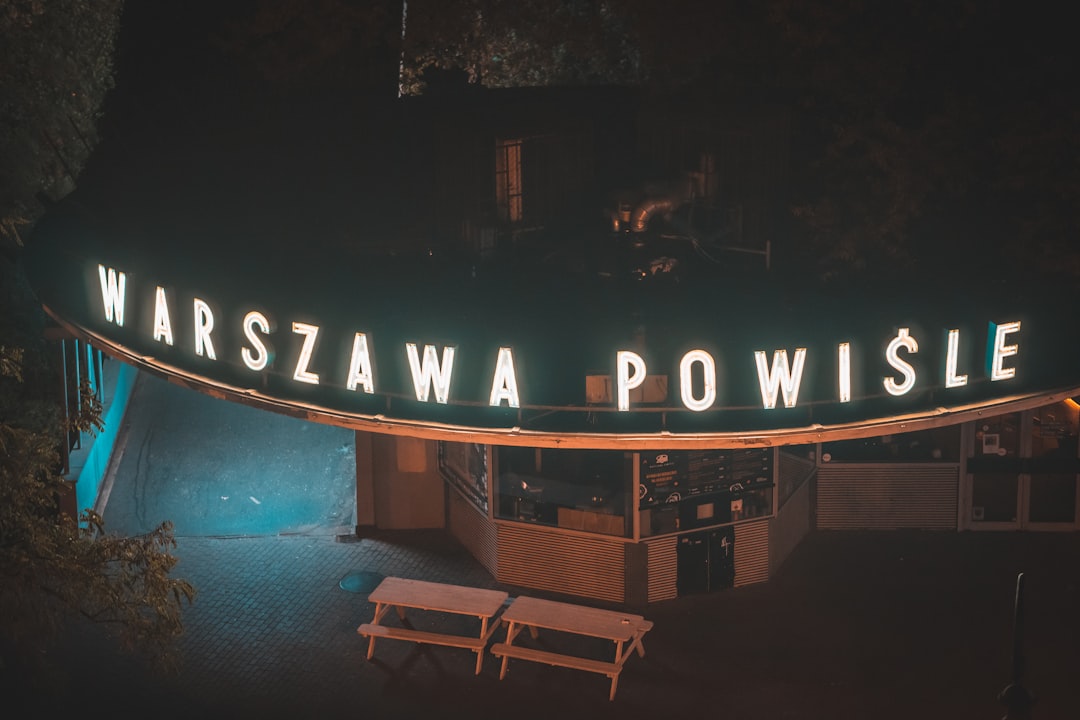
Over the past two decades, Poland has quietly become one of Europe’s most important festival destinations. This is not something you read about in most mainstream travel guides. It’s not as famous as Glastonbury or Roskilde or Tomorrowland. But for people who care about music—genuinely care, not just want a party—Poland’s festival scene is world-class.
The country hosts Open’er Festival (often called Poland’s Glastonbury), OFF Festival (an indie and alternative institution), and Unsound (a cutting-edge experimental electronic and contemporary music event that’s among the most innovative festivals in Europe). Beyond these major events, there’s a robust jazz scene, free classical concerts in parks, and an underground punk and electronic music culture that’s thriving in cities across the country.
How did Poland become a festival destination? Partly through investment and good planning. Partly because Polish musicians and producers are genuinely talented. And partly because Polish audiences are passionate about live music and genuinely support artists and festivals.
Open’er Festival: Poland’s Glastonbury
Open’er Festival takes place in Gdynia, a port city on the Baltic coast. It’s held in early July, usually across four days, and draws around 100,000 people annually. Musically, it’s eclectic—you’ll see major international acts, indie bands, electronic performers, and hip-hop artists. The festival has hosted everyone from Radiohead to The Cure to Björk to chemical Brothers.
What makes Open’er distinctive is its scale and its accessibility. It’s large enough to attract major international acts, but it’s not so commercially polished that it feels soulless. It has an earthy, communal quality despite the large crowds. The setting—Gdynia’s spacious park area—gives it room to breathe.
The festival’s name, “Open’er,” supposedly comes from the idea of opening—opening to new music, opening to the world, opening possibilities. This philosophy is reflected in the festival’s programming, which consistently tries to introduce audiences to artists and genres they might not have encountered before.
There’s also a strong social and artistic component. Open’er has always had political and artistic concerns. It’s hosted discussions about important issues. It’s supported environmental causes. It’s not just about the music; it’s about creating a space where people can gather and think about important things.
The crowd at Open’er is genuinely international—you’ll hear a dozen languages—but it has a strong Polish core. Polish bands often headline. Polish artists often perform. There’s a sense of national pride in the festival, but it’s not insular or closed.
OFF Festival: The Indie and Alternative Institution
OFF Festival, held in Katowice (a city in Silesia, in southern Poland), is smaller than Open’er but arguably more cutting-edge. It takes place in August and emphasizes indie rock, alternative, electronic, and experimental music. Artists like Sigur Rós, Grimes, Thom Yorke, and Massive Attack have performed here.
OFF has a reputation for programming that’s slightly ahead of the curve. It’s not waiting for bands to become huge before booking them. It’s actively seeking out new artists and interesting sounds. This means that attending OFF, you might discover artists who are about to break through internationally.
The festival also has a strong emphasis on Polish bands and artists. Many of Poland’s most interesting musicians debut or get regular features at OFF. There’s a sense that OFF is not just bringing international acts to Poland—it’s also showcasing Polish talent to an international audience.
The festival’s ethos is explicitly non-commercial in its own way. While it requires sponsorship to exist, it maintains an artist-first philosophy. The programming decisions seem driven by musical quality rather than commercial appeal.
OFF takes place in Katowice’s park area, which gives it a natural, festival-like setting. The crowd tends to be younger and more alternative than Open’er—this is where you’ll find the most dedicated music fans and the most adventurous programming.
Unsound: Where Experimental Music Becomes Accessible
Unsound, held in Kraków in October, might be the most fascinating festival in Poland for serious music listeners. It’s dedicated to contemporary classical, experimental, electronic, and avant-garde music. The lineup typically includes composers, sound artists, musicians pushing boundaries, and performers working in genres that don’t have names yet.
Unsound is not a commercial festival. It’s not trying to attract casual music fans. It’s programming for people who love music seriously, who want to be challenged, who are interested in the cutting edge of sound design and musical experimentation.
Past events have included everything from classical composers exploring electronic music to visual artists creating multimedia experiences to cutting-edge sound installations. The festival doesn’t distinguish between “high” and “low” art or between genres in a traditional way. If the sound is interesting and innovative, it belongs at Unsound.
What makes Unsound remarkable is that it exists at all in a country that, internationally, isn’t known for avant-garde music culture. That it thrives—that people pack venues to hear experimental composers and sound artists—reveals something about Polish audiences: they’re genuinely interested in music as art, not just as entertainment.
Unsound has become one of the most respected experimental music festivals in Europe. For musicians and serious music listeners working in contemporary and experimental music, Unsound is a destination festival, comparable to festivals like Ars Electronica or Sonic Acts.
Poland’s Jazz Tradition: An Unexpected Global Power
What many people don’t realize is that Poland has one of the world’s most important jazz scenes. This dates back to the 1960s and 70s when jazz became, paradoxically, a symbol of artistic freedom during the Soviet era. Jazz was Western, modern, artistic, and somewhat subversive. Polish jazz musicians became world-class, and that tradition continues.
Warsaw, Kraków, and other cities host regular jazz clubs and jazz festivals. The Warsaw Jazz Autumn Festival is one of Europe’s major jazz events, featuring international and Polish jazz musicians. Polish jazz artists like Krzysztof Komeda (historically) and contemporary artists continue to produce world-class work.
If you’re visiting Poland and interested in live music, checking out a jazz club is worthwhile. Polish jazz has a distinctive quality—influenced by folk traditions, by communist-era innovation, by the country’s specific cultural history—that makes it distinctive from American or European jazz.
Chopin in the Park: Free Classical Music for Everyone
Every summer in Łazienki Park in Warsaw, classical concerts are held—for free, outdoors, every Sunday. These concerts feature solo piano performances of Chopin’s works. Thousands of people gather on the grass to listen to world-class musicians perform the music of Poland’s most famous composer.
This is not a festival in the commercial sense. It’s a cultural institution, a way of making classical music accessible to everyone. The concerts happen whether it’s sunny or rainy. People bring blankets, pack picnics, and enjoy live classical music in one of Warsaw’s most beautiful parks.
The Chopin concerts are quintessentially Polish: they celebrate Poland’s most important composer, they make high-quality music accessible to everyone regardless of economic status, and they happen in a democratic space (a public park) available to all.
The Underground and Club Scene
Beyond the major festivals, Poland has a thriving underground music scene. Kraków, Warsaw, Wrocław, and Gdańsk all have active punk, electronic, hip-hop, and alternative music communities. There are small venues, club nights, and grassroots promoters keeping the live music scene vibrant.
This underground scene is where much of Poland’s contemporary music innovation happens. Genres blend. Young musicians experiment. There’s a punk ethic of DIY and anti-commercialism that keeps the scene creative.
For travelers interested in contemporary Polish music culture, seeking out club nights and smaller venues in Polish cities often reveals more interesting and authentic music experiences than the major festivals.
Why Poland Became a Festival Destination
Several factors contributed to Poland’s emergence as an important festival destination:
Talented musicians and producers: Poland has consistently produced excellent musicians across genres. This creates both the talent to fill festivals and audiences that support live music.
Investment: City governments and sponsors have invested in major festivals, creating infrastructure and conditions for them to thrive.
Affordable hosting: Compared to Western Europe, Poland is more affordable to visit and to host festivals, which allows for larger events at lower ticket prices.
Democratic openness: After communism, there was an explosion of cultural freedom and openness that included live music. Poles embraced the opportunity to host festivals and to travel to them.
Genuine passion for music: Poles genuinely care about music as art. Audiences are sophisticated, engaged, and loyal to festivals and artists.
Practical Information for Travelers
Open’er Festival: July in Gdynia. Book tickets in advance. Bring camping gear if you want the full festival experience, or stay in nearby Gdynia or Gdańsk.
OFF Festival: August in Katowice. More alternative crowd than Open’er. Good for music lovers seeking discovery.
Unsound: October in Kraków. For serious music listeners interested in contemporary classical and experimental music.
Chopin Concerts: Sunday afternoons in summer at Łazienki Park in Warsaw. Free. Perfect if you’re visiting Warsaw in summer.
Jazz clubs: Check local listings in Warsaw and Kraków for jazz performances.
Plan ahead: Tickets for major festivals sell out, especially international acts. Book early.
Conclusion: Poland’s Unexpected Music Prominence
Poland’s emergence as a festival destination is one of those stories that doesn’t fit neat narratives about global culture. Poland isn’t supposed to be a music hub (according to international media). Yet it is. Its festivals consistently book great artists, attract international audiences, and create genuinely important cultural moments.
More importantly, the festivals reveal something about Poland itself: it’s a country that takes art and music seriously, that invests in culture, that has produced and continues to produce excellent musicians, and that has audiences genuinely interested in expanding their musical horizons.
For travelers, Poland’s festival scene offers something increasingly rare in Europe: festivals that feel authentic, that aren’t primarily commercial exercises, and where you’re likely to discover new music and meet passionate music lovers from across Europe and beyond. Whether you’re at Open’er watching a major international act, at OFF discovering an emerging band, or at Unsound having your brain challenged by experimental sound, you’re experiencing Polish culture at its most vibrant and forward-thinking.




Leave a Reply