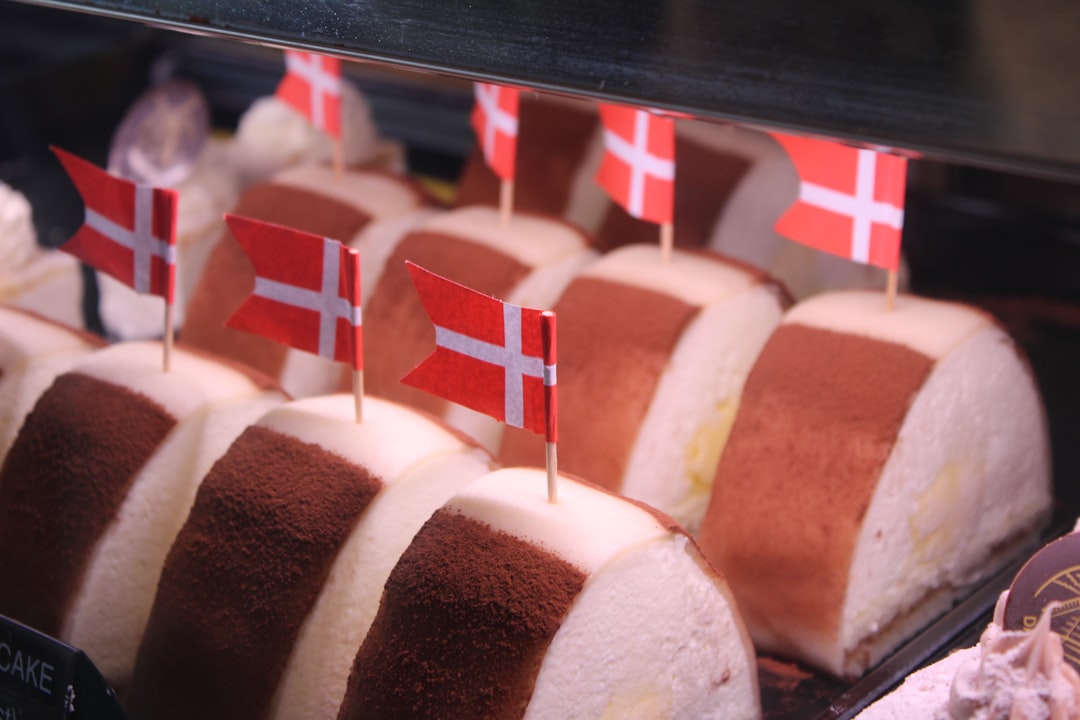
The Swedish smörgåsbord is one of those cultural exports that’s been transformed by international understanding into something quite different from the original. Most people encounter it as an all-you-can-eat buffet, a casual pile of food where you load up a plate with whatever appeals to you. The reality of a proper smörgåsbord is more structured, more intentional, and infinitely more interesting. To eat a smörgåsbord properly is to understand something fundamental about Swedish food culture, the Swedish relationship to abundance, and the careful order that underlies what initially appears to be casual abundance.
A proper smörgåsbord is theater, ritual, and gastronomic instruction all combined. It’s a way of presenting numerous dishes simultaneously while guiding diners through a logical progression of flavors and textures. It’s abundance managed by restraint. It’s a cultural expression of Swedish values—democracy (everyone gets the same access to all the dishes), equality (no hierarchy of food), and order (everything has its place and proper sequence).
The History: From Brännvinsbord to Smörgåsbord
The smörgåsbord didn’t always exist as a formal dining tradition. The word “smörgåsbord” combines “smörgås” (open-faced sandwich) and “bord” (table)—literally a sandwich table. The original concept came from the brännvinsbord, or schnapps table, a collection of small dishes served alongside aquavit at the beginning of a meal. These small bites were meant to accompany spirits, to be eaten before the actual meal began.
Over time, the concept expanded. What began as a collection of schnapps accompaniments developed into a full dining presentation. By the 19th century, the smörgåsbord had evolved into a comprehensive Swedish dining tradition, and by the 20th century, it had become internationalized as a symbol of Swedish hospitality and abundance.
The most famous smörgåsbord institution in Sweden is the Smörgåstabus restaurant in Stockholm, which opened in 1944 and has been serving elaborate smörgåsbords ever since. For over eighty years, it’s maintained the tradition of the properly ordered smörgåsbord, training generations of diners in the correct way to approach the buffet.
The Proper Order: The Sacred Sequence
Here’s where most people get smörgåsbord wrong. There’s a proper order to eating a smörgåsbord, and it’s not “eat what you want whenever you want.” The order matters. It’s based on flavor progression—you don’t want to eat something strongly flavored too early, because it will overwhelm more delicate flavors that come later.
First course: Pickled herring and fish – The smörgåsbord begins with various preparations of herring and other fish. There might be Swedish pickled herring (sill), herring in mustard sauce, herring in curry sauce, gravlax (cured salmon), smoked fish, and other fish preparations. You make one or more trips to the buffet and load your plate exclusively with fish. You eat this course completely before moving on.
This is important: you do not mix fish with other foods on the same plate. You have a clean plate, you put fish on it, you eat the fish, you return the empty plate.
Second course: Other cold fish and cold meats – Once you’ve finished the herring course, you move to other cold preparations. This might include more elaborate fish dishes, cold shellfish, and cold meats like liver pâté, tongue, and other charcuterie. Again, a fresh plate, dedicated to this course.
Third course: Cold meats and prepared salads – Now you transition to heavier cold dishes. This might include various cold cuts, meat preparations, potato salad, beet salad, and other prepared cold sides. Again, dedicated plate, focused approach.
Fourth course: Warm dishes – After several courses of cold food, you move to warm items. This is where meatballs appear, along with sausages, warm meat preparations, and other hot dishes. This is the main course in the traditional sense.
Fifth course: Cheese and bread – After the warm dishes, you cleanse your palate with cheese and bread. There’s usually a variety of Swedish cheeses and different types of bread.
Final course: Dessert – Only after all the savory courses have been completed do you move to dessert. Fruit salad, cakes, pastries, and other sweets are the finale.
The principle underlying this order is that you progress from delicate to rich, from fish-forward to meat-forward, from cold to warm, and from savory to sweet. Each course prepares your palate for the next. You never double-dip or try to eat everything at once.
The Julbord: The Peak Smörgåsbord
While smörgåsbords are served at various times throughout the year, the julbord—the Christmas smörgåsbord—represents the apotheosis of the tradition. The julbord is an even more elaborate version of the standard smörgåsbord, with more dishes, more courses, and even more structure.
A traditional julbord includes all the elements of a regular smörgåsbord but adds specific Christmas dishes. There’s typically more herring varieties, special Christmas sausages (julskinka—Christmas ham), Christmas meatballs, special Christmas breads, and more elaborate preparations throughout.
The julbord is often served at restaurants and traditional establishments specifically during the Christmas season (typically November through December, or at least December). Many Swedes have a julbord experience as part of their Christmas tradition, often attending with colleagues or family groups.
If you’re visiting Sweden during the Christmas season, experiencing a julbord is a must. It’s an enormous meal—expect to spend 2-3 hours eating, with multiple return trips to the buffet. Arrive hungry.
Other Smörgåsbord Traditions: Easter and Beyond
While the julbord is the most famous specialized smörgåsbord, Sweden also has an easter smörgåsbord (påsksmörgåsbord) with Easter-specific dishes, a spring smörgåsbord with fresh ingredients, and various seasonal versions.
Different regions and restaurants emphasize different dishes, but the principle remains consistent: structured abundance, progressive courses, and careful curation of what dishes are offered and when they’re offered.
Swedish Food Beyond Meatballs
The smörgåsbord is also an opportunity to experience Swedish cuisine beyond the international stereotype of Swedish meatballs. While meatballs are genuinely part of Swedish food culture, they’re far from the complete picture. Here are other classic Swedish dishes you’ll encounter on a smörgåsbord:
Gravlax – Cured salmon, traditionally prepared with salt, sugar, and dill. It’s delicate, complex, and about as Swedish as food gets.
Toast Skagen – A modern classic: toasted bread topped with shrimp salad (shrimp, mayonnaise, and dill). It’s elegant, simple, and delicious.
Janssons frestelse (Jansson’s Temptation) – A gratin of potatoes, anchovies, onions, and cream. It’s surprisingly delicious and appears at virtually every smörgåsbord.
Kallops – A cold stew made with beef, potatoes, onions, and spices, then chilled.
Pytt i panna – Literally “bits in a pan.” It’s diced potatoes, meat, and onions fried together and served with a fried egg and pickled beets. It’s humble food, popular for lunch.
Surströmming – This one comes with a warning. It’s fermented herring, and it smells intensely strong. Most Swedes have a complicated relationship with it—they acknowledge it’s part of Swedish food culture while admitting that smelling it is an acquired taste. Don’t try it unless you’re feeling adventurous.
Köttbullar – Yes, Swedish meatballs. They’re usually served with lingonberry jam and sour cream. They’re genuinely good, though not as central to Swedish food as the international world assumes.
Fläskpannkaka – A pancake made with pork and onions, often served with lingonberry jam and pickled cucumber. It’s savory-sweet, which sounds odd but works perfectly.
Blini – Small pancakes, often served at smörgåsbords, topped with sour cream and various garnishes.
Where to Find a Genuine Smörgåsbord
If you’re visiting Sweden and want a proper smörgåsbord experience:
Smörgåstabus (Stockholm) – The most famous smörgåsbord establishment. It’s expensive (upwards of $40-60 USD per person for a basic smörgåsbord) and touristy, but it’s authentic and impressive. The experience is formal and educational—waitstaff help guide you through the courses and explain the protocol.
Restaurant establishments during Christmas season – Many upscale restaurants offer julbords during the Christmas season. These tend to be very good and somewhat less touristy than Smörgåstabus.
Traditional establishments outside Stockholm – Regional restaurants, particularly in smaller cities and more rural areas, often offer smörgåsbord experiences that are less geared toward tourists and more authentically Swedish.
Casual café smörgåsbords – Some casual cafés and lunch establishments offer simplified smörgåsbord experiences at much lower prices ($10-15 USD). These are usually buffet-style and less formal, but they give you the general experience.
How to Eat a Smörgåsbord: Practical Advice
If you find yourself at a smörgåsbord, here are practical tips:
Arrive hungry. A proper smörgåsbord is a multiple-hour experience. You’ll be eating many courses. Make sure you’re genuinely hungry.
Start with herring. Seriously. Even if you’re skeptical about herring, try it at the smörgåsbord. Multiple preparations are usually available, and the variety is interesting. You might discover that you like herring after all.
Take modest portions. The goal is to try many things, not to overload each course. A small piece of herring, a modest serving of salad, a reasonable portion of meatballs. You’re going back multiple times.
Follow the order. Don’t skip to the meatballs immediately. The structure exists for a reason. You’ll enjoy the experience more if you follow the progression.
Don’t mix courses on your plate. One course per plate. You eat it, you return the plate, you get a fresh plate for the next course. This isn’t a rule that will be enforced, but it’s the proper way.
Pace yourself. With multiple courses, you can’t eat the same amount per course that you might at a regular meal. Moderate your portions so you have room for all the courses.
Take a break between courses if needed. If you find yourself full, wait fifteen minutes. Pace yourself. This is a marathon, not a sprint.
Save room for dessert. The desserts at a smörgåsbord are often excellent. Even if you think you’re full after the cheese course, leave room for dessert.
The Philosophy Behind the Smörgåsbord
Ultimately, the smörgåsbord reflects something deep about Swedish culture. It’s abundant (look at all these dishes!) but structured (and here’s the proper order). It’s democratic (everyone gets access to all the same dishes, and the order levels the playing field). It’s educational (you learn about Swedish food and food culture through the structure of courses).
It’s also a statement about Swedish hospitality. The smörgåsbord says: “Welcome. We’re so glad you’re here that we’ve prepared numerous dishes for you. We want you to experience the best of our food culture. And we’re going to guide you through it properly because we want you to understand it, not just eat it.”
A smörgåsbord is an experience to be savored, understood, and appreciated—not conquered. Go slowly, follow the order, be curious, and let yourself be guided through a Swedish culinary and cultural experience. You’ll emerge with a much deeper understanding of Sweden than you can get from any other single meal.




Leave a Reply