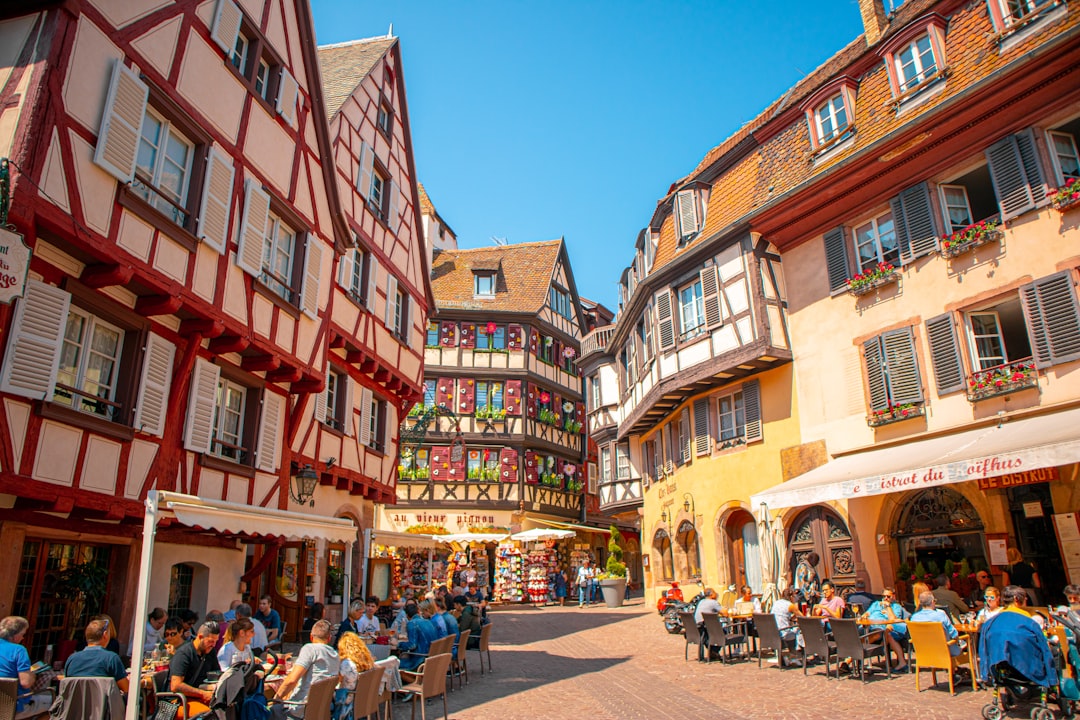
For eight seasons, Game of Thrones captivated global audiences with epic battles, intricate political drama, and some of the most stunning cinematography ever captured on screen. What many fans don’t realize is that Westeros and Essos weren’t entirely constructed on studio sets—much of the magic happened on location across Europe. From the marble-cliffed game of thrones to the windswept shores beyond the Wall, this comprehensive guide reveals where you can walk in the footsteps of your favorite characters across multiple European countries.
Game of Thrones was more geographically diverse in its filming than almost any television series ever produced, utilizing locations across five countries. Whether you’re a devoted fan who’s watched the series multiple times or someone curious about how TV production works, a Game of Thrones European pilgrimage offers remarkable cultural experiences combined with genuine film history.
Croatia: The Heart of the Seven Kingdoms
Dubrovnik – King’s Landing
The most iconic Game of Thrones location is undoubtedly the walled city of Dubrovnik, which served as the primary backdrop for King’s Landing throughout the series. This UNESCO World Heritage Site’s medieval Old Town, with its marble streets, towering city walls, and terracotta-roofed buildings, became synonymous with the fictional capital of Westeros.
Specific Filming Locations:
- City Walls: Walk the 1,972-meter circuit around the Old Town’s walls (the same route viewers see repeatedly). The walk takes approximately 1.5-2 hours and offers spectacular views. Entry costs around €30 for non-residents.
- Lovrijenac Fortress: This sea fortress (sometimes called “Red Keep”) appears throughout the series as an iconic exterior shot. It’s perched on a rocky outcrop outside the walls and is visitable.
- Onofrio’s Great Fountain: Located just inside the Pile Gate, this 15th-century fountain appears in multiple episodes.
- Sponza Palace: This Renaissance palace served as the Stark’s base in King’s Landing.
- Jesuit Stairs: The dramatic stone staircase where Cersei performed her walk of shame episode is still there, though modern railings have been added for safety.
Practical Information:
Dubrovnik is Croatia‘s most visited destination, so expect crowds, especially in summer. Visit in shoulder seasons (May or September-October) for better experiences. Book accommodations well in advance. The Old Town is wonderfully walkable, but streets are narrow and steep. Wear comfortable shoes and bring water.
Where to Stay:
Local Tours:
Multiple Game of Thrones-specific tour operators offer guided walks. These tours typically cost €20-50 and last 2-3 hours, providing context you won’t get on your own. They’re popular and should be booked ahead.
Northern Ireland: The Realm Beyond the Wall
Toll’s Island Quarry, Ballintoy, and Murlough Bay – Beyond the Wall
While much of the “wildling” North of the Wall is represented by Iceland, Northern Ireland provided crucial landscape for scenes beyond the Wall, particularly the haunting environments where the White Walkers and free folk reside.
Specific Locations:
Practical Information:
Northern Ireland, particularly the Antrim Coast, is extraordinarily beautiful and less crowded than many Game of Thrones locations. Rent a car and drive the Causeway Coastal Route for spectacular scenery. The drive from Belfast to these coastal villages takes 1-2 hours depending on exact location.
Where to Stay:
Spain: The Southern Kingdoms
Seville – Dorne
The sun-baked, exotic Dorne region was primarily filmed in southern Spain, and Seville served as the primary location. This Andalusian capital’s blend of Moorish architecture, narrow medieval streets, and golden-hour lighting perfectly captured Dorne’s sensual aesthetic.
Specific Filming Locations:
Granada – Additional Dorne Locations
The city of Granada, located about 250 km south of Seville, also featured in Dorne sequences. The Alhambra, a stunning Moorish palace and fortress complex, provided architectural and visual inspiration, and some location filming occurred in the surrounding Albaicín neighborhood.
San Juan de Gaztelugatxe – Dragonstone (Isle of Spears)
This dramatic rocky islet off the Basque coast served as the exterior for Dragonstone, home of House Targaryen. The location is spectacular: a small island topped with a church, connected to the mainland by a narrow footbridge, surrounded by crashing Atlantic waves.
How to Visit:
San Juan de Gaztelugatxe is located near Bermeo in the Basque Country (Euskadi), about 450 km from Seville. From June onwards, the site experiences restrictions due to popularity from Game of Thrones tourism. You can hike down to the footbridge, but access to the island itself is often limited. The walk takes about 45 minutes from the parking area. Go early in the morning to avoid crowds, or visit in shoulder seasons.
Practical Information:
Where to Stay in Andalusia:
Iceland: The True North and Beyond the Wall
Various Locations – The North, Wildling Lands, and Harrenhal Region
Iceland’s otherworldly landscape—volcanic plains, glaciers, geysers, waterfalls, and windswept moorlands—provided many of the vistas north of the Wall. Several specific natural features became iconic Game of Thrones locations.
Specific Filming Locations:
Practical Information:
Iceland is expensive and remote. A rental car is essential for exploring these locations. Many sites are accessible only in summer (June-September) due to snow and ice. The drive from Reykjavik to southeastern Iceland is a full day of driving through some of Earth’s most dramatic landscapes.
Where to Stay:
Malta: Additional European Locations
While not as prominent as other locations, Malta’s warm Mediterranean climate and dramatic limestone cliffs appear in several Dorne scenes and other sunny locations. The island is small and easily explored by car in a few days if you’re visiting nearby Mediterranean locations.
Multi-Country Game of Thrones European Itinerary
21-Day Complete Journey
Days 1-4: Dubrovnik, Croatia
Spend 4 days exploring the Old Town, walking the walls multiple times to identify all filming locations, taking a GoT-specific tour, and relaxing on nearby beaches. Day trip to the nearby Elaphite Islands by boat.
Days 5-8: Iceland
Fly from Dubrovnik to Reykjavik (approximately 6 hours with connections). Spend 4 days on a circular road trip: Thingvellir, Skaftafell Glacier, Jökulsárlón Glacier Lagoon, and Krafla Geothermal Area. This is driving-intensive but extraordinarily rewarding.
Days 9-11: Northern Ireland
Fly to Belfast (via London or other hub; expect long connections). Rent a car and drive the Antrim Coast to visit Ballintoy and Murlough Bay. Explore the Giant’s Causeway while you’re there. This location requires a car and flexibility.
Days 12-18: Andalusia, Spain
Fly to Málaga or Seville. Spend 2 days in Seville exploring Alcázar, Cathedral, and Plaza de España. Drive south to Granada for 2 days (Alhambra is essential). Drive to the Basque Country for San Juan de Gaztelugatxe (about 8-10 hours; consider breaking this journey with overnight stops).
Days 19-21: Basque Country and Return
Spend 2-3 days in San Sebastian or Bilbao (excellent food cities), visit San Juan de Gaztelugatxe, and explore the Basque cultural landscape before flying home.
Practical Multi-Country Considerations
Visas and Travel Documents:
Most US and Commonwealth citizens need only a valid passport for 90 days of visa-free travel in the Schengen Zone (which includes all countries mentioned except Ireland/Northern Ireland). Check current requirements before booking.
Transportation:
Budget:
Game of Thrones tourism varies by location:
Best Time to Visit:
Conclusion: The Realm Awaits
Game of Thrones’ seven-season run across Europe transformed tourism to multiple regions. The good news for fans is that unlike some fictional worlds, you can actually visit these locations. The combination of historical significance, natural beauty, and pop culture excitement makes a Game of Thrones-themed European journey uniquely rewarding.
These locations are magnificent regardless of whether you’ve watched the show. Dubrovnik is one of Europe’s most beautiful cities. Iceland’s landscape is transformative. The Spanish regions offer centuries of history. Northern Ireland’s coast rivals anywhere in the British Isles.
Plan your journey, book your accommodations, and prepare to walk the lands where kings and queens battled for a throne. Just remember—in Game of Thrones, and in European travel, winter is always coming, so book accordingly. Your adventure through the Seven Kingdoms awaits.




Leave a Reply