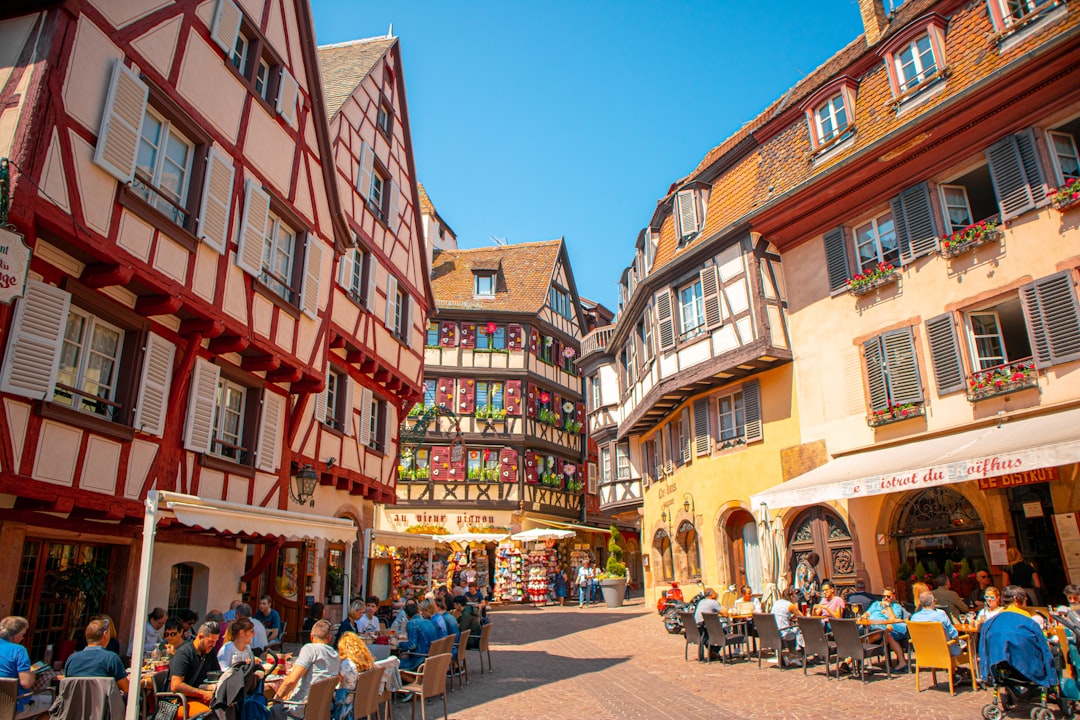
There’s a new phenomenon reshaping European tourism, and it doesn’t involve traditional attractions or guidebooks. It’s the Netflix Effect—the measurable, sometimes explosive surge in visitor numbers to European destinations featured in the streaming giant’s most popular productions. From Parisian neighborhoods suddenly flooded with selfie-seeking travelers to previously obscure Italian villages becoming Instagram hotspots, Netflix has fundamentally altered the geography of European tourism in the past five years.
This shift represents more than just entertainment-driven travel; it reflects broader changes in how people discover destinations, what they want to experience, and how social media amplifies the desire to visit places seen on screen. For travelers interested in European culture, this creates both opportunities and challenges. This guide explores the Netflix phenomenon, highlighting the shows that changed European tourism, the locations they made famous, and practical advice for experiencing these destinations thoughtfully.
The Netflix Effect: Why and How It Works
Before diving into specific locations, it’s worth understanding why streaming shows drive such dramatic tourism spikes. Unlike traditional film tourism, which typically peaks around theatrical releases and then declines, Netflix series enjoy prolonged visibility. New subscribers discover shows years after initial release, binge entire seasons, and become emotionally invested in specific locations. When a show’s production values are high and aesthetics are carefully curated (as they are across Netflix’s prestige productions), viewers develop genuine wanderlust tied to specific neighborhoods, cafés, and street corners.
Additionally, the visual nature of streaming and social media creates a compounding effect. Travelers photograph themselves at filming locations, post to Instagram or TikTok, and their followers see the images in their feeds. These images accumulate over months and years, creating sustained awareness of these locations. Unlike a movie’s theatrical run (typically 3-6 months), a Netflix show can drive tourism for years.
Tourism boards and local governments have begun leveraging this effect deliberately, creating official tourism campaigns around streaming content. Some cities have even instituted “Netflix tours” to manage visitor flows and capitalize on increased interest.
Emily in Paris: Paris, Rome, and the Luxury Travel Boom
The Show’s Impact
Emily in Paris premiered on Netflix in October 2020 and became a cultural phenomenon—critically lambasted by some but beloved by millions of viewers. The show follows an American marketing executive navigating Paris’s fashion industry, and regardless of critical reviews, it functioned as a high-production-value advertisement for Parisian elegance and Italian style.
Tourism data from Paris tourism boards documented a notable increase in visitors during and immediately after Emily in Paris’s seasonal releases. Google search data shows spikes for “Paris neighborhoods Emily in Paris” and “Emily in Paris filming locations” coinciding with each season’s release.
Key Filming Locations in Paris
- Montmartre: The bohemian neighborhood features extensively. The Moulin Rouge, Place du Tertre, and narrow winding streets lined with galleries appear repeatedly. Visitors to Paris increasingly sought out Montmartre specifically to recreate Emily’s aesthetic.
- Saint-Germain-des-Prés: This Left Bank neighborhood’s chic boutiques, historic cafés, and sophisticated atmosphere embody Emily’s aspirational lifestyle. The Café de Flore, a historic café where Ernest Hemingway once sat, becomes a pilgrimage site for Emily fans.
- Marais District: The charming Jewish quarter with its historic architecture and vibrant food scene features in multiple episodes.
- Seine Riverside: Walking paths along the Seine appear throughout the series, with carefully framed shots of Notre-Dame, Pont des Arts, and riverside booksellers.
Practical Information for Paris Visitors
The Emily in Paris effect created noticeable changes to Parisian tourism. Certain Instagram-famous locations (particularly Café de Flore and Moulin Rouge) experience pre-peak-season crowding. The neighborhood infrastructure isn’t built for tourism overflow, so respect local residents—they increasingly view Emily fans as intrusive.
Tips:
Rome: Emily’s Italian Escape
Season 2 features Emily in Rome, and this shift renewed tourism interest in the Italian capital. Roman landmarks (Trevi Fountain, Colosseum, Spanish Steps) saw corresponding increases in visitors, though Rome already receives substantial tourism, so the Netflix effect, while measurable, was less transformative than in Paris.
Budget: Paris and Rome
The White Lotus: Sicily Tourism Boom
The Show’s Impact and Sicily’s Response
The White Lotus premiered on HBO (not Netflix, but worth including as it dominated streaming platforms) in July 2021 and became a cultural sensation. Season 1, set at a luxury resort in Sicily, captivated viewers with gorgeous cinematography of Sicilian beaches, ancient ruins, and Italian design aesthetics. Unlike Emily in Paris, The White Lotus developed a devoted, trend-conscious audience primed to visit fictional locations.
Tourism boards in Sicily documented dramatic increases in visitors specifically requesting the “White Lotus experience.” Hotels and resorts reported increased bookings, particularly among demographic groups typically underrepresented in Mediterranean tourism. Travel booking sites noted 40%+ increases in Sicilian vacation searches in the post-launch period.
Filming Locations in Sicily
Why Sicily Responded Well to White Lotus Tourism
Sicily was already known to sophisticated travelers and food enthusiasts, but The White Lotus introduced it to broader audiences. The show’s cinematic approach—treating Sicily not as a backdrop but as a character—encouraged viewers to plan serious Italian trips. Unlike Emily in Paris viewers seeking Instagram moments, White Lotus fans arrived interested in food, history, architecture, and genuine cultural immersion.
Palermo particularly benefited, transforming into a culinary destination. Street food tours that previously attracted food enthusiasts now draw casual tourists. Historic markets that were neighborhood gathering spaces now feature tourist guides.
Practical Information
Palermo is wonderfully walkable and more affordable than northern Italian cities. Accommodation ranges €30-80 for guesthouses to €120+ for upscale hotels.
Tips:
Lupin: French Heist Appeal
The Show’s Impact
Lupin premiered on Netflix in January 2021 and became the platform’s most-watched series globally. The French-language heist thriller follows a gentleman thief in Paris and features the city’s most iconic locations: the Louvre, Versailles Palace, and Notre-Dame Cathedral.
Lupin drove measurable tourism increases to Parisian attractions. The Louvre reported increased visitors, though as one of the world’s most-visited museums, it’s difficult to isolate Netflix’s impact. Versailles, however, documented more notable increases, particularly among younger demographics previously underrepresented in palace visitation.
Key Filming Locations
The Lupin-Driven Tourism Pattern
Interestingly, Lupin’s impact differed from Emily in Paris. Rather than driving Instagram-focused pilgrimage to specific cafés, Lupin motivated viewers to engage with Paris’s cultural institutions. Museums saw increased visitors, particularly younger people. This suggests that narrative complexity and plot significance influence whether shows drive shallow or deep tourism engagement.
Budget
Dark and Money Heist: German and Spanish Intrigue
Dark: Berlin and German Tourism
Dark, Netflix’s German-language series set in a fictional town with mysteries spanning decades, premiered in 2017 and developed a devoted international following. While the show isn’t set in real Berlin, it filmed extensively in the German city. The atmospheric cinematography, Cold War architecture, and labyrinthine plot created intrigue around German locations.
Dark didn’t create the same tourism spike as other shows discussed (partly because the fictional town location wasn’t a real place requiring pilgrimage), but it elevated Berlin as a destination for serious television enthusiasts. The show’s influence on Berlin tourism is more subtle but culturally significant—it established Berlin as a location for sophisticated, complex storytelling.
Money Heist: Spanish Locations and International Interest
Money Heist (La Casa de Papel), a Spanish-language series, filmed extensively in Madrid and other Spanish locations. While not as cinematically focused on location tourism as Emily in Paris, the show elevated Spain‘s cool factor globally, contributing to increases in Spanish tourism, particularly among younger, globally-oriented travelers.
Broader Streaming Impact on European Tourism
The Data
Tourism boards across Europe began tracking streaming show releases and visitor spikes. Some findings:
The Phenomenon’s Challenges
Not all impacts are positive. Popular locations experience:
European cities are increasingly developing strategies to manage streaming-driven tourism: pricing entrance fees to popular museums more aggressively, implementing timed-entry systems, creating alternative attractions in underutilized neighborhoods, and developing sustainable tourism guidelines.
How to Experience Streaming Locations Thoughtfully
General Best Practices
- Go Beyond Main Attractions: When visiting Emily in Paris locations, don’t just photograph yourself at Café de Flore. Explore Montmartre’s side streets, eat at family-run restaurants, visit small galleries.
Curated Multi-Show European Itinerary
A 15-Day “Netflix Europe” Journey
Days 1-4: Paris (Emily in Paris + Lupin)
Spend 4 days exploring Montmartre, Saint-Germain, Marais, the Louvre, and Seine-side walks. Mix streaming locations with genuine Parisian experience.
Days 5-7: Versailles and Regional France
Day trip to Versailles (Lupin’s palace location), then travel to the Loire Valley region to escape streaming-tourism intensity and experience historic châteaux and wine regions.
Days 8-12: Sicily (The White Lotus)
Fly to Palermo. Spend time in the historic center’s markets and architecture, visit Mondello Beach, eat street food, explore nearby Monreale. This location is about food and culture as much as streaming locations.
Days 13-15: Berlin or Madrid
Either fly to Berlin for Dark-inspired exploration of Cold War architecture and contemporary German culture, or Madrid for Money Heist-adjacent Spanish urban experience.
Budget for 15 Days
Conclusion: The Future of Streaming-Driven Tourism
Netflix and other streaming platforms have undeniably reshaped European tourism patterns. This isn’t necessarily negative—it brings travelers to Europe who might not otherwise visit, generates revenue for struggling regions, and creates cultural conversation. The challenge is ensuring that this tourism remains sustainable, respectful, and enriching for both travelers and residents.
The best approach is to use streaming content as inspiration while approaching destinations with genuine curiosity. Visit the featured locations, but also venture beyond them. Engage with local culture, food, history, and contemporary life. Support local economies. Respect resident communities. European destinations are infinitely richer than any single streaming show can capture.
Whether you’re an Emily enthusiast, White Lotus devotee, Lupin fan, or simply interested in how entertainment shapes travel, the good news is that Europe’s streaming-featured locations are genuinely worth visiting for reasons extending far beyond television. Use the shows as entry points to deeper cultural exploration, and your European journey will be richer for it.




Leave a Reply