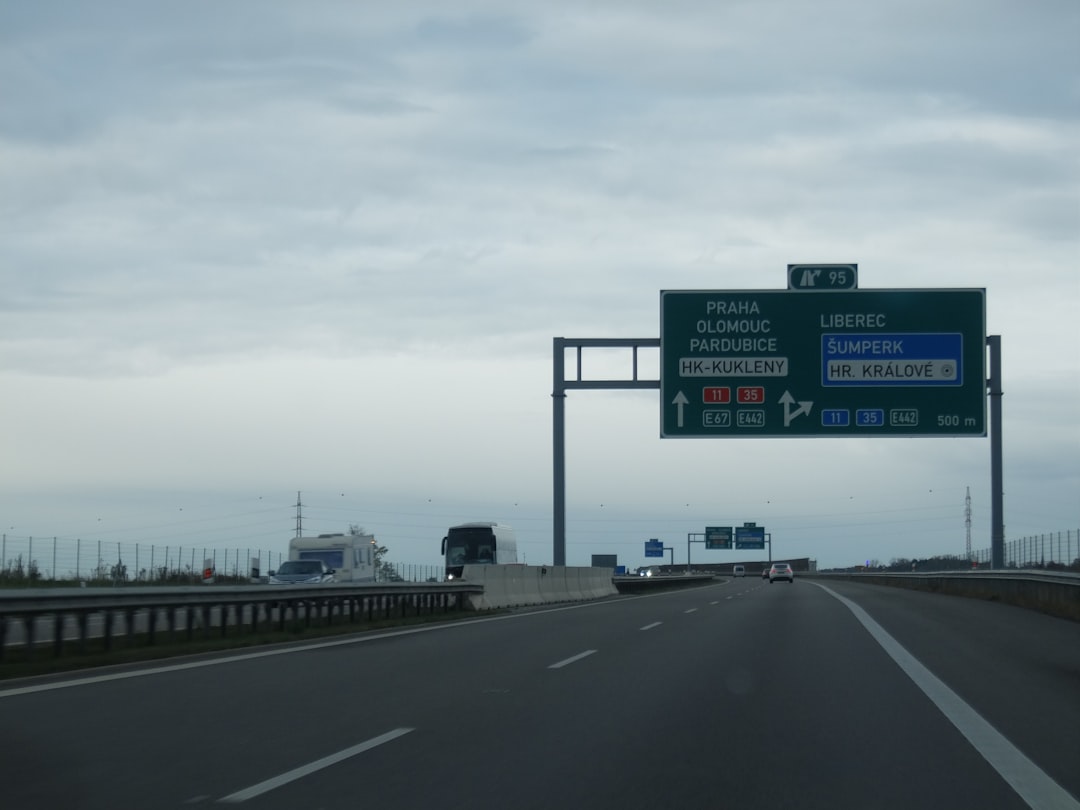
There’s something uniquely liberating about the road trip narrative. A car, an open road, minimal plans, and the freedom to discover what’s around the next corner—filmmakers have understood this appeal for decades. In European cinema and mainstream films, the road trip becomes more than just transportation; it becomes a metaphor for self-discovery, romance, friendship, and transformation. The landscapes themselves become characters: rolling Tuscan hills, winding Alpine passes, coastal cliffs, and historic city streets all become as important as the plot.
This guide explores films that celebrate European road trips and the actual routes you can drive to recreate these cinematic journeys. Whether you’re interested in experiencing the romantic European wandering of Before Sunrise’s Vienna or the buddy comedy chaos of The Trip’s British countryside, these films offer not just entertainment but genuine travel inspiration grounded in real, visitable locations.
The Before Trilogy: Vienna, Paris, and Greece
Before Sunrise (1995) – Vienna
Richard Linklater’s Before Sunrise, starring Ethan Hawke and Julie Delpy, is perhaps the quintessential romantic European film. An American writer and a French student meet on a train to Vienna and spend a single night walking the city, talking endlessly about life, love, and possibility. There’s no dramatic plot, no action sequences—just two people discovering a city and each other.
The film captures Vienna’s romantic, intellectual atmosphere. It’s set in the 1990s, and though some details have changed, the essential character of Vienna remains intact.
Filming Locations in Vienna:
- Stephansdom (St. Stephen’s Cathedral): The Gothic cathedral appears as a landmark throughout. You can visit the cathedral, climb the tower for city views, and walk the surrounding Innenstadt (historic center).
- Danube River: Scenes of the couple walking along the Danube embankment can be recreated by strolling the same paths. The Danube Park and pedestrian pathways offer the same atmospheric experience.
- Kunsthistorisches Museum: The couple visits this art museum. You can spend hours exploring world-class art collections.
- Vienna’s Coffee House Culture: Multiple scenes occur in Viennese kafés. Visit Café Sperl, Café Prater Garten, or Café Central (famous for its historic significance and Habsburg-era architecture) to experience Vienna’s café culture.
- Naschmarkt: This long-standing market district appears in street scenes.
- The ferris wheel (Riesenrad): While not heavily featured, Vienna’s iconic giant ferris wheel in the Prater amusement park is symbolic of the film’s romantic atmosphere.
Practical Information for Vienna:
Vienna is accessible by train from most European cities. The Old Town (Innenstadt) is wonderfully walkable, with medieval streets and historic squares. Budget €60-120 for midrange accommodations, €12-25 for meals, €20-35 for major attractions.
Before Sunset (2004) – Paris
Nine years later, Linklater reunited Hawke and Delpy in Paris for Before Sunset. The couple reconnects after years apart, and they spend an afternoon walking through Paris discussing the choices they’ve made. The film uses Paris as its essential setting—Seine-side walks, bookshop browsing, street-side conversations—to explore how relationships and people change.
Filming Locations in Paris:
Before Midnight (2013) – Greek Locations
The trilogy concludes in Greece, where the couple, now married with children, vacations in the Peloponnese. The film uses Greek coastal landscapes and a rented villa to explore the evolution of their relationship.
Filming Locations in Greece:
Why Before Works as Travel Inspiration:
The Before trilogy’s strength is its focus on places as settings for human connection rather than spectacle. The films encourage visitors to think about cities as spaces for walking, talking, sitting in cafés, and engaging with local culture. They’re about slow travel and genuine observation rather than checking off tourist lists.
The Trip Series: British Countryside and Italian Roads
The Trip (2010), The Trip to Italy (2014), The Trip to Spain (2017)
Michael Winterbottom’s The Trip series features Steve Coogan and Rob Brydon as exaggerated versions of themselves, traveling through Britain, Italy, and Spain respectively for restaurant reviews. The films combine food comedy with genuine landscape cinematography and philosophical dialogue about aging, success, and friendship.
The Trip (UK): Yorkshire and Lake District
The original film travels through Northern England, ending on the Yorkshire coast.
Filming Locations:
The Trip to Italy (2014): Tuscany and the Amalfi Coast
This installment travels south through Italy, featuring Tuscany’s rolling hills and the southern coast’s dramatic cliffs.
Filming Locations:
The Trip to Spain (2017): Spanish Landscapes and Culture
This final installment travels through Spain, from the northeast coast to southern regions.
Filming Locations:
Why The Trip Series Works:
These films are perfect inspiration for self-driving road trips. They celebrate regional food cultures, landscape diversity, and the pleasure of moving slowly through scenic areas. They make viewers want to drive European scenic routes and stop at restaurants that merit magazine profiles.
Eurotrip (2004): The Backpacker’s Grand Tour
Eurotrip is a teen comedy following American high school students traveling through Europe with minimal plans and maximum comic chaos. While critically dismissed, the film captures Europe’s appeal to young travelers and features numerous landmark locations.
Filming Locations:
Why Eurotrip Matters:
Eurotrip inspired a generation of young backpackers to undertake European grand tours. The film’s itinerary—hitting major European capitals with minimal planning—became an actual template for millions of backpackers. While the film’s comedy is dated, its travel recommendations remain valid.
The Italian Job (1969) and Remake (2003): The Mini Cooper Escape
The Original Italian Job (1969)
This Michael Caine classic features a heist that begins in Turin, Italy. The film uses Turin’s urban landscape and connecting Alpine roads to set up an elaborate getaway via Mini Cooper through Italian, French, and Swiss Alpine passes.
Filming Locations:
The Remake (2003)
The remake similarly features Italian locations and the pleasure of high-speed driving through scenic routes, though most sequences were filmed in the US.
Vicky Cristina Barcelona (2008): Spanish Urban Romance
Woody Allen’s Vicky Cristina Barcelona follows two American women in Barcelona who become romantically entangled with a charismatic Spanish painter. The film treats Barcelona less as a tourist destination and more as an authentic city where people live and work.
Filming Locations:
Why It Works:
Allen’s approach treats Barcelona as a character with depth, history, and contemporary life beyond tourism. The film encourages visitors to engage with the city as a place where real people live, work, and create.
Suggested European Road Trip Itineraries Based on Films
15-Day “Before Trilogy” Journey: Vienna, Paris, and Greece
Days 1-4: Vienna
Days 5-8: Paris (via train or car)
Days 9-15: Greece (fly from Paris)
10-Day “The Trip” British and Italian Combination
Days 1-4: Yorkshire and Lake District (UK)
Days 5-10: Italy (fly from London)
12-Day Grand European Road Trip: From London to Rome
Day 1-2: London to Paris (via Eurotunnel)
Days 3-4: Paris to Chamonix (Alpine France)
Days 5-6: Chamonix to Turin, Italy
Days 7-10: Turin to Tuscany
Days 11-12: Florence to Venice
Practical Road Trip Tips
Rental Cars:
Driving Considerations:
Routes and Scenery:
Fuel and Lodging Budget:
Conclusion: The Road Awaits
European road trip cinema works because it taps into something profound in the human experience: the freedom and possibility of movement, the transformation that comes from seeing new landscapes, and the relationships that develop through shared travel. The films discussed here celebrate these elements while showcasing Europe’s astounding geographic and cultural diversity.
The beauty of these films is that the routes they feature are genuinely drivable. You can actually rent a car in Vienna, drive to Paris, and then fly to Greece. You can navigate the Yorkshire Moors and Lake District, or drive through Tuscany and down the Amalfi Coast. The roads these films celebrate are real, the towns are welcoming, and the experiences are transformative.
So plan your route, rent your car, and prepare for the kind of journey that these films celebrate. Stop at interesting villages, try local restaurants, stay longer in places that captivate you, and embrace the spontaneity that makes road trips magic. The European roads are waiting, and unlike in movies, you get to write the script as you drive.




Leave a Reply