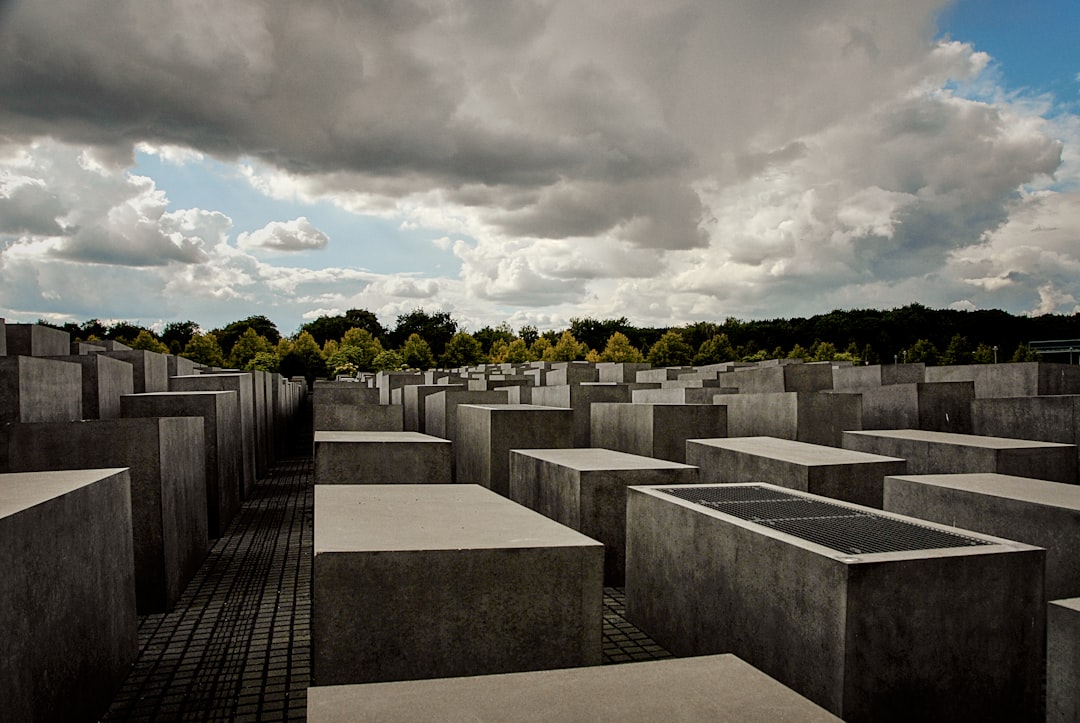
World War II remains one of cinema’s most important subjects. Films about this period serve multiple functions: they educate viewers about historical events, honor those who suffered and died, and create emotional understanding of how individuals experience global tragedy. Many significant WWII films have been shot on location in Europe, at or near actual historical sites. Visiting these locations requires particular sensitivity and thoughtfulness—these aren’t entertainment destinations but places of genuine historical trauma and meaning.
This guide addresses significant WWII film locations with the respect they deserve. We discuss the films, their production locations, and how you can visit these sites thoughtfully, understanding their historical significance beyond their cinematic presentation.
Normandy, France: Where Europe Was Liberated
Saving Private Ryan (1998)
Steven Spielberg’s Saving Private Ryan opens with perhaps the most realistic and visceral depiction of the D-Day invasion ever filmed. The sequence reconstructs the chaos, fear, and violence of soldiers wading ashore at Omaha Beach with unprecedented authenticity. The film was shot on location in Ireland (standing in for Normandy) and in Normandy itself, particularly for exterior location shots.
The film’s power comes partly from authenticity—Spielberg filmed at the actual Omaha Beach where the invasion occurred, and the landscape itself becomes a character in the narrative.
Omaha Beach, Normandy
Omaha Beach, near the town of Saint-Laurent-sur-Mer, is where American soldiers faced particularly brutal conditions during the D-Day landings. Today it’s a peaceful stretch of sandy beach backed by significant memorials and museums.
Visiting Omaha Beach:
- The beach itself is public and accessible for walking
- Multiple museums and memorials provide historical context:
– The Normandy American Cemetery (a sobering, respectful memorial with 9,387 graves)
– The D-Day Museum in Bayeux (comprehensive historical information and artifacts)
– Omaha Beach Memorial Museum
Practical Information:
Approaching the Site Respectfully:
These beaches aren’t entertainment venues. Tens of thousands of people died here. Visit with appropriate gravity. Museums provide crucial historical context; take time to engage with the information. The American Cemetery is particularly powerful—walking among thousands of white crosses creates visceral understanding of the war’s human cost.
Budget:
Poland: The Jewish Experience and Unfathomable Loss
The Pianist (2002)
Roman Polanski’s The Pianist tells the true story of Władziu Szpilman, a Jewish pianist in Warsaw who survived the Holocaust. The film was shot on location in Warsaw, using the actual city streets where the historical events occurred.
The film is unflinching in its depiction of Nazi occupation, the Warsaw Ghetto, and the horrors visited upon Poland’s Jewish population. It’s emotionally devastating but crucial cinema.
Warsaw Filming Locations:
The Warsaw Ghetto:
The historical Warsaw Ghetto, where approximately 400,000 Jews were imprisoned before being deported to death camps, is now a neighborhood of Warsaw. Much has changed, but you can walk the streets and visit:
Other Filming Locations:
Visiting Appropriately:
The Warsaw Ghetto sites are museums and memorials, not entertainment attractions. Visitors should approach with gravity and respect. Take guided tours if possible; they provide crucial historical context. The museums are comprehensive and emotionally demanding but absolutely necessary to visit if engaging with this history.
Practical Information:
Budget for Warsaw WWII Sites:
Kraków, Poland: The Holocaust and Resistance
Schindler’s List (1993)
Steven Spielberg’s Schindler’s List tells the true story of Oskar Schindler, a German industrialist who saved over a thousand Polish Jews during the Holocaust. While the film was shot primarily on studio sets, it was filmed in Kraków, Poland, and uses the actual city as its setting. The film, shot in black-and-white, creates a documentary-like atmosphere.
Kraków Filming Locations:
Kazimierz District (Jewish Quarter):
This historic neighborhood was home to Kraków’s Jewish population for centuries. During the Nazi occupation, it became a concentration point for Jews before deportation to Auschwitz. Today it’s been somewhat gentrified but retains Jewish cultural sites and history.
Oskar Schindler’s Factory:
The actual factory where Schindler employed his workers has been converted into a museum that documents both his industrial operation and his humanitarian efforts.
Auschwitz Concentration Camp:
Located about 60 km from Kraków, Auschwitz is one of history’s most important and devastating sites. While not a film location per se, it’s essential context for understanding the historical period that Schindler’s List depicts.
Visiting Auschwitz:
Auschwitz is a UNESCO World Heritage Site and memorial. Visitors should:
The experience is absolutely worth the emotional difficulty. Walking through preserved barracks, seeing the logistics of systematic genocide, and understanding the industrial scale of the Holocaust creates understanding that no film or book can fully convey.
Practical Information:
Ethical Considerations:
Holocaust sites exist to educate and honor those who died. Avoid photographing yourself in front of memorials or Auschwitz in ways that seem celebratory or disrespectful. Spend time reflecting on what you’re experiencing. These aren’t social media moments—they’re moments for genuine historical engagement.
Budget for Kraków WWII Experience:
Northern France: Dunkirk and the Channel
Dunkirk (2017)
Christopher Nolan’s Dunkirk tells the story of Operation Dynamo, the evacuation of over 300,000 Allied soldiers from Dunkirk, France, in 1940 after the Nazi conquest of France. The film was shot on location in Dunkirk and uses the actual beaches and harbor.
Dunkirk Filming Locations:
Dunkirk Beaches:
The beaches where the evacuation occurred are now peaceful swimming beaches backed by modern development. However, museums and monuments provide historical context.
Visiting Dunkirk:
Dunkirk is less developed as a tourist destination than Normandy, but it’s entirely visitable and undergoing gradual development as a WWII heritage tourism site.
Practical Information:
Northern Ireland: “Saving Private Ryan” Additional Filming
Currahí Strand, County Donegal, and Newcastle, County Down
Spielberg chose to film the D-Day sequence in Ireland, using Currahí Strand in County Donegal (a public beach) and Newcastle in County Down. While these locations didn’t witness actual combat, they were chosen for their visual similarity to Normandy and their practical advantages for filming with a large crew.
Today, Currahí Strand is a dramatic golden-sand beach backed by dunes—beautiful and accessible to visitors. Newcastle, County Down, is a seaside resort town.
Visiting:
Continental WWII Locations: Vienna, Budapest, Prague
The Boy in the Striped Pajamas (2008)
This film about a German boy and Jewish boy in a concentration camp was filmed on location in Europe, including Austria and Hungary. While emotionally difficult, it presents the war from a child’s perspective.
Band of Brothers (HBO Series, 2001)
Tom Hanks and Steven Spielberg’s 10-episode HBO series follows American soldiers from training through the European campaign. It was filmed on location across Europe:
The series is more distributed geographically than individual films and would require substantial travel to fully replicate.
Respectful WWII Tourism: Guidelines and Considerations
General Approaches to WWII Sites
- Educate Yourself First: Read about the sites before visiting. Know the history, understand what occurred there, and approach with appropriate gravity.
Suggested Multi-Country WWII History Itinerary
14-Day European WWII Sites Journey
Days 1-3: Normandy, France
Days 4-5: Dunkirk, France
Days 6-9: Warsaw and Kraków, Poland
Days 10-12: Prague and Vienna
Days 13-14: Return and Reflection
Budget for 14-Day Itinerary:
Conclusion: The Importance of Bearing Witness
Visiting WWII film locations and historical sites isn’t tourism in the conventional sense. It’s bearing witness to history, honoring those who suffered and died, and understanding how individual choices and historical circumstances created tragedy at unprecedented scale.
The films discussed here—Saving Private Ryan, The Pianist, Schindler’s List, Dunkirk, and others—use cinematic storytelling to convey historical truth. Visiting the actual locations where these stories unfolded deepens understanding in ways that films alone cannot.
These locations remain important not because films were made there, but because profound historical events occurred there. The films provide entry points and emotional context. The actual sites provide visceral, embodied understanding.
If you undertake a WWII-focused European journey, do so with respect, gravity, and genuine interest in understanding this crucial historical period. Learn the stories. Engage with museums and memorials thoughtfully. Listen to survivors’ accounts. Understand different national perspectives. The experience will be emotionally demanding but profoundly meaningful.
Europe’s WWII heritage isn’t entertainment. It’s a shared human history worth understanding, honoring, and preserving so that future generations can learn from both the horrors and the moments of humanity that emerged from this dark period.




Leave a Reply