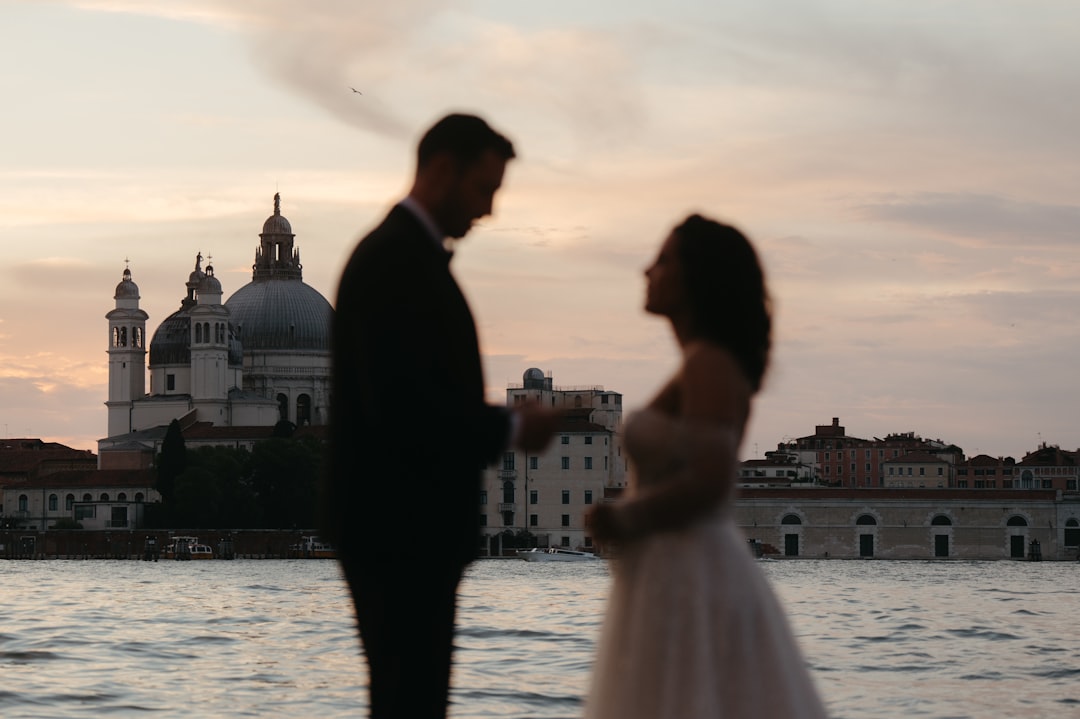
There’s something magical about European film romance. Perhaps it’s the centuries-old architecture, the winding cobblestone streets, the café culture, or simply the fact that European cities seem designed by architects who understood that beauty and romance are inseparable. Whatever the reason, romantic films set in Europe have inspired millions of people to plan European getaways in pursuit of that cinematic magic.
Whether you’re planning a honeymoon, an anniversary trip, or simply a journey through some of cinema’s most swoon-worthy locations, this guide will take you to the real places where Hollywood and European cinema captured the essence of love. These aren’t just pretty backdrops—they’re cities that have earned their reputation as romance capitals, one iconic film scene at a time.
Vienna, Austria: Before Sunrise
Richard Linklater’s Before Sunrise (1995) remains one of cinema’s greatest love letters to a city and to the possibility of connection between strangers. The film follows an American man and French woman who meet on a train to Vienna and spend one magical night walking through the city, talking, flirting, and falling in love.
Why Vienna Steals Every Scene
What makes Before Sunrise so enchanting isn’t just the dialogue—it’s Vienna itself. The city’s romantic atmosphere, with its imperial architecture, elegant cafés, and the Danube River winding through it, becomes a character in the film. Watching the film before visiting Vienna will transform your experience of the city; everywhere you turn, you’ll recognize scenes from the movie.
Essential Vienna Filming Locations
Start at the Westbahnhof (West Station), where Céline and Jesse meet. While the station isn’t as beautiful as the city itself, it’s the film’s opening location and worth a quick visit to orient yourself.
St. Stephen’s Cathedral (Stephansdom)
This Gothic masterpiece dominates Vienna’s skyline and appears throughout the film. The cathedral, located at Stephansplatz in the city center, is open to visitors. Climb the south tower for views across Vienna that match the film’s gorgeous cinematography.
The Danube Tower (Donauturm)
The young couple rides up this distinctive tower in the film, and you can too. The Donauturm, located in the Donau-City neighborhood (take U6 metro to Donaustadt), offers 360-degree views of Vienna and the Danube. The ride up the tower, with views unfolding like the film’s own cinematography, is genuinely romantic.
St. Michael’s Church and Michaelerplatz
This baroque church, located at Michaelerplatz 5, features in several scenes. The plaza itself, surrounded by elegant buildings and often quiet despite being central Vienna, captures the intimate atmosphere of the film perfectly.
The Prater and Giant Ferris Wheel
The iconic Wiener Riesenrad (Giant Ferris Wheel) is one of Vienna’s most recognizable landmarks. While not explicitly featured in Before Sunrise, it embodies the romantic Vienna the film captures. A ride at sunset is quintessentially Viennese.
Naschmarkt
This vibrant market, which has existed since the 1870s, appears in the film and remains one of Vienna’s most atmospheric spots. Wander between stalls of fresh produce, flowers, and international goods, stopping for coffee or local specialties.
Café Culture in Vienna
Before Sunrise is essentially a romance built on conversation over coffee. Embrace this by visiting Viennese coffeehouses. Try Café Prater Garten, Café Sacher (famous for its Sachertorte), or Café Schwarzenberg. In Vienna’s coffeehouses, time moves differently, and you’ll understand why the film’s long conversation scenes work so perfectly.
Verona, Italy: Letters to Juliet
If Vienna is sophisticated romance, Verona is passionate, literary romance. Letters to Juliet (2010), while more lightweight than Before Sunrise, taps into Verona’s status as the setting for Shakespeare’s Romeo and Juliet and transforms the city into a romantic pilgrimage destination.
Juliet’s Balcony
The most iconic location from Letters to Juliet is Juliet’s Balcony, located at Via Cappello 23 in the heart of Verona’s old town. This is actually the balcony of a 13th-century palazzo that has been associated with Shakespeare’s Romeo and Juliet for centuries. You can visit the balcony (expect crowds—it’s one of the world’s most visited spots), and if you’re moved to do so, write a letter to Juliet and post it on the wall. The tradition of letters to Juliet started decades ago and continues to this day.
The Surrounding Old Town
The narrow medieval streets surrounding Juliet’s Balcony are exactly as they appear in the film. Wander Verona’s centro storico, with its red-brick buildings, arched passages, and hidden plazas. The area feels frozen in time and is genuinely magical, especially in the early morning before tourist crowds arrive.
The Arena (Anfiteatro Romano)
This massive Roman amphitheater, built in the 1st century and one of the best-preserved in the world, dominates Piazza Bra in central Verona. While not a filming location for Letters to Juliet, it embodies the ancient romance of the city and is spectacular. If you visit in summer, you might catch an opera performance—nothing says “Verona romance” like watching La Traviata in a 2,000-year-old arena.
Piazza delle Erbe (Vegetable Square)
This lively square in the heart of Verona has been a marketplace since Roman times. Surrounded by medieval palaces and fountains, it’s one of Verona’s most atmospheric spots and perfect for a romantic lunch or coffee.
Ponte Pietra (Stone Bridge)
This ancient Roman bridge crossing the Adige River offers one of Verona’s most photogenic views. Walking across it at sunset, with the city’s terracotta roofs glowing in golden light, captures the romantic Verona that draws millions of visitors.
Practical Information: Verona is easily reached from Milan (about 2 hours by train) or Venice (about 2 hours by train). Plan to spend at least 2-3 days to fully appreciate the city beyond just the Juliet tourism.
Paris, France: Amélie
Amélie (2001) is perhaps the most quotably romantic film ever made, and Paris is its canvas. The film follows a shy waitress as she navigates Parisian life, fall in love, and learns to embrace the magic in everyday moments. More than any other film, Amélie has defined how people imagine Paris.
Montmartre: Amélie’s Neighborhood
Montmartre, the hilltop neighborhood in northern Paris, is where Amélie takes place and where much of the film was shot. This bohemian district has been associated with artists and romance for centuries, and Amélie crystallized its status as cinema’s most romantic neighborhood.
Start at Café des Deux Moulins, located at 15 rue Lepic, where Amélie works as a waitress. This is a real café where you can sit at the actual tables from the film and order a coffee while watching tourists attempt to recreate the film’s most iconic images.
The Sacré-Cœur Basilica
Perched at the top of Montmartre, this white Romano-Byzantine basilica dominates the neighborhood and appears throughout Amélie. The views from in front of the basilica, looking out over Paris, are genuinely spectacular. Climb the interior dome for even more breathtaking vistas.
Rue Lepic and Rue des Trois Frères
These charming streets in Montmartre, with their cafés, vintage shops, and neighborhood character, appear throughout the film. Wander these streets with no particular destination—that’s exactly the spirit of Amélie.
The Métro Abbesses Station
This distinctive Art Nouveau métro station, with its curved roof and ornate iron railings, is featured in the film and remains one of Paris’s most beautiful metro stations. Just riding the métro in Paris feels romantic after watching Amélie.
Pont des Arts (Pedestrian Bridge)
This iron footbridge crossing the Seine, once famous for the tradition of couples attaching padlocks, appears in many romantic Paris films. While the padlocks were removed for maintenance reasons, the bridge remains magical. Cross it at dusk with someone special.
The Musée de Montmartre
For a deeper understanding of Montmartre’s artistic heritage and its role in Paris’s cultural history, visit this museum in Montmartre’s oldest house.
A Warning About Montmartre Tourism
While Montmartre is genuinely charming, it’s also heavily touristed. To experience it as Amélie does, visit early in the morning or late in the evening, when crowds diminish and the neighborhood reclaims its authentic character.
Rome, Italy: Roman Holiday
William Wyler’s Roman Holiday (1953) is a timeless romantic film, and Rome itself is as much a character as Audrey Hepburn. While much has changed in Rome since 1953, the city’s essential magic remains.
The Trevi Fountain (Fontana di Trevi)
This Baroque masterpiece is perhaps the world’s most iconic fountain, and it’s featured memorably in Roman Holiday. In the film, Princess Ann (Hepburn) throws a coin in the fountain, as legend has it, to ensure she’ll return to Rome. The tradition persists—visitors throw coins while making wishes. Arrive early in the morning to avoid crowds.
The Spanish Steps (Scalinata di Trinità dei Monti)
These 135 steps are one of Rome’s most romantic locations. In Roman Holiday, Ann and Joe (Gregory Peck) sit on these steps eating gelato—one of cinema’s most perfectly romantic moments. The steps, which lead up to the church of Trinità dei Monti, are still crowded with visitors and locals enjoying the view over Rome.
The Colosseum
This ancient amphitheater, one of the world’s greatest architectural achievements, dominates Rome’s landscape. While not a filming location for Roman Holiday, it represents the eternal grandeur that makes Rome eternally romantic.
The Roman Forum and Palatine Hill
These archaeological sites, where Ancient Rome’s most important buildings once stood, are where Audrey Hepburn’s character gets a taste of Rome’s history. Walking through these ruins, with the modern city rising beyond, is genuinely moving.
The Tiber Island and Bridges
The Tiber River winds through Rome, and its various bridges—particularly Ponte Sant’Angelo—offer romantic views. Walking across the bridges at different times of day, you’ll see how Rome’s light transforms the city.
Practical Information: Rome’s historic center is navigable on foot, though distances are greater than they initially appear. Wear comfortable shoes and take frequent breaks at cafés. The city is best explored by walking, getting briefly lost, and discovering unexpected piazzas and fountains.
Greece: Mamma Mia!
While not a traditionally “romantic” film, Mamma Mia! (2008) and its sequel capture a different kind of romance—the romance of friendship, music, and Mediterranean escape.
Skopelos Island
The film was primarily shot on Skopelos, a small Greek island that has experienced an explosion in tourism since the film’s release. The fictional village of Kalokairi doesn’t exist, but scenes were filmed throughout the island.
The white-washed church featured in the film is the real Church of Agios Ioannis (St. John), accessed by a steep staircase down a clifftside overlooking the Aegean. The views from the church are genuinely breathtaking.
How to Get There: From Athens, take a flight to Skiathos Island, then a ferry to Skopelos (about 45 minutes). From Skopelos town, rent a scooter or car to explore the island and discover Mamma Mia! locations.
Sporades Islands Generally
While Skopelos is the primary filming location, the Sporades Islands more broadly offer the Greek island experience the film captures. Exploring multiple islands gives you a fuller picture of the Mediterranean magic.
Planning Your Romantic European Film Tour
A 3-Week Romantic Journey
Week 1: Austria and Hungary
- Days 1-4: Vienna (experience Before Sunrise, explore the city’s romantic cafés and architecture)
- Days 4-7: Optional: Budapest for its own Danube romance
Week 2: Italy
Week 3: France and Greece
This itinerary can be adjusted based on your timeline and interests. The key is allowing enough time in each city to move beyond the famous filming locations and discover the cities themselves.
Alternative 10-Day Itinerary (Italy-Focused)
Days 1-4: Verona (Juliet, Shakespeare, ancient Rome)
Days 5-7: Lake Como region (gorgeous Italian lakes, though not a film location, incredibly romantic)
Days 8-10: Rome (Roman Holiday, history, grandeur)
Romantic Extras: Experiences Beyond Film Locations
Wine Regions and Romantic Dinners
Cooking Classes and Food Experiences
Many European cities offer romantic cooking classes. In Rome, learn to make fresh pasta. In Paris, take a pastry class. In Vienna, attend a Sachertorte-making workshop.
Train Journeys
Several European train journeys are romantic experiences themselves:
Conclusion: Cinematic Romance Awaits
European cinema has given us an indelible image of romance—one that drives millions of visitors to walk the same streets as film characters, hoping to experience even a fraction of that magic. The extraordinary truth is that these cities live up to the hype.
Vienna’s imperial elegance, Verona’s literary passion, Paris’s artistic soul, Rome’s ancient grandeur, and the Mediterranean’s island magic aren’t just Hollywood constructions. They’re real places that have inspired romance for centuries, and cinema simply captured what was already there.
When you visit these filming locations, you’re not just walking through a movie set. You’re experiencing the real cities that have made countless people fall in love—both with each other and with Europe itself. That’s the true magic of romantic European film tourism.




Leave a Reply