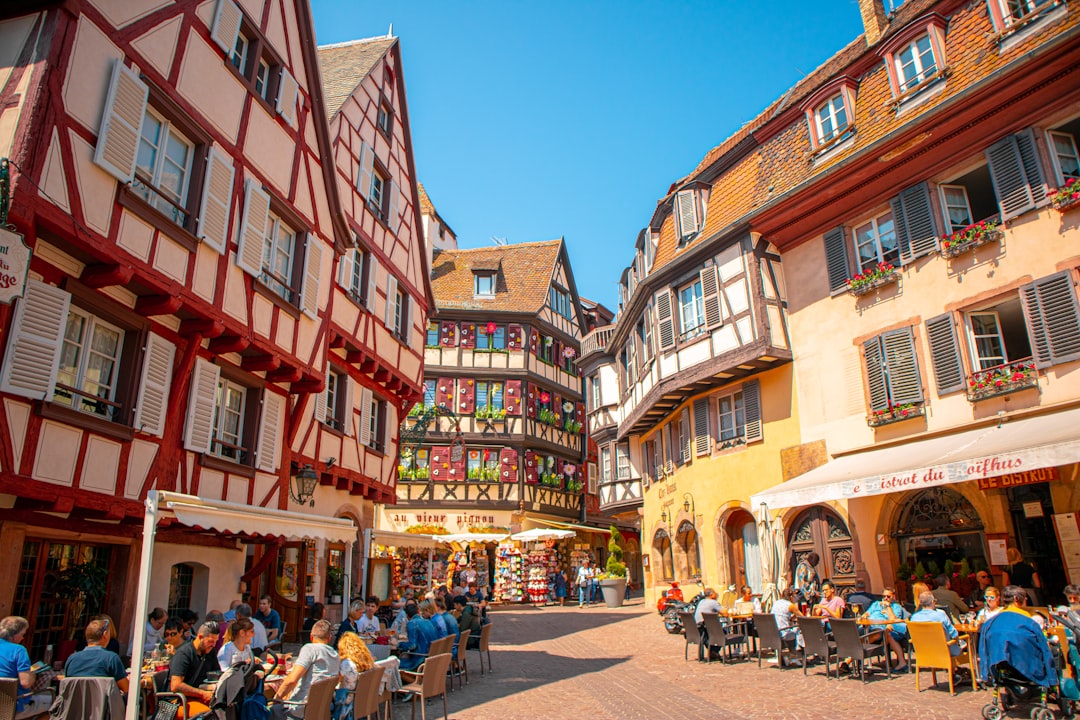
Introduction: A Time-Traveling Romance with the City
Woody Allen’s Midnight in Paris (2011) is perhaps the ultimate romantic film about Paris. Unlike Amélie, which finds magic in the mundane, or Emily in Paris, which wraps Paris in contemporary glamour, Midnight in Paris is a love letter to Paris across time. The film follows Gil Pender, a successful Hollywood screenwriter struggling with creative and romantic dissatisfaction, who discovers that at midnight Paris transports him to the 1920s—the era he’s obsessed with, the era of Hemingway, Fitzgerald, and the Lost Generation.
What makes the film special for location scouts is that it captures not just Paris’s physical beauty but the idea of Paris as a destination for dreamers, artists, and romantics. Every street corner, every river view, every neighborhood has emotional weight. Allen filmed extensively on location throughout Paris, and nearly every significant scene takes place at a real, identifiable location that you can visit today. The film creates a perfect walking guide to Paris’s most romantic and culturally rich neighborhoods.
The Opening Montage: A Love Letter in Pictures
The film opens with a 10-minute montage of Paris at different times of day and in different seasons, set to a jazzy piano score. These shots establish the emotional tone: Paris is not just a city; it’s a character, a lover, a destination for the soul. The montage includes:
- The Eiffel Tower: Shot at various times of day and from various angles, establishing the most iconic symbol of Paris
- The Seine: Morning mist, bridges, reflections in water, the rhythm of the city
- Sacré-Cœur: The white basilica gleaming on the Montmartre hill
- Parisian streets: Narrow, winding, tree-lined, filled with cafés and small shops
- Arc de Triomphe: Viewed from various perspectives, always impressive
- Versailles: The palace and its gardens, representing formal beauty and historical grandeur
These aren’t just postcards. Allen’s cinematography makes these locations feel intimate and personal, as if Paris is singing directly to you. The film’s color palette—warm golds, soft blues, muted greens—makes even familiar scenes feel fresh and romantic.
How to experience it: Walk through any of these locations while remembering the opening montage. The Eiffel Tower, Notre-Dame (which was still intact when the film was made), the Seine banks, the bridges, and the quiet streets all become more meaningful when viewed as Allen framed them. The goal isn’t to recreate the shots but to feel the emotion Allen captured.
Gil’s Walks Along the Seine
Throughout the film, Gil wanders along the Seine, thinking, dreaming, and falling in love with Paris. The Seine is central to the film’s romantic geography. Much of the movie involves Gil walking along the Left Bank and Right Bank, crossing bridges, and observing the city from the water’s perspective.
The most romantic stretches of the Seine for walking are:
Île Saint-Louis: This tiny island in the middle of the Seine is exclusively residential and features charming 17th-century buildings. Walking around Île Saint-Louis feels like stepping into another era. The waterside paths offer perfect views of Notre-Dame and the Seine.
Left Bank near Notre-Dame: The streets behind Notre-Dame, on the Left Bank, are filled with small bookshops (including the famous Shakespeare and Company), cafés, and narrow streets that embody intellectual Paris.
Pont des Arts and surrounding area: This pedestrian bridge (recently reopened after renovation) offers stunning views up and down the Seine and is one of the most romantic spots in Paris.
Visiting tip: The best way to experience the Seine as Allen frames it is to walk slowly, without a specific destination. Rent a bike or take a river boat cruise if you prefer a different perspective. Early morning walks (6-8 AM) are especially magical, with fewer tourists and softer light.
The Steps Where the Car Picks Him Up: Place de l’Étoile and Beyond
One of the film’s key scenes takes place at night on a quiet set of steps where Gil is picked up by a vintage car that transports him to the 1920s. This location is near the Place de l’Étoile (now Place Charles de Gaulle), the famous traffic circle surrounding the Arc de Triomphe.
The 8th arrondissement, where the Place de l’Étoile is located, represents Paris’s formal, aristocratic side. The architecture is grand, the streets are wide, and the atmosphere is upscale and refined. This is where Gil begins his magical nighttime journeys.
Visiting tip: The Place de l’Étoile/Charles de Gaulle is famous for its chaotic traffic circle. The Arc de Triomphe sits in the center, and you can visit it (climb the stairs to the top for 360-degree Paris views, €13). The surrounding streets, especially the Champs-Élysées leading away from the Arc, are lined with high-end shops and restaurants. Walk the area at night to feel the same atmosphere that triggers Gil’s magical journey.
Versailles: The Palace Beyond the City
Several scenes in Midnight in Paris take place at Versailles, the sprawling palace and gardens outside Paris proper. In the film, Versailles represents formal beauty, historical grandeur, and the weight of tradition. When Gil visits Versailles with Inez (his fiancée), the film uses the palace to explore the tension between following tradition and following your dreams.
Versailles is approximately 17 kilometers southwest of central Paris and is easily accessible by train (RER Line C from central Paris, about 30 minutes). The palace is one of the world’s most magnificent structures, with hundreds of rooms, sprawling gardens, and profound historical significance. It’s also one of Europe’s most visited tourist attractions, which means crowds.
What to expect: Plan a full day for Versailles. The palace tour alone takes 2-3 hours. The gardens are vast and can be explored for another 2-4 hours depending on your pace. Budget €20 for palace entry (gardens are separate, around €11, or included with palace tickets depending on what package you purchase).
Best strategy: Visit Versailles on a weekday if possible. Arrive early (opening time is 9 AM) and head straight to the most popular rooms to beat crowds. Consider visiting the gardens on a separate occasion from the palace, or rent a bike to cover more ground.
Visiting tip: The Hall of Mirrors is the most famous room and is worth seeing, but the true magic of Versailles is in the smaller, less crowded rooms and the expansive gardens. Walk where Louis XIV walked, sit in the gardens, and contemplate the power and resources required to build such a place. This is history made physical.
Monet’s Gardens at Giverny: Art Made Landscape
In Midnight in Paris, Gil’s dreams involve not just meeting Hemingway and Fitzgerald but immersing himself in the art and aesthetics of the 1920s. The film briefly references Giverny, the small village where Claude Monet lived and painted. While Giverny itself isn’t extensively featured in the movie, it represents the Impressionist aesthetic that influenced the entire era Gil romanticizes.
Giverny is located about 80 kilometers northwest of Paris, near the town of Vernon. Monet’s house and gardens are now a museum and one of France‘s most beautiful locations. The gardens feature the famous Japanese bridge, water lily pond, and flower beds that inspired some of the world’s most beloved paintings.
Getting there: Take a train from central Paris to Vernon (Rouen line), then a shuttle bus or taxi to Giverny (about 15 minutes). The complete journey takes 1.5-2 hours each way.
What to expect: The house and gardens are spectacular and deeply moving, especially if you love Impressionist art. However, expect crowds—Giverny attracts thousands of visitors daily. The gardens are at their most beautiful in late spring and early summer (May-June) when flowers are in full bloom.
Budget: €11 for museum entry. The visit typically takes 2-3 hours if you move at a comfortable pace.
Visiting tip: Rent a bicycle in Vernon and cycle the scenic 5 kilometers to Giverny along the Seine. This is a lovely, romantic journey that embodies the slower pace Gil seeks.
The Rodin Museum: Sculptures and Gardens
While not explicitly featured in Midnight in Paris, the Rodin Museum (Musée Rodin) in Paris embodies the artistic Paris that Gil loves. Located at 77 Rue de Varenne (7th arrondissement), near the Invalides, the museum occupies the beautiful Hôtel Biron and its surrounding gardens.
The Rodin Museum features the largest collection of Auguste Rodin’s sculptures, including “The Thinker,” “The Gates of Hell,” and dozens of other masterpieces. The gardens are themselves works of art, with sculptures placed throughout, creating a perfect blend of art, nature, and beauty.
Visiting tip: The gardens are often less crowded than the interior museum spaces. On a warm afternoon, sit in the gardens, surrounded by Rodin’s sculptures, and feel the artistic sensibility that inspires Gil in the film. The juxtaposition of art and nature perfectly captures the aesthetic the film celebrates.
Budget: €14 for museum and garden access.
Finding Hemingway’s, Fitzgerald’s, and Stein’s Paris
The spiritual heart of Midnight in Paris is finding the real Paris of the 1920s Lost Generation—the Paris that Hemingway, F. Scott Fitzgerald, Gertrude Stein, and others inhabited. While you can’t actually meet these figures at midnight, you can visit the real places they frequented:
The Ritz Paris Bar (36 Place Vendôme, 1st arrondissement): Hemingway’s favorite haunt, where he allegedly held a “liberation party” in 1944. The bar still exists and welcomes visitors. Drinks are expensive (€15-20), but the experience is priceless if you’re an Hemingway fan.
La Closerie des Lilas (171 Boulevard du Montparnasse, 6th arrondissement): A legendary café where Hemingway, Fitzgerald, and other expatriate writers gathered. The café still functions and has a restaurant. The atmosphere has become more touristy but retains historical charm.
Gertrude Stein’s apartment (27 Rue de Fleurus, 6th arrondissement): This is where Stein held famous salons attended by Picasso, Matisse, and other artists. The apartment is private and not open to visitors, but you can walk past the building and imagine the intellectual ferment that occurred there.
Shakespeare and Company Bookshop (37 Rue de la Bûcherie, 5th arrondissement): The legendary English-language bookshop in the Latin Quarter, where Hemingway and others spent time. The bookshop is now a touristy but charming destination, selling books and merchandise. Browse the shelves and sit upstairs in the cozy reading areas.
Visiting strategy: Spend a day exploring these literary landmarks. Start with Shakespeare and Company, walk along the Left Bank, have lunch at La Closerie des Lilas, visit the Musée Rodin, and end with a drink at the Ritz Bar. This itinerary traces the footsteps of the figures Gil meets in his dreams.
A Walking Tour: Gil’s Paris
Here’s how to structure a day following Gil’s romantic journey through Paris:
Morning (8-10 AM):
Start with a sunrise walk along the Seine, either on the Left Bank near Notre-Dame or on the Île Saint-Louis. This mimics the opening montage and gets you in the romantic mindset.
Late Morning (10 AM-12:30 PM):
Visit Shakespeare and Company Bookshop. Browse the shelves, buy a book, and soak in the literary atmosphere. The surrounding neighborhood (Latin Quarter) is charming for wandering.
Lunch (12:30-2 PM):
Eat lunch at a sidewalk café in the Latin Quarter or at La Closerie des Lilas if you want to follow the Hemingway connection.
Afternoon (2-5 PM):
Visit the Rodin Museum. Spend time in the gardens and in front of sculptures. The atmosphere is deeply meditative and perfectly aligned with the film’s romantic tone.
Late Afternoon (5-7 PM):
Take the metro to the Arc de Triomphe / Place de l’Étoile area. Walk around the 8th arrondissement, perhaps browsing the Champs-Élysées. Experience the formal Paris that contrasts with the bohemian left bank.
Evening:
Return to the Left Bank for dinner at a neighborhood restaurant (not a tourist trap). Walk across a Seine bridge as darkness falls—this is when magic happens in the film.
After Dinner (10 PM onwards):
If you’re romantic or imaginative enough, stay out near midnight and hope for a magical vintage car to appear! Realistically, enjoy a nighttime walk along the Seine or find a jazz bar in the Marais or Latin Quarter.
The Message of Midnight in Paris
The film’s ultimate message is bittersweet: we romanticize the past, we wish we could escape the present, but life—imperfect, frustrating, real life—is happening now. Paris, both in its historical beauty and in its present reality, is where we learn this lesson. The locations matter not because they’re famous but because they’re real places that real people inhabit, love, and struggle in, across generations.
Practical Information
Best season: Spring (April-May) and fall (September-October) when weather is mild and the city is less crowded but still vibrant.
Budget for a day: €30-50 for museum entries (Rodin, Shakespeare and Company is free), €15-30 for meals if you eat at neighborhood bistros (more if you eat at famous cafés like La Closerie des Lilas).
Weather considerations: The film’s romantic atmosphere is enhanced by mild weather and soft light. Rainy days are also romantic but require umbrellas and patience.
Physical demands: This itinerary involves considerable walking. Wear comfortable shoes and expect to walk 10+ kilometers in a day.
The real takeaway: Don’t just visit these locations; spend time in them. Sit on a bench in the Rodin gardens. Read a book in Shakespeare and Company. Have a slow coffee at a café overlooking the Seine. The magic of Midnight in Paris comes not from seeing the locations but from inhabiting them the way Gil learns to inhabit Paris.




Leave a Reply