The Ionian Islands, located off Greece‘s western coast, have increasingly attracted international film and television productions. Two significant contemporary productions—the 2022 film Knives Out: Glass Onion and the 2016-2019 ITV television series The Durrells in Corfu—have brought the Ionian Islands, particularly Corfu, into prominent view for cinema tourism. These productions represent different approaches to Greek island storytelling: one a high-concept murder mystery set on a fictional Greek island, the other a period drama based on true events centered on Corfu’s charm.
Glass Onion’s Spyros Island: Zakynthos and Porto Zante
Rian Johnson’s 2022 film Knives Out: Glass Onion, the sequel to his 2019 hit Knives Out, relocates its ensemble cast and interwoven murder mystery to a private island in the Aegean. While the island is fictional in the narrative, the production filmed extensively on the real island of Zakynthos, specifically at the luxury resort Porto Zante.
Zakynthos is the southernmost of the Ionian Islands, famous for its sea turtles and dramatic seaside cliffs. The island has developed considerably as a tourist destination, with both luxury resorts and more modest establishments. Porto Zante is a high-end resort situated on a beautiful section of Zakynthos’s coast, offering the kind of exclusive, contained setting that a murder mystery film requires.
Glass Onion’s Setting: The film’s setting—a billionaire’s private island retreat where murder unfolds—required an exclusive location that could contain all characters within a defined geography while offering visual spectacle. Porto Zante provided this: a luxury resort with modern architecture, excellent views, and the ability to control access for filming purposes. The resort’s clifftop location overlooking the Aegean offered the dramatic visual backdrops that Johnson’s cinematography emphasizes.
Visiting Zakynthos and Porto Zante: Zakynthos is reached by ferry from mainland ports or by air to the island’s small airport. The famous Navagio Beach (Shipwreck Beach), with its dramatic cliffs and the rusted remains of a shipwreck, is Zakynthos’s iconic image and worth visiting regardless of film connections. Porto Zante is a luxury all-inclusive resort; visiting requires booking accommodation there or arranging day passes to visit the grounds. The resort’s clifftop setting and modern amenities make it appealing for leisure visits, though it’s considerably more expensive than typical Greek island accommodations.
For budget-conscious travelers, Zakynthos Town (the capital) and various smaller villages offer more accessible accommodations while still allowing exploration of the island’s coastline and natural attractions.
The Durrells in Corfu: Period Drama and Literary History
The ITV series The Durrells in Corfu, which ran from 2016 to 2019 for four seasons, presents a considerably different approach to Greek island storytelling. The series dramatizes the true story of Gerald Durrell (the famous naturalist and author) and his eccentric family, who relocated to the Greek island of Corfu in 1935 to escape financial pressures in England.
Gerald Durrell’s memoir My Family and Other Animals, published in 1956, became a beloved classic, capturing childhood wonder, natural history fascination, and the particular charm of 1930s Corfu. The television series, starring Keeley Hawes as Louisa Durrell (the mother) and Callum Woodhouse as Gerald, brings this memoir to vivid life while dramatizing events and relationships.
Corfu, the northernmost of the Ionian Islands, lies close to the Albanian coast and has a particularly rich history shaped by Venetian, French, and British influences. The island retains architectural elements from these periods, particularly in Corfu Town with its French-influenced fortifications and arcaded streets. The island’s interior features olive groves, charming villages, and landscapes that genuinely resemble the environments young Gerald Durrell would have explored in the 1930s.
Corfu Town: Where History Layers Across Centuries
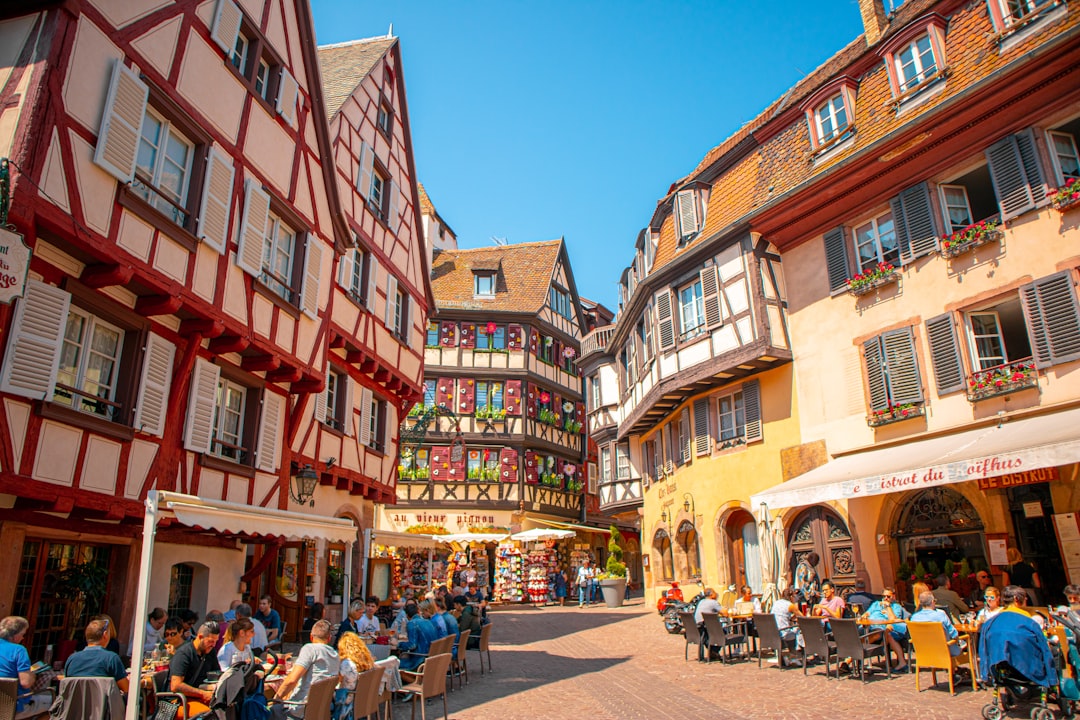
Corfu Town, the capital, was extensively used for The Durrells filming, with its distinctive architecture providing period authenticity. The town’s main street, the Liston (a Venetian arcade structure that inspired Prosper Mérimée and influenced European urban design), is recognizable from the series. The town features French-influenced neoclassical architecture, Italian influences, and British colonial touches—the layering of centuries of occupation visible in architecture and street layout.
Visiting Corfu Town: The town is reached by ferry from the mainland port of Igoumenitsa (about 2 hours) or from other Ionian islands, or by air to the island’s international airport. The Liston is the heart of Corfu Town, lined with cafes, restaurants, and shops—perfect for people-watching and understanding the town’s contemporary social rhythm. The Old Fortress (Palaiokastritsa) offers views across the town and sea. The Archaeological Museum houses artifacts spanning centuries of occupation and settlement.
Wander the backstreets away from the Liston to find authentic local neighborhoods, small family tavernas, and the working town beneath tourist infrastructure. The Spianada (main plaza) is where locals gather in the evening. The whole town has a European elegance unusual for Greek islands—part Italian, part French, part British, part Greek—that makes it feel geographically distinct from other Ionian locations.
Danilia Village: The Durrells’ Corfu
The actual family house where the Durrells lived was in the village of Danilia on Corfu’s northwest coast, though it no longer exists. However, understanding the landscape the family inhabited enriches appreciation of the series. The area features olive groves, coastal cliffs, small traditional villages, and the kind of rural Mediterranean landscape that young Gerald would have explored while collecting specimens for his natural history specimens and observations.
The village of Kalami, also on the northeast coast, is another location associated with the Durrell family experience. The peaceful harbor village retains an authentic charm and offers swimming and seaside tavernas.
Visiting the Northeast Coast: Rent a car or take local buses to explore the northeast coast, visiting villages like Danilia and Kalami. These areas remain relatively undeveloped and offer authentic glimpses into rural Corfu life. The landscapes are beautiful and, importantly, unchanged from the 1930s beyond modern amenities. Walking through these villages, you’re experiencing the geography that shaped young Gerald Durrell’s explorations and observations.
The Authentic and the Dramatized
The Durrells in Corfu succeeds by balancing historical fidelity with dramatic narrative. Gerald Durrell’s memoir is genuinely beautifully written, capturing the wonder of childhood discovery and the peculiar charm of 1930s Corfu. The series dramatizes events and relationships (adding romance and interpersonal drama) while capturing the memoir’s essential spirit—that Corfu was enchanting, that nature was endlessly fascinating, and that one family’s decision to relocate to this island changed everyone’s lives fundamentally.
The series demonstrates how accurate location filming can enhance period drama. By using Corfu’s actual architecture, streets, and landscapes, the production grounds viewers in a specific place and time rather than abstract settings. When you watch the Durrells navigate Corfu Town’s streets or explore olive groves and rocky coastlines, you’re seeing real geography that exists unchanged.
Glass Onion’s Murder and Glass Onion’s Beauty
In contrast, Glass Onion uses Greek island setting as aesthetic backdrop rather than as character. The island is a plot mechanism—an enclosed location where murder can unfold—rather than a place with history or cultural depth. The film’s production values are stunning, the cinematography emphasizes the island’s visual drama, but the location is fundamentally interchangeable; a similar film could be set on any beautiful private island with dramatic cliffs and luxury accommodations.
This difference reflects different filmmaking approaches: The Durrells is specifically about Corfu and rooted in historical events; Glass Onion uses “Greek island” as a signifier of luxury and beauty rather than exploring a specific place’s particularity.
Combining Corfu and Zakynthos Tourism
For a comprehensive Ionian Islands cinema tourism experience:
- Fly into Corfu (the northernmost island with an international airport)
The Literature Connection
Part of Corfu’s cinema appeal stems from its literary associations. Beyond Gerald Durrell, the island inspired other writers including Lawrence Durrell (Gerald’s brother) and remains associated with literary travel narratives. Visiting Corfu connects to English literary tradition in surprising ways—a Greek island shaped by British colonial experience and hosting British writers.
The Corfu Reading Society and various literary organizations maintain interest in the island’s literary heritage. If interested, research local literary bookstores or organizations that might offer readings or discussions related to Durrell’s work.
Beyond the Productions
Corfu offers numerous attractions beyond filming locations. The Achilleion Palace, a stunning mansion built by Empress Elisabeth of Austria (Sissi), dominates a hilltop with views across the Ionian Sea. Paleokastritsa, a village on the west coast, offers dramatic coastal scenery and beach access. Hiking trails cross the interior, offering olive groves and mountain villages. Local wines, particularly Corfu’s traditional beverages, provide tastes of local production.
Zakynthos, beyond its filming connections, features the famous loggerhead sea turtles that nest on beaches—guided turtle-watching tours are available. The island’s interior features villages and traditional customs that remain authentic despite tourist development.
The Ionian Islands’ Cinematic Future
The Ionian Islands’ increasing prominence in international productions reflects both their visual appeal and their relative geographic accessibility to major European markets. Unlike the more remote Aegean islands, the Ionian Islands are closer to Italy and mainland Europe, making them practical for large-scale productions.
For cinema tourists, this means that visiting the Ionian Islands increasingly involves following film and television productions while also engaging with the islands’ genuine history, culture, and natural beauty. The productions enhance awareness of these places, but the islands’ true appeal transcends their cinematic representation.
Come to Corfu to follow The Durrells in Corfu, but stay to experience the landscape that inspired a naturalist’s childhood wonder. Come to Zakynthos for Glass Onion if that appeals, but definitely visit Navagio Beach and encounter the island’s true iconic image—those dramatic cliffs and the authentic shipwreck that no film set could improve upon.




Leave a Reply