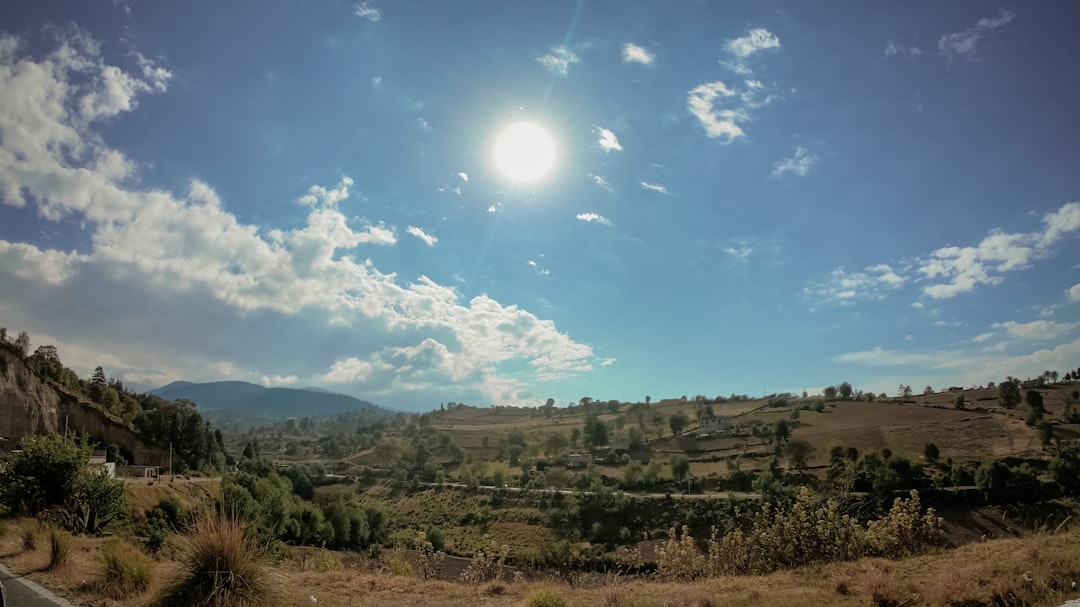
Tuscany has become cinema’s idyllic fantasy of rural Italy—rolling hills, cypress-lined roads, rustic stone villas, vineyards stretching to horizons. The landscape is visually so perfect that it almost seems designed specifically for filmmaking. In fact, what we see on screen reflects genuine Tuscan beauty, though the reality of living in these picturesque landscapes involves considerably more practicality than cinema suggests.
Three major films have crystallized Tuscany’s image in global imagination: “A Room with a View” (1985), “Stealing Beauty” (1996), and “Under the Tuscan Sun” (2003). Each portrays Tuscany as a place where foreigners arrive to discover themselves, where landscape facilitates transformation, where beauty promises redemption. While this romanticizes what is ultimately a region where ordinary people live ordinary lives, these films have also generated substantial tourism that supports local economies.
Cortona: The Tuscan Dream Made Physical
Cortona, a hillside town in southern Tuscany, became the primary location for “Under the Tuscan Sun” (2003), the film that perhaps most thoroughly embodies the Tuscan fantasy. Diane Lane’s character arrives in Tuscany after a divorce, purchases a decaying villa on impulse, and gradually transforms herself through immersion in Italian life and landscape.
Cortona is a medieval town of around 2,200 residents. The film brought international attention that transformed its tourism economy and cultural profile. Tour groups now arrive specifically to see “Under the Tuscan Sun” locations. The Bramasole villa itself (the film’s central symbol) sits just outside Cortona’s walls and has become a pilgrimage point.
The villa’s owner was initially resistant to the film’s tourism implications. The property isn’t open for tourist visits, but you can photograph it from the road. The villa appears frequently in establishing shots, always positioned against Tuscan hillside views that showcase the landscape’s gentle beauty.
Cortona itself is easily navigated and manageable in size. The town sits on a steep hillside; central areas are pedestrianized. The piazzas offer views across Tuscan landscape toward Lake Trasimeno. Cortona has restaurants, cafes, shops, and accommodations ranging from budget guesthouses to luxury hotels.
Practical Information: Cortona is located in the province of Arezzo. Distance from Florence is roughly 150km (2.5-3 hours by car). The town is accessible by train (connecting through Arezzo). Accommodations range €50-200 per night depending on category. Book in advance during peak season (May-September).
Stay overnight to experience Cortona at different times of day. Early morning light is exceptional. The town becomes crowded with tour groups in midday; late afternoon is better. Many excellent restaurants focus on traditional Tuscan cuisine: ribollita (bread and vegetable soup), bistecca alla fiorentina (grilled steak), handmade pappardelle with wild boar sauce.
Walk the town’s central streets (Via Nationale, Piazza della Repubblica). Visit the Museo dell’Accademia (art museum with works by local Renaissance masters). The Cathedral of Cortona has Renaissance art worth 30 minutes viewing.
The Bramasole Villa and Tuscan Countryside
While the actual villa isn’t publicly accessible, the surrounding countryside where it sits is. Rent a car and drive the roads outside Cortona toward Montepulciano. The landscape you see—rolling golden hills, cypress trees punctuating ridgelines, distant hilltop towns—is the Tuscany of “Under the Tuscan Sun.”
The film’s genius is recognizing that the landscape itself is the primary character. The villa matters less than the experience of living surrounded by this overwhelming natural beauty. Watching vines grow, seasons change the light, and daily life unfold against these backdrops supposedly teaches you to slow down and appreciate the present.
Whether this philosophy works in reality (spoiler: it’s complicated) matters less than understanding why filmmakers are drawn to Tuscany. The landscape genuinely is exceptional. It’s been shaped by millennia of human activity—terraced vineyards, arranged orchards, positioned towns—into something that looks natural but is actually cultivated harmony between human needs and landscape constraints.
Val d’Orcia and Crete Senesi: The Pienza Landscape
Extending east from Cortona toward Montepulciano and Pienza lies some of Tuscany’s most cinematically photogenic landscape. The Val d’Orcia (Orcia Valley) features undulating hills with minimal trees, creating waves of golden grass and dark soil. Crete Senesi (meaning “Senese Clays”) stretches across eastern Tuscany as badlands of gray clay, creating dramatic color contrast.
These landscapes appear in numerous films, not because specific productions based themselves here, but because the scenery is irresistible. Photographers come here specifically to capture the rolling hills, often timing visits to coincide with golden hour.
Towns in this region include Pienza (birthplace of Renaissance urbanism), Montepulciano (wine-focused hill town), and San Quirico d’Orcia (smaller and less crowded). All three are worth visiting for their architecture and positions within the landscape.
Visiting the Southern Tuscany Landscape: Base yourself in Montepulciano or Pienza for 2-3 days. Both towns have accommodations, restaurants, and wine-tasting opportunities. Drive the roads between them. Stop whenever landscape appeals to you. Visit countryside around dawn or sunset when light is optimal.
Montepulciano is known for Vino Nobile di Montepulciano (red wine). Pienza is known for pecorino cheese. Both are excellent reasons to visit. Local wine shops offer tastings and sales; buying directly supports local producers more than purchasing elsewhere.
The countryside between towns reveals Italy’s layered history: ancient Roman roads (some still in use), medieval fortifications, Renaissance villas, and contemporary agricultural operations. You’re seeing landscape shaped by two millennia of continuous human habitation.
Florence and Piazzale Michelangelo: The Classic View
While “Under the Tuscan Sun” is set in countryside, Florence (Firenze) is unavoidable in Tuscan tourism. The city is Tuscany’s cultural and historical heart. Most visitors spend 2-4 days here exploring the Cathedral, Uffizi Gallery, Accademia (home to Michelangelo’s David), and countless other Renaissance masterpieces.
Piazzale Michelangelo offers the classic view of Florence: the Duomo, the Ponte Vecchio, the Arno River, surrounding hills all arranged for maximum visual impact. It’s crowded, especially sunset, but worth the visit. Early morning light is excellent; come by 7:30am to avoid crowds.
A Room with a View: Florence’s Renaissance Architecture
James Ivory and Ismail Merchant’s “A Room with a View” (1985), adapted from E.M. Forster’s novel, uses Florence less as romantic setting than as cultural initiation. The film opens with Lucy Honeychurch arriving in Florence to be culturally educated before returning to England to eventually break social conventions.
The film uses actual Renaissance locations—the Cathedral, the Ponte Vecchio, the Uffizi Gallery, Florence’s piazzas. These appear not as exotic backdrops but as spaces where a young woman encounters art, architecture, and alternative ways of being.
The film’s genius is recognizing that Florence’s beauty isn’t separate from its cultural significance. You’re not just seeing buildings; you’re seeing repositories of Renaissance thought and aesthetic achievement. Culture and place are inseparable.
The Palazzo and Churches: Architectural Language
“A Room with a View” uses Florence’s architectural elements to express emotional subtext. The soaring spaces of the Cathedral (the Duomo) versus the intimate Renaissance chapels create spatial metaphors for emotional constraint versus authenticity. The Palazzo architecture—organized facades, geometric precision—reflects social order that Lucy must eventually transgress.
When you visit these spaces, you understand them differently having seen the film. The architecture isn’t decoration; it’s argument. The way Renaissance architects arranged proportions and light expresses a philosophy about human scale, divine order, and beauty’s purpose.
The Uffizi Gallery contains paintings that the film references. Spend time here looking at Renaissance works, particularly those depicting landscapes, love, and transformation. The art contextualizes what the films depict.
Stealing Beauty: The Tuscan Villa as Education
Bernardo Bertolucci’s “Stealing Beauty” (1996) uses Tuscan landscape, particularly a villa in the region, as setting for a young woman’s sexual and cultural initiation. The film is considerably darker than the other Tuscan-set movies, treating beauty and seduction as morally complex rather than redemptive.
While “Stealing Beauty” doesn’t require specific location pilgrimage the way “Under the Tuscan Sun” does, the film demonstrates that Tuscany appeals to diverse filmmakers for different reasons. For Bertolucci, the landscape provided backdrop for exploring power dynamics, desire, and the complication of beauty.
Wine Country: The Economic Reality
Tuscany’s wine industry underlies its tourism appeal. Chianti, Brunello di Montalcino, Vino Nobile di Montepulciano, and numerous other designations are produced here. The landscape you admire—arranged vineyards, maintained rolling hills—is a working agricultural system, not a museum display.
Visiting wineries is excellent Tuscan tourism when approached respectfully. Many estates offer tastings for small fees. Purchasing bottles directly from producers provides income that supports the landscape maintenance you’re admiring. Visiting during harvest (September-October) reveals the working reality of wine production.
Planning a Tuscan Film Location Journey
5-Day Itinerary:
Day 1: Florence. Arrive, explore city, visit major sites, walk Piazzale Michelangelo at sunset.
Day 2: Florence day trip or leisurely second day in city. Visit Uffizi, Accademia, other museums.
Day 3: Florence to Montepulciano or Pienza. Drive through countryside, exploring landscape. Afternoon wine tasting.
Day 4: Based in Montepulciano/Pienza. Explore Val d’Orcia, visit other towns, continue wine tasting.
Day 5: Drive to Cortona (about 2 hours). Explore town, visit countryside surrounding Bramasole villa.
Alternative extended version (7-8 days):
Add Siena (medieval city with unique architecture), San Gimignano (small fortified town), and Volterra (less-visited, visually dramatic hilltop town). Tuscany rewards leisurely exploration.
The Tuscany Fantasy vs. Tuscan Reality
Films present Tuscany as a place where beauty solves problems, where landscape facilitates self-discovery, where living slowly leads to enlightenment. This mythology is seductive because Tuscan beauty is genuine. But the reality includes:
- Tuscany is expensive. Overnight stays and meals cost more than much of rural Italy.
- The landscape is managed—maintained vineyards, groomed estates, preserved towns represent centuries of deliberate curation.
- Tourism infrastructure, while welcoming, sometimes obscures local life.
- Weather is relevant; winter is cool and sometimes rainy; summer is crowded.
These realities don’t diminish Tuscany’s appeal. Understanding them simply means visiting with realistic expectations. The landscape is beautiful and moving, but not redemptive in the way films suggest.
The Films’ Lasting Legacy
“A Room with a View,” “Stealing Beauty,” and “Under the Tuscan Sun” succeeded in making Tuscany a destination. They translated landscape into narrative, showing how place shapes character and possibility. Whether visiting as a film pilgrimage or simply as a tourist, these films provided the language through which millions of people learned to see Tuscany.
Traveling here, you’re simultaneously discovering the landscape and revisiting the films that taught you to see it as cinematic. This layering—actual place and represented place simultaneously—is what makes the journey meaningful.




Leave a Reply