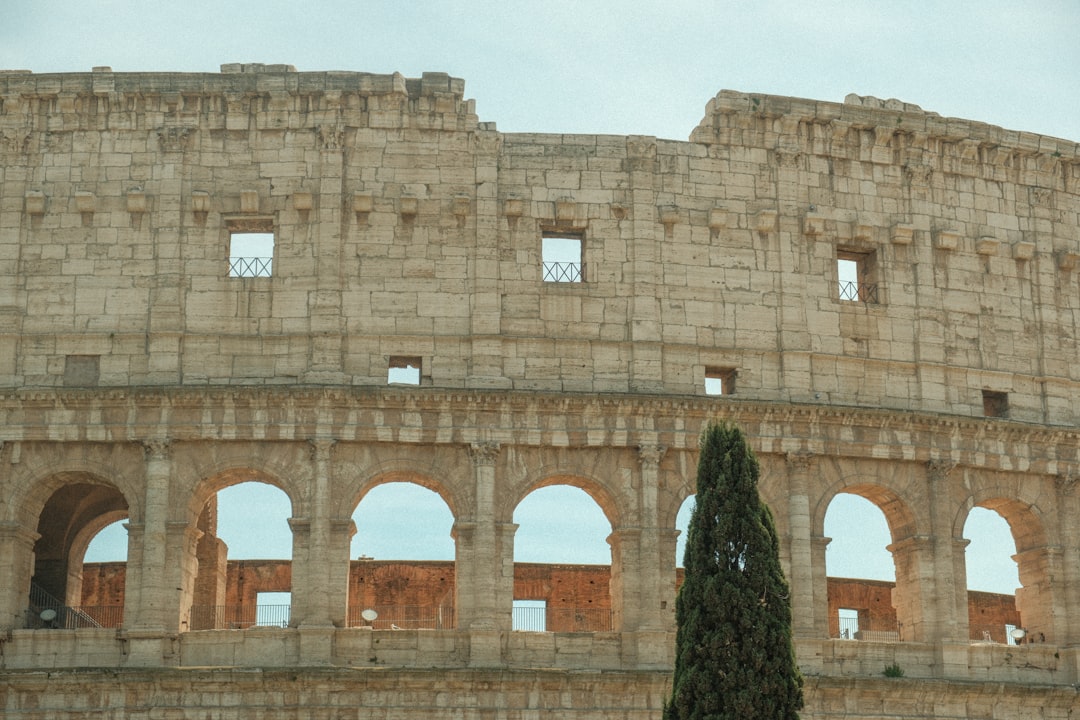
Ridley Scott’s “Gladiator” (2000) presents a paradox: a film centered on Rome and Roman history that was filmed almost entirely outside Italy. Morocco provided the forests and battle scenes; Malta stood in for Rome itself; the Colosseum scenes were largely reconstructions or CGI. Yet the film captures Roman history with such visual and emotional conviction that viewers conflate the film with Rome itself.
This disconnect between filming locations and depicted locations raises interesting questions for people interested in visiting “Gladiator” sites. Where should you go to experience what the film depicted? The answer is more subtle than might initially appear: partly Rome, partly other actual ancient Roman sites, and partly recognition that cinema creates a Rome that exists alongside but separate from the historical city.
The Colosseum: Where Cinema and History Collide
The Colosseum is where “Gladiator” and Rome’s actual history most directly intersect. The film uses the real Colosseum for establishing shots and exterior scenes, even though the arena fights were partially filmed in Malta and partially recreated with CGI.
Visiting the actual Colosseum after watching “Gladiator” creates interesting cognitive friction. The film’s depiction is partly accurate (the building is genuinely that vast and impressive) and partly wildly inaccurate (the interior has changed dramatically since Roman times; much of what you see on film is reconstruction or imagination).
The Colosseum that remains is substantially ruined. The interior floor is gone, revealing the hypogeum (underground chambers where gladiators and animals were kept). The upper tiers are missing. What survives is skeleton of the original structure, enough to understand the building’s scale and engineering but not enough to see it as it functioned.
“Gladiator” fills in the gaps with imagination, recreating what the Colosseum likely looked like when operational: the sand floor (harena), the crowds in tiered seating, the spectacle and engineering complexity. This imagined Colosseum is probably closer to historical function than what remains, but it’s also not documentary—it’s cinema, creating images for emotional effect.
Visiting the Colosseum: Located at Piazza del Colosseo in Rome’s central tourist district. General admission €18 (plus booking fees). Hours 8:30am-7pm daily (shorter in winter). Best time to visit early morning (before crowds) or very late afternoon.
Allow 1.5-2 hours for thorough exploration. Walk the perimeter first to understand the building’s scale. The interior allows you to see the hypogeum and understand the engineering. The upper stories (if open) provide views across Rome. Consider purchasing the combined ticket for Colosseum, Roman Forum, and Palatine Hill.
Combine this visit with nearby Forum (walking distance) and Palatine Hill (Roman residential area overlooking the Forum). These sites provide archaeological context that enriches understanding of Roman social and political life.
The Roman Forum: Where Government Happened
The Roman Forum is less visually dramatic than the Colosseum but more historically significant. This is where the Roman Republic conducted business, where laws were made, where the most important political and social life of Rome occurred.
The Forum is also more thoroughly excavated than the Colosseum, revealing streets, buildings, and monuments in fuller detail. Walking the Forum, you see the layout of Roman urban life: markets, temples, meeting places, residences all arranged within the constrained space.
The Forum provides context for understanding Gladiator’s depiction of Rome. While the film focuses on spectacle and violence, the Forum reminds viewers that Rome’s power derived from political organization, engineering, and social structure extending far beyond gladiatorial games.
Exploring the Forum: Free with Colosseum ticket or €12 separate admission. Allow 2-3 hours minimum. The site is less crowded than the Colosseum, more contemplative. Walking the streets, you inhabit spaces that Roman citizens actually used. The scale is human-sized in ways the Colosseum is not.
The Temple of Vesta (now partially reconstructed), the Basilica of Saturn, and the House of the Vestal Virgins are among the most visually evocative remains. A guidebook is helpful for identifying structures; the site signage is minimal.
Palatine Hill: Imperial Rome
Palatine Hill, overlooking the Forum, contains remains of imperial palaces. This is where the emperor and imperial family lived, commanding views across the city below. The archaeological remains are less complete than the Colosseum or Forum, but the location’s significance—the power geography of Rome—is immediately apparent.
Walking Palatine Hill, you experience Rome’s vertical hierarchy: the emperor’s elevated position, overlooking the Forum where lesser citizens conducted business. This geography reinforces the social stratification that “Gladiator” addresses through its storyline.
Visiting Palatine: Included with Colosseum/Forum ticket. Allow 1-2 hours. The site is steep; wear comfortable shoes and bring water. The views across Rome from the top are genuinely exceptional.
Other Actual Roman Sites Worth Visiting
While “Gladiator” focuses on the Colosseum, other actual Roman sites in Italy provide context and allow deeper exploration of the civilization the film depicts.
The Pantheon (Rome): A complete Roman temple from the 2nd century, still functioning as a church. Remarkably preserved. The interior dome and the oculus (central opening) demonstrate Roman engineering and aesthetic sensibility. Free admission. The building is extraordinary.
The Aqueducts (Rome region): Roman engineering achievements stretching across the landscape. Some sections are still partially standing, revealing the infrastructure that supported Rome’s vast population and engineering complexity. Viewing them contextualizes Rome’s power.
Villa d’Este (Tivoli, near Rome): Not Roman-period but Renaissance interpretation of Roman aesthetic principles and luxury. The gardens and fountains reflect classical ideas about beauty and engineering. Interesting for understanding how Renaissance Europe understood Rome.
Archaeological Museum of Naples: Contains extensive collections from Pompeii and Herculaneum (Roman towns buried by volcanic eruption in 79 AD). The artifacts—pottery, household items, artwork, mosaics—provide intimate understanding of Roman daily life in ways ruins cannot.
Ancient Rome Films: A Cinematic History
“Gladiator” exists within a long tradition of Roman epic cinema. Understanding this tradition provides context for how cinema depicts ancient Rome.
“Ben-Hur” (1959) is perhaps the greatest Roman epic. Filmed partially in Italy, the film’s chariot race sequence remains genuinely impressive. The production values, the scale of sets, and the narrative scope set standards for spectacle that subsequent films attempt to match.
“Cleopatra” (1963) was filmed partly in Italy (Rome, Cinecittà studios) and Egypt. The film’s production problems and costs are legendary; it’s visually impressive but narratively unwieldy.
“The Fall of the Roman Empire” (1964) is less famous than “Ben-Hur” or “Cleopatra” but worthy of discovery—a genuinely intelligent Roman epic.
HBO’s “Rome” (2005-2007) is a television series filmed partly on location in Rome and partly in Malta. The series provides more extended narrative than films allow, depicting Roman political history through personal dramas. The production values are high; the storytelling more psychologically sophisticated than typical epics.
“Pompeii” (2014) is lesser-known but depicts the eruption that destroyed Pompeii and Herculaneum. Filmed partly in Italy, it provides visceral experience of the volcanic catastrophe.
Cinecittà: Where Roman Cinema Was Built
Cinecittà, Rome’s film studio complex, is where many Roman epics were partially constructed. Built by Benito Mussolini’s government in the late 1930s, Cinecittà was designed to create a “Hollywood” for Italian cinema.
The studio complex is open for tours. You can see soundstages, back lots with Roman sets, and the infrastructure that supports Italian film production. Guided tours run several times daily (about €15). The experience is interesting for understanding how cinema creates the Rome that Gladiator and other epics depict.
Many of “Gladiator’s” Roman scenes were filmed on Cinecittà back lots rather than actual Roman locations. Understanding this reveals that the Rome on screen is genuinely constructed, even when it appears historically authentic. Cinema creates one Rome; history contains another.
Visiting Pompeii and Herculaneum: Preserved Rome
About 250km south of Rome lies Vesuvius and the towns it buried. Pompeii and Herculaneum, frozen by volcanic eruption in 79 AD, provide extraordinary archaeological records of Roman life.
Pompeii is the larger and more visited site. Walking the streets, you see ordinary Roman housing, shops, streets, and public spaces. The preservation is remarkable—you can see doorways, windows, furniture impressions, even graffiti left by Roman residents. The sense of inhabiting actual Roman space is more complete here than at Rome’s ruins.
Herculaneum, smaller and less visited, offers similar experiences with fewer crowds. The preservation is sometimes even better than Pompeii. Herculaneum feels like stepping directly into Roman time.
The Amphitheater at Pompeii is smaller than the Colosseum but functional—you understand how gladiatorial games worked in a contained space. The experience is less spectacular but more intimate than the Colosseum’s scale.
Visiting: Both sites are accessible from Naples (about 30-45 minutes by train). Combined tickets are available. Allow full day for thorough exploration. Early arrival (before crowds) is essential. August crowds can be overwhelming.
Bring water, sunscreen, and comfortable shoes. Both sites involve extensive walking on uneven surfaces. The regions around the sites offer restaurants and accommodations if you want to stay overnight.
Bringing Context to the Film
“Gladiator” is cinema, not documentary. It prioritizes spectacle and emotional narratives over historical accuracy. Maximus’s arch enemy Lucilla is a character; the historical Lucilla was Commodus’s sister but lived differently and died in exile. The gladiatorial games are partly accurate but also partly theatrical. The broader narrative of a “good emperor” betrayed is partly invention.
Yet the film captures something true about Rome: its scale, its engineering, its complexity, its violence, its organizational sophistication. Understanding the film as partly imagination and partly historical inspiration enriches visits to actual Roman sites.
Planning a Roman History Pilgrimage
5-Day Rome Itinerary:
Day 1: Arrive Rome, explore surrounding neighborhoods, rest.
Day 2: Colosseum, Roman Forum, Palatine Hill (full day combining all three sites).
Day 3: Pantheon, other central Rome sites, museums, cafes, leisurely exploration.
Day 4: Cinecittà studios tour morning; afternoon exploring other Rome neighborhoods.
Day 5: Day trip to Pompeii (train from Rome, 2.5 hours) or alternatively visit other nearby archaeological sites.
Extended 7-10 Day Option:
Include 2-3 days in Naples or on the Amalfi Coast. Spend full days at Pompeii and Herculaneum. Visit archaeological museums. Explore the countryside surrounding Rome.
What Remains True
“Gladiator” was filmed in Morocco and Malta, not Rome. Yet the film’s emotional and narrative truths about Rome—the engineering, the violence, the spectacle, the social structure—are genuine. Rome really was that vast in scale, that complex in organization, that violent in its entertainments.
Visiting Rome and these sites confirms the film’s basic truths even while revealing its inventions. You see the actual Colosseum and understand both what the film captured and what it imagined. This interplay between cinema and history is what makes Rome so endlessly fascinating—it’s simultaneously a historical city, an archaeological site, and the city of countless films about history.
Come with both appreciation for Ridley Scott’s vision and curiosity about what the sites actually contain. Both perspectives enrich the experience.




Leave a Reply