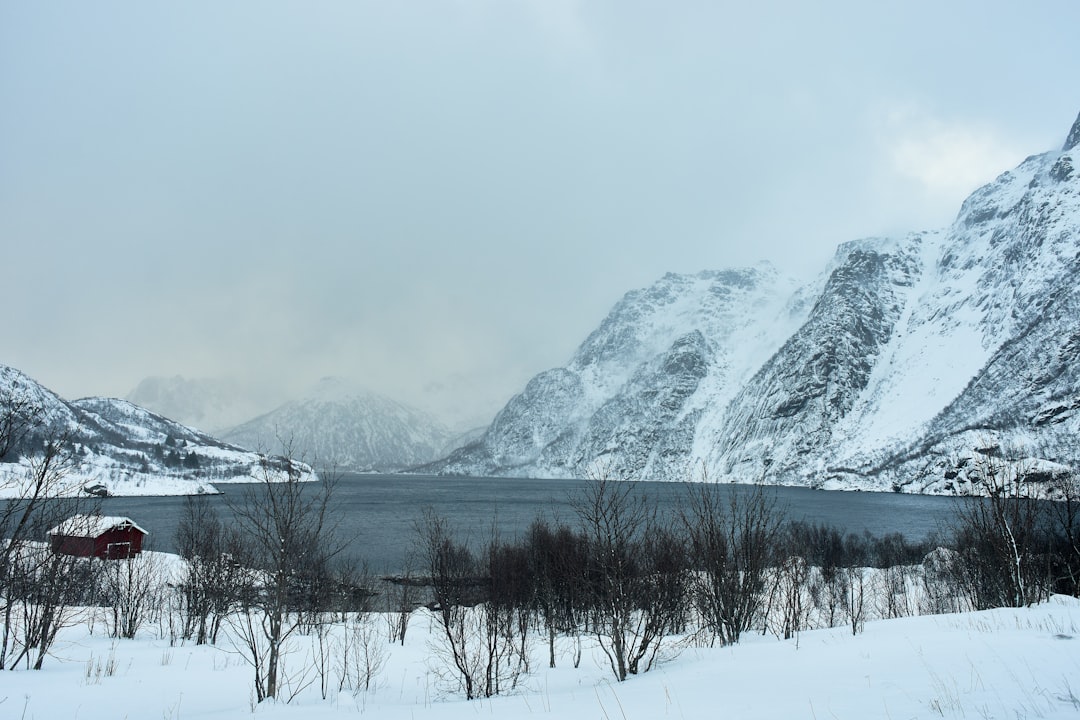
When Disney released Frozen in 2013, the film became a cultural phenomenon, particularly after the viral success of “Let It Go” and the film’s unexpected emotional depth and feminist undertones. But beyond the music and character-driven narrative, Frozen is fundamentally a love letter to Norway. The film’s fictional kingdom of Arendelle is explicitly inspired by Norwegian geography, architecture, culture, and traditions. Disney’s animators and directors traveled to Norway extensively to research locations, and the result is a film that captures the visual essence of Norway while creating something fantastical and imaginary.
Frozen introduced millions of viewers worldwide to Norwegian landscapes, architecture, and culture who might never have otherwise encountered them. For many people, Frozen created their first mental images of Norway—fjords, mountains, stave churches, and the aesthetic sensibility that defines Norwegian visual culture. While the film is fantasy, understanding what inspired it and visiting the real locations that shaped Arendelle becomes a rewarding pilgrimage for fans and a window into Norwegian beauty for others.
The Research Process
Disney’s research for Frozen involved extensive travel throughout Norway. Directors and animators visited Bergen and the surrounding fjord regions, studied Norwegian architecture and design traditions, consulted with Norwegian designers and artists, and immersed themselves in Norwegian culture. They weren’t interested in creating a generic Scandinavian fantasy—they were specifically committed to authenticity in their inspiration, drawing explicitly from Norway’s distinctive landscape and traditions.
The research extended beyond mere location scouting. Disney consultants studied Norwegian folk costumes (bunads), traditional music and instruments, Norwegian art and design traditions, and cultural practices unique to Norway. While Frozen is fantasy, the details are grounded in genuine Norwegian cultural elements.
This commitment to research-based authenticity is visible throughout the film. The architecture of Arendelle reflects Norwegian building traditions. The landscape design captures the specific visual character of Norwegian fjords and mountains. The character costumes draw on traditional Norwegian aesthetic principles. The film’s commitment to specificity—rather than creating generic Scandinavian fantasy—is part of what makes it visually and culturally compelling.
Arendelle and Bergen
Bergen, Norway’s second-largest city, located on the western coast, was the primary inspiration for Arendelle’s visual design. Bergen is famous for its distinctive architecture, particularly the colorful wooden buildings that line the harbor (Bryggen). These buildings, with their bright painted facades, steep roofs, and traditional construction, provided visual inspiration for Arendelle’s design.
Bergen is genuinely beautiful and worth visiting as a destination in its own right. The harbor is lined with restaurants and shops, and the surrounding mountains and water create a spectacular setting. For Frozen fans, visiting Bergen after watching the film is a pleasure—you see the real architecture that inspired the fictional kingdom.
Bryggen: The Harbor District
Bryggen, Bergen’s famous harbor district, is where the most distinctive historical architecture is preserved. The buildings here, painted in distinctive colors (yellow, red, green, blue), date to the 18th century and represent Hanseatic merchant architecture. Walking through Bryggen feels like stepping into a storybook—the narrow streets, the wooden buildings, the sense of historical preservation are exactly the aesthetic that inspired Arendelle’s design.
Bryggen is now a UNESCO World Heritage site and is populated with shops, cafes, restaurants, and galleries. While it’s somewhat touristy, it remains genuinely charming and worth extended exploration. Sitting at a waterfront cafe in Bryggen, you can understand why Disney artists found inspiration here.
Fløyen Mountain and Harbor Views
Mount Fløyen overlooks Bergen, accessible by funicular railway. From the top, you get panoramic views of the city, the harbor, and the surrounding mountains and water. The view captures the sense of mountains dominating a coastal landscape that’s central to Frozen‘s visual design.
The City Center and Markets
Bergen’s central district, with its markets, historic buildings, and busy commercial life, provides texture for understanding the city as inspiration for Arendelle. The harbor is the city’s heart, and understanding this geography helps understand why Disney focused their inspiration on this specific location.
Norwegian Landscape Elements in Frozen
Beyond Bergen specifically, Frozen captures the distinctive landscape that defines Norway: fjords, mountains, forests, and water.
The Fjords
Norwegian fjords are among the world’s most spectacular natural landscapes: deep valleys carved by glaciers, with steep mountains rising directly from the water. Multiple major fjords near Bergen—particularly the Nærøyfjord and the Sognefjord—provided inspiration for the fictional Arendelle’s surroundings.
The Nærøyfjord, in particular, is UNESCO World Heritage listed and is often considered one of the world’s most beautiful fjords. The steep mountains, the deep water, and the sense of being enclosed in a dramatic landscape are authentically Norwegian and appear visually throughout Frozen.
Visiting Norwegian fjords—particularly taking a fjord cruise or hiking in the regions—provides the closest experience to understanding the landscape that inspired the film.
Stave Churches
Norwegian stave churches are distinctive architectural structures unique to Norway, featuring wooden construction with steep roofs and distinctive design elements. Disney incorporated the visual aesthetic of stave churches into Arendelle’s architecture, particularly in the castle’s design.
Several historic stave churches remain in Norway and are accessible to visitors. The Borgund Stave Church, in the Sognefjord region, is one of Norway’s best-preserved and most famous. Other notable stave churches include the Fantoft Stave Church (near Bergen) and the Nidaros Cathedral in Trondheim.
Visiting stave churches provides understanding of a distinctive Norwegian architectural tradition that influenced Frozen‘s design. The churches are genuinely remarkable structures, built entirely from wood with complex joinery and distinctive visual character.
Rosemaling (Rose Painting)
Rosemaling is a distinctive Norwegian decorative painting tradition featuring flowers and curved patterns painted on wooden objects. The tradition dates to the 18th century and remains part of Norwegian folk culture. Frozen incorporates rosemaling patterns into character costumes and design elements, particularly visible in Anna’s and Elsa’s coronation dresses.
Traditional rosemaling can be observed in museums throughout Norway, and artisans continue the tradition. Understanding this folk art tradition adds another layer to appreciating Frozen‘s design choices.
Sami Culture and Frozen
Frozen 2, while less focused on Norway specifically, engages more explicitly with Sami indigenous culture. The Sami are the indigenous people of northern Scandinavia, with distinctive culture, language, and traditions. While Frozen 2‘s engagement with Sami culture is somewhat superficial, it brought increased visibility to the culture internationally.
For visitors interested in genuine engagement with Sami culture, northern Norway offers opportunities. The city of Tromsø and the region around it have significant Sami populations and cultural institutions dedicated to preserving and presenting Sami traditions. Museums and cultural centers provide education about Sami history, language, and traditions.
Planning a Frozen Pilgrimage
For dedicated fans, visiting Norway while thinking of Frozen becomes a richly meaningful travel experience:
Start in Bergen: Spend several days exploring Bergen, particularly Bryggen, which most directly inspired Arendelle. Hike Fløyen, visit the harbor, and explore the city’s architecture and culture.
Visit Nearby Fjords: Take a fjord cruise or drive through the Sognefjord or Nærøyfjord regions. These landscapes provide the mountains-and-water aesthetic that define Frozen‘s visual world.
Explore Stave Churches: Visit historic stave churches to understand this distinctive Norwegian architectural tradition.
Visit Lilehammer and the Ski Regions: Northern-central Norway, around Lilehammer, provides the mountain and snow environments that Frozen emphasizes. In winter, you can experience the snow and ice that defines the film’s atmosphere.
Understand Traditional Culture: Visit museums and cultural centers dedicated to Norwegian folk traditions, rosemaling, bunad (traditional costumes), and folk music.
Practical Information
Getting to Bergen:
Bergen is accessible by air from most major European cities (about 2 hours from Copenhagen or Stockholm). The airport is about 20 minutes from the city center via bus, train, or taxi.
Accommodation:
Bergen has accommodation across all price ranges, from budget hostels to luxury hotels. Staying near Bryggen or the harbor provides both convenience and the authentic setting that inspired Arendelle.
Time to Spend:
Spending 3-4 days in Bergen allows for exploring the city, visiting Fløyen, and taking a fjord cruise. Adding time for visiting specific stave churches or other Norwegian locations extends the trip.
Seasonal Considerations:
Summer (June-August) offers pleasant weather, long daylight hours, and access to all regions. Winter (December-February) offers snow and the authentic winter landscape of Frozen, but limited daylight and colder temperatures.
Cost:
Norway is expensive compared to most European countries, with particularly high prices for accommodation, food, and activities. Budget accordingly for a trip to Norway.
The Film’s Cultural Impact
Frozen introduced millions of people to Norway and Norwegian culture. Tourism to Norway increased significantly after the film’s release, with many tourists specifically interested in visiting Frozen locations. While this has created some challenges (overcrowding in certain areas, local communities adjusting to increased tourism), it has also increased global appreciation for Norwegian culture and landscape.
The film’s success in popular culture has also raised awareness of Norway’s design traditions, architectural heritage, and natural beauty. Many people who visited Norway because of Frozen discovered that the real country is as beautiful and compelling as the fictional version.
Conclusion
Frozen is a genuinely intelligent film that happens to be set in a fictional version of Norway. For fans of the film, visiting Norway to see the real locations and culture that inspired Arendelle becomes a pilgrimage that deepens appreciation for both the film and the real country. For others, Frozen provides motivation to visit Norway and explore its genuine beauty and cultural richness.
Bergen’s architecture, Norwegian fjords’ dramatic landscape, stave churches’ distinctive design, and Norwegian folk traditions’ aesthetic excellence all contributed to creating Frozen‘s visual and cultural world. Experiencing these real elements provides understanding of why Disney chose to set the film in Norway and what specifically about Norwegian culture captured the filmmakers’ imagination. The film, rather than replacing appreciation for real Norway, becomes a gateway to deeper engagement with the country itself.




Leave a Reply