Steven Spielberg’s Schindler’s List stands as one of cinema’s most profound achievements—a film that transformed how audiences understand the Holocaust while simultaneously placing Kraków on the world map as a destination for meaningful historical tourism. Released in 1993, this masterpiece wasn’t just shot in Poland; it was woven into the very fabric of Kraków itself. Following in the footsteps of Oskar Schindler and the thousands of people his factory protected requires sensitivity, respect, and a genuine desire to understand this crucial period in history.
If you’re planning to visit Kraków with Schindler’s List in mind, this guide will help you navigate the actual filming locations, understand their historical significance, and visit them thoughtfully.
The Heart of History: Schindler’s Factory
The most obvious and essential stop for any Schindler’s List pilgrimage is the Oskar Schindler Emaillerie (Schindler’s Factory). Located at Ul. Lipowa 4 in the Zabłocie district of southern Kraków, this is where the film opens and where so much of the story unfolds—but importantly, it’s also where Oskar Schindler’s real factory once operated.
Today, the factory houses the Museum of Contemporary Art “Manggha” and, more significantly for this journey, a permanent exhibition dedicated to Schindler and the Holocaust in Kraków. The building itself is haunting. Spielberg chose to film most of the factory scenes here rather than recreating them in a studio, adding an authenticity that no set could replicate. Walking through these same corridors and workspaces where Schindler protected over a thousand Jewish workers feels profoundly moving.
Visiting Information: The museum is open Tuesday through Sunday, 10 AM to 6 PM (until 8 PM on Thursdays). Monday is closed. Admission includes access to both the contemporary art galleries and the Holocaust exhibition. Allow at least two to three hours for a thorough visit. The Schindler exhibition includes artifacts, testimonies, and multimedia presentations that provide essential context. A multimedia guide is available in multiple languages.
The Zabłocie district itself has transformed considerably since 1993, but the factory’s location gives you a sense of where Kraków’s industrial heart once beat. The neighborhood is increasingly becoming a cultural hub, with contemporary galleries and boutiques emerging around the historic structure.
Kazimierz: The Heart of Jewish Kraków
Though Schindler’s List also documents the tragic reality of the Kraków Ghetto, the film’s earlier scenes show the vibrant Jewish quarter of Kazimierz before destruction. This historic neighborhood is absolutely essential to understanding the film and Poland’s Jewish heritage.
Kazimierz sits just south of Kraków’s Old Town, separated by the Vistula River. This is where Kraków’s thriving Jewish community lived, worked, and created culture for centuries. In the film, we see the beauty and complexity of Jewish life before the horrors—weddings, commerce, daily routines, spiritual practice. Walking through Kazimierz today, you can still sense echoes of this richness, though the Holocaust’s shadow hangs over every street.
Key Locations in Kazimierz:
The Old Synagogue (Ul. Szeroka 40) was where Spielberg filmed scenes and remains one of Poland’s oldest standing synagogues, dating to the 16th century. Today it’s a museum documenting the Jewish community’s history. Open Tuesday through Thursday and Sunday 9 AM to 5 PM, Friday 10 AM to 5 PM. The intimate interior is powerful and contemplative.
Remuh Synagogue and Cemetery (Ul. Szeroka 40-42) represents continuity—it’s one of the few synagogues still active for worship and maintains the attached cemetery where gravestones date back centuries. Visitors are welcome with respectful dress and demeanor.
POLIN Museum of the History of Polish Jews (Ul. Anielewicza 6, in Warsaw, though worth mentioning) provides comprehensive context about Jewish Polish culture. If your trip includes Warsaw, this museum is invaluable. Kraków itself offers the Galicia Jewish Museum (Dajwór 18), which documents the region’s Jewish heritage through photography and testimony.
Kazimierz’s narrow streets, courtyards, and small squares evoke the neighborhood shown in the film, though modern cafes, restaurants, and galleries now occupy many historic buildings. This modern vitality alongside the somber history creates an interesting and complex atmosphere—the neighborhood is both a living, breathing community and a memorial to the past.
The Podgórze Ghetto: Where Tragedy Unfolded
On the opposite bank of the Vistula from Kazimierz lies Podgórze, where the Nazis established the Kraków Ghetto in March 1941. This is one of Schindler’s List‘s most harrowing locations, where the film documents the systematic destruction of the Jewish community.
Plac Bohaterów Getta (Ghetto Heroes Square) is the emotional epicenter. This plaza is lined with 68 life-sized chairs—symbolic of deportations—and memorializes the empty spaces where lives once existed. Walking through this installation is a quiet, powerful experience. Visiting early morning or at dusk provides a contemplative atmosphere without crowds.
The square itself hasn’t changed structurally since the ghetto years, though surrounding buildings have been rebuilt. This continuity allows you to genuinely comprehend the scale of the space where thousands were confined before deportation.
The Ghetto Boundary Wall: Parts of the original ghetto boundary wall survive, particularly on Ul. Lwowska. These reconstructed sections (using materials and dimensions matching the originals) mark where the approximately 4,000 inhabitants were sealed in. The wall’s height—deliberately built shorter than standard—becomes viscerally meaningful when you stand beside it.
The Eagle Pharmacy (Ul. Łojasiewicza 14, now a museum) was a fixture during the ghetto period. The pharmacist, Tadeusz Pankiewicz, provided medicine and supplies to ghetto residents and documented conditions. The pharmacy is now a museum with exhibits about daily life under occupation.
Płaszów Labor Camp: The Landscape of Loss
In the southern suburbs of Kraków lies the site of the Płaszów concentration camp, where Amon Göth (Ralph Fiennes in the film) orchestrated terrible violence. Spielberg filmed scenes here, and visiting carries immense emotional weight.
Memorial Site: Today, Płaszów is primarily a memorial landscape rather than a museum with buildings. The camp was largely dismantled after the war, so you’re walking through relatively open ground where barracks once stood. A monument marks the site, and interpretation boards provide historical context. The topography itself—the quarry, the elevated positions—becomes meaningful as you understand the camp’s geography.
The site can be reached by tram (line 19 from the city center toward Płaszów) but is perhaps best visited with a guide who can explain the specific locations visible in the film and the camp’s historical layout. The quiet, pastoral setting today makes the historical reality more unsettling—it’s difficult to reconcile the landscape’s current peacefulness with its past.
The Old Town and Nazi Occupation
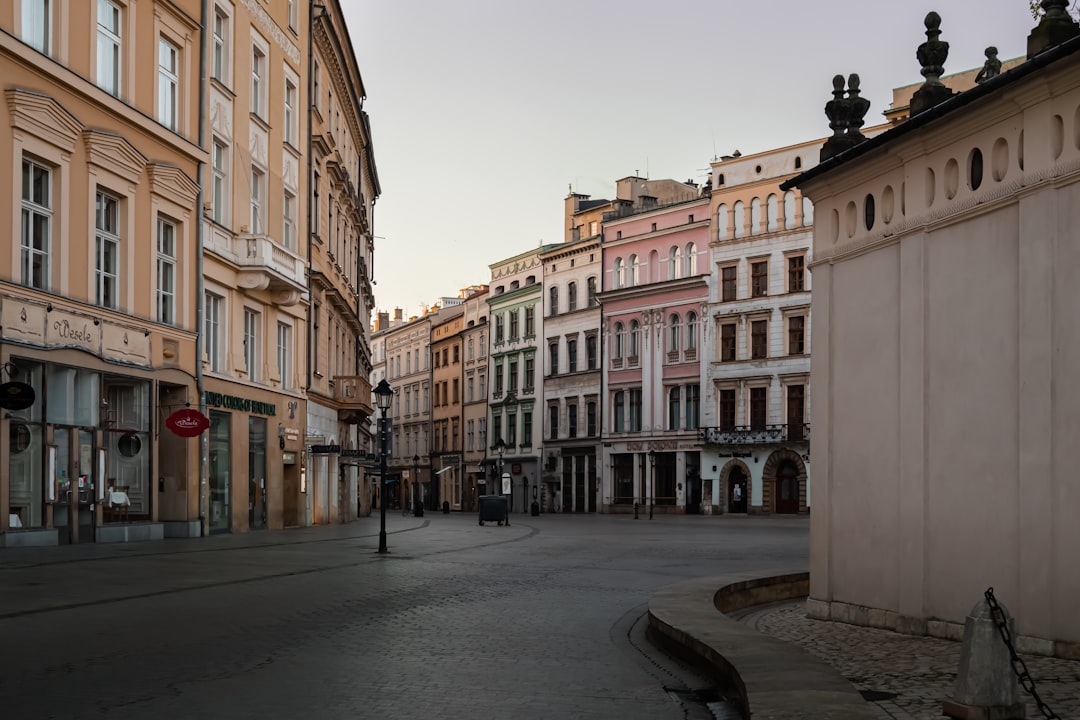
While most Schindler’s List filming was historically specific to Kazimierz and Podgórze, Kraków’s magnificent Old Town provides context for understanding occupied Kraków. The city’s market square, the magnificent Cloth Hall, and the surrounding architecture were all documented by Nazi photographer (and current resident) Walter Geffken’s photographs—Spielberg consulted these when determining how to authentically recreate scenes.
Walking through the Old Town, you’ll see plaques and memorials documenting Nazi occupation, executions, and resistance. The Rynek Główny (main market square) is essentially the same as it appeared in the 1940s, making it a powerful place to contemplate.
Practical Visiting Information
When to Visit: Spring (April-May) and fall (September-October) offer pleasant weather and fewer crowds than summer. Winter can be gray and cold, but some find this reflective mood appropriate for this type of historical tourism.
Getting Around: Kraków’s old town and most historical sites are walkable. Trams are efficient for reaching Zabłocie (Schindler’s Factory) and Płaszów. Consider purchasing a Kraków City Card, which includes museum admission and public transport.
Respectful Visiting: These sites document Holocaust horrors. Dress modestly when visiting synagogues and memorials. Move through spaces thoughtfully, without disruptive behavior. Consider hiring a guide—local historians can provide context and ensure you’re approaching sites respectfully.
Language: While English is increasingly common in Kraków, Poles appreciate efforts to speak Polish. Learning a few phrases shows respect. Museums and memorials provide information in multiple languages.
Time Required: To meaningfully engage with Schindler’s List locations, plan at least two days in Kraków. Three days allows for deeper exploration, including the Płaszów site and Kazimierz’s multiple synagogues and museums.
The Broader Story: Poland’s Cinema History
Schindler’s List is often called “Spielberg’s film,” but it’s equally a Polish story—directed by an American but deeply situated in Polish history, filmed in Poland with Polish crew members, and representing Poland’s commitment to truthfully documenting its past. Polish cinema has long grappled with difficult history; figures like Andrzej Wajda created powerful cinema from Poland’s traumatic 20th century.
The film’s success—it won seven Academy Awards and earned worldwide recognition—helped reposition Kraków as a destination for historical tourism and cinema tourism combined.
Conclusion: Cinema as Memorial
Schindler’s List transformed Kraków by turning these real locations into places of pilgrimage. Visiting them isn’t just about following a film shoot—it’s about understanding a crucial moment in human history, honoring those who were lost, and recognizing those who resisted injustice.
Kraków itself, rebuilt from wartime destruction and trauma, demonstrates resilience. The city’s beauty today—evident in its restored architecture, vibrant cultural scene, and engaged population—exists because of individuals like Oskar Schindler who acted when others looked away. Walking through Kazimierz’s streets, standing in Plac Bohaterów Getta, touring Schindler’s Factory, and contemplating Płaszów connects you to this history in a visceral, profound way.
When you visit these locations, you’re not just a tourist following a film trail—you’re bearing witness, honoring memory, and participating in a global commitment to ensuring that “never again” remains more than a phrase.
Recommended Resources
- Book: Schindler’s List by Thomas Keneally (the novel that inspired the film)
- Documentary: Voices from the List – interviews with Schindler’s List survivors
- Before Your Visit: Watch the film or portions of it to understand the locations’ historical significance
- On-Site: Hire a local Holocaust education guide for deeper contextual understanding




Leave a Reply