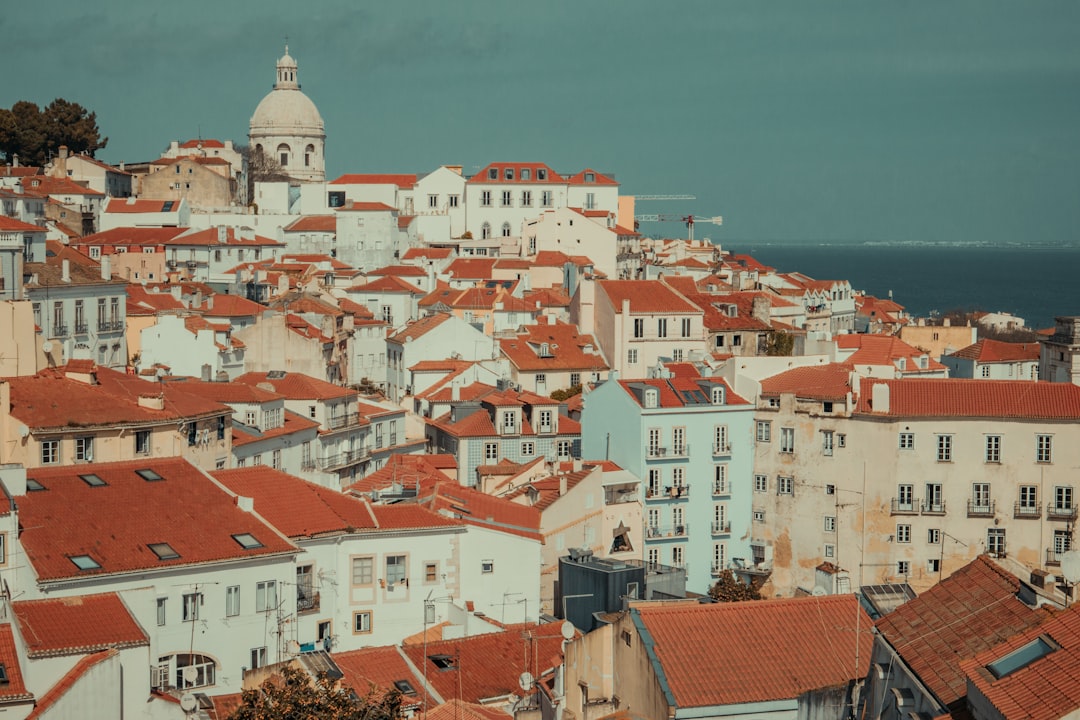
Few nations have such a visually dramatic relationship with history as Portugal. The country’s centuries-long Age of Discovery—when Portuguese explorers, traders, and sailors ventured across the globe and established one of history’s first global empires—left behind architectural monuments, urban districts, and landscapes of extraordinary beauty and historical weight. These monuments have become prime locations for historical films and television productions, which use Portugal’s architectural heritage to tell stories of exploration, empire, faith, and the collision of cultures. For travelers interested in the intersection of history, cinema, and architecture, Portugal offers a unique opportunity: you can stand in the actual locations where Portuguese maritime history unfolded, visit the monuments built to commemorate that history, and understand how filmmakers have used these spaces to bring historical narratives to life on screen.
Portugal’s Age of Discovery: Historical Context for Cinema
Between approximately 1415 and 1800, Portugal became a maritime superpower. Beginning with Prince Henry the Navigator’s sponsorship of voyages down the African coast, Portugal established trading posts, colonies, and eventually a sprawling empire that spanned from Brazil to India to Macau. This maritime expansion made Portugal, a small nation of fewer than a million people, one of the dominant powers of its age.
For cinema, this historical period offers extraordinary dramatic material: tales of exploration, trade, cultural encounter, religious conversion, imperial ambition, and the inevitable human drama embedded in these enormous historical forces. More importantly, the Age of Discovery left behind monuments of extraordinary architectural beauty—buildings that communicate the ambition, faith, and power that drove Portuguese expansion.
These monuments, clustered primarily in Lisbon and the surrounding region, have become essential locations for historical films and period dramas seeking to represent Portuguese exploration and the broader age of European expansion.
Belém: The Monumental Center of Portuguese Discovery
Belém, the riverside district of Lisbon, is essentially the architectural monument to Portuguese maritime history. The name itself derives from Bethlehem, and the district was built to commemorate and facilitate Portuguese exploration and imperial activity. Walking through Belém is walking through a physical representation of Portuguese historical consciousness.
Jerónimos Monastery (Mosteiro dos Jerónimos)
The Jerónimos Monastery is perhaps Portugal’s single most important architectural monument from the Age of Discovery. This massive late-Gothic and Manueline style monastery was built beginning in 1501 to commemorate Vasco da Gama’s successful voyage to India (which occurred in 1498). The monastery remains one of Europe’s most spectacular examples of the Manueline style—a distinctly Portuguese architectural style characterized by exuberant decoration, maritime motifs, and the visual expression of Portuguese imperial ambition.
The monastery has been featured in multiple films and television productions depicting Portuguese history, exploration, and faith. Its sheer visual grandeur makes it an irresistible location for period dramas seeking to communicate the power and ambition of Portuguese empire.
Visiting Jerónimos Monastery:
- Location: Praça do Império, 1400-206 Lisboa, Belém
- Getting There: Tram 15 from central Lisbon (approximately 20-30 minutes); alternatively, a pleasant riverside walk from Belém Tower
- Opening Hours: 10 AM – 5:30 PM (closed Mondays); reduced hours on Sundays
- Admission: €12 general admission; €6 for students and seniors; combined ticket with Belém Tower available for €18
- What to See: The exterior is worth extended viewing—the architectural details, the maritime motifs in the stonework, the sense of monumentality. The interior includes the church and the famous cloister. The cloister is perhaps the most visually stunning interior space, with delicate stone tracery and a sense of peaceful order
- Photography: Generally permitted; check with staff upon entry
- Best Time to Visit: Mid-morning on weekdays (avoid weekends when crowds peak); late afternoon provides excellent light for photography
- Duration: Plan 90 minutes to 2 hours for a thorough visit
What the Monastery Represents:
The scale and ambition of Jerónimos Monastery communicate something essential about Portuguese historical consciousness. This is not a modest church; it’s a monument to a nation’s sense of its own historical importance. The decision to build a structure of this magnitude to commemorate a voyage to India reveals how central maritime exploration was to Portuguese identity and self-perception.
For filmmakers, the monastery provides visual shorthand for Portuguese power, faith, and historical ambition. Its appearance in period dramas and historical films immediately communicates these themes without dialogue.
Belém Tower (Torre de Belém)
If Jerónimos Monastery represents Portuguese faith and cultural ambition, Belém Tower represents Portuguese military and commercial power. This fortress-tower, built beginning in 1514 at the mouth of the Tagus River, served to protect Lisbon harbor and symbolized Portuguese naval dominance. The tower’s distinctive form—angular, fortified, elegant—has made it one of Portugal’s most recognizable monuments.
Visiting Belém Tower:
The Tower’s Cinematic Significance:
The Belém Tower appears in numerous historical dramas and documentaries about Portuguese exploration. Its distinctive form and clear historical association with the age of discovery make it visually and symbolically powerful for filmmakers seeking to represent Portuguese imperial history.
Sintra: Romantic Palaces and Historical Drama
While Sintra (discussed more extensively in other articles) is not exclusively associated with the Age of Discovery, its palaces have been used in multiple historical dramas and represent a different dimension of Portuguese historical grandeur. The Pena National Palace and Quinta da Regaleira have both been featured in period dramas and offer extraordinary locations for representing Portuguese royal history and power.
Pena National Palace:
The Algarve: Exploration and Colonial Legacy
The Algarve, Portugal’s southern region, served as the launching point for many Portuguese voyages of exploration. The region’s ports and coastal fortifications have served as filming locations for historical dramas depicting maritime exploration.
Lagos Fort (Forte de Ponta da Bandeira):
Located in the town of Lagos in the Algarve, this 17th-century fortress was built as part of Portugal’s coastal defense system and represents the military infrastructure that protected Portuguese maritime activity.
Sagres Fortress (Fortaleza de Sagres):
Located at Cape Sagres, one of Portugal’s southwestern points, this fortress is historically associated with Prince Henry the Navigator and the beginning of Portuguese exploration. The fortress’s dramatic coastal location makes it visually striking.
Lisbon’s Baixa and Urban Spaces of Historical Drama
Beyond the monumental districts of Belém and historic neighborhoods like Alfama, Lisbon’s urban fabric provides locations for historical dramas. The Praça do Comércio (Commerce Square) in central Lisbon, rebuilt after the 1755 earthquake, represents an important moment in Portuguese history and provides an impressive location for period dramas depicting 18th-century Lisbon.
Praça do Comércio:
Films and Television Using These Locations
While comprehensive filmography of all Portuguese historical dramas is extensive, several significant productions have used these locations:
“1755: The Year Disaster Struck” (a Portuguese television miniseries) depicted the 1755 Lisbon earthquake that devastated the city and required its reconstruction.
Various documentaries about Portuguese exploration, produced by Portuguese television and international production companies, regularly use Jerónimos Monastery, Belém Tower, and related locations.
Period dramas depicting Portuguese colonial history, while often filmed in location (Brazil, India, Macau), frequently use Portuguese locations for scenes depicting departure and European context.
The specific challenge for historical dramas involving Portuguese discovery and exploration is that many of the actual events occurred far from Portugal—in Africa, India, Brazil, Macau. So filmmakers typically use Portuguese locations to represent the metropolitan context, the institutional power centers, and the cultural background from which Portuguese expansion emerged.
Practical Information for Historical Drama Location Scouts
Lisbon Area Itinerary:
Day 1: Belém
Day 2: Sintra Day Trip
Day 3: Algarve Day Trip or Overnight
Practical Information:
Transportation:
Best Season to Visit:
Where to Stay:
Photography Tips:
What to Bring:
Understanding Historical Architecture and Cinema
When walking through these monuments and locations, consider how they communicate historical meaning through physical form. The Jerónimos Monastery doesn’t just house the monks who prayed there; its massive scale, its decorative exuberance, its maritime motifs all communicate Portuguese historical consciousness and cultural values. Filmmakers understand this intuitively—architectural spaces are not neutral backgrounds but active communicators of historical meaning.
Conclusion: Walking Through History
Portugal’s Age of Discovery is not simply a historical period discussed in textbooks; it’s physically embodied in the monuments, fortresses, and urban spaces that still dominate Portuguese cities. By visiting these locations, you’re not just seeing beautiful architecture (though the architecture is indeed beautiful); you’re engaging with the physical manifestation of Portuguese historical consciousness and the narratives through which Portugal understands its own significance.
For travelers interested in how cinema uses historical locations, how architecture communicates meaning, and how the past remains physically present in contemporary cities, Portugal’s Age of Discovery monuments provide an extraordinary opportunity. Stand at Belém Tower and imagine the ships that departed for India. Walk through Jerónimos Monastery and feel the weight of Portuguese faith and ambition. Explore the Algarve fortresses and understand the military infrastructure that protected Portuguese maritime commerce.
These locations are not museum pieces; they’re living parts of Portuguese identity and active participants in the stories that contemporary cinema tells about the past. Understanding them enriches both your appreciation of Portuguese history and your understanding of how cinema engages with historical space.




Leave a Reply