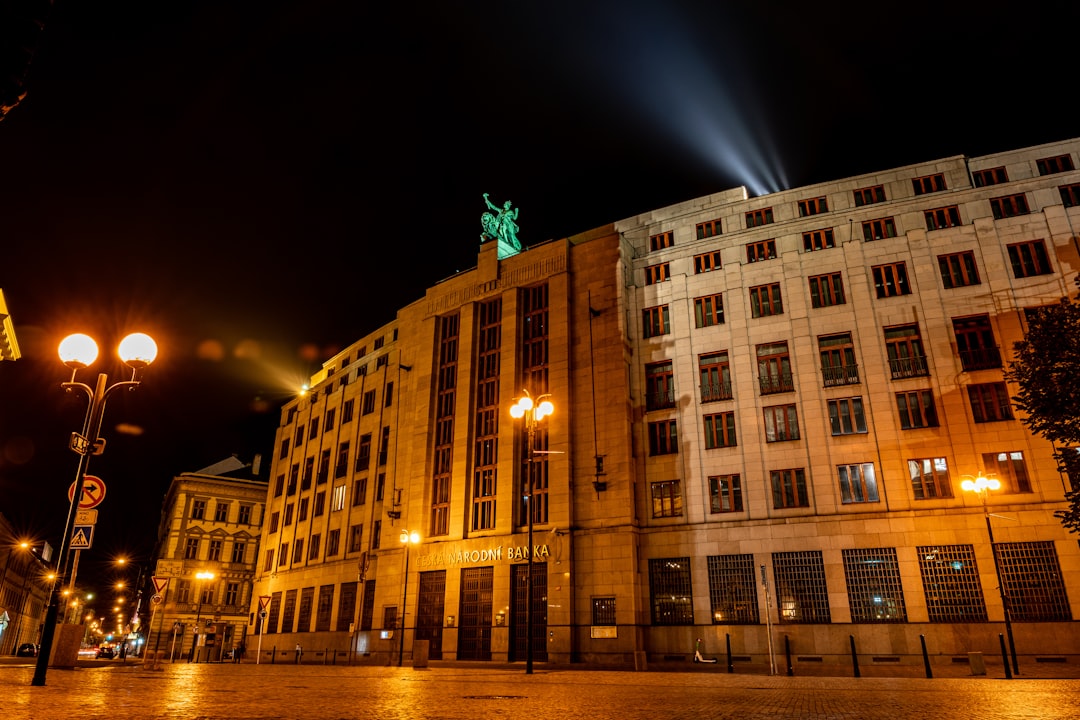
When Netflix released “La Casa de Papel” (Money Heist) in May 2017, the Spanish-language heist drama seemed destined for modest success within Spanish and Latin American markets. Instead, it became a global phenomenon that fundamentally transformed Netflix’s relationship with non-English content and established Spanish-language television as a major creative force in global entertainment. Five seasons, 50 episodes, and millions of devoted international fans later, Money Heist stands as perhaps Netflix’s most successful original series and certainly Spain‘s greatest television export of recent decades.
The show’s impact on tourism, Spanish-language media production, and international perception of Spain cannot be overstated. Money Heist demonstrated that Spanish creativity could achieve global scale, proving that excellent storytelling transcends language barriers. The show became Netflix’s most-watched non-English television series and generated fan enthusiasm comparable to “Game of Thrones” at its peak. That a series about Spanish criminals pulling off sophisticated heists in Madrid—with dialogue entirely in Spanish, addressing Spanish political contexts, and featuring fundamentally Spanish sensibilities—could become a global hit represented a seismic shift in entertainment industry assumptions about language, culture, and commercial viability.
The Real Mint of Spain: Fábrica Nacional de Moneda y Timbre
The central location of Money Heist’s first major heist is the Royal Mint of Spain, officially known as the Fábrica Nacional de Moneda y Timbre (National Mint and Stamp Factory). This real institution, located in Madrid’s Príncipe Pío neighborhood, becomes the show’s primary setting for the entire first season and portions of subsequent seasons. The show’s genius lies in choosing a real, publicly significant location that audiences could research, understand, and visualize, while creating entirely fictional narrative surrounding this real place.
The actual Mint building, constructed in 1866, is an impressive neoclassical structure sitting prominently on a hillside overlooking Madrid. Its imposing architecture, multiple stories, complex interior layout, and security-conscious design made it perfect for a heist narrative. In the show, the Mint becomes a character itself—a massive, seemingly impenetrable fortress where the Professor and his crew must navigate security systems, locked doors, and institutional procedures while literally printing billions in euros.
What makes the heist concept so compelling is its grounding in real institutional geography. The show’s creators clearly researched the actual Mint’s layout, security protocols, and printing operations, creating a heist narrative that feels technically plausible. The show repeatedly emphasizes that what makes the heist possible isn’t breaking laws of physics but understanding human psychology, institutional procedures, and exploitable gaps between regulation and actual practice.
Visiting Information: The Fábrica Nacional de Moneda y Timbre is located at Calle Jorge Juan 106, in the Príncipe Pío neighborhood. The building is not generally open for public tours; it remains an active government facility. However, visitors can see the exterior, photograph it from surrounding streets, and understand its architectural presence in Madrid’s urban landscape. The surrounding Príncipe Pío neighborhood is accessible via Metro Line 6 or Line 2. The neighborhood contains parks, restaurants, and the nearby Templo de Debod (an Egyptian temple relocated to Madrid), making it worthwhile to spend time in the area beyond simply viewing the Mint. The building’s imposing presence on its hillside communicates why it was such an effective choice for a heist narrative—it looks like a place where valuable things are protected.
The Bank of Spain: History and Heist
Later seasons of Money Heist focus on the Bank of Spain, another major financial institution that becomes the target of the Professor’s most audacious heist. The Bank of Spain, officially Banco de España, is located at Calle de Alcalá 50 in central Madrid, directly across from the Puerto del Sol (the symbolic center of Madrid). This monumental building, constructed in 1891, dominates Madrid’s financial district and houses Spain’s gold reserves and historic archives.
The show’s use of the Bank of Spain as a heist location carries deeper symbolic weight than the Mint. While the Mint represents Spanish economic production and currency manufacture, the Bank of Spain represents Spanish economic sovereignty and national financial power. A heist targeting the Bank of Spain functions narratively as a critique of economic hierarchy, institutional power, and the relationship between wealth and national identity. The show’s political subtext—that the characters are committing crimes against a system that has already victimized them—becomes more pointed when the target shifts from the Mint to the nation’s central banking institution.
The Bank of Spain’s architectural grandeur and central location in Madrid’s historic and financial district make it visually distinctive on screen. The surrounding area, including Puerto del Sol, is one of Madrid’s primary tourist zones, making the Bank of Spain easily identifiable and visitable.
Visiting Information: The Bank of Spain exterior is visible from Calle de Alcalá and the surrounding streets. The building does not offer public interior tours due to its function as a national financial institution and security repository. However, the exterior is architecturally distinctive and worth viewing. The surrounding Puerto del Sol area is Madrid’s most central location, accessible via Metro to Puerto del Sol Station. The immediate surroundings contain numerous shops, restaurants, hotels, and tourist services. The building can be photographed from the street. The plaza and surrounding area are among Madrid’s most crowded zones, particularly during peak tourist season.
Toledo: The Professor’s Mountain Hideout
Significant portions of Money Heist are filmed outside Madrid proper, particularly in Toledo, a medieval hilltop city approximately 70 kilometers south of Madrid. Toledo serves as the location of the Professor’s mountain hideout—the command center from which he orchestrates the heists while remaining separated from the action below. Toledo’s dramatic geography, with its old town perched on a peninsula surrounded on three sides by the Tagus River, provided perfect visual metaphor for the Professor’s position: geographically isolated, observing from above, strategically positioned but removed from direct action.
Toledo is one of Spain’s most historically significant cities, serving as Spain’s capital until the late 16th century. The entire medieval old town, a UNESCO World Heritage site, remains virtually unchanged since the medieval period. Its narrow, winding streets, ancient fortifications, dramatic cliffside position, and historical weight made it ideal for Money Heist’s purposes. The show uses Toledo’s architecture and geography to visually communicate the Professor’s strategic genius and the fundamental separation between the carefully planned operation and its execution by others below.
The scenes filmed in Toledo showcase one of Spain’s most beautiful cities, inadvertently introducing millions of Money Heist viewers to Toledo’s historical significance. The town has experienced increased tourism since the show’s release, with fans specifically seeking out Money Heist filming locations.
Visiting Information: Toledo is easily accessible from Madrid via train (30 minutes, multiple daily trains from Madrid Atocha Station) or car (1-hour drive). The town is compact and best explored on foot, though the steep medieval streets require reasonable fitness. Most of Toledo’s attractions cluster in the old town and can be seen in 4-6 hours, though many visitors spend full days or overnight due to the town’s beauty and historical significance. Key attractions include Toledo Cathedral (€15 entry), the El Greco Museum (€5), the Alcázar fortress (€5), and the Synagogue of Santa María la Blanca (€3). The surrounding medieval town, with its narrow streets and ancient architecture, is free to explore. Many restaurants and hotels operate throughout the old town. The town is extremely crowded during peak tourist season; visiting early morning or shoulder seasons offers more peaceful experience. Multiple Money Heist fans visit Toledo specifically to see filming locations, making it a notably themed tourist destination alongside its historical significance.
The Dalí Mask and Cultural Symbolism
One of Money Heist’s most striking visual elements is the red Dalí mask that gang members wear during heists. The choice of Salvador Dalí’s surrealist imagery as the show’s signature visual has important cultural implications. Dalí, a Spanish artist of international significance, created works exploring identity, dreams, distortion, and the nature of appearance and reality. The Dalí masks function simultaneously as practical disguises and as symbolic statements about identity, performance, and the relationship between appearance and authenticity.
The masks visually link Money Heist to Spanish artistic traditions of surrealism and cultural sophistication. They elevate the show beyond simple crime narrative to something more symbolically resonant—a meditation on identity, class, and the question of who controls representation. The iconic red masks have become Money Heist’s most recognizable visual element globally, creating a brand identity that transcends the show itself. Fans wear replica masks, merchandise featuring the masks generates significant commercial value, and the masks have become cultural symbols in their own right.
The choice reflects how Money Heist engages with Spanish cultural identity. The show doesn’t present Spain as a quaint, picturesque tourist destination but as a nation with complex artistic traditions, sophisticated intellectual heritage, and contemporary cultural vitality. The Dalí masks communicate that this is a Spanish production with genuine cultural sophistication, not simply entertainment for international consumption.
Madrid’s Filming Locations Throughout the Series
Beyond the Mint and Bank of Spain, Money Heist shoots extensively throughout Madrid, using the city’s diverse neighborhoods and landmarks for scenes involving the gang’s hideouts, escape routes, surveillance operations, and final confrontations. The show treats Madrid not as a tourist city but as a living urban environment where characters navigate real geography, use public transportation, and move through neighborhoods with distinct character and history.
Various Madrid neighborhoods appear throughout the series, from working-class areas to wealthy districts, from industrial zones to historic centers. The show’s extensive use of Madrid’s actual urban geography—rather than relying on sets or simplified locations—contributes to the series’ sense of realism and authenticity. Viewers learn Madrid’s street layout, Metro system, neighborhood hierarchy, and urban character through following the characters’ movements through the city.
Filming Location Information: Many specific Money Heist filming locations are not officially marked. However, fan communities have documented numerous locations, and various tour companies now offer Money Heist walking tours highlighting filming sites. These tours typically cost €20-40 and take 2-4 hours, combining Money Heist locations with broader Madrid tourism. Independent visitors interested in specific locations can research fan documentation, though it’s important to remember that these are real neighborhoods and private residences, not theme parks. Respectful photography and observation are appropriate; disrupting residents’ daily lives is not.
The Global Impact: How a Spanish Show Changed Entertainment
Money Heist’s success fundamentally altered Netflix’s approach to international content and global entertainment production. The show demonstrated that non-English television could achieve massive global audiences, that language need not be a barrier to international success, and that audiences worldwide were hungry for stories reflecting diverse cultural perspectives. The show’s success encouraged major streaming platforms to invest more substantially in non-English original content from around the world.
Within Spain, Money Heist’s global success represented profound cultural validation. Spanish creators had proven they could compete at the highest international level. The show’s massive financial success benefited Spanish production companies, cast members, and crew. Tourism to Spain, particularly to Money Heist filming locations, increased substantially following the show’s release and grew with each subsequent season.
The show also impacted how Spain perceives itself culturally. For decades, Spanish cinema was seen internationally through arthouse/festival contexts (Almodóvar, Amenábar) or through Spain-as-setting for international productions. Money Heist proved that contemporary Spanish storytelling, told in Spanish, could achieve mainstream global success. This validation of Spanish cultural production has ripple effects throughout Spanish media, encouraging investment in television and film that reflects Spanish sensibilities and experiences.
The Political Subtext: Critiquing Spanish Society
Beneath Money Heist’s entertainment value lies subtle political critique of Spanish society. The Professor’s gang members are portrayed sympathetically—driven to crime by economic desperation, professional injustice, or institutional victimization. The show subtly questions whether their crimes against financial institutions constitute genuine moral wrongs when these institutions themselves exploit ordinary people. The robbers aren’t portrayed as heroes, but neither are the authorities pursuing them portrayed as unambiguously correct.
The show’s Spanish context matters significantly for understanding these themes. Spain experienced devastating economic crisis during the 2008 financial collapse and subsequent years, with unemployment, foreclosures, and economic desperation affecting millions of citizens. Money Heist emerges from this context, speaking implicitly to Spanish audiences about economic inequality, institutional injustice, and the question of whether ordinary people owe obedience to systems that have failed them.
For international audiences, these political themes remain more implicit, allowing the show to function as pure heist entertainment. For Spanish audiences, the show resonates with contemporary political experience, economic anxiety, and questions about institutional legitimacy that dominated Spanish public discourse during the 2010s.
Tourism and the Money Heist Effect
Since Money Heist’s release, tourism to Madrid has increased, with Money Heist fans specifically seeking out filming locations. This has benefited tourism businesses, hotels, restaurants, and tour operators. However, it’s also highlighted tensions around overtourism and the commercial exploitation of cultural properties. Some Madrid residents worry that their city is being transformed into a theme park for foreign tourists seeking Money Heist experiences.
The phenomenon illustrates how streaming television increasingly drives tourism patterns and shapes how international audiences experience foreign cities. Money Heist fans arrive in Madrid with specific visual expectations, seeking locations they recognize from the show. This can create tension between authentic urban experience and themed tourist performance. Balancing tourism’s economic benefits with residents’ desires for normal, unmediated city life remains an ongoing challenge.
Planning a Money Heist Madrid Experience
Visitors interested in Money Heist locations should approach Madrid with clear expectations. The show films throughout the city, and most locations are not specifically marked or organized for tourists. The Mint and Bank of Spain are the primary recognizable iconic locations, though the Mint cannot be entered. Toledo offers excellent historical and architectural experience alongside Money Heist connections. Organized Money Heist tours provide guided experiences highlighting filming locations and offering context.
The broader lesson of Money Heist tourism is that Madrid is worth visiting for its own qualities—its museums, galleries, parks, neighborhoods, and cultural vitality—regardless of television connections. Money Heist may provide initial motivation for visiting Madrid, but the city’s genuine character and attractions constitute the valuable experience.




Leave a Reply