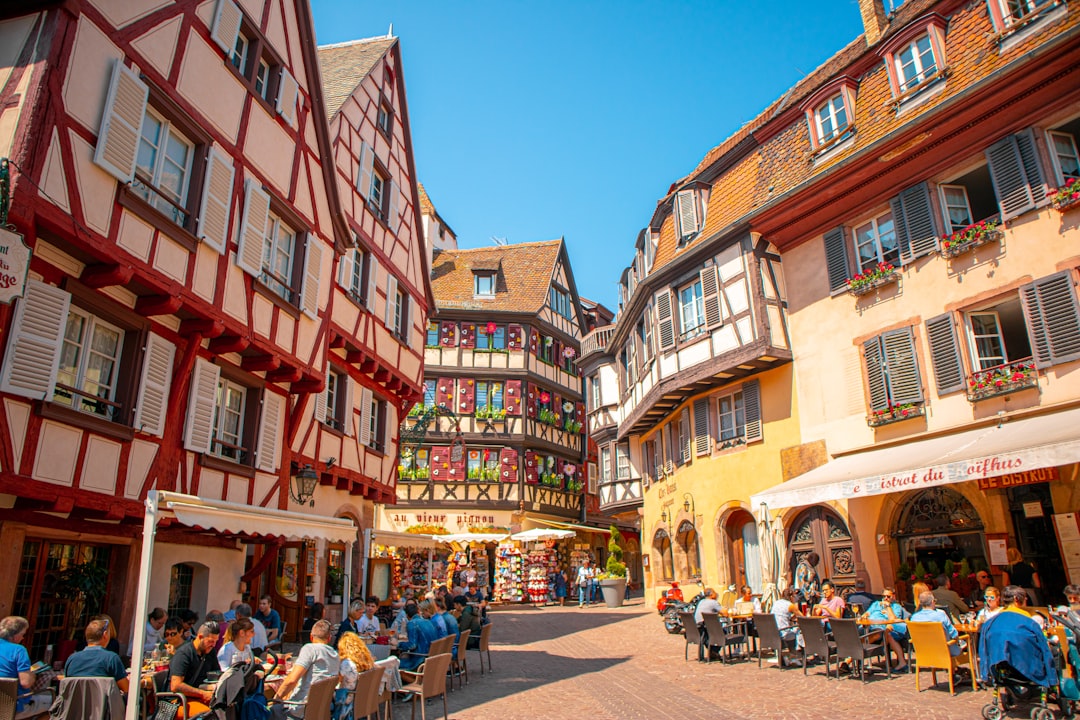
Following the success of “Game of Thrones,” HBO’s prequel series “House of the Dragon” (2022-present) has continued utilizing Spanish locations for major productions. While most Game of Thrones filming occurred in Northern Ireland and Croatia, the prequel series has maintained Spain‘s role as crucial location for fantasy epic production. Spain’s combination of diverse geography—medieval towns, dramatic architecture, accessible infrastructure, and favorable production economics—makes it ideal for large-scale fantasy television production.
“House of the Dragon,” based on George R.R. Martin’s “Fire & Blood,” explores the history of House Targaryen’s civil war, known as the Dance of Dragons. The series requires numerous castle locations, medieval town settings, and landscape backdrops representing different regions of Westeros. Spanish locations, particularly in Extremadura and Castile, have proven ideal for these purposes. Spain’s medieval architecture, preserved city centers, and dramatic landscapes allow producers to film in actual historical locations requiring minimal set construction.
Cáceres: King’s Landing and Medieval Magnificence
Cáceres, a historic city in Extremadura, has become a primary filming location for “House of the Dragon.” The city’s exceptionally preserved medieval old town, a UNESCO World Heritage site, serves as King’s Landing and other Westeros locations. Cáceres’s medieval character—narrow streets, stone buildings, fortified architecture, and intact city walls—provides perfect setting for depicting Westeros’s most important capital city and seat of the Targaryen throne.
The city was originally a Roman settlement but developed its distinctive medieval character during the 15th and 16th centuries. The old town contains numerous palaces, churches, and fortifications representing different historical periods and architectural styles. The city’s preservation is remarkable; the medieval quarter retains authentic character that no set designer could artificially recreate. The dramatic stone architecture, with its carved facades and defensive bastions, communicates royal power and institutional permanence.
For House of the Dragon, the production team used Cáceres’s existing architecture, plazas, and streets to represent King’s Landing’s governmental and commercial districts. The city’s prominent plaza (Plaza Mayor) and surrounding streets provide versatility for filming various scenes. The city walls and fortifications offer visual storytelling opportunities regarding King’s Landing’s defensibility and prestige.
Visiting Information: Cáceres is located in Extremadura, approximately 300 kilometers southwest of Madrid. It’s accessible via car (3.5-4 hours) or train from Madrid (4-5 hours via Badajoz connection). The medieval old town is compact and best explored on foot. Entry is free to explore streets, plazas, and exteriors. Many buildings house museums and cultural institutions charging modest admission fees (€3-5 typically). The Cathedral of Cáceres (€3), the Museum of Cáceres (€2), and the Palace of the Dukes of San Carlos offer interior experiences. Most visitors spend 3-4 hours exploring the old town thoroughly. The city is less crowded than coastal tourist destinations, offering atmospheric exploration. Local restaurants and bars serve regional Extremaduran cuisine. Plan a full day to appreciate the city’s historical character and House of the Dragon filming locations.
Trujillo: Ancient Fortifications and Dramatic Vistas
Nearby Trujillo, another Extremaduran city, has also served as House of the Dragon filming location. Trujillo’s dramatic castle, perched on a hillside overlooking the surrounding landscape, offers distinctive visual possibilities. The castle’s medieval fortifications and the surrounding town’s architecture provide authentic period atmosphere for various Westeros locations.
Trujillo’s historical significance extends beyond Game of Thrones geography. The city was crucial in Spanish colonial history—many conquistadors, including Francisco Pizarro, originated from Trujillo. The city’s architecture reflects this historical importance, with numerous palaces and buildings representing colonial wealth and power. The castle’s imposing presence on its hillside communicates military power and strategic importance.
Visiting Information: Trujillo is located approximately 50 kilometers east of Cáceres, accessible via car (45 minutes) from Cáceres or 3.5 hours from Madrid. The town is compact and walkable. The castle can be accessed via walking path from the town center (20-30 minutes uphill). Admission to the castle is approximately €3. The surrounding town contains numerous historical buildings, plazas, and a bullfighting arena. Local restaurants serve regional food. The combination of Cáceres and Trujillo allows efficient exploration of multiple House of the Dragon locations in a single trip.
Mérida: Roman Heritage and Medieval Atmosphere
Mérida, the Extremaduran capital, contains extraordinary Roman ruins alongside medieval architecture. The city’s famous Roman theater, aqueduct, and other structures provide visually distinctive settings for House of the Dragon. The combination of Roman and medieval architecture creates unique visual landscape available in few European locations.
Mérida’s historical significance derives from its importance as a Roman provincial capital. The city contains some of Spain’s most impressive Roman remains, including a well-preserved theater, aqueduct, and numerous sculptures and inscriptions. These Roman structures provide distinctive visual character differentiating Mérida from other medieval Spanish cities. For fantasy production, the contrast between Roman grandeur and medieval structures creates compelling visual storytelling possibilities.
Visiting Information: Mérida is located approximately 60 kilometers south of Cáceres, accessible via car (1 hour) or bus. The city contains numerous museums and historical sites. The Roman Theater Museum (€3) allows exploration of the ancient theater and associated structures. The National Museum of Roman Art (€3) provides archaeological context. The city’s medieval old town offers walking exploration. A full day in Mérida allows appreciation of both Roman and medieval heritage. The city serves well as final stop in Extremaduran tour combining Cáceres, Trujillo, and Mérida.
Peñíscola: Papal Palace and Coastal Majesty
As discussed in the Game of Thrones article, Peñíscola’s dramatic coastal fortress has continued serving fantasy television production including House of the Dragon. The castle’s distinctive medieval architecture, its commanding position on a Mediterranean peninsula, and its accessibility from major Spanish cities make it ideal for large-scale production. The fortress’s exterior appears virtually unchanged from Game of Thrones filming, making it recognizable to viewers of both series.
The contrast between inland Extremaduran locations and Peñíscola’s Mediterranean setting provides production flexibility. While Cáceres, Trujillo, and Mérida offer medieval town atmosphere, Peñíscola offers coastal fortress drama. The ability to film both inland medieval cities and dramatic coastal locations within a single country makes Spain extraordinarily efficient for large-scale fantasy production.
The Broader Spanish Fantasy Television Ecosystem
Beyond House of the Dragon, other fantasy and period television productions continue utilizing Spanish locations. The fantasy genre’s requirements—medieval architecture, dramatic landscapes, accessible infrastructure—align perfectly with Spain’s offerings. Spanish production companies have developed expertise in large-scale television production, Spanish crews have experience with major international productions, and the country’s infrastructure supports complex filming operations.
The economic benefits of major television production extend beyond direct employment. Hotels, restaurants, local services, and tourism industries benefit from production activity. Locations associated with major television productions experience increased tourism following release. The multiplier effects of major television production provide significant economic stimulus to Spanish regions, particularly rural areas like Extremadura that lack tourism infrastructure developed through coastal resort tourism.
The Production Logistics: Why Spain Works for Fantasy Epic Television
Spain’s continued role in fantasy television production reflects several practical advantages. First, the country’s medieval architecture—preserved in numerous cities and towns—provides authentic period atmosphere requiring minimal set construction. Other European countries offer medieval locations, but Spain’s combination of numerous preserved towns, dramatic natural landscapes, and accessible geography makes it particularly efficient for production.
Second, Spain’s production infrastructure has developed significantly through decades of major international productions. Spanish production companies, crews, and service providers understand requirements of large-scale television production. The country offers established relationships with international financing institutions, established tax incentives and production support systems, and experienced workforce capable of managing complex productions.
Third, Spain’s geographic and climatic diversity allows production of varied locations within manageable distances. The journey from Extremadura’s inland medieval towns to Mediterranean coastal fortresses requires mere hours of driving, allowing efficient production of visually diverse locations without moving to entirely different countries.
Fourth, Spain’s labor costs remain lower than many other Western European countries while offering superior infrastructure and expertise compared to Eastern European alternatives. This economic balance makes Spain attractive for major productions seeking cost efficiency without sacrificing quality.
Visiting Spain for Fantasy Television Tourism
For viewers interested in combining fantasy television tourism with broader Spanish exploration, Extremadura offers concentrated opportunities. The region contains multiple House of the Dragon locations, Roman historical sites of international significance, and authentic medieval towns offering genuine cultural experience beyond film connections.
An ideal itinerary might include:
- Two days in Cáceres exploring medieval old town and surrounding House of the Dragon locations
- One day trip to Trujillo for castle exploration
- One day in Mérida for Roman history and medieval atmosphere
- Optional extension to Peñíscola for Mediterranean coastal fortress
This arrangement requires 4-6 days total and can be based from a single accommodation with day trips, or can involve modest travel between cities. The region offers authentic Spanish experience, world-class historical sites, and direct connection to contemporary fantasy television production.
The Future of Spain in Fantasy Production
Spain’s continued role in major fantasy television production seems likely to persist. The country’s combination of practical advantages, established production infrastructure, and visual appeal makes it ideal for the genre’s requirements. As major streaming platforms and broadcasters continue developing fantasy and period content, Spain’s locations, expertise, and production support systems will likely draw continued investment.
The sustainability of this production activity raises interesting questions about authenticity, tourism pressure, and cultural preservation. When medieval towns like Cáceres become active film sets, the experience for residents changes. Production activity brings economic benefits but also disruption, security challenges, and transformation of daily life. Balancing tourism benefits with residents’ desires for normal, unmediated community life remains an ongoing challenge.
For visitors, Spain’s role in major television production offers unique opportunities. You can visit locations where major international entertainment was produced while simultaneously engaging with genuinely significant historical sites. The films and television series function as introduction to Spanish geography and history, but the real value lies in the authentic historical and cultural experiences Spain offers beyond their connection to entertainment production.




Leave a Reply