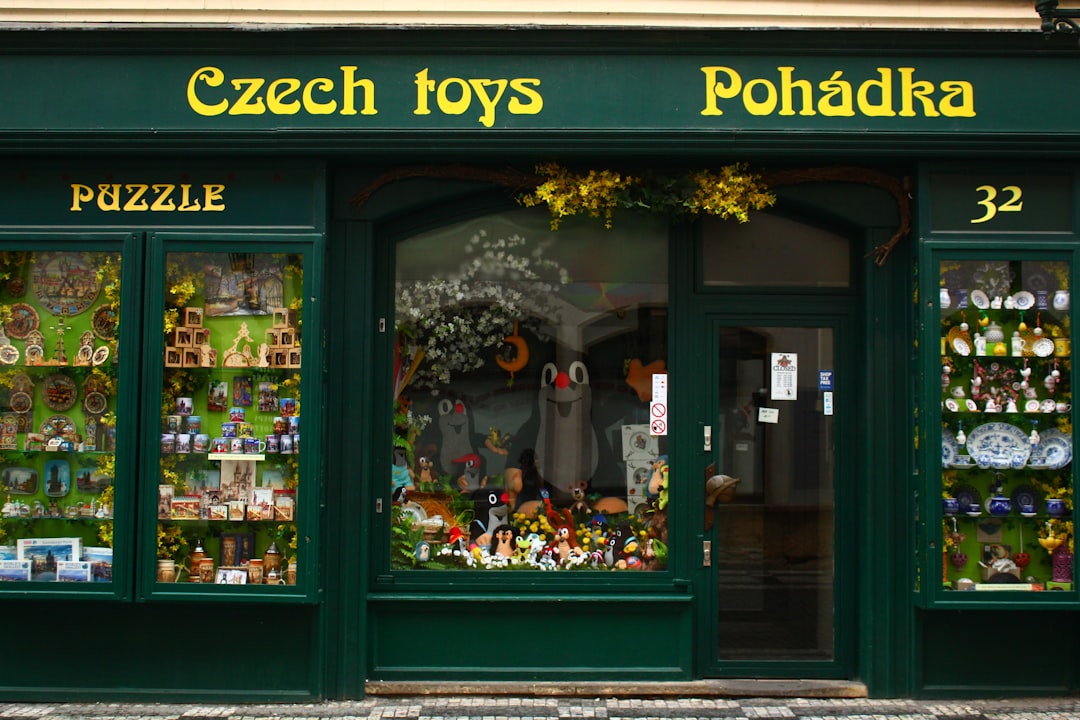
Introduction: Why Americans Are Choosing Czechia
The Czech Republic—or “Czechia” as the official English name has been since 2016—has become an increasingly popular destination for American expats. It’s a country that offers a remarkable combination of affordable living, rich history, world-class beer, central European connectivity, and a thriving expat community. Whether you’re seeking a fresh start, lower cost of living, or simply a new adventure in Europe, the Czech Republic delivers on multiple fronts.
What many Americans don’t realize is that the country has transformed dramatically since the fall of communism in 1989. Today’s Czechia is a modern, EU-member nation with excellent internet, contemporary infrastructure, and a growing number of international companies establishing offices in Prague and Brno. Yet it retains a distinctive character—the kind of authentic European experience that increasingly feels rare in overtouristed Western Europe.
This guide will walk you through everything you need to know about making this move, from understanding the visa landscape to navigating bureaucracy, finding a home, securing employment, and integrating into Czech society.
What Americans Get Wrong About Moving Here
Before diving into practical details, let’s address some common misconceptions:
It’s Czechia, not the Czech Republic. The country officially shortened its English name in 2016. While “Czech Republic” isn’t incorrect, locals and official sources increasingly use “Czechia.” It’s more efficient and aligns with how other nations present themselves (like “Poland,” not “Polish Republic”).
It’s not just Prague. Americans often think of Czechia as synonymous with Prague. While the capital is undeniably impressive, it’s expensive compared to other Czech cities and increasingly crowded with tourists. Brno, Plzeň, and Ostrava offer lower costs, less tourism saturation, and genuine Czech character. Prague has expanded rapidly, with neighborhoods like Karlín and Žižkov offering more authentic experiences than the tourist-choked Old Town Square.
It’s Central Europe, not Eastern Europe. Czechs are sensitive about being labeled “Eastern Europe.” The country considers itself Central European—it’s culturally and geographically distinct from Russia and the post-Soviet states. This distinction matters for understanding the local mentality and context.
It’s more developed than you might expect. Czechia is a wealthy, developed nation with the 18th-highest GDP per capita in Europe. It’s not a bargain-hunting destination where you’re roughing it—you’re simply getting Western European quality at Central European prices.
The Czech Temperament: Understanding Local Culture
Before you arrive, understand that Czechs have a distinctive cultural personality. They’re known for being:
- Direct and straightforward. Czechs communicate plainly, without the social niceties Americans are accustomed to. This isn’t rudeness; it’s efficiency. When someone gives you criticism, they’re often trying to help.
- Reserved initially, warm when you break through. Czechs take time to warm to new people, but once you’re accepted, they’re genuinely friendly and loyal.
- Humorously dark and cynical. Czech humor tends toward the sarcastic, absurdist, and self-deprecating. It’s often a way of processing hardship and complexity.
- Privacy-conscious. Czechs value personal space and don’t engage in excessive small talk with strangers.
- Efficient and rule-following. Bureaucracy is expected, paperwork is normal, and following procedures is respected.
Understanding these traits will help you navigate social and professional situations more effectively.
The Relocation Timeline: How Long Does It Take?
A typical relocation to Czechia follows this timeline:
Months 1-2: Research and Decision
Months 2-3: Visa Application
Month 3-4: Job Search and Housing Search
Month 4: Pre-Arrival Logistics
Upon Arrival (Weeks 1-4): Registration and Essential Formalities
Months 2-3: Integration
The entire process from decision to settled integration typically takes 4-6 months.
The Rodné Číslo: Understanding the Birth Number
One aspect that surprises Americans is the Czech “birth number” (rodné číslo or RČ), a unique 10-digit identifier assigned to all residents. Think of it as a combination of Social Security Number and ID card number.
Originally based on birth date, sex, and sequential number, the rodné číslo is required for nearly all formal processes: opening bank accounts, signing rental contracts, registering for health insurance, and obtaining residence permits. If you obtain long-term residency status, you can apply for a rodné číslo. Until then, you’ll use your passport number for most administrative purposes, though some processes may require you to be assigned a temporary number.
This is not something to fear—it’s simply a practical part of the Czech system. Your landlord, employer, and bank will help you navigate the requirements.
Key Visa and Residency Options (Overview)
The Czech Republic offers several pathways to residency. Here’s a brief overview (covered in detail in Article 2):
The Czech Education System and Family Considerations
If you’re relocating with school-aged children, the Czech education system offers both public options (in Czech) and private/international schools. International schools like Riverside, Riverside Academy, and others offer English-medium instruction. However, Czech public schools are excellent and relatively inexpensive; many expat families choose to enroll children in Czech schools to facilitate integration, though this requires language support.
Czech universities are also remarkably affordable, with EU and many non-EU students paying nothing or minimal tuition at public universities.
What to Expect: The Bureaucratic Reality
Here’s the truth: the Czech system is bureaucratic. You will fill out forms. You will wait in lines. You will need documents certified, translated, and notarized. This is not unique to Czechia—it’s standard across Central Europe. The Czech bureaucracy is actually relatively transparent and efficient compared to some alternatives.
Bring patience, organize your documents meticulously, and consider consulting an expat relocation specialist or lawyer for complex visa situations (budget €500-1,500). It’s an investment that often saves time and stress.
Cost of Living at a Glance
One of Czechia’s primary appeals is affordability. To give you a sense of scale:
Compare this to major US cities, and you’ll understand the financial appeal.
Why Americans Are Moving Here Now
Several factors have created momentum:
- EU membership and Schengen access allow easy travel throughout Europe
- Thriving tech and startup scenes in Prague and Brno, with competitive salaries
- Affordable lifestyle that hasn’t yet reached Western European prices
- Growing expat community providing cultural bridges and social networks
- Excellent internet and modern infrastructure supporting remote work
- Rich history and culture in a walkable, human-scaled environment
- Central location enabling weekend trips to Austria, Germany, Poland, Slovakia
Your First Steps
Conclusion
Moving to the Czech Republic is an achievable, practical decision. It’s not an exotic adventure to an underdeveloped country—it’s a relocation to a modern, EU-member nation that happens to be significantly more affordable and less saturated with tourists than Western Europe. What makes it worthwhile isn’t just the financial advantage, but the opportunity to experience genuine Central European culture, participate in a growing international community, and build a different kind of life in a country with real character.
The bureaucracy is manageable. The language is learnable. The people are genuine. The beer is exceptional. And the cost of living allows you to live well.
Your Czech adventure awaits—but like any worthwhile adventure, it requires thoughtful preparation. Read on for the detailed guidance you’ll need at every stage of the journey.




Leave a Reply