Introduction: The Hidden First Year
Moving to Denmark involves more than logistics and employment. The real challenge lies in integrating into a society with distinct cultural values, communication styles, and social norms. Most American expats experience significant culture shock at the 3-6 month mark (after initial novelty wears off), not immediately upon arrival.
This guide prepares you for daily life realities and provides practical strategies for integration.
Learning Danish: Why and How
The Language Question: Can You Get By in English?
Short answer: Yes, but increasingly less as time goes on.
English proficiency in Denmark:
- 85-90% of Danes speak English
- Copenhagen: Nearly universal English speaking
- Regional cities: 75-85% English competence
- Older generation and rural areas: Lower English proficiency
- Young people: Almost universally fluent
However:
Why learning Danish matters:
Social integration: Without Danish, friendship circles remain expat-only
Career progression: Advancement to management typically requires Danish
Housing and services: Many landlords, professionals, and businesses default to Danish
Safety and participation: Understanding public information and community (schools, local news)
Respect and acceptance: Learning language signals commitment to society; deeply appreciated culturally
Long-term quality of life: After 2-3 years, relying on English becomes isolating
Realistic assessment: You can survive 1-2 years in Denmark with English. Beyond that, Danish becomes necessary for genuine integration.
Danish Language Difficulty for English Speakers
Danish is challenging for English speakers.
Difficulty level: Category III (600-750 hours study needed to reach B1 proficiency per FSI)
Why it’s difficult:
Complex grammar with cases and genders
Pronunciation very different from English (tonal/guttural sounds)
Vocabulary has minimal overlap with English (unlike Romance languages)
No standardized spelling rules in pronunciation
Verb conjugation unusual
Sentence structure different from English
Common American experience:
First 6 months: Basic survival phrases, frustration with difficulty
Months 6-12: Increased comprehension; beginning to speak in simple sentences
Year 1-2: B1 level (intermediate conversation); can navigate most daily situations
Year 2+: C1 level possible with consistent study
Language Learning Resources
In Denmark:
Danish Language Classes (Danskundervisning):
Provided free or subsidized: Through municipality for residents pursuing permanent residency
Duration: Varies; typically 1-2 years with intensive courses
Level: A1 → B2 progression
Quality: Generally good; tailored for expats
Finding classes:
Contact local municipality after CPR registration
Ask at library (bibliotek); libraries host classes
Look for “Dansk som andetsprog” (Danish as second language)
Ask employer (some companies subsidize classes)
Private language schools:
Berlitz, Wall Street English: More expensive (3,000-5,000 DKK for courses); flexible schedules
Local expat organization classes: Often cheaper and social
University extension programs: Sometimes offer courses (DTU, Copenhagen Business School)
Before moving:
Duolingo, Babbel, Rosetta Stone: Can begin learning before arrival; helps with initial immersion
YouTube channels: DanishClass101, Learn Danish with Cecilia
Books: “Teach Yourself Danish” or Colloquial Danish series
Language exchange:
Tandem, HelloTalk apps: Find Danish natives wanting English; mutually beneficial
Local language exchange meetups: Copenhagen has weekly groups (search Facebook)
Realistic timeline: Budget 1-2 years to reach B1 level with consistent study (1-2 hours daily plus classes).
The Danish Accent and Pronunciation
Danish pronunciation is notoriously difficult for English speakers.
Common challenges:
Soft d/t (pronounced as glottal stop): “Tryk” sounds like “tʼyk” (almost swallowing sound)
Stød (glottal stop): Tonal element with no English equivalent
Vowel shifts: “e” is “a” sound, “a” is closer to “e”
Common perception: Non-natives say Danish sounds like “Danish people speaking with a cold”
Reality: Native speakers will understand your meaning with imperfect pronunciation. Don’t be discouraged.
Helpful practice:
Listen to Danish radio, podcasts, music (even if not understanding)
Watch Danish television with subtitles (language absorption)
Speak despite mistakes (most Danes are patient)
Join conversation groups for practice in low-stakes setting
Understanding Janteloven (The Law of Jante)
Janteloven is an unwritten Danish cultural rule system that deeply shapes interaction and behavior.
The Rules of Janteloven (Literal Translation)
- “You’re not to think you are anything special”
- “You’re not to think you are as good as us”
- “You’re not to think you are smarter than us”
- “You’re not to convince yourself that you are better than us”
- “You’re not to think you know more than us”
- “You’re not to think you are more important than us”
- “You’re not to think you are good at anything”
- “You’re not to laugh at us”
- “You’re not to think anyone cares about you”
- “You’re not to think you can teach us anything”
What Janteloven Actually Means
Janteloven is not literal; it’s a cultural principle promoting equality and humility.
Core principle: Minimize hierarchy and individual boasting; prioritize group harmony.
Practical manifestations:
Talking about your accomplishments is uncomfortable (seems arrogant)
Individual achievement is downplayed publicly; team achievement emphasized
Criticism of others is framed gently
Showing off wealth, intelligence, or status is socially awkward
Community benefit is valued over individual gain
American Culture Clash
Americans are socialized to celebrate individual achievement. This directly conflicts with Janteloven.
Examples of clash:
American approach:
“I led a team that increased sales 40%”
“I’m really good at public speaking”
“I got an MBA from Stanford”
Wearing designer brands/luxury items
Danish approach:
“Our team worked together to improve sales”
“I enjoy presenting, though many in our team are skilled speakers”
“I have an MBA”
Dressing modestly; avoiding obvious luxury displays
American perception: Danes seem passive, humble to the point of self-diminishment
Danish perception: Americans seem arrogant, boastful, individualistic
Integration Strategy
Don’t abandon your personality, but adjust communication:
Celebrate team accomplishments over personal ones
Acknowledge others’ contributions even in your achievements
Share accomplishments matter-of-factly rather than enthusiastically
Listen more than you speak in group settings
Ask questions rather than providing immediate answers
Avoid superlatives (“best,” “worst,” “most”)
Realistic timeline: Most Americans adapt to Janteloven within 6-12 months, though it requires conscious adjustment.
Danish Social Circles: Why It’s Hard to Make Friends
The Challenge
One of the most common complaints from American expats: “Danes are cold and hard to befriend.”
Reality check: Danes are reserved and maintain long-term friend groups established in school/university. New friendships develop slowly and deliberately, not quickly like many Americans experience.
Statistical reality:
Average Dane has same friend group since age 15-20
Close friendships often include 3-8 people
Making new friends after 25 is challenging for Danes, not unique to foreigners
Danes can seem distant or unwelcoming to new people
Why Danes Maintain Tight Circles
Cultural factors:
Small country (5.8 million people); social circles form early and persist
Educational system: Same peer groups from age 6-18, creating strong bonds
Seasonal darkness (winter): Socializing often within established groups rather than expanding
Janteloven: No pressure to expand social circles for status
Quality over quantity: Prioritizing deep friendships over broad networks
Strategies for Building Danish Social Circles
Join communities aligned with interests:
Sports clubs (gyms, running clubs, cycling teams): Danes join to meet people
Volunteer organizations: Common social meeting point
Classes (Danish language, art, fitness): Built-in social setting
Professional associations or industry groups
Hobby meetups (hiking groups, board game clubs)
Religious communities (if applicable)
Attend regular social events:
Friday bars at work (fredagsbarer)
Pub nights or restaurant groups
Recurring social events (weekly cycling, monthly dinners)
Consistency and showing up repeatedly is key
Use expat community strategically:
Expat events and meetups build friendships faster
Expats understand shared experience
Mix expat socializing with Danish socializing (avoid expat bubble)
Many long-term expats have Danish partners/friends as social anchors
Invite people intentionally:
Danes don’t invite casually; invitations are meaningful
If suggesting coffee or drinks, commit time and genuine interest
Reciprocate invitations; if someone invites you, invite back
Group activities are easier than one-on-one initially
Patience is essential: Expect 1-2 years to develop close Danish friendships. Most successful integrators have mix of expat and Danish friends.
Cycling Culture: The Danish Obsession
Biking as Transportation
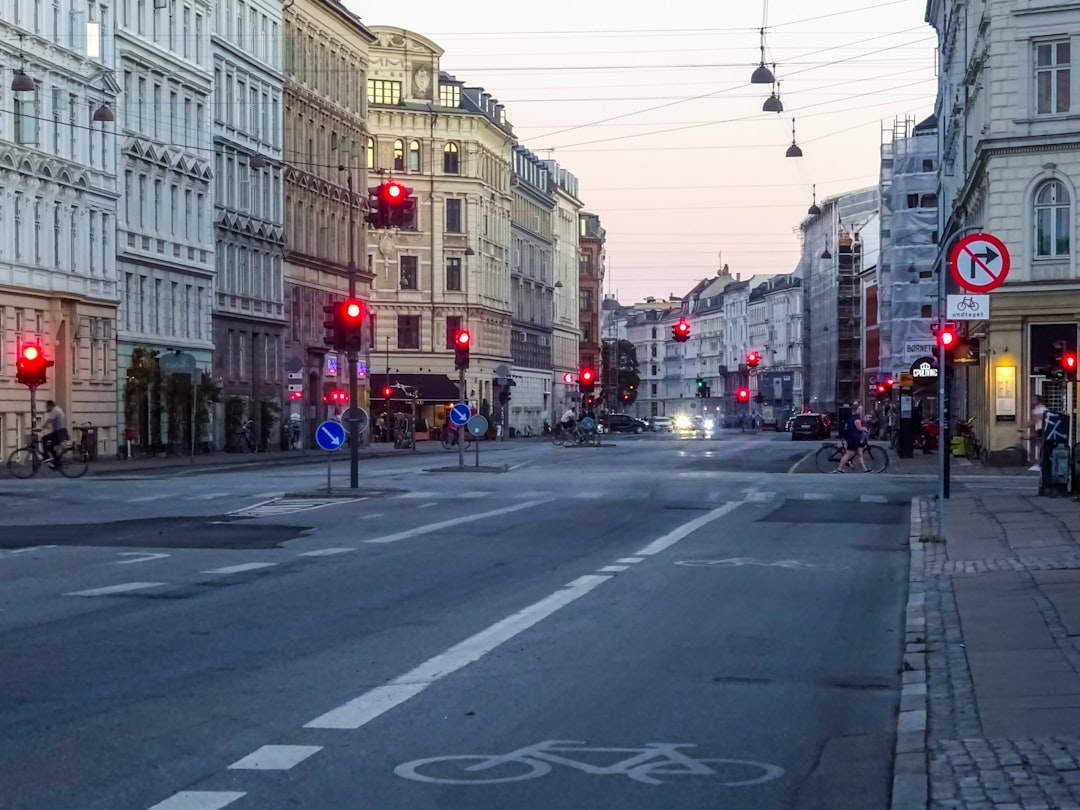
Denmark has world-class cycling infrastructure, and 63% of Danes commute by bike daily.
Why Danish cycling is different:
Dedicated bike lanes on almost all major roads
Bike parking everywhere (covered, secure)
Traffic laws protect cyclists
No expectation of helmets (though becoming more common)
Casual clothing (not lycra/professional gear)
Bikes are utility vehicles, not sports equipment
Multi-speed bikes with cargo capacity standard
American adjustment: Coming from car culture, cycling everywhere is initially shocking, then becomes liberating.
Bike Culture Realities
Bike theft is common:
Lock your bike with sturdy U-lock
Registration recommended (police track stolen bikes)
Don’t leave expensive bikes unattended
Many Danes have “beater bike” for daily use
Insurance available (50-150 DKK/year)
Winter cycling:
Danes cycle year-round, including snow
Snow tires available; helpful but not essential
Road salt corrodes bikes; maintenance important
First winter is hardest adjustment
Cycling culture permeates Danish identity:
Complaining about bike commute is acceptable
Bike fashion (Copenhagency style) is distinctly Danish
Cargo bikes with children common
Group cycling trips popular summer activity
Getting started:
Buy decent used bike (1,500-3,000 DKK)
Invest in sturdy lock (300-600 DKK)
Get lights (required by law: front white, rear red)
Winter preparation if staying through winter
Join local cycling groups
Benefits of Cycling
Cost: One-time bike investment vs. monthly transit or car
Exercise: Daily physical activity without gym time
Speed: Often faster than cars in Copenhagen traffic
Health: Cycling in fresh air; mood boosting
Community: Cycling provides daily human contact
Smørrebrød and Danish Food Culture
Smørrebrød: Danish Open-Faced Sandwich
Smørrebrød is iconic Danish food: rye bread topped with protein and garnishes.
Characteristics:
Dark rye bread base (sturdy, nutty flavor)
Toppings: Smoked fish, shrimp, roast beef, cheese, eggs, pâté
Garnish: Pickles, onions, lemon, herbs, crispy bits
Eaten open-faced (not as sandwich)
Proper technique: Eaten with knife and fork
Price at restaurants: 75-150 DKK
Occasions:
Lunch staple
Traditional Danish tradition
Important for holidays/celebrations
Restaurant/café standard offering
Where to eat:
Nørrebro or Vesterbro: Many smørrebrød shops
Torvehallerne (indoor market): Multiple smørrebrød stands
Traditional delis: Og & Sild, Andersen’s Smørrebrød
Department store restaurants: Illum, Magasin have smørrebrød
Cost: Budget 100-150 DKK for sit-down smørrebrød lunch; 50-75 DKK for casual shop lunch
Danish Food Culture
Eating habits:
Breakfast: Light (bread, jam, cheese, fruit)
Frokost (lunch): Main meal; 12:00-13:00 (often 1+ hour)
Dinner (middag): Lighter than lunch; typically 18:00-19:00
Afternoon coffee: Common custom (kaffepause); coffee and pastry break
Traditional Danish foods:
Flødeboller: Chocolate-covered marshmallow cake
Rugbrød: Dark rye bread (staple carb)
Frikadeller: Meatballs (beef/pork mixture)
Risalamande: Christmas rice pudding with almond
Æbleskiver: Pancake balls (winter treat)
Food quality:
Supermarket standards: High; strict food regulations
Organic emphasis: Ecological (Ø) labeling common
New Nordic cuisine: Copenhagen at forefront of farm-to-table movement
Coffee culture: Danes are serious coffee consumers; quality high
Dining out cost: See Article 03 (Cost of Living) for pricing details
Seasonal Affective Disorder (SAD) and Winter Darkness
The Reality of Danish Winters
December is the darkest month: only 7 hours daylight (sunrise 8:45 AM, sunset 3:45 PM).
Winter depression is real:
15-20% of Danes experience clinical winter depression
Expat rates are higher (unfamiliar with coping mechanisms)
Not uncommon to experience mood dip, reduced energy, increased sleep
First winter is often hardest; adaptation occurs with time
Coping Strategies
Light therapy:
Light therapy lamps (10,000 lux): 30 minutes daily in morning
Cost: 300-800 DKK
Evidence-based treatment; genuinely helps
Available at pharmacies or online
Vitamin D supplementation:
Recommended year-round in northern latitudes
Particularly November-March
Cost: 50-150 DKK/month
Consult GP for recommendation
Maintain social activity:
Isolation amplifies seasonal depression
Consistent social engagement critical
Embrace hygge culture (see below)
Exercise: Indoor gyms, swimming, winter sports
Winter activities:
Ice skating (many rinks in cities)
Winter hiking
Skiing day trips (Sweden, Norway)
Museum and cultural activities
Escape: Many expats take mid-winter vacation (February is popular) to warmer climates.
Hygge: The Danish Answer to Darkness
Hygge (pronounced “HOO-gah”) is often translated as “cozy,” but it’s deeper cultural concept.
What hygge actually is:
Deliberate creation of comfort and warmth
Quality time with people you enjoy
Elimination of stress and distractions
Presence and connection
Candles, soft lighting, warm drinks, comfortable seating
Hygge activities:
Dinner with close friends
Board games with family
Reading by candlelight with tea
Winter hikes with warm clothes
Movie nights at home
Gathering around outdoor fire
Hygge philosophy:
Contradicts American productivity culture
Prioritizes quality of time over accomplishment
Embraces darkness and quiet rather than fighting it
Central to Danish cultural happiness
Practical adoption: Embrace hygge culture. Invest in candles, comfortable seating, and intentional time with people you enjoy. This is not indulgence; it’s cultural survival mechanism.
June: The Counterbalance
June in Denmark is extraordinary: nearly 17 hours of daylight with extended twilight.
Summer experience:
Energy and mood typically spike dramatically
Danes become highly social and outdoors-focused
Parks filled; outdoor concerts and activities everywhere
Sleep disruption (hard to sleep with light outside)
Short summer season (June-August) is cherished
July often is vacation month (many Danes leave)
American adaptation: Enjoy the summer intensity; it partly offsets winter darkness.
Schools and Childcare (If You Have Children)
Kindergarten and Preschool (0-6)
Cost (heavily subsidized):
Ages 0-3 (Vuggestue): 3,000-6,000 DKK/month
Ages 3-6 (Børnehave): 2,000-4,000 DKK/month
Government typically covers 60-70%
Income-based sliding scale
Quality and accessibility:
High quality universally
Flexible hours (often 6:30 AM – 5:30 PM)
Closed approximately 5 weeks annually (August, Christmas, Easter, summer closure)
Language of instruction: Danish primarily (English exposure in some)
Enrollment process:
Contact municipality childcare office (kommunens børneudvalg)
Waiting lists common (6-12 months); apply early
Preference given to employment situations
Religious and Montessori alternatives available
Elementary School (Grades 1-6, Ages 6-12)
Cost: Free (government-funded)
Structure:
Mandatory 10 years education (Folkeskolen): ages 6-16
Class sizes: 20-25 students typical
Teacher continuity: Same teacher 1-2 years common
Homework: Minimal (focus on school-based learning)
School day: 8:30 AM – 2:30 PM typically (much shorter than US)
Afternoon care: Available for working parents
Language of instruction: Danish
International schools alternative:
Costs 100,000-200,000 DKK annually
Instruction in English
Options: Copenhagen International School, Tåsinge International School, others
Popular for expat families unwilling to navigate Danish system immediately
Educational philosophy:
Less emphasis on testing and grades (no grades K-3)
More emphasis on social development and well-being
Outdoor/nature focus (Danish forest pedagogy)
Creativity and play integrated into learning
Secondary School (Gymnasium, Ages 16-18)
Cost: Free
Duration: 3 years (not mandatory but standard)
Pathway: Leads to university or vocational training
Language: Danish instruction (English as subject)
Difficulty: Reputation for being challenging; significant academic expectations
Universities and Higher Education
Tuition for EU/EEA citizens: Free or minimal
Americans: Generally charged international tuition (now)
Cost: Approximately 45,000-90,000 DKK annually for Americans
Quality: Excellent; Danish universities rank highly globally
Practical Daily Life Tasks
MobilePay: Cashless Everything
MobilePay is a phone-based payment system nearly universally used in Denmark.
What it is:
Peer-to-peer mobile payment app
Integrated into most Danish banks’ apps
Used for paying businesses, splitting bills, transferring money
Extremely secure; fraud rare
How it works:
Download app and connect to Danish bank account
Other person uses app to send/request money
Payments instant
Works for everything (restaurants, bars, small shops, taxis, even parking meters)
Setup: Upon opening Danish bank account, ask about MobilePay integration.
Cash reality: Cash is rarely used. Most places don’t take cash anymore. Visa/Mastercard still accepted widely.
Banking
Major Danish banks:
Danske Bank: Largest; most branches
Nordea: Large; good for expats
Jyske Bank: Strong in Aarhus region
Saxo Bank: Online-focused; competitive rates
Opening account:
Requires CPR number
Many banks require employment letter or proof of residence
Takes 1-2 weeks typically
Documents needed: Passport, visa, CPR number, residence documentation
Benefits of Danish bank account:
Direct salary deposit
MobilePay access
Online banking and app convenience
Fair fees compared to international banks
Utilities and Services
Most utilities handled online or by direct debit:
Electricity: Contact provider; automatic setup
Water/heating: Often automatic through building management
Phone/internet: Order online; engineer installs
Garbage/recycling: Collected by municipality; automatic billing
Grocery Shopping Tips
When to shop:
Supermarkets open 7:00 AM – 9:00 PM typically (shorter Sunday hours)
Friday late afternoon: Discount items marked down if expiring
Avoid Saturday mornings (crowded)
Key vocabulary:
Mælk: Milk
Brød: Bread
Kød: Meat
Fisk: Fish
Grøntsager: Vegetables
Frugt: Fruit
Bag policy: Bring your own bag (plastic bags cost 2-5 DKK). Reusable bags normal; no bags provided free.
Public Restrooms (Toiletter)
Public restrooms are not freely available everywhere.
Where to find:
Department stores
Train/bus stations
Shopping malls
Restaurants (often requires purchase)
Some parks (paid: 5-10 DKK)
Libraries (free for patrons)
Cost: Usually free if you’re customer; 5-10 DKK if paying to use public facilities.
Expat Community and Social Support
Resources and Communities
Facebook groups:
“Expats in Copenhagen,” “Americans in Copenhagen”
“Housing in Copenhagen,” “Jobs in Denmark”
“New to Denmark,” “English-speaking Danes”
Websites and forums:
Kkik.dk: Expat organization; meetups, support
Internations.org: Global expat network; Denmark chapters large
Couchsurfing: Meet locals interested in cultural exchange
Meetup.com: Interest-based groups (hiking, language exchange, board games)
Professional associations:
American Chamber of Commerce in Denmark
Industry-specific groups (tech, pharma, finance)
University alumni networks (many have chapters in Copenhagen)
Therapy and Mental Health Support
Finding English-speaking therapy:
Private therapists: 400-800 DKK per session; many English-speaking therapists available
Psychology Today Directory: Search Denmark section
International SOS: Provides therapist referrals
Expat counseling services: Some organizations specialize in expat adjustment
Public services: Municipal mental health services available; Danish language usually required
Culture shock is real: It’s normal to struggle 3-6 months in. Therapy can help process adjustment.
Returning to the US vs. Staying: The Long-Term Decision
Americans Who Stay in Denmark
Most long-term American expats in Denmark:
Met Danish partner and established family life
Found professional success and career opportunity
Developed genuine Danish friendships despite difficulty
Came to appreciate Danish lifestyle and values
Committed to language learning and cultural integration
Found communities where they belong (often mix of expats and Danes)
Americans Who Leave After 1-3 Years
Common reasons:
Inability to adjust to reserved social style
Loneliness and difficulty forming friendships
Family pressure to return
Winter depression difficult to manage
Miss American speed/efficiency/directness
Partner (if not Danish) wanted to return home
Career opportunities better elsewhere
Drained by constant cultural negotiation
This is normal: Not everyone is suited to living abroad. Returning home is not failure.
Making the Long-Term Commitment
If staying beyond 5 years, consider:
Language: Genuine B1+ proficiency necessary
Career: Established position with growth potential
Relationships: Danish partner, established Danish friendships, or expat family
Community: Clear sense of belonging somewhere
Financial: Permanent residency path (see Article 02)
Housing: Invested in housing (purchasing or stable lease)
Final Cultural Advice
What Works for Successful Integration
Genuine curiosity: Approach culture as fascinating, not flawed
Patience: Expect 2-3 years for genuine comfort
Language effort: Even bad Danish is better than perfect English (signals commitment)
Embrace difference: Denmark does things differently; not worse, just different
Find your people: Whether Danish or international friends, community is essential
Adjust expectations: American ways aren’t universal; adapt rather than insist
Use dark winters intentionally: Hygge and self-care aren’t indulgences
Celebrate small wins: Good coffee, understanding conversation, successful grocery trip—these matter
Realistic Honest Truth
Denmark is an excellent place to live if you:
Prioritize quality of life over career advancement
Can embrace difference without judgment
Are willing to invest time in language learning
Don’t need large social circles
Appreciate order, fairness, and systems
Value work-life balance and vacation
Can cope with seasonal darkness
Don’t expect to feel “at home” immediately
Denmark is challenging if you:
Struggle with reserve and need warmth immediately
Require fast friendship formation
Have strong need for family proximity
Dislike structure and rules
Need year-round sunshine
Can’t defer gratification (friendship takes time)
Must have highest salary potential
The bottom line: Integration takes 2-3 years. The first 6-12 months are honeymoon/novelty. Months 6-18 are hardest (peak culture shock). By year 2-3, you’ll either have adapted and built life, or you’ll realize Denmark isn’t the right place. Both are valid conclusions.
Quick Reference: Key Contacts and Resources
Emergency: 112
Medical helpline: 1813
Citizen service (Borgerservice): Kommune office or borger.dk
Job search: jobnet.dk, jobindex.dk
Housing: boligportal.dk, lejebolig.dk
Municipality information: Kommune office or website
Expat helpline (KKIK): kkik.dk or call
Mental health crisis: 7022 7022
Tax authority (SKAT): skat.dk or 4011 3311
—
Conclusion
Moving to Denmark as an American is entirely achievable and deeply rewarding if approached with realistic expectations, cultural humility, and genuine commitment to integration. The first year is challenging; the second and third years transform from survival to genuine living. Most Americans who stay in Denmark beyond year three develop authentic love for the country and lifestyle.
You’re not coming to recreate American life in Scandinavia—you’re coming to participate in Danish society. That distinction makes all the difference.
Welcome to Denmark.




Leave a Reply