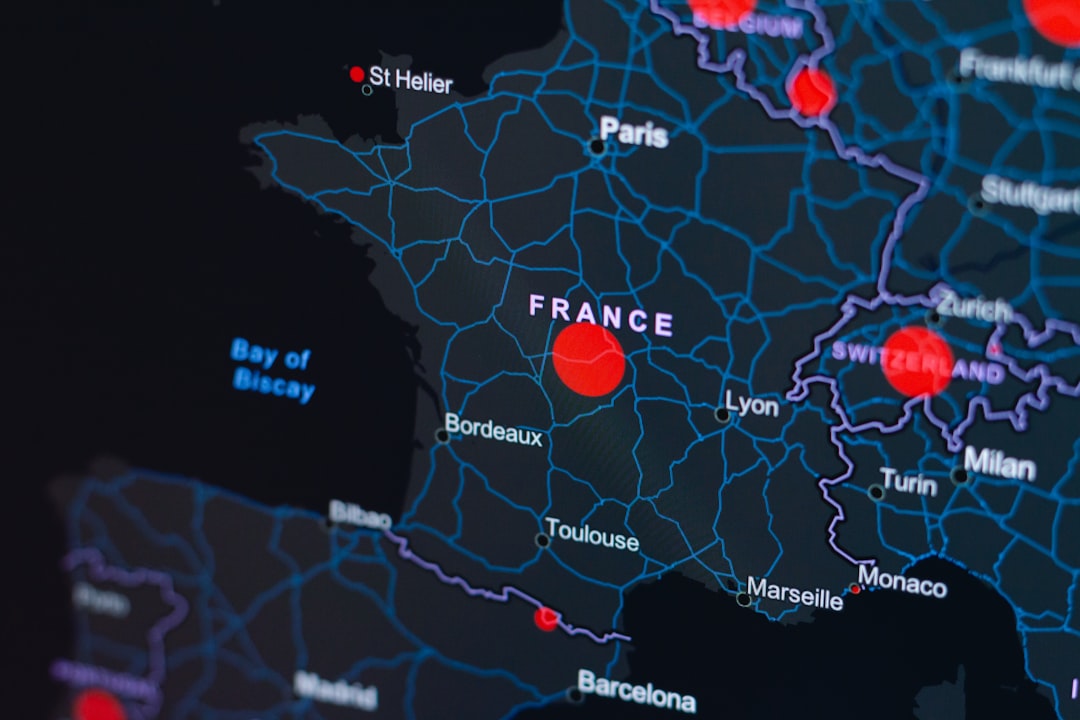
Introduction: Why Americans Are Making the Move
Every year, thousands of Americans make the leap to France, drawn by visions of cobblestone streets, fresh bread, and a lifestyle that seems to prioritize joy over hustle. France ranks among the top destinations for American expats, and for good reason. But moving to France is far more than booking a one-way flight and renting an apartment. It’s a multi-layered process that involves legal requirements, financial planning, language preparation, and significant lifestyle adjustment.
This guide will walk you through the entire journey—from your first serious consideration through your first year settled in France. Whether you’re a young professional, a retiree, a remote worker, or someone seeking a complete life change, understanding the complete picture before you begin will save you months of frustration and thousands of dollars in mistakes.
Why Americans Choose France
Before diving into the logistics, let’s acknowledge what’s actually drawing Americans to France:
Lifestyle and Pace of Life: The French philosophy of “joie de vivre” is real. Shopping for lunch at the local market, taking two-hour lunch breaks, and enjoying long dinner conversations aren’t productivity losses—they’re valued parts of life. Americans often report that moving to France forced them to recalibrate their relationship with work and rest.
Healthcare: The French healthcare system consistently ranks among the world’s best. For Americans accustomed to dealing with insurance denials and astronomical out-of-pocket costs, France’s Sécurité sociale feels like stepping into the future.
Culture and Cuisine: France isn’t just about Paris. From the wine regions of Bordeaux to the Mediterranean coast, the country offers profound cultural richness, world-class museums, and a food culture where eating well is a normal part of daily life—not a luxury.
Geography and Access: France is Europe’s gateway. From Paris, you can reach London, Amsterdam, or Barcelona by train in hours. Winter skiing is in the Alps; summer beaches are on the Mediterranean.
Quality of Education: If you have children, France offers excellent public education at a fraction of American costs.
The Reality Check
Before you get too romantic about the idea, here’s what catches many Americans off guard:
- Bureaucracy is real: The French administrative system is infamous. You’ll fill out forms in triplicate, wait in queues, and deal with officials who follow rules exactly. This isn’t a bug; it’s how the system works.
- Language matters: English isn’t widely spoken outside major cities. You’ll need French, even at a conversational level.
- Social integration takes time: French people are friendly but building genuine friendships takes longer than in more outwardly social cultures.
- Costs are variable: Paris is expensive and comparable to major US cities, but provincial France can be remarkably affordable.
- Weather varies: Southern France has Mediterranean climate, but Paris and the north have gray, cool winters with limited heating expectations.
The Complete Timeline: From Decision to Settlement
Phase 1: Preparation (3-6 months before arrival)
This phase is about research and planning:
- Decide on your visa path: Different visa types have different requirements and timelines. This is crucial because your visa category determines where you can work, study, or live.
Phase 2: Application and Logistics (1-3 months before arrival)
Phase 3: Arrival and First Month (Month 1)
Your first week should focus on immediate needs:
Expect to feel overwhelmed and excited in equal measure. This is normal.
Phase 4: Integration and Settlement (Months 2-6)
This is where the real adjustment happens:
The Biggest Challenges Americans Face
Administrative Complexity: The French administrative system requires patience. You’ll need to provide proof of address, income, identity, and more. The Dossier system for renting requires documents Americans find excessive—your visa, passport, bank statements, employment contracts, and proof of income.
Language Barrier: Even if you speak some French, bureaucratic and technical French is another beast. Common phrases don’t prepare you for filling out tax forms or discussing healthcare with a doctor.
Social Integration: Americans are often more outwardly friendly than French people initially appear. Friendships in France tend to be deeper but take longer to establish. The key is patience and participation in communities that interest you.
Housing Market Stress: Finding housing is competitive, especially in Paris. Many Americans express frustration with the dossier requirements, guarantor (garant) requirements, and the Visale guarantee system. Starting with short-term rental while you learn the system is wise.
Unexpected Costs: Setting up life in a new country always costs more than anticipated. Budget for visa stamps, document certifications, translation services, initial deposits for utilities and deposits, and initial furniture/household items.
What Americans Get Wrong About France
Myth 1: France is anti-American: While the French maintain a healthy skepticism toward American foreign policy, anti-American sentiment is overstated. What feels like coldness is often just cultural difference. Speaking French, even poorly, signals respect and is appreciated.
Myth 2: Everyone in Paris speaks English: Outside the tourism industry, English is genuinely limited. Even many Paris residents speak minimal English.
Myth 3: Life in France is cheap: Paris rivals New York for cost of living. However, outside Paris, life is significantly more affordable—you can live well on €1,500-2,000/month in many provincial cities.
Myth 4: You can move spontaneously: You cannot. France’s visa system requires advance planning, appropriate documentation, and official approval. Overstaying a tourist visa leads to legal trouble.
Myth 5: French people are universally rude: This misperception often stems from culture shock. French customer service emphasizes efficiency over friendliness. A transaction is a transaction; it’s not personal.
Myth 6: You don’t need French to live in France: You can function with English in Paris, but your life will be severely limited and frustrating. Learning French is essential for healthcare, housing, bureaucracy, and building a social life.
The Legal Framework: Quick Overview
Your ability to live, work, and stay in France depends on your visa status:
Chapter 2 covers these in detail. The key takeaway: you need authorization before you arrive, not after.
Financial Preparation
Most Americans underestimate the upfront financial requirements:
Minimum Recommended Savings: €8,000-15,000 for the move itself
Monthly Living Budget: Varies dramatically by location
Consider your visa category because it affects your financial planning. Student visas often include tuition costs. Entrepreneur visas require proof of business capital.
Next Steps
Conclusion: You’re Ready to Begin
Moving to France is entirely doable for Americans willing to embrace the process. Thousands of Americans successfully navigate this transition each year. The key is doing your homework, managing expectations, and approaching the bureaucracy as a puzzle to solve rather than a personal insult.
France offers a genuinely different approach to living well—more leisure time, better food, superior healthcare, and a culture that values pleasure as legitimate. But this requires flexibility, language commitment, and patience with a system that works differently than what you’re used to.
Start your preparation now. The financial investment is modest; the life investment is enormous. But for those who make the leap thoughtfully, France becomes not a vacation fantasy, but a home.
—
Next Chapter: Explore specific visa options and residency paths that match your situation.




Leave a Reply