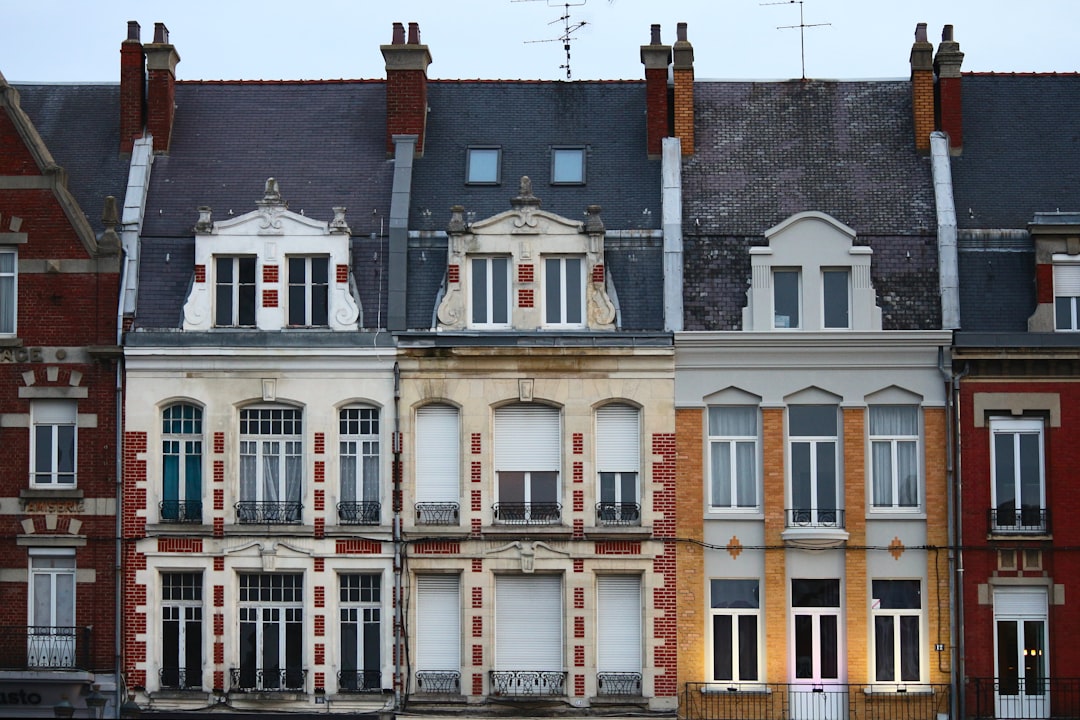
Introduction: Housing as Your First Major Challenge
Finding housing in France is often the most stressful aspect of relocation. The rental system operates completely differently than the US: the dossier system, guarantor requirements, furnished vs. unfurnished distinctions, and legal contracts are all foreign concepts to Americans. Success requires advance research, realistic expectations, and patience.
This chapter demystifies French housing, explains the rental system, and provides strategies for finding a home that fits your situation and budget.
The Rental Market: Two Types of Housing
France distinguishes between two housing categories, each with different rules and costs:
Furnished (Meublé)
What it means: Apartment or house comes with essential furniture (bed, sofa, kitchen table, basic kitchen equipment, possibly washer).
Lease term: Minimum 1 month; typically month-to-month or seasonal
Cost: Usually 10-15% higher than unfurnished equivalent
Dossier requirements: Simpler; often requires just ID, proof of income, and references
Guarantor: Sometimes required; less strict than unfurnished
Duration: Often used for temporary housing while apartment hunting
Who uses it: Expats during their first months, students, short-term workers
Best for: Americans arriving without knowing where they’ll settle long-term
Unfurnished (Non-Meublé)
What it means: Empty apartment or house. You provide all furniture, kitchen appliances, curtains, bedding.
Lease term: Typically 3 years (CDI – Contrat à Durée Indéterminée). Early termination possible with 1-3 months notice, but more complex
Cost: Standard market price (lower than furnished equivalents)
Dossier requirements: Extensive; this is where the real complexity begins
Guarantor: Almost always required
Duration: Long-term; stability expected
Who uses it: Long-term residents, families, those settling permanently
Best for: Americans planning to stay 2+ years
The Dossier System: Your Housing Application
Renting an unfurnished apartment in France requires assembling a “dossier”—a comprehensive application package that landlords scrutinize carefully.
What Your Dossier Must Include
Essential documents:
- Identity document (passport or French ID card)
- Proof of income (last 3 months of pay stubs, employment contract, business registration)
- Bank statements (last 3 months showing regular deposits and positive balance)
- Previous rental references (if available; letters from past landlords)
- Proof of address (utility bill, lease, or formal letter of residence)
- Curriculum vitae (resume explaining your background and stability)
Additional documents that strengthen your application:
Dossier Organization
Present your dossier organized, clearly labeled, and preferably translated to French (professional translation recommended for official documents). A well-organized dossier significantly improves your chances.
The Critical Issue: Income Requirements
Most French landlords require:
- Monthly income at least 3x the monthly rent (some strict landlords require 4x)
Example: For a €1,000/month apartment, landlords want proof of €3,000-4,000/month income.
This requirement is strict and non-negotiable. If your income doesn’t meet this threshold, you’ll need a guarantor.
Guarantors (Garants): The Dossier Game-Changer
A guarantor is a person who legally commits to cover rent if you can’t. This is essential if your income is insufficient.
Types of Guarantors
1. Personal guarantor (garant personnel)
A French citizen or legal resident who agrees to:
Who qualifies: French friends, colleagues, or family members with stable income and good credit.
Challenge for Americans: Most Americans don’t have French connections when arriving. Finding a personal guarantor is often impossible initially.
Visale Program: The American’s Solution
Visale is a French government program guaranteeing rent for low-income tenants. It’s free and designed specifically for situations where personal guarantors aren’t available.
How Visale works:
Who qualifies:
Key advantage: Visale overcomes the “no French guarantor” problem. It’s specifically designed to help people like you.
Timeline: 1-2 weeks for approval
Cost: Free
Website: actionlogement.fr (you can request in English; support available)
Pro tip: Most landlords recognize and accept Visale. It’s legitimate and increasingly common. Having Visale available makes your dossier competitive despite being foreign.
Housing Search: Where to Look
Primary Websites
Seloger.com: France’s largest rental platform (equivalent to Zillow)
LeBonCoin.fr: Classified ads (Facebook Marketplace equivalent)
Immobilier.com: Secondary rental platform
AirBnB/Booking.com: For initial short-term housing (while apartment hunting)
Neighborhood-Specific Groups
Facebook groups: Search “[City Name] Expats,” “[City Name] Housing,” or “Americans in [City]”
Nextdoor: US neighborhood app that exists in major European cities
Expatica forums: Expat-focused discussion boards with housing advice
Real Estate Agencies (Agences Immobilières)
Agencies handle many listings and offer services like:
Cost: Commission is typically 1 week’s rent (paid by tenant) or negotiable
Pro: Takes some paperwork burden off you
Con: Reduced inventory compared to websites; added cost
Housing by Region: Neighborhoods and Characteristics
Paris Neighborhoods (arrondissements)
Paris is divided into 20 arrondissements (districts), numbered 1-20. Cost decreases as numbers increase (moving from center outward).
Central, expensive (1st-8th arrondissements):
Inner ring, moderate (9th-15th arrondissements):
Outer ring, affordable (16th-20th arrondissements):
Tips for Paris housing:
Bordeaux
Downtown (Vieux Bordeaux – Old Town):
Saint-Pierre area:
Chartrons (North):
Merignac (South):
Lyon
Presqu’île (Central peninsula):
Fourvière (West):
Confluence (Southwest):
Marseille
Vieux Port (Old Port):
Noailles:
La Plaine:
Furnished vs. Unfurnished: Strategic Approach
Recommended strategy for Americans arriving:
– Use AirBnB monthly rate or furnished apartment rental
– Cost: €800-1,200/month (higher but includes furniture, utilities often)
– Allows you to explore neighborhoods, understand city, find permanent housing
– Simultaneously explore while in temporary housing
– Assemble dossier during this period
– Get Visale guarantee approved
– Reduce stress of simultaneous moving/apartment hunting
– Now you know neighborhoods and have met people
– Your dossier is ready and Visale is approved
– Buy furniture gradually (less stress than buying everything before arrival)
This approach costs more initially but reduces stress, improves housing decisions, and makes the transition smoother.
Utilities and Service Setup
Once you’ve secured an apartment, you’ll need to set up utilities:
Electricity (EDF – Électricité de France)
Cost: €30-60/month average (varies by usage and region)
How to set up:
Timeline: 1-2 weeks
Note: EDF is no longer a monopoly; other providers (Engie, Direct Énergie) exist but EDF remains standard.
Water (Distributor varies by region)
Cost: €20-40/month average
How to set up:
Timeline: 1-2 weeks
Note: Water is relatively cheap; often included in certain apartment rentals
Gas (Engie or other providers)
Cost: €20-40/month (varies by region and season)
How to set up:
Timeline: 1-2 weeks
Note: Not all apartments have gas heating; many use electric or central heating
Internet (Multiple providers)
Providers: Orange, SFR, Bouygues, Free
Cost: €30-50/month for 1Gbps fiber
How to set up:
Timeline: 2-4 weeks
Speed: French internet is excellent; 1Gbps fiber is common and affordable
Pro tip: Shop around; promotional rates for new customers are common (€15-25/month for first year)
Phone/Mobile
See Chapter 6 (working in France) for detailed mobile setup information.
Lease Contracts and Legal Protections
French rental contracts are complex and heavily favor tenants:
Key Contract Elements
Durée (Duration):
Charges (Additional costs):
Dépôt de Garantie (Security deposit):
Préavis (Notice period to end lease):
Tenant Protections (In Your Favor)
French law heavily protects tenants:
This is unlike many US states with landlord-favorable laws. As a tenant, you have more legal protection in France than the US.
Contract Review
Always have a contract reviewed before signing:
Common Housing Scams
Be cautious of:
Rule of thumb: If it feels rushed or pressured, don’t pursue it.
Moving and Furnishing
What to Buy Upon Arrival
If moving with minimal furniture, budget €2,000-4,000 for:
Furniture Sources
IKEA: European-style IKEA is cheaper and better quality than US locations
Used furniture:
New furniture shops:
Strategy: Buy gradually over 2-3 months rather than everything at once. Furniture shopping is enjoyable once you’re settled; use it as a way to explore your neighborhood.
Conclusion: Housing Takes Time and Strategy
Finding housing in France requires patience, preparation, and understanding of a system very different from the US. The dossier, guarantor requirements, and lease structure are unfamiliar but manageable once understood.
The best approach: secure temporary furnished housing for your first month, explore neighborhoods in-depth, assemble your dossier and Visale guarantee in parallel, then make an informed decision about permanent housing. This takes longer than Americans expect but results in better housing decisions and less relocation stress.
Once you’ve secured housing, you’re over the largest hurdle. Utilities are routine, furniture is attainable, and you can focus on building your life in France.
—
Next Chapter: Navigate employment, freelancing, and business opportunities for Americans in France.




Leave a Reply