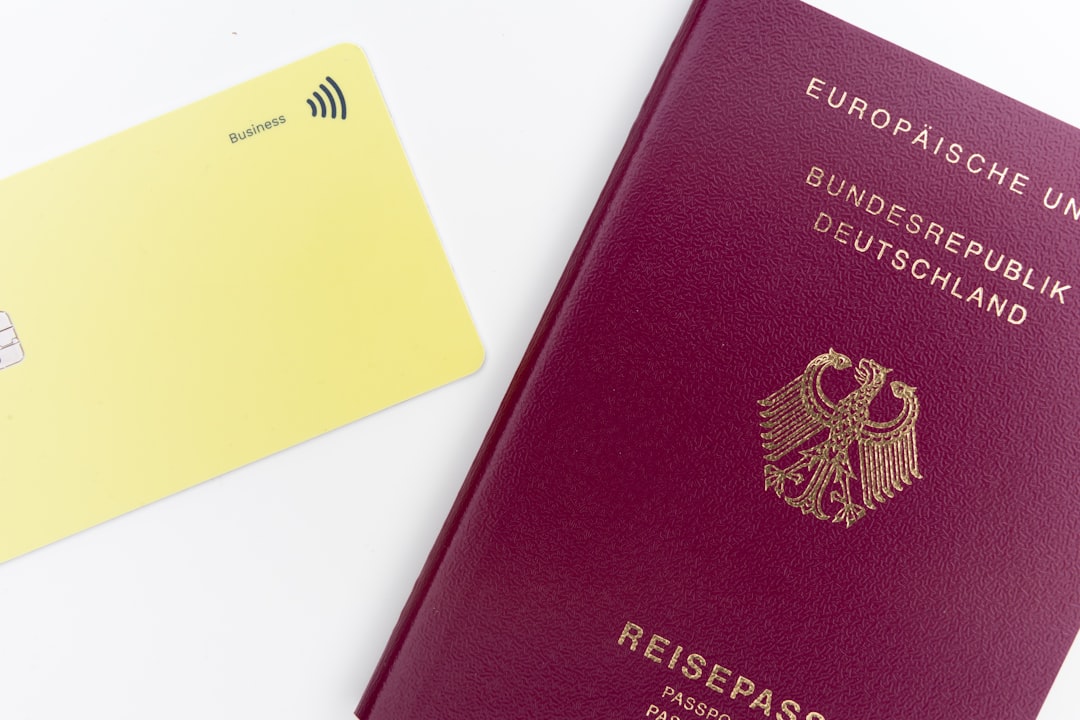
Introduction: Finding Your Route to Germany
One of the most common questions American expats ask is: “How do I get permission to stay in Germany?” The answer, fortunately, is that Germany offers multiple legal pathways for Americans to relocate, depending on your situation. Whether you’re a skilled worker, freelancer, student, entrepreneur, or seeking family reunification, there’s likely a visa category designed for you.
This guide walks through every visa option available to Americans, explaining eligibility, requirements, processing times, and what happens after approval. Understanding these options before you start your relocation process will determine your entire timeline and strategy.
The 90-Day Visa-Free Period: A Starting Point (Not a Solution)
How It Works
Americans, as US passport holders, enjoy a unique advantage: you can enter Germany visa-free and stay for up to 90 days within any 180-day period. This is part of the Schengen Area agreement, which allows visa-free travel throughout most of Europe.
Important Limitations
- The 90 days are per Schengen Area, not per country (time spent in France, Italy, Spain all count toward your 90 days)
- You cannot work during this period (technically, no employment is permitted)
- You cannot extend this period once it expires
- You must leave the Schengen Area and return to the US (or non-Schengen country) before you can get another 90-day period
Best Use
Most Americans use the 90-day visa-free period to:
The 90 days gives you time to transition from tourism to permanent relocation status. However, it is not a long-term solution. Plan to secure appropriate visa status before day 90.
The Job Seeker Visa: For Skilled Workers
Overview
Germany offers a Job Seeker Visa specifically designed to help skilled workers find employment. This is one of the easiest entry points for Americans.
Eligibility Requirements
What You Can Do
What You Cannot Do
Duration and Costs
Processing Time
My Pro Tip
The Job Seeker Visa is criminally underutilized by Americans. It’s relatively easy to obtain and gives you legitimate time to find employment while in Germany. Many Americans overstay their 90 days illegally rather than pursuing this straightforward option. If you’re planning to work in Germany, start with this visa.
Common Mistake
Americans assume they need a job offer before applying for any visa. The Job Seeker Visa proves this wrong. You can legally search for work in Germany on this visa. Once employed, you transition to a work visa (see below).
The EU Blue Card: The High-Skilled Worker Path (Most Popular)
Overview
The EU Blue Card is the fastest route for skilled professionals to work in Germany and eventually obtain permanent residency. It’s designed specifically for highly educated non-EU workers and is extremely popular with American professionals.
Eligibility Requirements
What You Can Do
Duration and Costs
Key Advantages
Salary Expectations
Germany pays less than the US, but cost of living is lower. Typical salaries by field:
These are gross salaries. After taxes and health insurance (roughly 40-45% total), net is significantly less than the gross figure. However, remember that healthcare, childcare, and education are subsidized or free.
How to Find Jobs
Use these platforms:
The Standard Work Residence Permit (Aufenthaltserlaubnis)
Overview
This is the most common work visa for Americans who don’t qualify for the EU Blue Card or have non-skilled employment.
Eligibility Requirements
What You Can Do
Duration and Costs
Key Difference from EU Blue Card
The standard Work Permit requires that no German or EU citizen is available for the position. This “labor market test” makes it slower and less certain than the EU Blue Card. However, it’s still viable, especially in specialized fields where German workers aren’t available.
The Freiberufler Visa: For Freelancers and Self-Employed
Overview
Germans have a special category for independent professionals: Freiberufler. If your profession is recognized as “freelance” (which covers far more than Americans typically realize), you can obtain a self-employment visa without needing to prove there’s no German competition.
Eligible Professions
Eligibility Requirements
What You Can Do
What You Cannot Do
Duration and Costs
Pro Tips for Freelancers
Common Mistake
Americans sometimes try to come on a student visa or tourist visa and then “just freelance online.” This is illegal. If you’re self-employed, get the Freiberufler visa first. It’s not difficult, and it protects you legally.
The Self-Employment Visa (Gewerbe): For Business Owners
Overview
Different from Freiberufler, this visa is for people creating a business (Gewerbe) rather than independent professional practice. It’s for entrepreneurs.
Key Differences from Freiberufler
Eligibility Requirements
Processing Time
When to Choose This Over Freiberufler
The Student Visa: For Those Pursuing Education
Overview
Germany’s universities are extremely affordable (many public universities charge no tuition), making student visas attractive for Americans continuing education.
Eligibility Requirements
Duration and Costs
Work Permissions During Studies
Post-Study Options
Cost Reality
Tuition may be free or very low (€0-400/semester), but living costs (€1,200-1,800/month) are still significant. American students often find studying in Germany more affordable than staying in the US, especially compared to private universities.
Family Reunification Visa (Nachzug)
Overview
If you have family in Germany, they may be able to join you. Similarly, if your spouse works in Germany, you can join.
For Spouse/Partner
For Children
Processing Time
Settlement Permit (Niederlassungserlaubnis): Permanent Residency
Overview
The Settlement Permit is Germany’s version of permanent residency. It’s renewable indefinitely and gives you all rights of residence except voting rights in federal elections.
Paths to Settlement Permit
EU Blue Card Route (Fastest)
Standard Work Visa Route
Freiberufler/Self-Employment Route
Other Routes
Key Advantages
Citizenship: The Final Step
Eligibility
Requirements
Processing Time
Important Caveat
Most Americans don’t pursue German citizenship because renouncing US citizenship means losing US passport, voting rights, and ability to work in the US without visa sponsorship. Permanent residency (Settlement Permit) is often sufficient.
The Ausländerbehörde (Immigration Office): Your Ongoing Partner
Once you arrive in Germany, you’ll visit the Ausländerbehörde (foreign office) repeatedly for:
Pro Tips
Comparison Table: Visa Options at a Glance
| Visa Type | Duration | Processing | Skill Level | Cost | Work | Family |
|———–|———-|———–|———–|——|——|——–|
| 90-Day Entry | 90 days | None | Any | Free | No | No |
| Job Seeker | 6 months | 4-8 weeks | Bachelor+ | €90 | No | No |
| EU Blue Card | 2 years | 2-6 weeks | Bachelor+ | €100 | Yes | Yes* |
| Standard Work | 2 years | 6-12 weeks | Varies | €100 | Yes | Yes |
| Freiberufler | 2 years | 4-8 weeks | Any | €100 | Self | Yes |
| Self-Employment | 2 years | 6-12 weeks | Any | €100 | Self | Yes |
| Student | Length of study | 4-8 weeks | Any | Free | Limited | No |
| Family Reunification | Tied to sponsor | 4-12 weeks | N/A | €100 | Yes | N/A |
*Spouse can work; children attend school
Common Application Mistakes Americans Make
1. Incomplete Documentation
Germans are famous for precise requirements. Missing a single document can delay your application by weeks. Always request a complete checklist from the consulate before applying.
2. Unofficial Translations
Document translations must be certified by official translators. Your friend who speaks German isn’t enough. The cost is typically €10-15 per document, and it’s mandatory.
3. Waiting Too Long
If you’re already in Germany on 90-day visa-free status, apply for your next visa category before day 60. Processing takes time, and you cannot extend the 90-day period.
4. Assuming You Don’t Need German
Even at A1 level, learning German strengthens your applications and shows commitment. It also helps with Ausländerbehörde appointments and daily life.
5. Not Having a Financial Backup
Even though health insurance is required, have 3-6 months of expenses saved. Job searches take time, and if your visa application is delayed, you need a runway.
Next Steps
- Determine which visa category fits your situation best
- Research specific requirements for your German consulate (requirements vary slightly by location)
- Schedule a consultation appointment with your consulate
- Gather all required documentation, get official translations if needed
- Submit application and wait for approval
- Once approved, book your flight and secure temporary housing
- Arrive and complete Anmeldung registration
Your path to Germany is clearer than you think. Choose the right visa, prepare thoroughly, and you’ll be living in Germany legally and confidently.




Leave a Reply