Introduction: Why Americans Are Choosing the Netherlands
The Netherlands has become an increasingly popular destination for Americans seeking to relocate abroad. Unlike some countries with language barriers and cultural divides, the Netherlands presents a remarkably accessible entry point for English-speaking professionals, families, and entrepreneurs. With nearly 90% of Dutch people fluent in English, you won’t face the same linguistic hurdles as in other European destinations.
This guide provides a practical, honest overview of what it actually takes to move to the Netherlands as an American—the exciting parts, the bureaucratic parts, and the surprising cultural adjustments you’ll encounter.
Why Americans Are Moving to the Netherlands
Universal English Fluency
The most significant advantage is language accessibility. Most Dutch professionals conduct business in English, international companies operate primarily in English, and younger Dutch people are often more comfortable with English than Dutch in many contexts. You can absolutely live and work in the Netherlands while learning Dutch at your own pace.
Exceptional Quality of Life
The Netherlands ranks consistently among the top countries worldwide for quality of life, work-life balance, and overall happiness. Dutch culture emphasizes achieving gezelligheid—a sense of cozy contentment—and protecting personal time. Working 40 hours per week is standard, with most companies respecting strict boundaries around evenings and weekends.
Progressive, Pragmatic Society
The Netherlands is known for its pragmatic approach to social issues, excellent public services, strong infrastructure, and commitment to sustainability. You’ll find a society that values directness, consensus, and finding practical solutions over endless meetings.
Thriving International Job Market
Major cities host headquarters and offices for global tech companies, financial institutions, and creative enterprises. Amsterdam, Rotterdam, The Hague, and Utrecht all have robust job markets for English-speaking professionals, particularly in tech, finance, consulting, and creative industries.
Cycling Culture and Environmental Commitment
The Netherlands has the world’s best cycling infrastructure. Thousands of kilometers of dedicated bike paths mean you can travel safely and efficiently without a car—or with minimal driving. This transforms daily life and reduces costs substantially.
Proximity to Europe
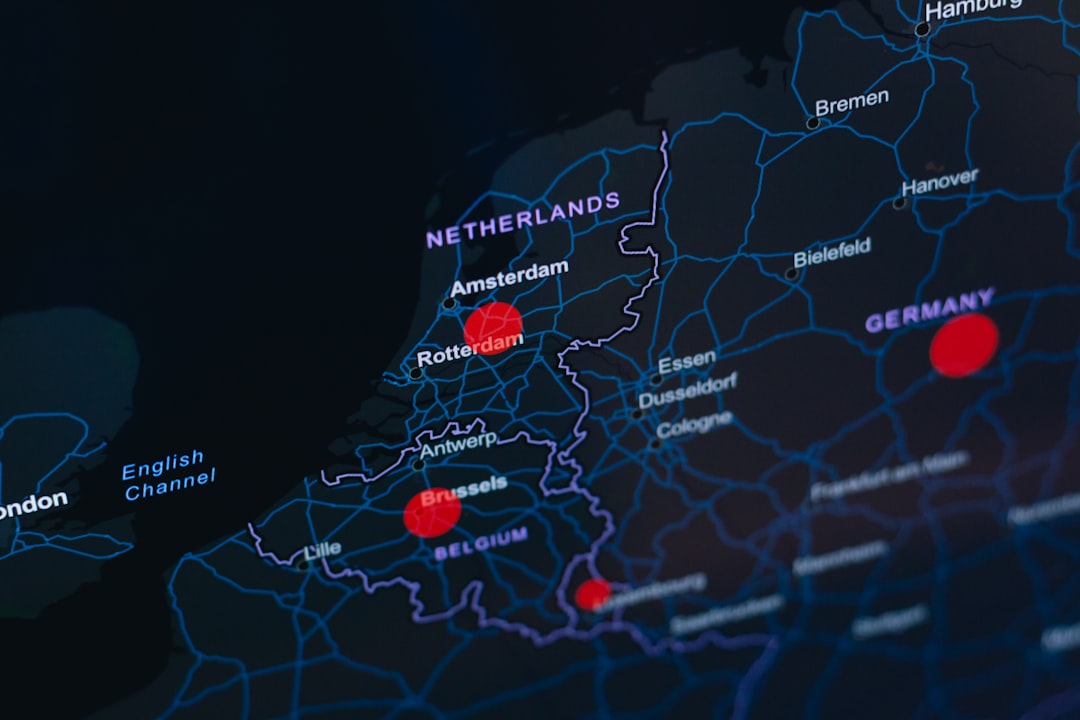
Living in the Netherlands positions you within easy travel distance of Germany, Belgium, France, and beyond. Low-cost airlines operate from Amsterdam and Rotterdam, making weekend European trips feasible and affordable.
Essential First Steps: The Critical Documents
The BSN Number (Burgerservicenummer)
The BSN is your Dutch citizen service number—essentially your social security number replacement. It’s required for nearly everything: registering with the gemeente (municipality), opening a bank account, signing rental agreements, and getting health insurance. Most Americans discover the BSN’s critical importance after arriving. Don’t apply for anything until you have one. You obtain it through your local gemeente when registering your residence.
Gemeente Registration (Gemeente Inschrijving)
Upon arrival, you must register at your local gemeente office. Bring:
- Your passport
- Proof of address (rental agreement or letter from landlord)
- Your BSN application paperwork
This registration is not optional—many government and private services require proof that you’re registered with the gemeente. Failure to register can result in fines.
Timeline: From Decision to Settlement
Months 1-2: Decision and Planning Phase
Months 3-4: Visa Application Phase
Month 5: Logistics Phase
Month 6: Arrival and Registration
Months 7-12: Integration Phase
Holland vs. the Netherlands: Geography Clarity
A common confusion: Holland is a region (two provinces: North Holland and South Holland), not the entire country. The Netherlands is the country. Amsterdam is in North Holland, Rotterdam in South Holland, but cities like Eindhoven, Utrecht, and Groningen are outside Holland entirely. Using “the Netherlands” is more accurate, though Dutch people rarely correct you if you use “Holland.”
The Dutch Directness Factor
American culture rewards politeness, indirectness, and what we often call “tact.” Dutch culture values direct honesty. Where an American manager might gently suggest improvement, a Dutch manager will state bluntly what’s not working. This isn’t rudeness—it’s efficiency. Understanding this prevents the shock many Americans experience in their first weeks.
Dutch people will:
This directness extends to personal matters. A Dutch friend might tell you your outfit isn’t flattering, not from cruelty but from honesty. Adapt by not taking feedback personally and learning to be equally direct.
The Housing Crisis: A Serious Reality
The Netherlands faces a genuine housing shortage. Rental prices in major cities are extraordinarily high and rising. In Amsterdam, expect to pay €1,500-€2,500+ for a one-bedroom apartment in desirable areas. Even smaller cities see intense competition for rentals.
You’ll encounter:
This is addressable through the strategies outlined in Article 5, but approach housing with realistic expectations. Many expats spend 4-8 weeks in temporary accommodations before securing permanent housing.
The Weather Challenge
The Netherlands doesn’t have brutal winters by northern European standards, but it’s grey, damp, and windy from November through March. Days are short (around 7 hours of daylight in December), and rain is frequent. Seasonal Affective Disorder (SAD) affects many expats during winter months. Plan accordingly with outdoor activities for darker months, consider light therapy lamps, and build social connections to combat isolation.
The Healthcare Transition
American healthcare is privatized and expensive; Dutch healthcare is mandatory and much more affordable. You’ll immediately need to purchase private health insurance (basisverzekering) through one of several insurers. It covers most services but requires you to choose a GP (huisarts) and work through a referral system rather than visiting specialists directly. This system feels restrictive to Americans accustomed to direct specialist access but is actually quite efficient.
The Bike Culture Integration
Cycling is how the Netherlands moves. Within a month of arrival, most expats buy a used Dutch bike (sturdy, upright, practical—not a road bike). You’ll navigate city streets alongside thousands of other cyclists, following specific traffic rules. Invest in lights, a lock, and helmet. Many Americans struggle with rain cycling initially; it becomes normal quickly. Bike theft is rampant, so secure your bike properly or expect to replace it.
Language: English Won’t Hold Forever
You can genuinely live in the Netherlands speaking English for years. However, you’ll hit a ceiling. Professional advancement, social integration, and long-term contentment improve substantially with Dutch. The inburgering (civic integration) program requires learning Dutch to B1 level within a certain timeframe, depending on your visa status. Start lessons early—Dutch is more grammatically complex than it appears.
Biggest Mistakes Americans Make
- Not securing housing before arrival — This forces expensive temporary stays and desperation that landlords exploit.
Why Americans Succeed in the Netherlands
Successful relocating Americans share characteristics:
What’s Next
The following guides cover specific aspects: visa options, cost of living, healthcare, housing, employment, and cultural integration. Approach your move with curiosity rather than expectation, embrace the differences you’ll encounter, and give yourself grace during the adjustment period. Most Americans who move to the Netherlands find the experience transformative and enriching.
The Netherlands offers opportunity, quality of life, and a fascinating culture waiting to be explored. Your move here is absolutely achievable with proper planning and realistic expectations.




Leave a Reply