Introduction: The Adjustment Period
Moving to the Netherlands comes with surprises. Some delightful, some frustrating. Understanding the cultural context of daily life transforms potential culture shock into fascinating observation.
The first 3-6 months are often hardest. By month six, most expats have adapted and begun genuinely enjoying Dutch life. By year one, many realize the Netherlands has fundamentally changed how they relate to work, leisure, and community.
This guide covers practical daily life issues, cultural understanding, and integration strategies.
The Language Question: Do You Really Need Dutch?
The Honest Answer: You Need It Eventually
Short-term (first 6-12 months): You can absolutely function in English. Nearly all Dutch people speak English fluently; many younger Dutch people prefer English to Dutch for professional contexts.
Medium-term (1-3 years): You’ll hit a ceiling without Dutch. Professional advancement becomes harder, social integration limited, and you’ll feel perpetually outside. Most expats at this point regret not learning Dutch earlier.
Long-term (3+ years): Long-term integration and permanent residency legally require Dutch language competency (B1 level). The inburgering exam requirement mandates this.
Why Dutch Matters Beyond Legal Requirements
Social integration:
- Most Dutch friend groups converse in Dutch
- Networking and professional relationships deepen with Dutch
- Jokes and cultural references lost in English
- You remain perpetually in “expat bubble” without it
Daily life:
Government services conducted in Dutch
Many documents only in Dutch
Store interactions sometimes Dutch-first
Finding services (doctors, dentists) easier with Dutch
Emergency situations handled in Dutch
Professional:
Career advancement beyond junior/entry roles requires Dutch
Management positions almost always require Dutch fluency
International companies use English, but Dutch companies increasingly expect some Dutch
Salary ceiling lower without Dutch
Integration:
Inburgering exam legally required (B1 Dutch + civic knowledge)
Permanent residency requires language competency
Citizenship requires B1 Dutch
Can’t remain indefinitely without it
Learning Dutch: Practical Guidance
When to start: Immediately upon arrival
Takes 6-12 months to reach conversational level
Takes 18-24 months to reach professional level
Inburgering exam level (B1) takes 12-18 months of serious study
How to learn:
Formal lessons:
Universities offer Dutch courses (€300-€1,000 per course)
Private language schools (€50-€200 per hour)
Group classes cheaper than private (€250-€500/month)
2-3 hours/week of classes for 6-12 months recommended
Self-study supplements:
Duolingo (free, useful for vocabulary and basics)
YouTube channels (RealDutch, Dutch Uncovered, Dutch with Klaas)
Dutch textbooks (Teach Yourself Dutch, Colloquial Dutch)
Language exchange partners (Tandem app, language meetups)
Immersion:
Find Dutch-speaking friends (join sports clubs, volunteer groups)
Watch Dutch TV/movies with subtitles, then Dutch subtitles
Read Dutch news sites (NOS.nl, AD.nl, NRC.nl)
Listen to Dutch podcasts and radio
Change your phone/computer language to Dutch
Timeline expectations:
0-3 months: Basics (hello, thank you, counting, simple phrases)
3-6 months: Conversational ability (ordering food, asking directions, basic conversation)
6-12 months: Intermediate (work meetings, social situations, news understanding)
12-18 months: Advanced conversational (can have nuanced conversations, though still learner)
18-24 months: Professional level (nearly native, accent remains)
Reality: Most expats reach functional Dutch (conversational, can handle daily tasks) in 6-12 months. Advanced professional Dutch takes 2-3 years of sustained effort.
Inburgering: The Civic Integration Requirement
What it is:
Legal requirement for long-term residence (timeline depends on visa type)
Combination of Dutch language learning (B1 level) and civic knowledge test
Mandatory participation in integration program
Cost varies (usually €500-€2,000 depending on program and municipality)
What you study:
Dutch language (speaking and writing at B1 level)
Dutch history and government
Dutch culture and social norms
Practical knowledge (healthcare, education systems, employment)
The exam:
Combination of language exam and civic exam
Language: Speaking, listening, reading, writing all tested
Civic: Multiple choice questions about Dutch society
Pass/fail; most people pass with preparation
Timeline:
Usually starts after 1-2 years in Netherlands
Completion expected within specified timeframe
Failing doesn’t result in removal, but it delays permanent residency/citizenship
Who must do it:
Most non-EU immigrants eventually
Timeline depends on visa type
Some exemptions for older people or those with certain disabilities
Everyone permanently settling expects to complete it
The Bicycle Culture: More Than Transportation
Bikes Are Essential, Not Optional
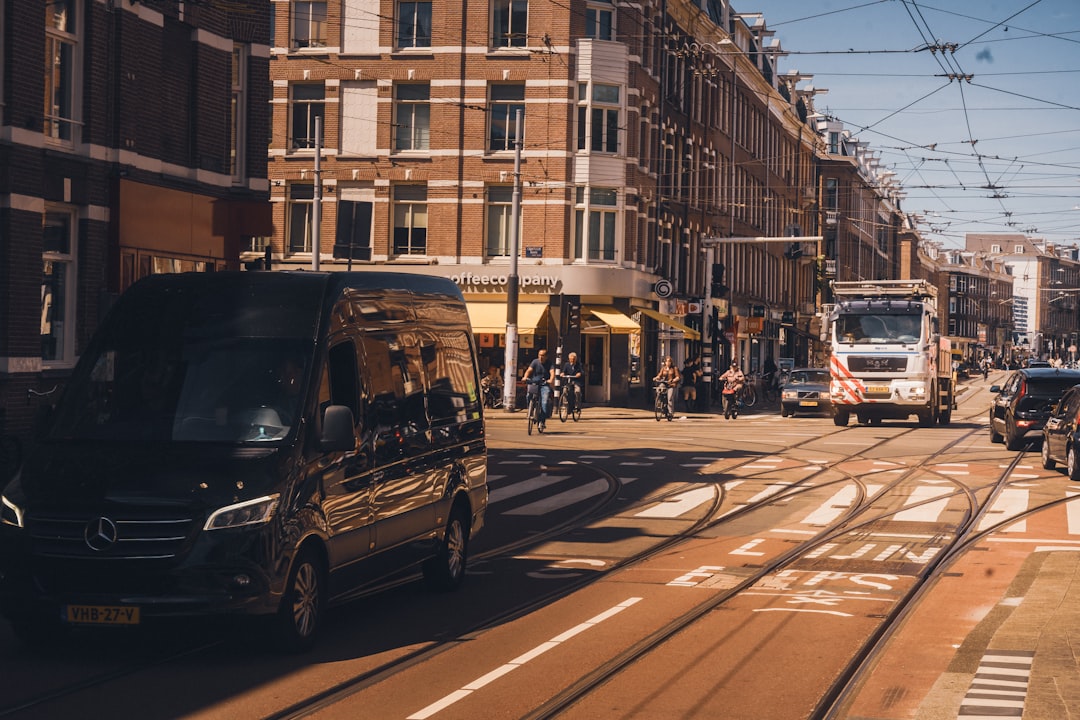
The Netherlands has the world’s best cycling infrastructure: 35,000 km of dedicated bike paths nationwide. Nearly everyone cycles daily, regardless of age, weather, or fitness level.
Reality for Americans:
Most Americans arrive accustomed to cars
Many haven’t cycled regularly since childhood
The culture shock of a city full of cyclists is real
Within weeks, most expats are cycling enthusiasts
Bike Types and Purchasing
Dutch bike (fietsenstalling):
Upright, heavy, practical design
Wide tires, chain guard, lights integrated
Perfect for carrying cargo and groceries
Aesthetic: charming, sturdy, built to last
This is what you need to buy
What NOT to buy:
Road bikes (dropped bars, flimsy)
Mountain bikes (unnecessary suspension)
Fancy bikes (theft risk and impractical)
Folding bikes (poor for daily use)
Where to buy:
Used bike markets (Amsterdam Bike Exchange, local markets, Facebook Marketplace): €80-€200 (best option for expats)
New bike shops (Swapfiets, Bikepark): €150-€500 new
Online: Marktplaats.nl (Dutch Craigslist)
Budget for your first year:
Used bike: €100-€200
Lock: €30-€60 (get a serious lock; bikes are stolen constantly)
Lights (required by law): €20-€40
Helmet (optional but recommended): €30-€100
Maintenance/repairs: €100-€200 annually
Total startup cost: €300-€500
Cycling Laws and Rules
Required by law:
Lights (front and rear) at night—non-negotiable
Bell—must have working bell
Brakes—must work
You can be fined for riding without lights
Traffic rules (these are real rules, enforced):
Stop at red lights (police fine €100+ for running lights)
Use designated bike lanes (it’s not a suggestion)
Yield to pedestrians in certain areas
No riding on sidewalks (technically not allowed)
Don’t ride while texting or holding phone (people get fined)
Parking must be at designated bike racks (not trees, fences, etc.)
Practical advice:
Always lock your bike (bike theft is common and constant)
Lock the back wheel and frame to immovable object
Never leave expensive bike unattended
Use quality locks (U-locks more secure than cable locks)
Consider taking a photo of your bike’s serial number (helps with theft recovery)
Weather and Cycling
Dutch weather reality:
Rain is frequent, particularly October-March
Never let rain stop you (Dutch people cycle in all weather)
Budget for rain gear: good waterproof jacket (€80-€150), waterproof pants (€50-€100), shoe covers (€20-€40)
Lights and reflectors extra important in rain
Ride slower on wet roads
Wind:
Netherlands is flat and windy, particularly near coast
Wind-assisted commutes are glorious
Wind-against commutes are frustrating initially
You adapt quickly
Winter:
Snow is rare but icy conditions happen
Some people use winter tires or studded tires
Completely normal to cycle year-round
Dutch Directness: It’s Not Rude
Understanding “Bluntness”
Dutch people communicate with shocking directness compared to Americans.
American style: Indirect, polite, sugar-coated feedback. “You did a nice job on that presentation. The slides were good. One thing you might consider for next time is…”
Dutch style: Direct, honest, straight-forward. “Your presentation wasn’t good. The slides were confusing. For next time, learn to tell a story clearly.”
Why this matters:
First impression: feels rude, harsh, insulting
Reality: Dutch person is trying to be helpful, informative, and honest
The bluntness is cultural, not personal
Examples of Dutch Directness
In a meeting:
American: “That’s an interesting approach, and I understand what you’re thinking…”
Dutch: “That won’t work.”
On your clothing:
American: “That color looks nice on you, but I’m not sure it’s the best choice for you…”
Dutch: “That doesn’t look good on you. The color is wrong for your complexion.”
At work:
American: “You’re doing a great job overall! One small thing—maybe next time you could focus a bit more on…”
Dutch: “Your work is not good enough. You’re not meeting standards. You need to improve here, here, and here.”
How to Adapt
- Don’t take it personally — The Dutch person isn’t attacking you; they’re informing you
- Accept the feedback as gift — They’re telling you honestly what they think, which is more useful than polite fiction
- Reciprocate directness — Dutch people appreciate equally direct feedback; don’t try to soften it for them
- Ask clarifying questions — Respond to blunt feedback by asking how to improve
- Use bluntness as tool — Over time, you’ll appreciate efficiency of direct communication
Gezelligheid: The Dutch Art of Coziness
What Is Gezelligheid?
An untranslatable Dutch concept loosely meaning “cozy contentment” or “pleasant social comfort.” It encompasses gathering with friends in warm cafes, enjoying simple pleasures, protecting personal time, and creating comfortable home environments.
How It Manifests
In social life:
Dinner parties and gatherings with friends (gezellig)
Spending time in cafes or homes, not bars or nightclubs
Long conversations over tea or wine
Unhurried enjoyment of company
Protecting these social times as non-negotiable
In home life:
Investing in home comfort and beauty
Candles, plants, comfortable furniture
Spending evening at home reading or with friends
Creating warm, inviting spaces
Valuing home more than status symbols
In work-life balance:
Protecting personal time from work invasion
Refusing to work weekends or evenings
Leaving work exactly at 5pm without guilt
Taking full vacation time
Not glorifying overwork
How This Affects Americans
Culture clash:
Americans often see Dutch pace as “lazy”
Americans often work weekends and check email evenings
Americans often sacrifice personal time for work
The Dutch find this bizarre and unhealthy
Adaptation:
Embrace protection of personal time
Invest in home comfort (makes life better)
Accept that leaving work at 5pm is normal and healthy
Enjoy gezelligheid: spend time in cafes, with friends, without agenda
You’ll find life balance improves dramatically
Birthday Circles: An Unusual Dutch Tradition
What Is a Birthday Circle (Verjaardagskalender)?
Dutch homes display a birthday calendar on the wall listing all family and friends’ birthdays. On someone’s birthday, you visit them to celebrate (party, drinks, cake, often organized by friends).
The Tradition
How it works:
Person celebrates birthday in their own home
Friends visit throughout the day to celebrate
Hostess/host provides drinks and cake
Guests come and go (not coordinated; you show up when you can)
Duration: Usually 2-4 hours spread across afternoon/evening
Cost: Hostess provides drinks and cake (standard expectation)
American Perspective
This surprises Americans:
Birthday person hosts, not friends
No restaurant reservation or organized party
More casual and intimate than American celebrations
Actually more pleasant for most people
How to Participate
Write down Dutch friends’ birthdays
Accept invitations to birthday parties
Bring a gift and flowers (standard)
Arrive when convenient (it’s drop-in style)
Expect to meet their friends and family
Leave after 1-2 hours if you want; people come and go
Splitting the Bill: Going Dutch Is Real
Dutch Social Tradition
When you eat out or grab coffee with friends, Dutch people split the bill. This isn’t hostility; it’s equality.
How it works:
Restaurant: Bill comes, everyone pays their portion or split evenly
Coffee: Each person buys their own round
Dinner party: Guests bring wine or dessert, but don’t contribute money
American Perspective
Many Americans find this surprising:
In US, often one person picks up the check as gesture of friendship
Or people rotate who pays
The Dutch approach feels impersonal initially
Dutch Perspective
Dutch view splitting the bill as:
Respectful of everyone’s financial autonomy
Preventing anyone from feeling indebted
Equality and fairness
Normal and practical
How to Adapt
Accept that you’re expected to pay your share
Never try to pick up the check (it makes Dutch uncomfortable)
Split evenly or by what you ordered (just ask)
Don’t feel offended; it’s cultural norm
Eventually you’ll appreciate it: no awkwardness about who pays
Weather Coping Strategies
The Grey Problem
November-March is genuinely depressing for many. Days are short (7 hours daylight in December), skies are grey, and rain is constant. Seasonal Affective Disorder (SAD) is real and affects many expats.
Coping Strategies
Light therapy:
Light lamp (10,000 lux): €50-€150
Use 30 minutes in morning
Genuinely helps with mood and energy
Recommended by therapists
Vitamin D:
Many people supplement vitamin D (deficiency common in Northern Europe)
D3 supplements: €10-€30
Talk to doctor about supplementation
Physical activity:
Exercise is mood-booster
Join gym (€30-€60/month) or sports club
Cycling in winter is surprisingly enjoyable
Swimming or other activities help
Social connection:
Winter isolation is dangerous
Join groups, attend events, maintain social engagement
Gezelligheid with friends helps mood
Boarding doesn’t help; social contact does
Embracing grey:
Stop expecting sun; adjust expectations
Grey light is actually pleasant for photography and art
The dampness creates lush green landscapes
Many people learn to appreciate grey beauty
Travel:
Take winter vacation somewhere sunny
Even 5-7 days mid-winter helps reset mood
Budget for it as mental health necessity
Cultural Holidays and Celebrations
King’s Day (Koningsdag) – April 27
What it is: National celebration of the King’s birthday
How it’s celebrated:
Entire nation celebrates with street parties and gatherings
Amsterdam and other major cities fill with parties
Distinctive orange attire worn everywhere
Street concerts, DJs, floating parties on canals
People drink and party from morning through evening
Genuinely one of Europe’s best street parties
What Americans should know:
This is a must-experience cultural event
Dress in orange (not weird; everyone does)
Expect massive crowds (millions celebrate in cities)
Very fun and unique experience
Sinterklaas (December)
What it is: Dutch version of Christmas celebration, but entirely different from American expectations
How it works:
Occurs early December (not Christmas)
Sinterklaas (similar to Santa but different) brings gifts on December 5th
Different than American Christmas in many ways
Less commercialized than US Christmas
Smaller gifts, more focused on specific presents rather than holiday shopping spree
Gift-giving tradition:
Friends sometimes exchange gifts (Sinterklaas gifts)
Gifts often humorous or thoughtful rather than expensive
Different than American tradition
Dutch Christmas (Kerst)
Quieter than American Christmas
Family-focused
Less decorated homes than US
More intimate celebration
Takes a backseat to Sinterklaas in Dutch culture
New Year’s Eve (Oudejaarsavond)
Major celebration comparable to US New Year’s
Fireworks everywhere (quite impressive and chaotic)
Street parties and gatherings
Particularly wild in Amsterdam
Grocery Shopping and Dutch Food
Where to Shop
Albert Heijn (AH):
Premium, convenient, expensive
Every neighborhood has one
Good for specific items, not bulk shopping
Known for quality
Jumbo:
Mid-range, good quality, reasonable prices
Many locations
Best for regular shopping
Lidl/Aldi:
Discount chains
20-30% cheaper than AH
Good quality despite low prices
Growing chain in Netherlands
Markets:
Albert Cuyp (Amsterdam): Famous market with produce, flowers, international foods
Weekly markets in every city
Great for vegetables and local products
Often cheaper than supermarkets
What to Expect: Dutch Food
Dutch staples:
Bread (brood): Various types available; Dutch bread is excellent
Cheese (kaas): World-famous Dutch cheese; cheap and good locally
Dairy: Milk, yogurt, butter cheap and excellent
Stroopwafels: Waffle cookies with caramel; popular snack
Poffertjes: Tiny pancakes with powdered sugar
Kroket: Fried meat-filled pastry (often eaten as snack)
Bitterballen: Fried meat balls
Haring: Raw fish; famous Dutch food (acquired taste)
Pea soup (Erwtensoep): Thick hearty soup
International food:
Netherlands is diverse; international cuisines available
Amsterdam particularly has excellent international food
Asian, Middle Eastern, Mediterranean, Indian all well-represented
Dining Out
Casual options (cheap):
Fries with sauce: €3-€5
Kebab/shawarma wraps: €6-€9
Pizza: €2-€4 per slice
Sandwiches: €4-€7
Regular restaurants:
Lunch mains: €10-€15
Dinner mains: €15-€25
Three-course meal: €35-€60
Dutch restaurants:
Less common to eat out regularly (different culture than US)
Entertaining usually happens at home (gezelligheid)
Restaurants tend to be special occasions rather than frequent activity
Budget less for dining out than in US
Driving vs. Biking
Should You Get a Car?
For most expats: No
Reasons:
Expensive (insurance, gas, parking)
Infrastructure prioritizes bikes/transit
Parking difficult and costly (€20-€40/month residential)
Stress of driving in congested cities
Bikes are better for urban commuting
When you might need a car:
Living outside city centers in remote areas
Family with young children
Work requiring regional travel
Physical disabilities preventing biking
Reality: Most expats never buy cars, even those who drove in US. Public transit + bikes cover everything.
Public Transportation
OV-chipkaart:
Electronic transit card used for buses, trains, trams, ferries
Reload with credit; charge applies per journey
Single journey: €2-€5 depending on distance
Monthly pass: €85-€110 typical for city pass
Best value for regular commuters
Types of transit:
Trams (only in major cities like Amsterdam, Rotterdam)
Buses (everywhere)
Trains (intercity and regional)
Ferries (in some cities)
Reliability: Transit is frequent, on-time, and clean
Buses/trams typically 5-10 minute intervals
Trains reliable and extensive
Making Friends and Integration
The Challenge: Dutch Friendships
Honest reality: Making close Dutch friends as a foreigner is difficult.
Why:
Dutch people have long-standing friend groups from childhood/university
“Scheduling” friend time feels foreign to them; friendships are organic
Social circles fill up; less room for new people
Language barrier initially
Dutch directness can seem cold initially
Strategies for Friendship Building
Expat community:
Join expat groups (fastest way to build friendships)
“Amsterdam Expats,” city-specific Facebook groups
Expat clubs and meetups
Downside: less integration, remaining in “expat bubble”
Activity-based:
Sports clubs (cycling clubs, running clubs, football teams, yoga)
Volunteer organizations
Classes (Dutch lessons, cooking, art)
These create natural repeated contact
Better for mixing with Dutch people
Workplace:
Work colleagues often become friends
Borrels (after-work drinks) important for bonding
Spending time with coworkers outside work context
Language classes:
Dutch classes full of expats and integrate-minded people
Shared experience of learning Dutch
Often leads to friendships
Universities/young person programs:
If applicable, university environments accelerate friendship-building
Timeline for Integration
0-3 months:
Lonely often
Expat friendships primary
Culture shock high
Few Dutch friendships
3-6 months:
Starting to understand cultural context
Some Dutch friendships forming
Expat community helps transition
Language improving
6-12 months:
Dutch friendships developing
Cultural understanding deepening
Feeling less overwhelmed
Some people still struggling socially
1-2 years:
Integrated into social circles
Dutch friends established
Culture no longer shocking
Feel like part of community
2-3 years:
Full integration for most
Dutch friends feel like “real” friends
Comfortable in Dutch social situations
May feel more Dutch than American
Schools: Options for Families with Children
Public Schools
Free to residents (tax-funded)
Very good quality
Taught in Dutch
International curriculum available in some areas
Challenging for non-Dutch speaking children initially
Timeline for Dutch language: Children learn Dutch quickly (3-6 months) when immersed in school
International Schools
English-language instruction (or bilingual)
Expensive (€10,000-€25,000 annually)
Easier transition for English-speaking kids
Less Dutch language/culture integration
Bilingual/Tweetalig Schools
Compromise option
Taught in both English and Dutch
More affordable than full international schools
Good integration + English support
Choosing School Strategy
If staying long-term: Public Dutch school (children become bilingual, more integration)
If staying short-term: International school (less transition, English-language education)
Middle path: Bilingual school (balance between integration and support)
Health and Wellness
Mental Health and Adjustment
Adjustment to new country triggers:
Loneliness and isolation
Culture shock and disorientation
Homesickness
Identity questions
Anxiety about future
Normal experience: Most people struggle 3-6 months
Red flags: Depression lasting beyond 6 months warrants professional help
Therapy in Netherlands
Available through GP referral (free but waitlist)
Private therapy: €60-€100 per session
Many English-speaking therapists in major cities
Expat-specific therapists available
Health insurance covers GGZ (government mental health)
Exercise and Physical Activity
Join sports club (€20-€50/month) for activity + community
Cycling is exercise and transportation (built-in daily activity)
Running clubs, gyms, yoga studios available
Physical activity helps adjustment and mood
Key Takeaway: The Three-Month Adjustment
Months 1-3: Culture shock, homesickness, everything feels wrong
Months 3-6: Understanding context, less shocking, starting to adjust
Months 6-12: Integration deepening, friendships forming, comfort increasing
Most people who struggle in month 1-2 find month 6+ genuinely enjoyable. Patience with yourself during adjustment period is essential. The Netherlands is worth the initial discomfort.
Integration Tips Summary
Learn Dutch from day one — Accelerates everything
Join activity groups — Sports, classes, volunteer work builds friendships and integration
Embrace Dutch directness — Stop taking it personally; learn to appreciate honesty
Invest in gezelligheid — Make home comfortable, spend time with friends intentionally
Try cycling — Most expats become enthusiasts; it’s central to Dutch life
Weather cope strategies — Light lamp, vitamin D, activity, social engagement help winter
Join local community — Attend neighborhood events, support local businesses
Get to know culture — Read Dutch history, watch Dutch news, understand context
Patience with yourself — Adjustment takes time; the struggle is normal
Connect with both expats and Dutch — Build diverse friendships, use expat community but push toward integration
The Netherlands rewards people who approach it with curiosity rather than expectation, with flexibility rather than rigidity. Those who embrace the culture, even while maintaining their American identity, find it one of the best places in the world to live. Welcome to the Netherlands.




Leave a Reply