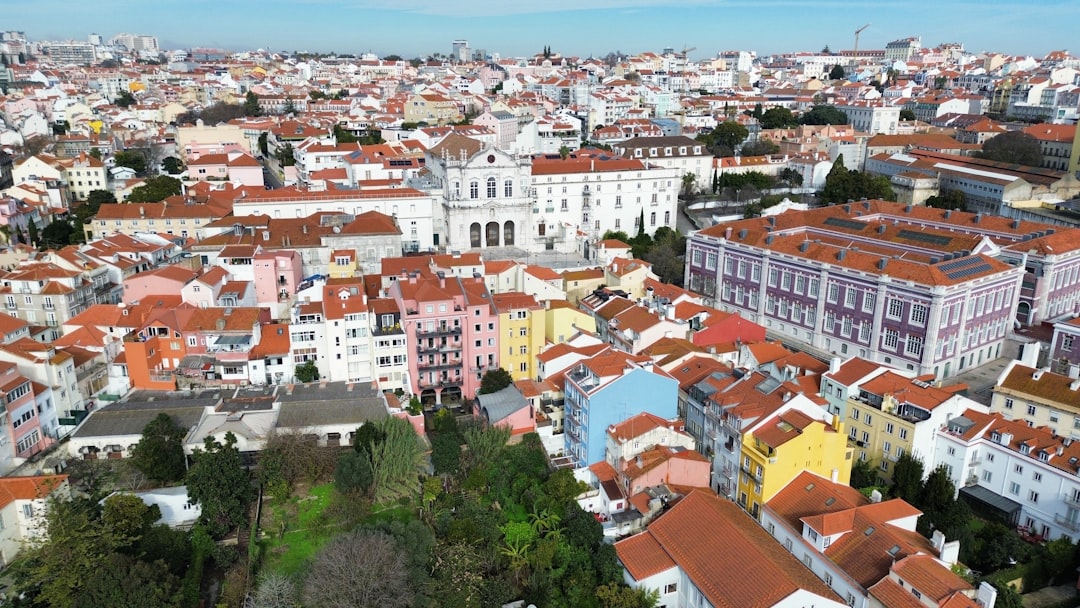
Portugal has quietly become one of the most popular European destinations for American expats. Between 2015 and 2024, the American expat population in Portugal has grown by over 300%, with thousands of Americans now calling Lisbon, Porto, and the Algarve home. Unlike the crowded tech hubs of Germany or the expensive lifestyle of Switzerland, Portugal offers something increasingly rare: a developed European country that remains genuinely affordable, safe, welcoming to immigrants, and genuinely livable for middle-class Americans.
Why Portugal is the New Hotspot for American Expats
Climate and Lifestyle
Portugal enjoys 300 days of sunshine annually—more than most Mediterranean destinations. The winter temperatures in Lisbon rarely drop below 50°F (10°C), while summers are warm but not oppressive (typically 75-85°F or 24-29°C). The Algarve is even sunnier and warmer year-round. This climate isn’t just pleasant; it fundamentally changes how you live. Outdoor café culture isn’t a summer luxury—it’s a way of life nine months a year.
Genuine Affordability
While European cities have generally become pricier, Portugal remains remarkably affordable by Western European standards. A couple can live comfortably in Lisbon on $2,500-3,500 per month including rent. Outside the capital, that drops to $1,500-2,000. Compare this to San Francisco ($5,000+), New York City ($4,500+), or even Austin ($3,500+), and Portugal’s value proposition becomes immediately apparent. A glass of local wine costs 50 cents to $1.50 in restaurants. A three-course meal with wine runs $12-18 in neighborhood eateries.
Safety and Stability
Portugal ranks as the 4th safest country in the world according to the Global Peace Index (2024). Violent crime is extremely rare, particularly outside Lisbon’s specific neighborhoods. The political system is stable, the infrastructure is modern, and the healthcare system is publicly funded and generally well-regarded. If you’re accustomed to security concerns in major American cities, Portugal will feel remarkably relaxed.
English Proficiency
Roughly 50% of Portuguese people speak English to some degree, and among younger people (under 40) in Lisbon and Porto, the rate exceeds 70%. This is a crucial differentiator from Southern Spain or Southern France. You can realistically function for your first year primarily in English, though most Americans commit to learning Portuguese within 6-12 months.
The Expat Community
There are an estimated 200,000+ American expats in Portugal, with concentrated communities in Lisbon, Porto, Cascais, and the Algarve. Unlike some European destinations where you might feel isolated, Portugal has established expat infrastructure: English-language Facebook groups with tens of thousands of members, co-working spaces, English-speaking doctors and dentists, international schools, and regular expat networking events. This community ranges from remote workers to retirees to digital nomads to people starting businesses.
The Basic Timeline: From Decision to Landing
Months 1-2: Research and Planning
- Determine which visa category fits your situation (see Article 2 for detailed options)
- Calculate your financial needs using Article 3 (Cost of Living)
- Research neighborhoods in your target city
- Start Portuguese language learning (even basic foundation helps)
Months 2-4: Documentation and Applications
Month 4-5: Logistics
Month 5+: Arrival and First Month
Key Administrative Concepts for Americans
The NIF Number
The NIF (Número de Identificação Fiscal—Tax Identification Number) is Portugal’s equivalent to a Social Security Number. You cannot function in Portugal without one. The NIF is required for:
Good news: obtaining a NIF as a foreigner with a valid visa is relatively straightforward. You apply through a tax office (Finanças) with your passport and visa documentation. Processing typically takes 5-10 business days. Many Americans use a NIF-obtaining service to expedite the process, paying €50-100 for assistance.
SEF/AIMA Registration
SEF (Serviço de Estrangeiros e Fronteiras) has been reorganized into AIMA (Agência para a Integração, Migrações e Asilo) as of 2023. This is the immigration authority. Once in Portugal on a valid visa, you typically have 3 months to register. You’ll need:
Processing can take 1-3 months. This creates a common quirk: you might live in Portugal legally on your visa for months before your AIMA registration is finalized.
Growing Expat Communities: Where Americans Cluster
Lisbon (Capital District)
Lisbon proper and surrounding areas (Cascais, Sintra, Almada) host the largest American expat concentration—estimated 40,000+ Americans. Lisbon offers the most job opportunities, best international schools, comprehensive healthcare, and the most developed expat infrastructure. Neighborhoods popular with expats include:
Porto (Northern Hub)
With 15,000+ American expats, Porto is Portugal’s second-largest expat hub. It’s less touristy than Lisbon, more compact, and many Americans report it feels more authentically Portuguese while remaining very expat-friendly. Popular neighborhoods:
The Algarve (Southern Beach Region)
The Algarve attracts a different demographic: retirees, wealthy remote workers, and people prioritizing year-round beach access. The English language is more prevalent here than in Lisbon or Porto (and not always a positive—some Algarve towns feel more British than Portuguese). Costs are higher than Porto but lower than Lisbon. Popular towns include Tavira, Lagos, and Albufeira.
The Silver Coast and Central Portugal
Increasingly, Americans are discovering Portugal beyond the Big Three. Towns like Covilhã, Castelo Branco, and Nazaré offer even lower costs, authentic Portuguese experience, and growing digital nomad communities. These areas have historically been overlooked but are experiencing infrastructure improvements and cultural revitalization.
Common Misconceptions About Moving to Portugal
“I can just move to Portugal without a visa.”
False. While US citizens can visit for 90 days visa-free under the Schengen agreement, this isn’t residence. To actually move and stay longer than 90 days, you need a visa. See Article 2 for your options.
“It’s cheap because it’s poor.”
Partially true—Portugal does have lower average wages than Northern Europe—but it’s not a developing country. Portugal is a modern, developed EU nation. The affordability comes from a different economic model, not danger or instability.
“Everyone speaks English—I don’t need to learn Portuguese.”
While true in tourist areas and among young people, this mindset will leave you frustrated and isolated. Learning Portuguese opens doors to friendships, local culture, and genuinely understanding your adopted home. Most Americans who stay long-term become somewhat fluent within 18 months.
“Portugal is exactly like Spain.”
Completely different countries with distinct languages, cultures, and histories. Portuguese is not Spanish, and the Portuguese are proud of this distinction. Don’t assume your Spanish will help—you’ll sound odd and potentially offend.
“The housing market is stable and affordable.”
Housing costs have risen 40-60% in Lisbon and Porto since 2015 and continue climbing. It’s still affordable compared to London or Paris, but it’s not “cheap” anymore. Expect rental prices of €800-1,200 for a one-bedroom in central Lisbon.
“Americans aren’t welcome here.”
Actually, Americans are generally welcomed. Portugal actively recruits digital nomads and remote workers. There’s sometimes grumbling about gentrification in Lisbon, but this is directed at rapid change more than Americans specifically.
“I’ll learn Portuguese once I get there.”
While many do learn in-country, starting before arrival significantly accelerates integration. Resources like Duolingo, Babbel, and Portuguese classes in your home city provide foundational knowledge that makes your first months far less frustrating.
Next Steps
This guide introduces the basics, but moving to Portugal requires detailed planning in specific areas:
Portugal offers something rare: a developed, safe, beautiful country where Americans can genuinely afford to relocate without extreme wealth. The combination of climate, affordability, safety, and infrastructure has created a genuine opportunity for a better quality of life. The growth of the American expat community isn’t a fad—it’s a lasting shift driven by Portugal’s genuine appeal.
The key is moving with eyes open: understanding the visa requirements, realistic housing costs, healthcare navigation, and cultural differences. This series will guide you through each element, preparing you not just to move to Portugal, but to thrive there.




Leave a Reply