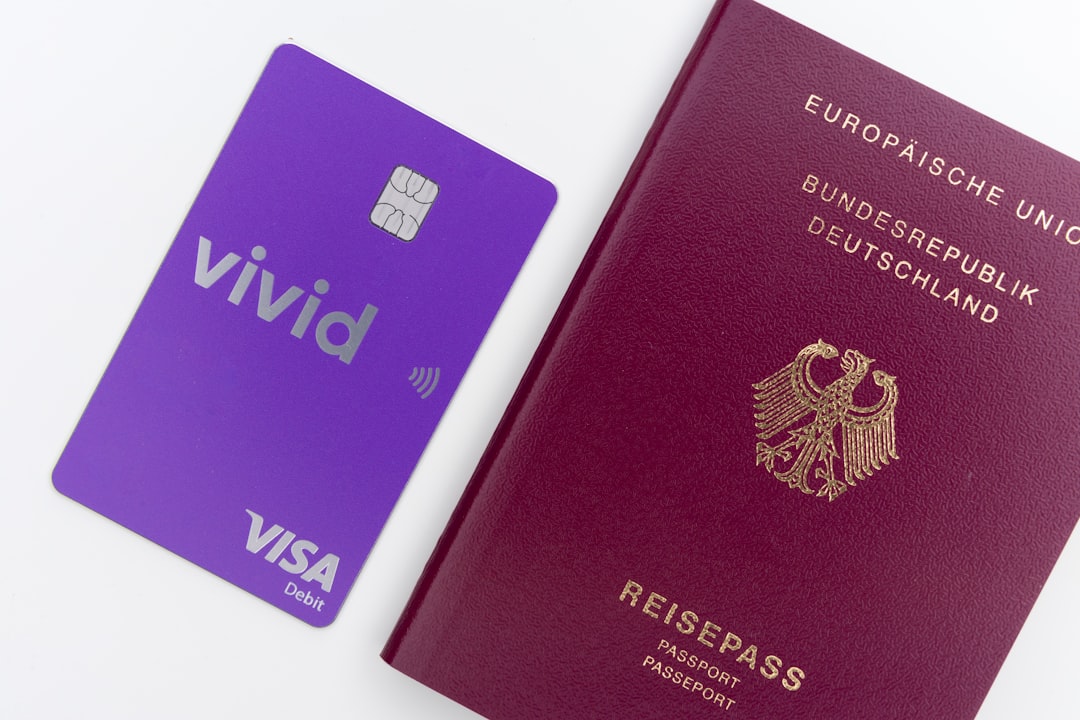
Choosing the right visa category is the most critical decision when moving to Portugal. Your visa type determines what you can do legally, how long you can stay, what paperwork you’ll need, and your path to permanent residency and citizenship. Unlike some European countries with restrictive immigration, Portugal offers multiple pathways for Americans—but you must choose correctly.
The 90-Day Schengen Tourism Visa
Who it’s for: Short-term visitors, not relocation
The US-Portugal relationship includes visa-free travel for American citizens. You can enter and stay in the Schengen Area (which includes Portugal) for up to 90 days per 180-day rolling period without a visa. This is tourist travel only—you cannot legally work, rent an apartment long-term, or establish residence.
Important limitations:
- Cannot be the basis for relocation
- Cannot work (even remotely for a US employer)
- Border agents may deny entry if they suspect you’re relocating
- Upon exit, the 90-day clock resets after 90 days outside the Schengen zone
Many people initially arrive on this tourist exemption, but you must transition to a proper residence visa within the 90-day window. Living in Portugal beyond 90 days on tourist status is illegal, though enforcement is inconsistent.
The D7 Passive Income Visa (Most Popular)
Who it’s for: Retirees, people with investment income, remote workers with stable income
The D7 is Portugal’s most popular visa for American expats. It’s designed for people with passive income sources and doesn’t require employment in Portugal. The Portuguese government introduced this visa specifically to attract retirees and people with independent financial means.
Requirements:
Documentation needed:
The D7 advantage:
Cost: Application fees are minimal (€100-200), though many people use immigration lawyers (€500-1,500) to ensure proper documentation.
Pro tip: The income threshold is low—lower than most Americans realize. A modest pension plus part-time remote work easily qualifies. You don’t need to be wealthy; you just need demonstrable, recurring income.
The Digital Nomad Visa
Who it’s for: Remote workers employed by non-Portuguese companies
Portugal’s Digital Nomad Visa (officially D/Temporary Residence) is one of Europe’s most generous and has become extremely popular with location-independent workers.
Requirements:
Features:
The catch:
You must prove ongoing employment. If you lose your job or switch to self-employment, you’ll need to transition to a different visa category. The visa is specifically for employees, not freelancers or entrepreneurs.
Cost: €1,500-3,500 with an immigration lawyer’s help; €300-500 if you navigate it yourself.
The Work Visa
Who it’s for: Americans who have secured employment with a Portuguese employer
If you have a Portuguese job offer, the Work Visa is your path. However, Portuguese employers must demonstrate they cannot find a qualified Portuguese or EU citizen for the role—it’s not the easiest route.
Requirements:
Timeline and difficulty:
This isn’t a practical route for most Americans unless you have a very specific job opportunity.
The Entrepreneur/Startup Visa
Who it’s for: Americans launching a Portuguese business or investing in Portuguese startups
Portugal actively encourages entrepreneurship and offers startup visas for people creating new businesses.
Requirements:
Features:
Reality check:
This requires genuine business investment. It’s not a loophole—immigration officials verify that the business is real and economically viable. Processing takes 8-12 weeks.
The Student Visa
Who it’s for: Americans enrolling in accredited Portuguese educational institutions
Students at Portuguese universities or recognized training programs can obtain residence permits. This is straightforward if you’re genuinely studying—proof of enrollment plus proof of financial means (roughly €12,000-15,000/year) covers requirements.
Reality: More common for younger Americans but possible at any age. Part-time work limits apply.
The Golden Visa (Investment Visa)
Who it’s for: High-net-worth Americans investing substantially in Portugal
Portugal’s Investment Visa (Golden Visa) was historically the path for very wealthy people willing to invest €280,000-500,000+ in Portuguese real estate or other approved investments. However, dramatic changes occurred in 2023-2024:
Recent changes:
In January 2024, Portugal severely restricted the Golden Visa program. Real estate investment in Lisbon and Porto is now essentially prohibited. The program now focuses on:
Current reality: The Golden Visa is no longer the reliable path to residency it once was. Unless you’re investing €500,000+ in a Portuguese business, the D7 or Digital Nomad visa are better options.
Family Reunification
Who it’s for: Spouses, dependent children, and parents of people already in Portugal
Once you’ve obtained a residence visa, you can bring family members. Requirements:
Processing is usually quick (4-8 weeks) and straightforward.
The Critical Administrative Numbers
NIF (Número de Identificação Fiscal)
The NIF is your Portuguese tax ID number. You must have it within your first few months. Obtain it by:
- Visiting a local Finanças (Tax Authority) office with passport and visa
- Completing a form
- Receiving your number (usually within days to two weeks)
The NIF is essential for:
Many Americans hire a NIF-obtaining service (€50-150) to expedite the process.
Número de Utente (Healthcare ID)
Once you’re established, you’ll get a healthcare identification number from the NHS (Serviço Nacional de Saúde). This is essential for accessing public healthcare.
SEF/AIMA Registration
The Serviço de Estrangeiros e Fronteiras (SEF) was reorganized into AIMA (Agência para a Integração, Migrações e Asilo) in 2023. This is immigration processing.
Timeline:
Required documents:
Path to Permanent Residency
After 5 consecutive years of legal residence in Portugal (on any residence visa), you can apply for Permanent Residency status. This is renewable indefinitely and requires:
Permanent Residency offers security and is often pursued by long-term expats, though it’s not required to live in Portugal indefinitely.
Path to Portuguese Citizenship
Portugal offers one of Europe’s fastest pathways to citizenship:
– 5 years continuous legal residence
– Proof of legal income/financial means
– Clean criminal record
– Basic Portuguese language competency (A2 level minimum)
– Renounce or declare any other citizenship (US allows dual citizenship)
– Successful integration interview
The advantage: Portuguese citizenship grants you:
This 5-year timeline is remarkably fast compared to most countries. Germany requires 8 years, the US requires 5 years from green card (total 7+ from arrival), and many countries require 10+ years.
NHR Tax Regime (Recent Changes)
Portugal’s Non-Habitual Resident (NHR) tax regime has historically been attractive to expats. However, significant changes occurred in 2023:
Don’t count on NHR tax advantages—they’re largely gone.
Choosing Your Visa: Decision Tree
Do you have remote work income from a US/international employer?
Do you have any recurring passive income (pension, investments, rental income)?
Do you have a Portuguese job offer?
Are you investing €500,000+ in a Portuguese business?
The Bottom Line
The D7 Passive Income Visa remains the most practical and popular path for Americans relocating to Portugal. It requires minimal documentation, straightforward income verification, and opens the door to the same permanent residency and citizenship pathways as other visas. If you have any recurring income (pension, remote work, freelance income, investment income), the D7 is likely your path.
The Digital Nomad Visa is excellent for salaried remote workers but requires maintained employment. The Work Visa is most difficult. The Student Visa works for actual students. The Golden Visa is no longer the default path it once was.
Whichever you choose, ensure you’re on a legitimate residence visa before moving. Overstaying as a tourist can lead to deportation and permanent bans. Take immigration seriously—Portugal is welcoming, but it’s still governed by immigration law.




Leave a Reply