Christmas in Ireland is a celebration unlike any other, blending centuries-old traditions with modern festivity in ways that are uniquely Irish. If you’re planning to visit Ireland during Christmas or simply curious about how the Irish celebrate the season, prepare yourself for a holiday experience that’s deeply traditional, often unexpected, and absolutely unforgettable.
The Season of Goodwill and Excess
The Irish celebrate Christmas with genuine enthusiasm and zero restraint. This is a time when even secular Ireland leans into tradition, when pubs are packed, when families gather, and when the general attitude is that Christmas is a time for celebration, excess, and joy.
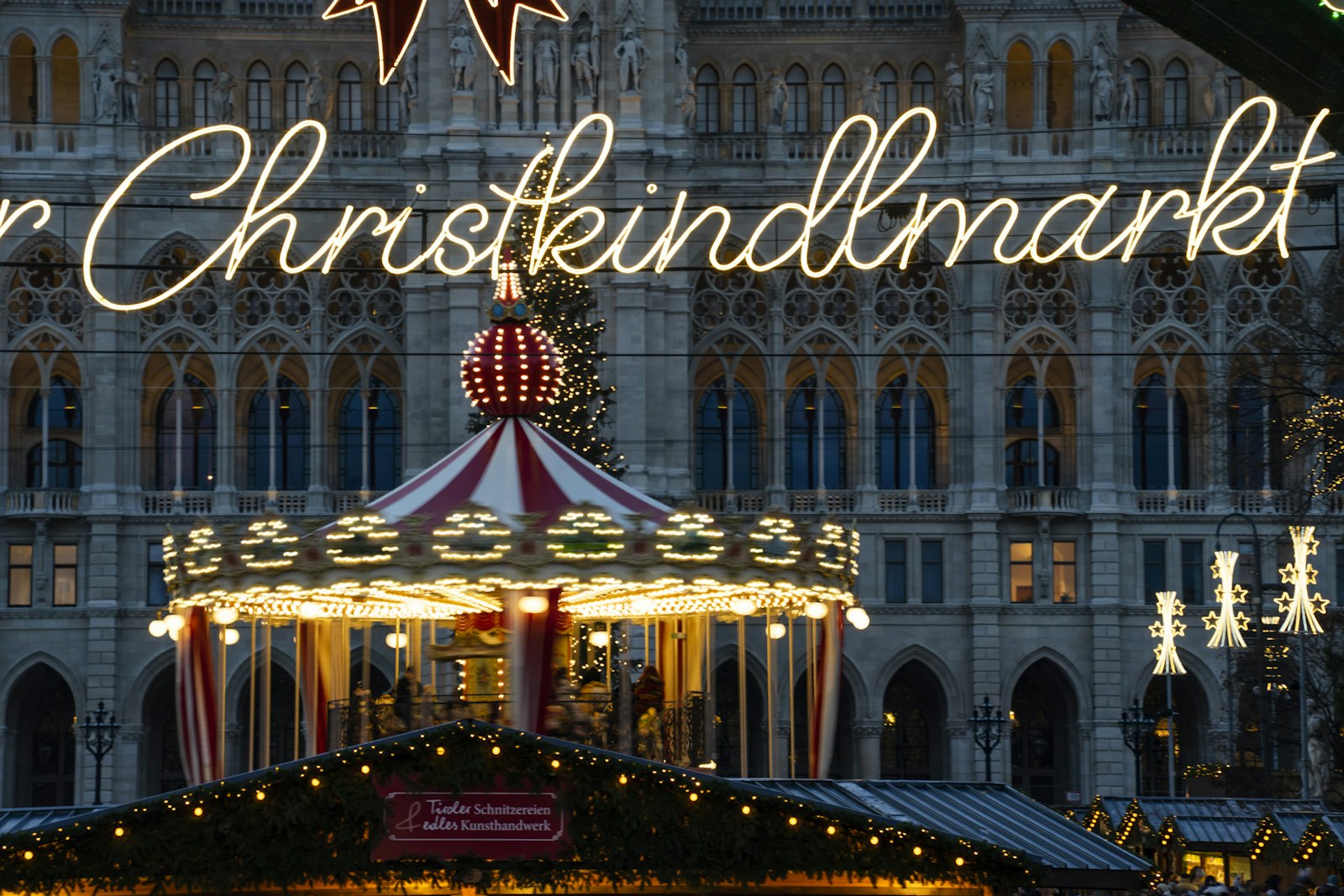
The Christmas decorations in Ireland can be elaborate and sometimes wonderfully tacky. Towns and villages get decorated extensively. Christmas markets appear in major cities, particularly Dublin, offering festive food, gifts, and atmosphere. Department stores begin decorating in November, and Christmas music plays in shops by mid-November.
The Irish shop for Christmas with enthusiasm, and there’s a sense that Christmas requires new clothes, new decorations, and general spending. Black Friday and Cyber Monday have made inroads into Irish shopping culture, but the traditional Christmas shopping season remains important.
The 12 Pubs of Christmas
One of the most distinctly Irish Christmas traditions is the “12 Pubs of Christmas.” This is a pub crawl with a Christmas twist, where groups of friends visit 12 different pubs in a single evening or afternoon, drinking one drink at each pub.
The tradition typically happens in the week before Christmas, often on Christmas Eve or the days immediately preceding it. Groups dress in festive or ridiculous outfits—Christmas sweaters, Santa suits, reindeer hats—and make their way through their local pubs. The atmosphere is chaotic, joyful, and absolutely raucous.
The “12 Pubs” is partly about the pubs, partly about socializing, and partly about competition—some groups try to complete all 12 in a single evening, which is an ambitious undertaking. By pub number 12, groups are typically quite merry, and the conversations become increasingly hilarious and nonsensical.
For visitors, the 12 Pubs experience captures something essential about Irish Christmas culture—it’s social, it’s festive, it involves alcohol, and it’s meant to be fun rather than refined.
Christmas Eve Swimming
One of the most wonderfully Irish traditions is the Christmas Eve swim. In coastal towns and cities throughout Ireland, groups gather at the beach on Christmas Eve morning (or even at midnight on Christmas Eve) and plunge into the frigid Atlantic Ocean.
This isn’t a casual dip. These swimmers typically stay in the water for several minutes in water that’s usually around 50 degrees Fahrenheit or colder. They swim, they splash, they laugh, and they experience genuine shock and exhilaration.
The Christmas Eve swim serves multiple purposes. It’s a tradition, a challenge, a way to connect with nature, and a pre-Christmas celebration. After the swim, participants typically gather for hot drinks and breakfast.
Some cities have organized Christmas Eve swims with dozens or even hundreds of participants. Others are small, intimate affairs. Either way, there’s something wonderfully Irish about jumping into freezing water as a way to celebrate Christmas.
St. Stephen’s Day and the Wren Day Tradition
December 26th is St. Stephen’s Day (also known as Boxing Day in some places), and it has a unique Irish tradition called Wren Day.
Historically, groups of young people would catch a wren bird, display it in a decorated cage, and go door-to-door singing about the wren while collecting money for beer and celebration. This tradition was somewhat macabre by modern standards—the wren wasn’t always treated kindly—and has evolved considerably.
Modern Wren Day celebrations vary. Some towns have parades and festivals. Some maintain musical traditions. The core idea persists: December 26th is a day for celebration, often involving street musicians, parades, and festive gatherings.
St. Stephen’s Day is also traditionally a holiday in Ireland, so families gather, shops close, and there’s a general sense of relaxation after the intensity of Christmas Day.
The Christmas Dinner: Turkey, Ham, and Tradition
The Irish Christmas dinner is a substantial affair, typically served in the afternoon on Christmas Day and featuring turkey and ham—a dual-protein approach that’s quite Irish.
The Turkey: Usually roasted with stuffing, served with gravy, and accompanied by boiled potatoes, roasted vegetables, and cranberry sauce. The turkey is central but often not the main event.
The Ham: This is the star of many Irish Christmas dinners. A honey-glazed ham, boiled and then often finished in the oven with a glaze, is as important as the turkey. Many Irish families consider the ham more important than the turkey, and left-over ham is used for sandwiches throughout the holiday period.
The Sides: Boiled potatoes are essential. Roasted root vegetables (parsnips, carrots, turnips) are common. Stuffing is a must. Some families serve Brussels sprouts, though these are often mocked humorously.
The Sauce: A good gravy made from turkey stock, often with brandy or wine, is essential. This is where much of the flavor comes from.
The Vegetables: Proper vegetables—not canned—are important. Carrots, parsnips, and turnips are roasted. Some families serve glazed ham with pineapple, a nod to Hawaiian ham tradition.
Dessert: Christmas pudding is the traditional Irish Christmas dessert, a dense, rich cake made with dried fruit, spices, and often brandy or whiskey. It’s typically made weeks in advance and contains hidden coins, charms, or trinkets (a tradition that causes occasional choking incidents, but that’s part of the charm).
Trifle is also popular, as is Christmas cake—a fruit cake that’s sometimes soaked in brandy.
The Late Late Toy Show
If you’re in Ireland around Christmas, you’ve heard about the Late Late Toy Show. This is the biggest television event of the entire Irish year—bigger than some Christmas Day programming, rivaling the Super Bowl in terms of cultural importance for Irish people.
The Late Late Show is a long-running Irish talk show, and the Christmas special episode is called the Toy Show. It airs on RTÉ (the national broadcaster) on the night before Christmas Eve and runs for two hours. The show features interviews, musical performances, and—crucially—the showcase of toys.
The Toy Show is where Irish children and parents discover what toys are popular, what’s available, and what to get. It influences Christmas shopping decisions across the country. It’s been running since 1974 and has become a cultural institution.
Families gather to watch. The host (traditionally a celebrity) interviews children, who discuss toys with startling confidence and articulation. There are games, musical performances, and genuine surprises. Parents use it as a guide for last-minute Christmas shopping.
For Irish people, the Toy Show is nostalgia, tradition, and an essential part of Christmas preparation. Appearing on the Toy Show is considered a major moment for children.
Christmas Markets and Shopping
Major Irish cities host Christmas markets. Dublin’s Smithfield Christmas Market is the largest and most famous, with numerous stalls, festive food, mulled wine, and a general holiday atmosphere.
Cork, Galway, and other cities have their own Christmas markets. These are places to buy gifts, eat festive food, drink warm beverages, and soak in the holiday atmosphere.
The traditional Christmas shopping season runs from mid-November through December 23rd. Many people leave shopping until very late, creating a frenzy of activity in the week before Christmas.
Midnight Mass and Religious Tradition
While Ireland has become increasingly secular, Midnight Mass on Christmas Eve remains a significant tradition for many, particularly older Irish people and practicing Catholics.
Churches are packed on Christmas Eve for Midnight Mass, with people who might not attend Mass regularly showing up for the Christmas service. The atmosphere is festive, the church is decorated, and there’s a sense of tradition and continuity.
Even secular Irish people often acknowledge the religious significance of Christmas and may attend Mass as a cultural practice.
Holly, Ivy, and Decorations
Traditional Irish Christmas decorations include holly and ivy, both of which are gathered for decoration. Holly berries provide bright red color, and ivy is used for garlands and decoration.
Many Irish homes maintain these traditional decorations alongside modern Christmas trees and tinsel. The combination of traditional and modern is characteristic of Irish Christmas celebration.
The Christmas Day Schedule
A typical Irish Christmas Day looks something like this:
Morning: Some families attend Mass. Others sleep in, particularly after the 12 Pubs the previous evening or the Toy Show viewing.
Afternoon: The big Christmas dinner happens, usually around 2 or 3 PM. This is a multi-hour affair with the family gathered around the table.
Evening: After dinner, there’s relaxation, television watching, more eating (dessert, tea, snacks), and general family time. Some families play games or go for a walk.
Night: More food, more television, and early bedtime, given the exhaustion of the day.
Boxing Day and the Day After
St. Stephen’s Day (December 26th) is a public holiday in Ireland, giving people the day after Christmas off. This is when Wren Day celebrations happen, and when people recover from Christmas Day.
Many people do their “day-two BBQ” on St. Stephen’s Day or the days following Christmas, a tradition of grilling meat and gathering with friends or extended family to extend the celebration.
The Phrase “Happy Christmas”
A small but notable detail: Irish people say “Happy Christmas” rather than “Merry Christmas.” This is an Irish and British tradition, and Americans often find the phrasing charmingly formal.
A Season of Joy
What strikes outsiders about Irish Christmas is the genuine joy and absence of cynicism. The Irish celebrate Christmas with full enthusiasm and no apparent irony. The combination of tradition, family, food, alcohol, and celebration creates something genuinely festive.
For visitors, experiencing Christmas in Ireland offers a glimpse into Irish culture at its most traditional and festive. The generosity, the hospitality, and the commitment to enjoying the season are unmistakably Irish.
Whether you’re jumping into the Atlantic on Christmas Eve, eating ham at a Christmas dinner, or gathering around the television for the Toy Show, Irish Christmas is an experience that will stay with you. It’s a holiday season that takes itself seriously while refusing to take itself too seriously—utterly Irish in every way.




Leave a Reply