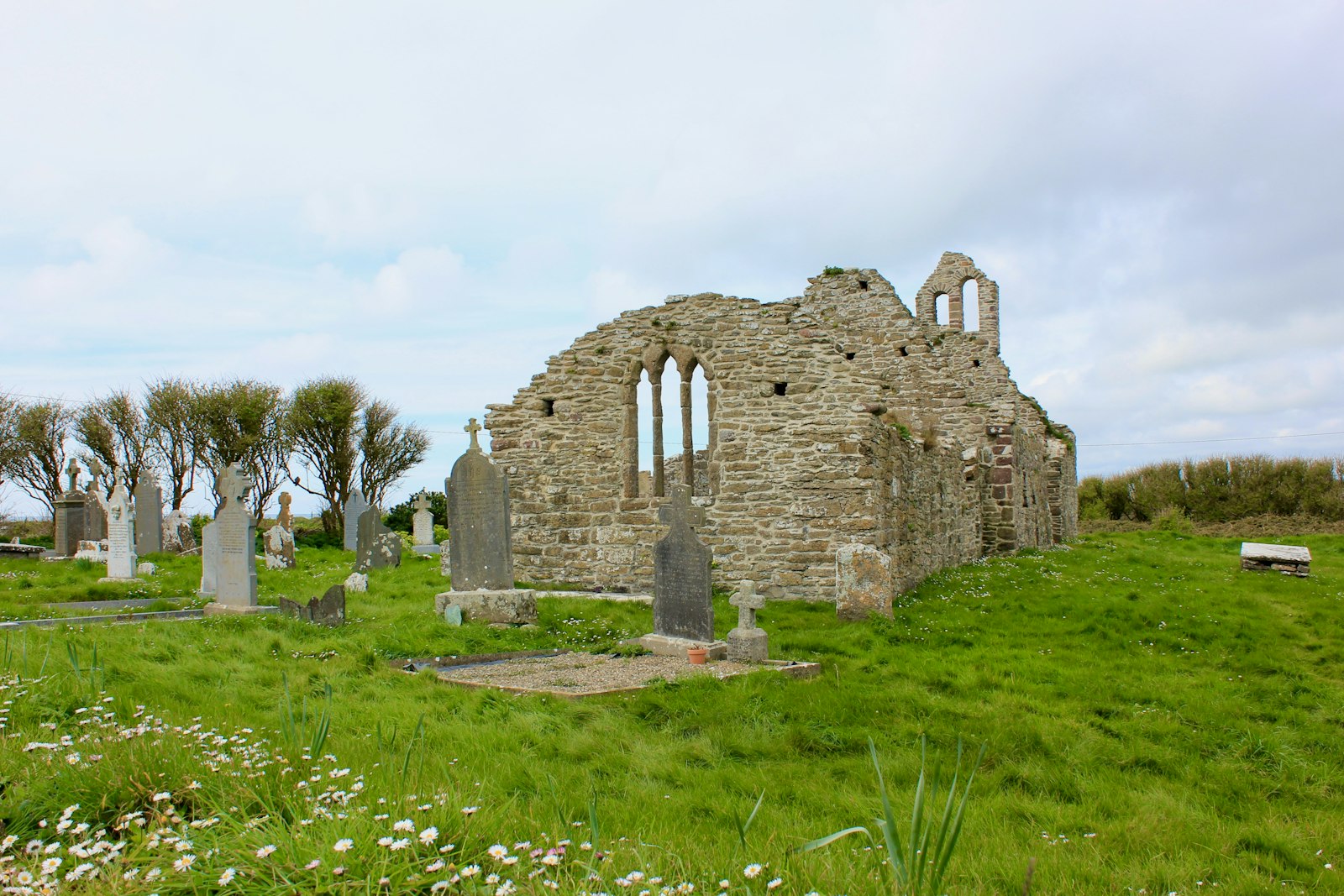
While Ireland‘s cities have become increasingly modern and cosmopolitan, rural Ireland maintains distinctive traditions and ways of living that have evolved over centuries. Understanding rural Ireland is essential to understanding Irish culture, because for much of Irish history, the vast majority of Irish people lived in the countryside. Even today, rural Ireland shapes Irish identity and values in profound ways.
Life Outside the Cities
Rural Ireland looks different from American countryside. There are no sprawling farms with massive barns and equipment visible from roads. Instead, Irish farms are typically smaller, bounded by stone walls or hedgerows, with whitewashed houses and modest farm buildings.
Villages are often small—sometimes just a post office, a pub, a church, and a few houses along a road. Life revolves around these community gathering places. In many villages, the pub is the social center, the place where people gather to get news, conduct business, and maintain community bonds.
The pace of life in rural Ireland is slower. There’s a particular rhythm to rural living that hasn’t been completely disrupted by modern life. People know each other. Social interactions happen face-to-face. Community is not optional; it’s the fundamental organizing principle of rural life.
Farming Culture
Farming in Ireland is typically small-scale, with properties ranging from a few acres to several hundred. The most common farm enterprises are cattle (both beef and dairy), sheep, and some grain cultivation. Many farms have been in families for generations.
Irish farming is weather-dependent and reliant on good grassland. The climate, while not always pleasant, is ideal for cattle grazing. A significant portion of Irish agricultural output involves meat and dairy products destined for export.
Farming in Ireland is increasingly mechanized, but many traditional practices persist. Knowledge about land management, animal husbandry, and seasonal timing is passed down through families. An Irish farmer is typically knowledgeable about weather patterns, animal health, and land management in ways that require real expertise.
Farming is not typically lucrative in Ireland. Many farmers struggle financially, and younger people often leave farming to pursue other careers. This creates an aging farming population and questions about the sustainability of rural communities.
The Bog: Turf Cutting and Peat Fires
One of the most distinctively Irish elements of rural life is the bog. Ireland is one of the few places in Europe where peatland remains significant. Bogs cover approximately 17 percent of Irish land.
Historically, the bog has been central to Irish rural life. Peat (also called turf) is harvested from bogs and used as fuel for heating and cooking. The turf is cut, dried, and burned in fireplaces. A turf fire produces distinctive warmth and a characteristic smell that many Irish people find deeply comforting.
Turf cutting is labor-intensive. It involves digging into the bog, cutting the peat into blocks, laying them out to dry (a process called “footing”), and later stacking them for transport. Traditionally, this was done by hand, though increasingly mechanization is used.
Many rural homes still have turf fires, and burning turf is deeply embedded in Irish rural culture. The smell of burning turf, the warmth of a turf fire, and the process of maintaining a fire all carry cultural significance for rural Irish people.
Bogs are also culturally significant as landscape. They’re beautiful in their way—wild, undulating, often foggy and mysterious. Bogs are places where ancient artifacts are sometimes found, preserved in the peat. They’re places of both practical utility and cultural meaning.
However, turf cutting is environmentally controversial. Bogs are important carbon sinks and habitats for unique plants and animals. Large-scale commercial turf extraction has destroyed extensive bog ecosystems. Environmental concerns have led to restrictions on turf cutting, causing tension between environmental sustainability and rural livelihoods.
The GAA in Rural Communities
The Gaelic Athletic Association (GAA) is particularly central to rural Irish life. While the GAA exists in cities, it’s in rural communities where it’s truly essential.
The local GAA club is often the primary social organization in rural areas. Young people join the club, play hurling or football, and develop skills and friendships. Adults attend matches religiously. County matches are major events that draw entire communities.
The GAA club functions as a community hub. It organizes events, raises money, facilitates social connection, and provides identity and purpose. Many rural Irish people’s social life is organized around the GAA.
The tradition of inter-parish and inter-county competition creates rivalries that are intense but ultimately binding—they’re about belonging to a community and being part of something larger than yourself.
The Local Shop and Post Office
In rural villages, the shop and post office are community institutions. These are places where people gather, conduct business, and share news. The owner of the shop or post office is often a central community figure who knows everyone and serves as a conduit for community information.
These institutions are increasingly threatened by rural depopulation and the rise of larger supermarkets in towns and cities. The closure of a rural post office or shop is a genuine loss for the community, representing not just the loss of a service but the loss of a gathering place and social institution.
Matchmaking and Courtship Traditions
In rural Ireland, particularly in the past, matchmaking was a formalized tradition. Families would arrange meetings between young people with the goal of marriage. Matchmakers—often publican’s or others with social connections—would facilitate these introductions.
While formal matchmaking has declined, the tradition persists in modified form. The Lisdoonvarna Matchmaking Festival in County Clare, held annually in September, continues this tradition, bringing together single people from across Ireland and internationally to meet potential partners.
The persistence of matchmaking traditions reflects the reality that in rural areas, meeting potential partners isn’t automatic. The community facilitates connections that might not happen otherwise.
The Mart: Where Livestock Is Traded
The mart (livestock market) is an important rural institution. On market days, farmers bring cattle, sheep, and other animals to be auctioned. The mart is both a practical place of business and a social gathering where farmers discuss weather, politics, and community news.
Auctions are conducted rapidly by auctioneers who chant prices in a distinctive style. Observing a livestock auction provides insight into rural economics and farming culture. The mart is where animals are graded, priced, and sold, and where farmers negotiate prices and make business decisions.
Country Pubs
The rural pub is different from a city pub. It’s typically smaller, more intimate, and more focused on conversation and local interaction. The publican often knows everyone and their family histories for generations back.
Country pubs serve functions beyond drinking—they’re meeting places, information centers, and community gathering spaces. A country pub might not have food, might not have extensive beverage selection, but it has character and connection.
Country pubs often have traditional music, and a session in a rural pub can be an extraordinary experience. Musicians from the community gather, play traditional Irish music, and the pub becomes a space of cultural transmission and community bonding.
The Beauty of Irish Rural Landscape
The Irish countryside is genuinely beautiful. Rolling green hills, stone-walled fields, wild coastlines, mountains, lakes, and rivers create a landscape that’s been painted, photographed, and written about extensively.
The landscape is intensely managed—the stone walls, the field boundaries, the roads and paths all represent centuries of human work—but it maintains a wild quality. It’s not manicured like English countryside, but neither is it untamed like some American landscapes.
The weather contributes to the landscape’s aesthetic. Soft light, mist, dramatic clouds, and regular rain create an atmospheric landscape that changes throughout the day. Photography and visual art are often inspired by Irish landscape.
For visitors, walking or driving through rural Ireland reveals a landscape that feels ancient and alive simultaneously. It’s a landscape that has been continuously inhabited and worked for millennia.
Agritourism and Rural Hospitality
Increasingly, rural Irish families are opening their homes and land to visitors. Agritourism ventures allow visitors to experience farm life, stay on farms, and participate in farm activities.
Bed and breakfast (B&B) accommodations in rural areas provide intimate experiences of rural Irish life. You stay in someone’s home, eat their breakfast, and often receive insights into local life and recommendations for visiting the area.
Farmstays, where visitors participate in actual farm work, are growing. These allow visitors to understand farming, meet farmers, and experience rural life directly.
These ventures have become economically important for rural families and help sustain rural communities by providing additional income streams.
Rural Challenges and Change
Rural Ireland faces significant challenges. Young people migrate to cities or leave Ireland entirely, seeking better economic opportunities. Rural services—shops, pubs, post offices—are closing. Agricultural incomes are often insufficient, causing hardship.
Population decline in rural areas is real and has significant consequences for community sustainability. Some villages have become essentially seasonal, with summer tourism being the primary economic activity.
Climate change creates additional pressures on farming. Environmental regulations restrict traditional practices. The future of rural Ireland is uncertain, and many rural communities are wrestling with these challenges.
Understanding Rural Ireland
For visitors, understanding rural Ireland requires recognizing that it’s not quaint or frozen in time. Rural Irish people are contemporary people dealing with modern challenges while maintaining traditions and connections to their communities and land.
Rural Ireland is where Irish identity has deepest roots. The values of community, connection to land, family bonds, and cultural continuity all have rural origins. Understanding rural Ireland helps you understand Irish culture and Irish people more deeply.
Whether you’re staying in a rural B&B, visiting a country pub, walking through the countryside, or attending a local event, engaging with rural Ireland provides authentic experience and genuine connection to Irish ways of living and being.




Leave a Reply