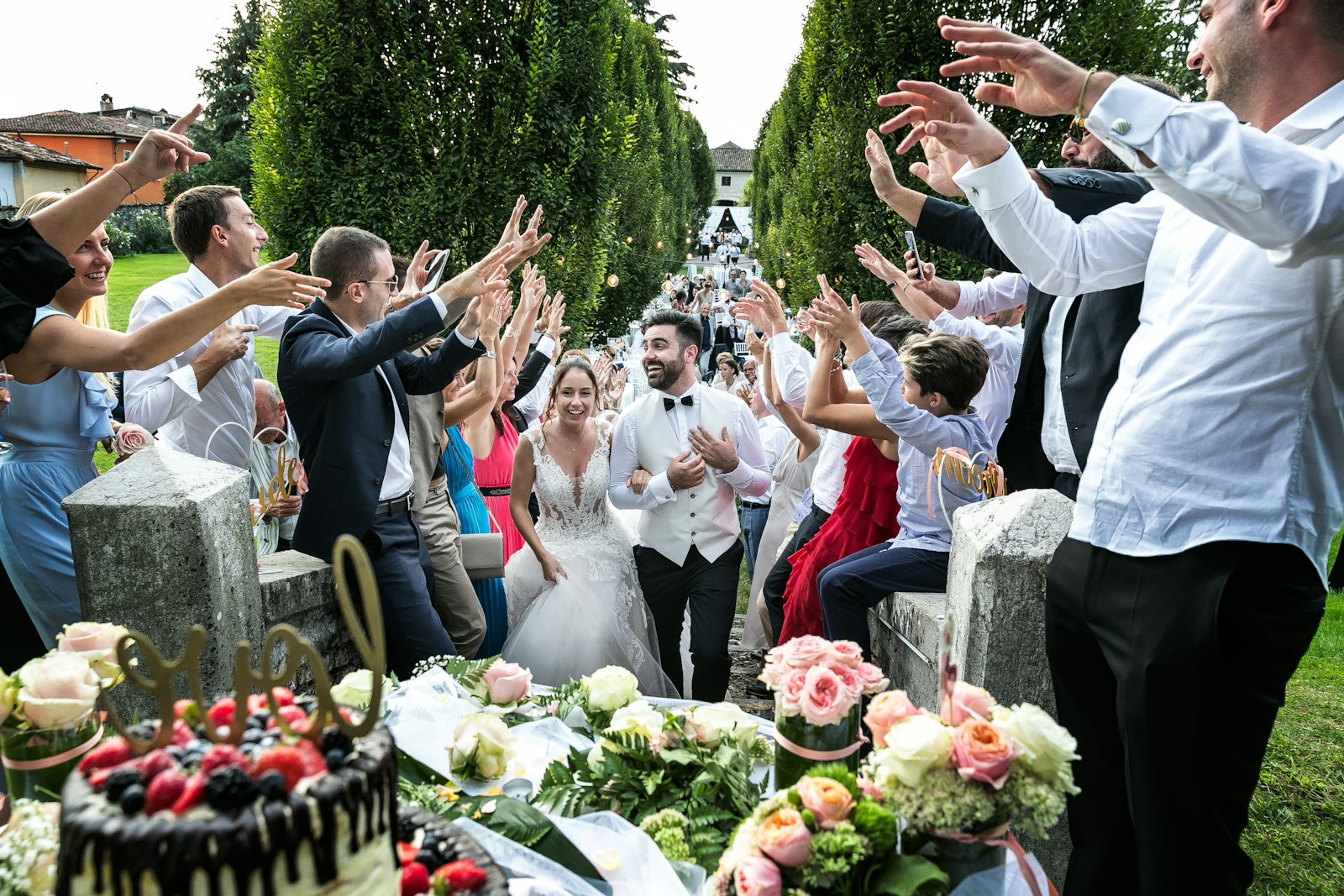
Irish weddings are legendary events. They’re celebrations of love, certainly, but also celebrations of family, community, and culture. If you’re invited to an Irish wedding, or if you’re planning to get married in Ireland, understanding Irish wedding traditions will help you appreciate and participate in this significant cultural event.
The Proposal and Engagement
In contemporary Ireland, proposals are increasingly like proposals anywhere—a romantic moment orchestrated by the partner proposing. However, Irish proposals still carry cultural weight, and the couple’s families expect to be informed quickly.
The engagement period varies, from a few months to several years. Once engaged, the couple’s status changes—they’re now “engaged,” and this carries social significance. Engagement parties, while not universal, are becoming more common.
Engagement rings are worn, typically on the left ring finger. In Irish tradition (shared with British tradition), the ring sometimes features a Claddagh design—a heart topped with a crown, held by two hands, with the saying “Let love and friendship reign.”
The Hen and Stag
Before the wedding, the bride’s friends organize a “hen party” (bachelorette party) and the groom’s friends organize a “stag party” (bachelor party). These have become increasingly elaborate and sometimes internationally ambitious.
A traditional hen or stag might involve going to a pub or nightclub, but contemporary versions often involve elaborate trips. Groups might go to another European city, rent cottages in the countryside, or organize adventure activities.
These events are rowdy, fun, and often involve costumes, challenges, and good-natured chaos. They’re meant to be the last hurrah of single life and a celebration with closest friends.
Unlike American bachelor parties, which sometimes feature extreme activities, Irish hens and stags tend toward socializing, drinking, and humor-based challenges. The focus is on having fun together rather than pushing limits.
The Wedding Ceremony
Most Irish weddings still take place in a church, though civil ceremonies are increasingly common. Catholic weddings follow traditional Catholic ceremony structure.
The Venue: Church weddings are held in the couple’s parish church (or the bride’s parish church traditionally). The church is decorated with flowers, and the ceremony is conducted by a priest.
The Dress Code: The bride wears a white wedding dress; this is nearly universal in Irish tradition. The groom wears a suit, often quite formal (morning dress is common for very formal weddings). The wedding party dresses formally.
The Timing: Weddings are typically scheduled for late morning or early afternoon, allowing for reception in the evening. A Saturday wedding is most common.
The Reception: After the ceremony, guests proceed to the reception venue (typically a hotel, country house, or dedicated wedding venue). There’s usually a “cocktail hour” while the wedding party takes photographs. During this time, guests drink and socialize.
The Hotel Wedding: Uniquely Irish
One distinctive Irish tradition is the “hotel wedding.” Most Irish weddings take place in hotels, with both the ceremony and reception in the same venue (or the reception in a hotel if the ceremony is in a church).
Hotels have become wedding factories of sorts, with dedicated wedding operations, experienced staff, and all amenities under one roof. Guests can attend the ceremony at a nearby church, then proceed to the hotel for the reception, and many guests stay overnight at the hotel.
This model makes logistical sense in Ireland, where guests may travel from throughout the country. It’s also economically important for Irish hotels.
The hotel wedding has become so standard in Ireland that a significant portion of the Irish hotel industry is oriented toward wedding business. Many hotels have dedicated wedding coordinators and can execute elaborate wedding receptions.
The Reception and Dinner
The reception begins with the wedding party being announced and making a grand entrance, often to music and applause. The couple typically has their first dance together.
Dinner is served, typically a multi-course meal. The quality and elaborateness of the meal is important—Irish people take their wedding food seriously. Multiple courses, wine service, and quality preparation are expected.
During the meal, speeches begin. The father of the bride traditionally speaks first, welcoming guests, talking about his daughter, and often telling stories or jokes about the couple. The best man speaks next, typically with humorous stories about the groom. The groom responds. Other family members or friends may also speak.
Irish wedding speeches are legendary for their length, elaboration, and entertainment value. A father of the bride speech might last 20 minutes or more, weaving together stories, jokes, and emotional moments. The best man’s speech is typically humorous and can be quite roasting in tone (good-natured teasing of the groom).
These speeches are often the highlight of the reception—guests expect to laugh and be moved by emotional moments. The speeches capture the relationships, the history, and the significance of the marriage.
The Band vs. DJ
Many Irish weddings feature a live band for the reception. This might be a traditional ceili band (playing Irish traditional music for dancing), a contemporary band (playing popular music), or a combination.
Contemporary DJ-based receptions are increasingly common, particularly with younger couples, but a significant portion of Irish weddings still feature live music.
The live band model allows for dancing throughout the evening, with the band directly responding to the crowd’s energy and requests. There’s something about live music that creates a particular atmosphere—the musicians are present, the music is real, and the connection between band and dancers is immediate.
The Evening Reception and Afters
After dinner and speeches, the dance floor opens. The couple typically leads with their first dance, then the wedding party joins, then all guests are invited to dance.
Dancing continues throughout the evening. The bar remains open. Food is often served later in the evening (chips, pizza, or other casual food). The party continues late into the night—Irish weddings often continue until 1 or 2 AM or later.
An Irish wedding tradition is the “afters”—an after-party that continues after the formal reception ends. This might happen at a local pub, a nightclub, or someone’s home. Guests continue partying, drinking, and socializing into the early morning hours.
The afters represent the continuation of celebration and are often where the most memorable moments happen—once the formal structures of the wedding are concluded, people relax and the party becomes purely social.
The Day-Two BBQ
A newer Irish wedding tradition is the “day-two BBQ,” where guests are invited to the couple’s home (or a rented property) the day after the wedding for a casual barbecue and continued celebration.
This allows guests to recover slightly and continue celebrating in a more casual setting. It also extends the wedding celebration, recognizing that the intensity of a multi-event wedding can’t be sustained continuously.
Wedding Favors and Gifts
Wedding favors are common but often simple—perhaps a candle, chocolates, or another small token. The focus is less on elaborate favors and more on the meal and entertainment.
Wedding gifts are expected, and the couple typically registers at department stores or gift registries, allowing guests to choose appropriate gifts. Monetary gifts (given as checks) are also common.
The gift-giving tradition is more restrained in Ireland than in the US, but gifts are expected and appreciated.
Claddagh Rings and Wedding Bands
The Claddagh ring has significance in Irish tradition. The ring features a heart (symbolizing love), a crown (symbolizing loyalty), and two hands (symbolizing friendship). The saying associated with the ring is “Let love and friendship reign.”
Claddagh rings are worn in various ways: on the right ring finger with the heart pointing outward (if you’re single and open to love), with the heart pointing inward (if you’re in a relationship), or on the left ring finger (if engaged or married).
Some couples incorporate Claddagh symbolism into their wedding bands or choose Claddagh-designed rings for their wedding.
Irish Wedding Costs
Irish weddings are expensive. The average cost of an Irish wedding in contemporary times is approximately €28,000-€35,000 (roughly $30,000-$38,000 USD), with costs varying based on guest count, venue, and elaborateness.
Wedding planners are increasingly common, helping couples navigate the complexity of planning a major event.
The costs cover venue rental, catering, bar service, photography, videography, flowers, music/DJ, and numerous other expenses. Weddings with 150-200 guests are common, making the per-person cost substantial.
For families, the wedding is often a significant financial investment, and parents may contribute substantially to costs.
The Significance of Irish Weddings
Irish weddings are more than romantic celebrations—they’re significant community and family events. They’re moments where extended families gather, where community bonds are reinforced, and where cultural traditions are performed and transmitted.
The elaborate reception, the speeches, the dancing, the afters—all represent a particular Irish approach to celebration. Celebrations are communal, inclusive, and meant to continue as long as possible.
For visitors invited to an Irish wedding, you’re being invited into something meaningful. The couple wants you to celebrate with them, and the broader community is marking the occasion. Participate fully, enjoy the experience, and you’ll understand something fundamental about Irish culture and values.
Irish weddings are legendary for a reason—they represent the best of Irish hospitality, humor, generosity, and commitment to celebration and community.




Leave a Reply