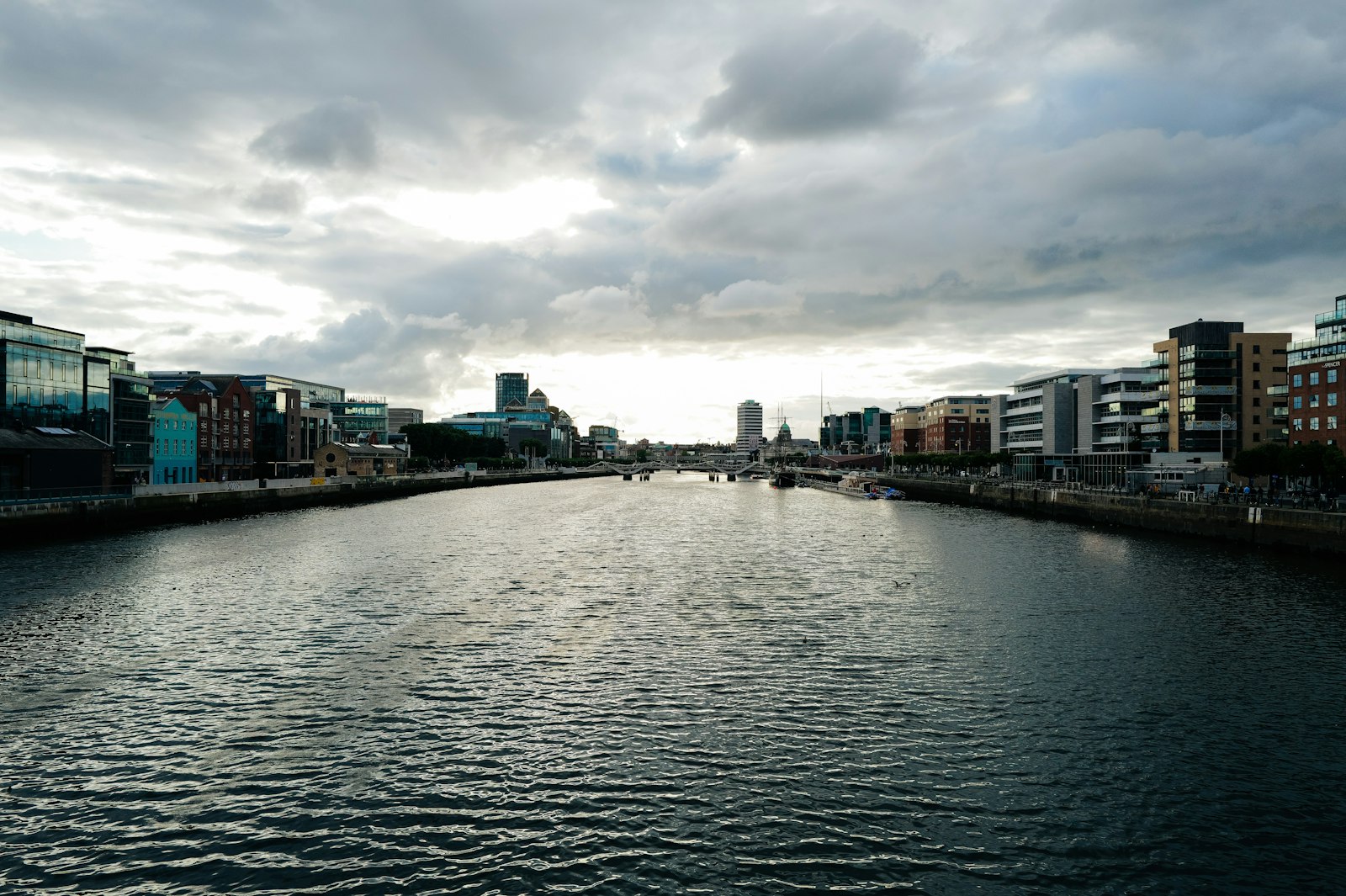
Dublin has been the setting for countless films and television shows, from gritty crime dramas to whimsical musicals. The city’s Georgian architecture, literary heritage, river, neighborhoods, and distinctive character have made it a location of choice for filmmakers. This guide explores some of Dublin’s most memorable on-screen appearances and guides you to locations where these stories came to life.
Once: The Dublin Musical
Glen Hansard and Markéta Irglová’s Once (2006) is a beautiful film about two musicians in Dublin who fall in love while creating music together. Shot on an incredibly small budget, the film captures Dublin authentically—working-class neighborhoods, real streets, actual pubs. The cinematography is gorgeous, and the film has a dreamlike, romantic quality appropriate to both Dublin and its central love story.
The film extensively features Dublin’s south side neighborhoods, particularly around Stoneybatter and Temple Bar areas. Various Dublin streets provide the backdrop for the characters’ wanderings and musical development. The film uses Dublin not as a picturesque backdrop but as an actual living city where characters move through real spaces.
Key locations include local pubs, street corners where busking happens, and various Dublin neighborhoods. Walking through south Dublin, particularly the Stoneybatter/Temple Bar area and along the Liffey, you’ll recognize locations from the film. The musical numbers often happen in unexpected places—a building stairwell, a street corner—emphasizing how the city becomes transformed by love and music.
The film’s success led to a stage musical version, which toured globally. For film fans, visiting the actual Dublin locations enriches understanding of the movie’s authenticity and charm.
The Commitments: Dublin’s Soul
Alan Parker’s The Commitments (1991) follows a group of working-class Dubliners who form a soul band. The film captures 1980s Dublin with grit and humor, featuring authentic Dublin characters and locations. The film’s success brought Roddy Doyle’s literary Dublin to cinematic life.
The movie features various Dublin neighborhoods, particularly working-class south Dublin. The film’s energy and the characters’ determination reflect Dublin’s character. While the film is quite dated now (1980s fashion and sensibilities throughout), it remains a significant Dublin film that influenced how the city saw itself culturally.
Key locations include various Dublin streets, pubs, and neighborhoods where the band develops and performs. The film uses Dublin locations authentically without overly romanticizing them.
Sing Street: Dublin in the 1980s
John Carney’s Sing Street (2016) is another Irish musical film with Dublin settings. The film follows a teenage boy in 1980s Dublin who forms a band with friends. Like Once, it’s a intimate film about music and relationships, set in Dublin.
The film captures 1980s Dublin perfectly—the era’s fashion, music, school life, and the city’s character. The film is warm and affectionate toward its setting, capturing the era without mockery. Various Dublin locations provide the backdrop, from schools to streets to family homes.
The film has beautiful cinematography and a genuinely warm tone. Like Once, it uses Dublin as an integral character in the story, not merely a backdrop. Visiting Dublin locations featured in the film, you recognize the city’s character and geography.
In the Name of the Father: Conflict and Justice
Jim Sheridan’s In the Name of the Father (1993) stars Daniel Day-Lewis in this true story about Gerry Conlon, who was wrongfully convicted of an IRA bombing. While the film deals with heavy political content and includes English locations, it’s rooted in Irish story and character.
The film deals with Irish nationalist politics, the conflict era, and questions of justice and identity. For those interested in Irish history and cinema, it’s an important film. The Dublin scenes are limited, but the film represents an important moment in Irish cinema addressing contemporary political history through personal story.
Love/Hate: Dublin’s Crime Drama
Love/Hate was an Irish television series that ran from 2010 to 2014 and achieved significant international success. The gritty crime drama followed a Dublin gang and their involvement in organized crime. The series featured Dublin locations prominently—both wealthy and working-class neighborhoods, the underworld of crime, and the city’s expanding drug trade.
The series was widely praised for its writing, acting, and unflinching portrayal of crime and its impacts. Rather than glorifying crime, the show depicted its brutality and the damage it causes to individuals and communities.
For visitors interested in contemporary Dublin and urban crime drama, Love/Hate represents an important cultural product. However, the series presents Dublin’s darker side—gang violence, drugs, murder—in a way quite different from the romantic Dublin of Once or Sing Street.
Dublin Murders: Psychological Crime
Dublin Murders (2019) is an adaptation of Tana French’s mystery novels. The series follows two detectives investigating murders in Dublin. The show was filmed in Dublin and uses the city as setting for psychological mystery and crime investigation.
Tana French’s novels are set in Dublin and use the city as part of their atmospheric mystery. The television adaptation captures this atmosphere, with Dublin’s architecture and geography providing backdrop for the investigation. Like Love/Hate, it presents a contemporary Dublin dealing with crime and violence, but through a mystery/detective lens rather than organized crime perspective.
Fair City: The Long-Running Soap
Fair City is an Irish soap opera that has aired since 1989 and remains popular. The show is set in fictional Dublin neighborhoods but uses actual Dublin locations and captures contemporary Irish life. For those interested in how Irish television represents Irish life continuously, Fair City is significant.
The show depicts everyday Dublin life—families, relationships, work, community. It’s melodramatic like all soaps, but it grounds itself in authentic Dublin settings and contemporary Irish issues. The show has addressed everything from relationship drama to serious social issues over its long run.
Visiting Dublin, you might recognize Fair City locations, particularly around the neighborhood sets that anchor the show.
Other Notable Dublin Films and Shows
Intermission (2003) follows multiple interconnected stories in Dublin, featuring strong ensemble cast and exploring Dublin through various perspectives.
Veronica Guerin (2000) tells the true story of an Irish journalist investigating crime in Dublin, dealing with real events and real locations.
The Snapper (1993) and The Van (1996) adapt Roddy Doyle novels and feature Dublin working-class life with humor and authenticity.
Red Rock was an Irish crime drama featuring Dublin locations and dealing with police procedural narrative.
Penny Dreadful: City of Angels (though primarily American) has connections to Irish supernatural storytelling traditions.
Dublin’s On-Screen Character
What unites these various films and shows is the way they use Dublin authentically. Rather than treating the city as a generic backdrop, good Dublin films integrate the city’s specific character—its architecture, its neighborhoods, its people, its cultural references.
Dublin on screen represents different eras and perspectives. The 1980s Dublin of Sing Street and The Commitments shows a working-class city with vibrant cultural life. The contemporary Dublin of Love/Hate and Dublin Murders shows a modern city dealing with crime and its impacts. The romantic Dublin of Once and Sing Street presents the city as a place where love and music flourish.
These perspectives aren’t contradictory—they’re all true. Dublin is simultaneously romantic and gritty, musical and violent, traditional and contemporary.
Visiting Dublin Film Locations
Dublin is compact and walkable. You can visit many film locations by simply walking through the city. Key areas include:
Temple Bar District: touristy but historically significant, featured in many films.
Stoneybatter/North King Street: working-class neighborhood featured in Once and other films, increasingly hip with restaurants and galleries.
Southside Neighborhoods: Rathmines, Ranelagh, and surrounding areas featured in many Dublin films. These are residential neighborhoods worth walking through for their architecture and character.
The Liffey: Dublin’s river provides scenic backdrop and divides the city geographically. The quays offer walking paths with views.
Georgian Neighborhoods: Merrion Square, Fitzwilliam Square, and other Georgian areas feature in many films. The architecture is stunning and historically significant.
Outer Neighborhoods: Less touristy areas like Ballymun, Tallaght, and other working-class neighborhoods provide context for films like Love/Hate that deal with gang crime and contemporary urban issues.
Practical Dublin Information
Dublin is easily reached by international flights, trains, and buses. The city center is compact and walking-friendly. Hotels and hostels throughout the city at various price points.
The best time to visit is May through September for weather, though Dublin is pleasant year-round if you don’t mind rain.
Many Dublin tours focus on literary heritage (Joyce, Beckett, Wilde) which provides complementary perspective to film locations. Combining film location exploration with literary tourism gives comprehensive understanding of Dublin’s cultural significance.
Dublin’s Cinematic Future
Dublin continues being filmed and represented on screen. The city’s architectural heritage, contemporary character, and cultural energy make it attractive to filmmakers. As the city changes and develops, its on-screen representations continue evolving.
Conclusion: Dublin Through Film
Dublin’s appearance in numerous films and shows reflects the city’s significance in Irish culture and its appeal to international filmmakers. The city’s architecture, neighborhoods, and character provide rich material for storytelling.
Whether you’re interested in romantic musical films like Once, gritty crime dramas like Love/Hate, or intimate character studies like Sing Street, Dublin provides authentic locations. The city isn’t just a backdrop in these stories—it’s an integral character shaping the narrative.
Plan a Dublin visit, watch some of these films beforehand, and explore the locations. You’ll discover both the cinematic Dublin of film and television and the real working city beyond the camera. You’ll understand why Dublin continues being chosen as a setting for important storytelling.




Leave a Reply