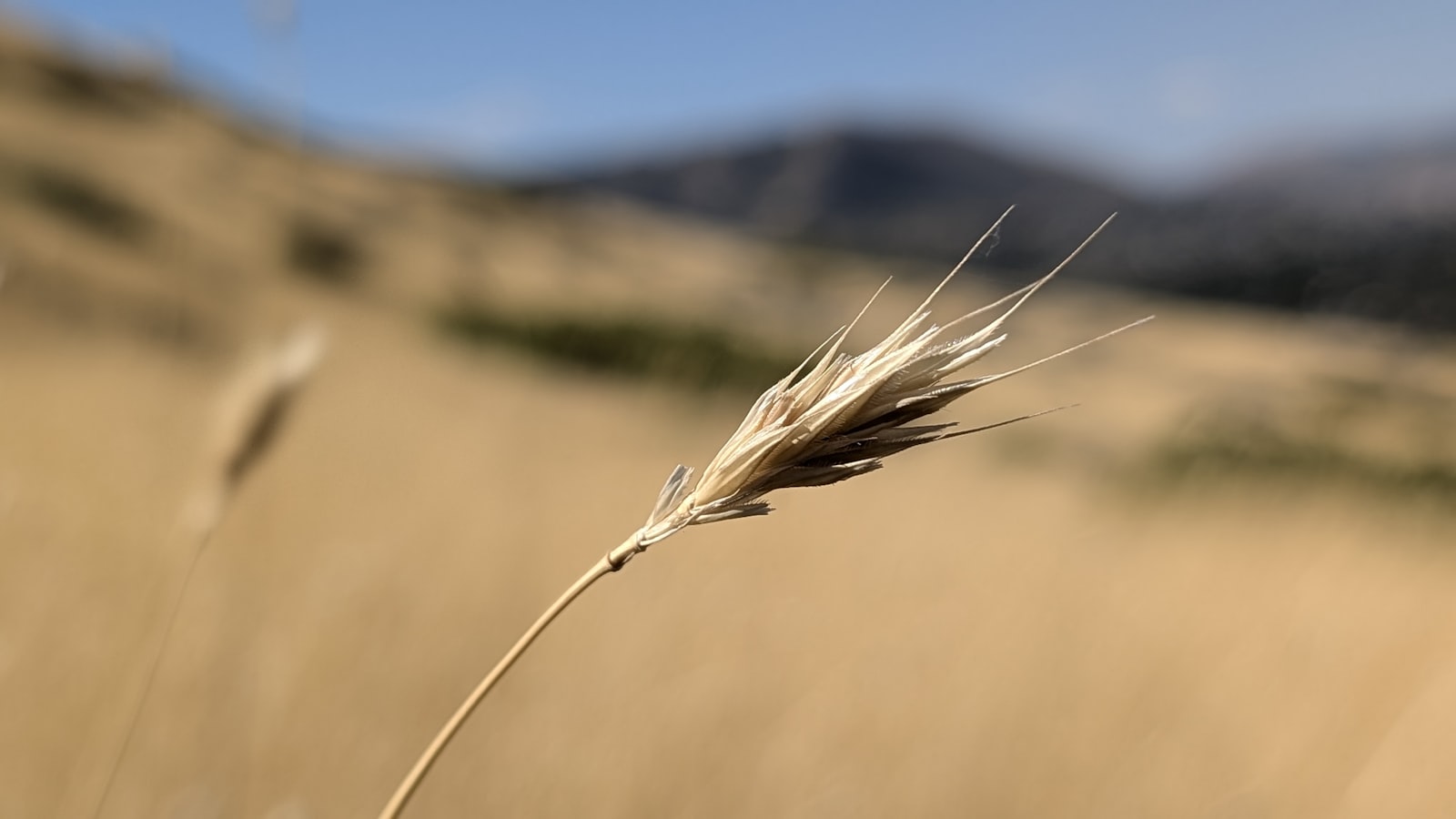
Ken Loach’s The Wind That Shakes the Barley (2006) won the Palme d’Or at Cannes, achieving both critical and commercial success with its portrayal of Irish independence struggle during the 1920s. The film examines Ireland‘s War of Independence and subsequent Civil War through the relationship between two brothers—one committed to Irish independence, one seeking peace. This film is part of a broader tradition of Irish war cinema that examines Ireland’s complex political and military history through personal stories.
The Wind That Shakes the Barley: Overview
Ken Loach is a British filmmaker known for socially conscious cinema examining working-class experience and political injustice. His approach to Irish history brings documentary-like realism to The Wind That Shakes the Barley. The film doesn’t romanticize warfare or independence—it shows the violence, moral complexity, and human cost of historical conflict.
The film stars Cillian Murphy and Pádraic Delaney as the brothers Damien and Jimmy O’Donovan, who find themselves on opposite sides of historical conflict. Their relationship provides the emotional core for broader historical tragedy.
The film is based on real historical events—the Irish War of Independence (1919-1921) and the subsequent Civil War (1922-1923). These conflicts emerged from Ireland’s long struggle for independence from British rule. The Civil War was particularly tragic, as Irishmen fought Irishmen over political philosophy regarding the independence settlement.
Cork Filming Locations
The Wind That Shakes the Barley was filmed primarily in County Cork, a region that was significant during the independence struggle. Cork provided authentic landscape and community for the story.
Cork is Ireland’s southernmost major city and county, with a population of around 210,000 in the city proper. The county extends south and west, offering varied landscape from urban center to rural countryside. Cork has significant historical importance in Irish independence movements.
The film uses Cork locations to establish the rural Irish village context where the story unfolds. The landscape—agricultural land, small villages, rural community structures—provides the physical world that both characters and viewers inhabit.
Key filming took place in various small villages and countryside around Cork. While specific locations aren’t marked as tourist attractions, visitors can explore Cork’s rural landscape and imagine the film’s scenes.
Michael Collins: Biographical War Cinema
Neil Jordan’s Michael Collins (1996) presents another major Irish war film, featuring Liam Neeson in the title role. The film dramatizes the life of Michael Collins, one of Ireland’s independence movement leaders, who negotiated the treaty establishing the Irish Free State and subsequently led forces in the Civil War before his assassination.
Michael Collins was filmed in various Irish locations, with Dublin featuring prominently as the city where much of Collins’s political activity occurred. The film presents Collins as complex historical figure—brilliant strategist and organizer, but also ruthless and ultimately tragic.
The film examines Collins’s leadership during independence struggle, his role in negotiating with British authorities, and the Civil War that followed the independence settlement. Like The Wind That Shakes the Barley, it refuses simple heroic narrative, instead showing political and military complexity.
For those interested in Irish history and cinema, Michael Collins provides important biographical perspective on the independence era. The film was commercially successful and helped bring Irish historical cinema to broader audiences.
The Guard: Conflict and Contemporary Ireland
John Michael McDonagh’s The Guard (2011) is a different kind of Irish conflict film. Rather than dealing with historical independence struggle, it examines contemporary conflict through dark comedy. The film pairs an Irish rural policeman with an American FBI agent investigating drug trafficking.
The film was shot in County Galway and deals with contemporary Irish reality—globalization, American cultural influence, economic change, organized crime. While not a war film in the traditional sense, it deals with conflict and explores Irish identity in contemporary context.
The film shows rural Ireland being transformed by global capitalism and criminal activity. It’s funny and darkly satirical, examining Irish character through the outsider perspective of the American FBI agent who doesn’t understand Irish culture and logic.
Bloody Sunday: The Massacre and Its Impacts
Paul Greengrass’s Bloody Sunday (2002) examines the events of January 30, 1972, when British soldiers killed thirteen civilians and wounded seventeen others in Derry during a civil rights march. The film uses real locations in Derry and reconstructs the day’s events with documentary-like precision.
Bloody Sunday is a difficult film, depicting real historical tragedy and violence. The film doesn’t attempt to provide comfortable narrative—it shows the confusion, chaos, and tragedy of the event. Witnesses to the actual event have praised the film’s accuracy in capturing what happened.
The film is important historically and cinematically. It examines one of the conflict era’s most significant events—an event that radicalized Irish nationalist sentiment and contributed to escalating violence.
For those interested in Irish history and conflict, Bloody Sunday is essential viewing. The film treats real tragedy respectfully while providing clear-eyed examination of what occurred.
’71: British Soldier in Belfast
’71 (2014) tells a different conflict story—a British soldier accidentally separated from his unit during a patrol in Belfast in 1971. The film examines conflict from the perspective of a British soldier caught in unfamiliar territory, facing hostile environment.
The film was shot in Belfast and examines the street-level reality of urban conflict. Rather than providing clear political perspective, the film focuses on the soldier’s experience—confusion, fear, attempts to survive and escape. The film complicates simple narratives about the conflict by showing individual human experience across political divides.
’71 is thriller in genre, but with serious engagement with historical context. It’s a valuable film for understanding how conflict plays out on individual level rather than simply as political or military abstraction.
Shadow Dancer: Informants and Moral Complexity
Shadow Dancer (2012) tells the story of Colette McVeigh, a woman coerced into becoming an informant for British intelligence services during the conflict. The film examines the moral complexity and psychological cost of informing—being forced to betray community and family while serving occupation forces.
The film was shot partly in Dublin and examines character relationships and psychological damage that accompanies informing during conflict. It deals with themes of loyalty, survival, and moral compromise.
Shadow Dancer is based on the real story of Eamon Collins, a former IRA member who became an informant and subsequently wrote about his experiences. The film examines how people’s lives are shaped and damaged by historical circumstances.
Understanding Irish Conflict Cinema
What unites these various films is attempt to examine Irish conflict and independence history through human stories rather than abstractions. The films show conflict’s impact on individuals and communities while exploring political and historical complexity.
Irish conflict cinema has become increasingly sophisticated and nuanced. Rather than providing simple nationalistic narrative, contemporary films examine all sides’ humanity and show political conflict’s human cost. This represents important cultural development—willingness to examine history with complexity rather than certainty.
The films are sometimes difficult to watch because they don’t provide comfortable resolutions. They show violence, moral complexity, and tragedy. But this difficulty is valuable—it prevents historical sanitization and encourages serious engagement with what actually occurred.
Historical Context for Understanding These Films
Understanding these films requires basic Irish historical knowledge:
The Irish War of Independence (1919-1921) emerged from failed Easter Rising (1916) and increasing nationalist sentiment. Irish forces fought British military and police forces in attempt to achieve independence.
The Irish Civil War (1922-1923) followed the independence settlement (Treaty of 1921). Disagreement about the treaty’s terms—particularly regarding partition of the island and dominion status versus full republic status—led to civil war between pro-treaty forces and anti-treaty forces.
The Conflict (1968-1998) referred to as “The Troubles,” was modern conflict in Northern Ireland primarily between nationalist (Irish) and unionist (British) communities. While often portrayed as religious conflict between Catholics and Protestants, it was fundamentally political—dispute over whether Northern Ireland should remain in United Kingdom or reunify with Ireland.
Understanding this context helps appreciate what these films are depicting and why these historical events matter.
Visiting Conflict Locations
For those interested in Irish conflict history and cinema:
Cork: The Wind That Shakes the Barley was filmed here. The county offers rural landscape and historical significance related to independence struggle.
Dublin: Michael Collins locations. The city itself holds history related to independence movement. Kilmainham Gaol, where independence leaders were held and executed, is now a museum.
Derry: Bloody Sunday locations. The city offers compelling history related to conflict era. The walls, the murals, the Free Derry Corner all tell the city’s history.
Belfast: Northern Ireland’s capital. The city offers various conflict-related historical sites, murals, and memorials. The conflict’s urban character is visible in Belfast’s neighborhoods and communities.
West Cork and South Cork: Areas significant in independence struggle. Various historical sites and memorials document the period.
Visiting these locations with knowledge of the films and history provides rich educational and emotional experience.
The Importance of These Narratives
These films matter because they ensure conflict history isn’t forgotten or oversimplified. They center human experience within historical events and encourage audiences to understand complexity.
Many young Irish people have no direct memory of the conflict. These films and historical education ensure understanding of what previous generations experienced. For international audiences, these films provide window into Irish history that shaped contemporary Irish identity.
The films also challenge romantic or glorified versions of conflict. They show violence’s reality and conflict’s costs—not as condemnation of participants, but as realistic engagement with what people endured.
Practical Planning for Conflict Cinema Pilgrimage
A comprehensive conflict cinema pilgrimage would involve:
- Watching the films in chronological order: The Wind That Shakes the Barley, Michael Collins, then contemporary conflict films (’71, Shadow Dancer, Bloody Sunday, The Guard)
This kind of engaged tourism combines entertainment with education and deeper understanding of Irish history.
Conclusion: War Films and Irish History
The Wind That Shakes the Barley and other Irish war films represent important cultural achievement—serious engagement with historical complexity through cinema. The films don’t provide comfortable narratives or simple answers. Instead, they demand audiences confront historical reality in all its complexity.
Whether you’re Irish seeking deeper understanding of your history, Irish-American exploring ancestral context, or simply interested in quality cinema that engages with significant historical events, these films reward serious attention.
Watch the films, visit the locations, engage with the history. You’ll develop deeper understanding of Ireland, of how historical events shape contemporary identity, and of cinema’s power to illuminate human experience within historical circumstances. The barley waves in Irish fields as it has for centuries. The wind shakes it still. The films ensure we remember what happened when that barley grew during Ireland’s most turbulent modern period.




Leave a Reply