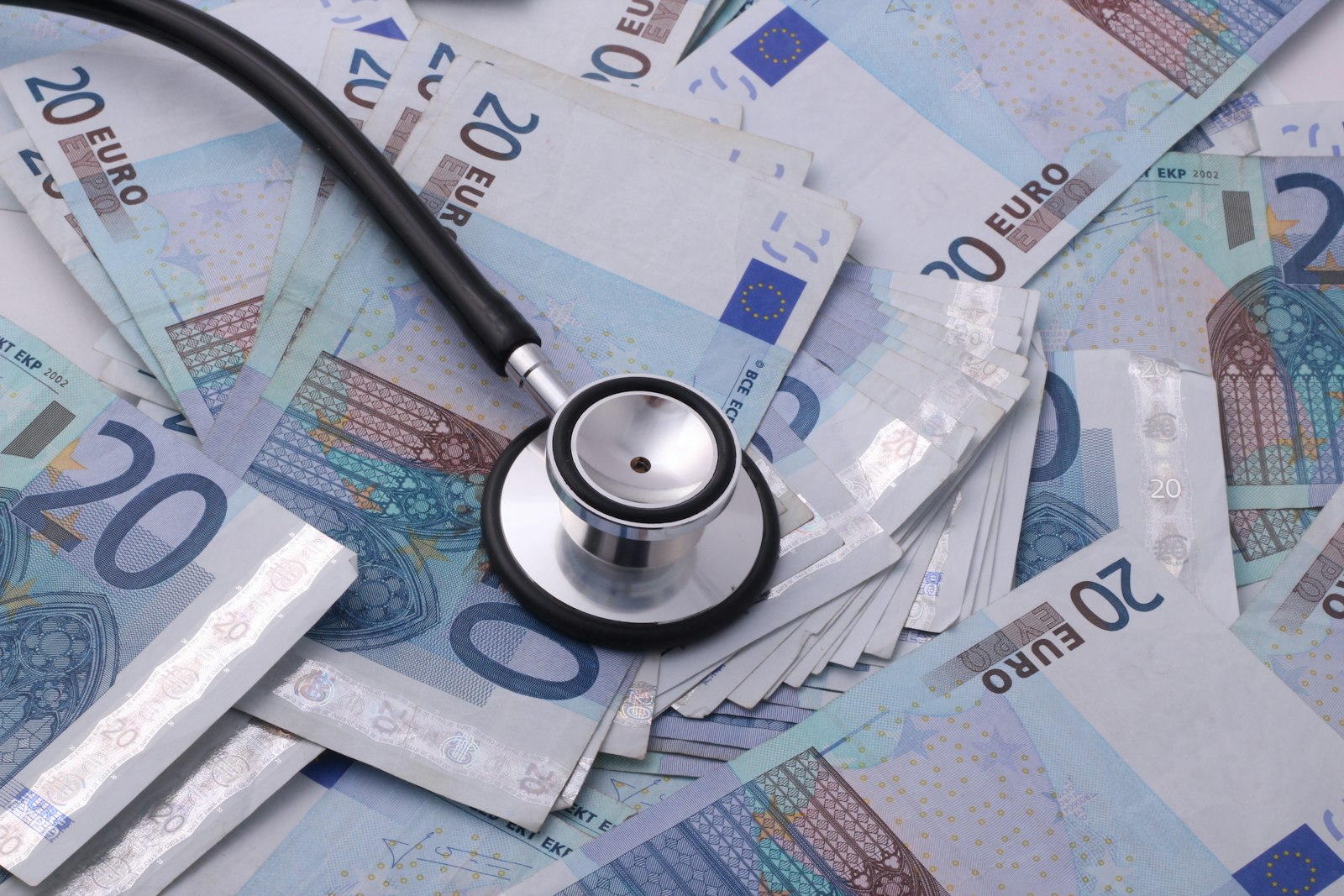
Understanding Ireland’s Two-Tier Healthcare System
Ireland operates a hybrid healthcare system fundamentally different from both the American fully-private model and the completely public systems of many European countries. The system divides into two tiers: the public Health Service Executive (HSE) and private healthcare. Most Americans end up using private insurance for faster access, though understanding both systems is essential.
The public system is theoretically universal and free-at-point-of-service for Irish residents who qualify. However, the system is chronically underfunded, staffed, and overstretched. Waiting times for procedures can stretch to years. The private system operates in parallel, with more resources, shorter wait times, and faster access to specialists—but requires insurance or out-of-pocket payment.
The Public Healthcare System (HSE)
What HSE Provides
The Health Service Executive is Ireland’s public healthcare authority, providing:
- General practice services (through contracted GPs, not direct HSE employment)
- Hospital care (emergency, inpatient, outpatient)
- Prescription medications (capped at €10.80 per item)
- Mental health services
- Maternity and childcare services
- Community healthcare
Eligibility
As a foreign resident with appropriate visa status, you can register with HSE. You must:
Processing typically takes 2-3 weeks. Once registered, you receive a medical card or GP visit card, depending on your income.
Medical Cards vs. GP Visit Cards
Medical Card: Provides free GP visits, prescription medications at €10.80 per item, free hospital care, and dental/optical services. Issued to those below specific income thresholds (€184 weekly for single adults, adjusted for dependents). Processing takes 4-8 weeks.
GP Visit Card: Provides €50 annual credit for GP visits. Each GP visit costs €60, and you pay the first €50 from your card annually, then pay full €60 from your pocket. Most employed Americans don’t qualify for medical cards and instead use GP visit cards or pay out-of-pocket.
The Reality of Public Healthcare
For Americans accustomed to private healthcare or insurance-based systems, the public healthcare experience is jarring. Emergency services work well—you’ll be seen quickly in A&E (emergency) departments. However:
Many Americans experience public healthcare as a backup system rather than primary care. Those with employer-provided private insurance use the public system rarely.
GP Registration and Access
Finding a GP
The HSE website lists GPs by area. Many practices are closed to new patients. Finding a GP willing to register you may take 2-4 weeks of calling around. Once registered, you’ll need to visit in person to complete registration paperwork, which takes an additional appointment.
GP Visit Process
For non-urgent issues, you call your GP surgery and request an appointment. Common response: “We’re fully booked, call back next week.” You may need to call repeatedly. Appointments are typically 10-15 minutes. Irish GPs are gatekeepers to specialist care—you cannot self-refer to specialists; your GP must refer you.
GP Visit Costs
If you don’t have a medical card:
Out-of-hours GPs (after 6 PM, weekends, holidays) operate through separate facilities. You must pay full cost immediately.
Emergency Department (A&E) Access
When to Go to A&E
The A&E Experience
Dublin’s major hospitals (St. James, Mater, Beaumont) have chronically overcrowded A&E departments. Wait times can stretch to 4-6 hours before seeing a doctor, even for serious conditions. The waiting areas are often chaotic. You’ll be triaged quickly (severity assessment) but may wait hours for actual care.
This isn’t because Irish emergency care is bad—the medicine is often excellent. Rather, the system is deliberately restrictive in terms of staffing and beds to manage costs. A&E cannot refuse to treat you; however, you’re not charged if you don’t admit through insurance.
A&E Costs
Emergency department visits are free for Irish residents under the public system. However, if you’re not registered, you may face challenges. Americans with private insurance are directed to private facilities when possible.
Hospital Admission and Treatment
Public Hospital Admission
If admitted to a public hospital, you’ll be treated for free if registered with the system. However:
Private Hospital Alternative
Private hospitals operate alongside the public system:
Private hospitals offer:
Private hospital admissions cost €500-5,000+ per day depending on room type and procedure. This is where private insurance becomes financially significant.
Prescription Medications
Public System Prescription Costs
Prescriptions through the HSE cost a maximum of €10.80 per item, regardless of medication cost. If a medication costs €5, you pay €5. If it costs €200, you pay €10.80. This system is genuinely progressive and benefits those with chronic conditions requiring multiple medications.
Private Prescriptions
If you use private healthcare, you can get prescriptions filled at any pharmacy. Medications cost whatever the pharmacy charges—typically €10-40 for common medications, more for brand-name or specialized drugs.
Pharmacies
Pharmacists are accessible without GP visits. You can consult a pharmacist for minor issues (cold, cough, mild pain, allergies) and obtain over-the-counter medications at reasonable cost (€3-8 for most items).
Mental Health Services
Public Mental Health
The HSE provides mental health services, including counseling and psychiatric care. However, waiting times are substantial—months for initial assessment, longer for ongoing treatment. The capacity is severely constrained.
Private Mental Health
Most Americans seeking therapy use private psychologists or counselors. Costs:
Employer insurance often covers 6-12 sessions annually, after which you pay out-of-pocket or seek funding through the public system.
Crisis Services
If experiencing a mental health crisis, you can:
Dental Care
Private Dental Care (Standard)
Most Americans use private dentists. Costs:
Dental work is expensive and private insurance for dental is uncommon and expensive. Most Americans budget €200-400 annually for dental care or maintain excellent oral hygiene to minimize procedures.
NHS Dentistry (Rare)
The public system provides some dental care for those with medical cards, but most dentists don’t accept HSE funding and operate private-only. Finding an HSE dentist is difficult.
Optical Care
Private Optometry
Optical care is out-of-pocket for most Americans. Some employer insurance includes vision benefits, but Irish plans typically offer €100-200 annually for glasses/contacts.
Private Health Insurance for Americans
Why Americans Obtain It
Most employed Americans secure private health insurance through their employers or purchase it individually. The cost is reasonable (€150-300 monthly for good coverage), and the benefits far outweigh the cost:
Major Insurance Companies
VHI (Voluntary Health Insurance): Largest provider, good coverage, competitive pricing
Laya Healthcare: Popular with young professionals, comprehensive plans, reasonable cost
Irish Life Health: Mid-tier provider, reasonable coverage and cost
Allianz: Smaller player, niche products
Typical Coverage
A standard private plan (€200/month) typically includes:
Employer Subsidies
Most employers offering private insurance cover 50-100% of premiums, reducing individual cost to €0-100 monthly. Americans with employer coverage should absolutely take advantage of this benefit.
Maternity and Childcare
Public Maternity Care
Antenatal and maternity care through the public system is free. However, you’ll be in a shared ward postpartum and may not have choice of hospital or consultant. Waiting times for specialists can be long.
Private Maternity
Many Americans choose private obstetric care:
Comparing Irish Healthcare to American Systems
Public vs. American Medicaid
Irish public healthcare is free-at-point-of-service but with longer waits and less choice. American Medicaid is more restrictive in terms of covered services but faster access in urban areas.
Private Irish vs. American Insurance
Irish private insurance is significantly cheaper than comparable American insurance and covers more comprehensively. However, provider networks are smaller and specialist access requires different referral patterns.
Practical Steps for Healthcare Setup
- Upon arrival: Register with a GP within first month
- After registration: Apply for medical card or GP visit card
- If employed: Get employer to provide private insurance information and enroll
- Establish pharmacy: Find a local pharmacy and register your prescriptions
- Identify specialists: Know where hospitals are located and your private provider’s affiliated facilities
The Reality for Americans
Americans often find Irish healthcare surprisingly good for acute care but frustratingly slow for routine and non-urgent care. The public system works well for emergencies, pregnancy, and chronic medication management (thanks to affordable prescriptions). Private insurance addresses the gaps, providing fast specialist access and comfortable hospital experiences.
Overall cost for Americans with employer-provided insurance is often lower than in the US, even accounting for taxes funding the public system. Those without employer insurance paying entirely out-of-pocket will spend €100-300 monthly for reasonable healthcare access.
The key adjustment is accepting that routine healthcare won’t be as immediately accessible as in the US, but that private insurance provides an excellent safety valve for those who can afford it.




Leave a Reply