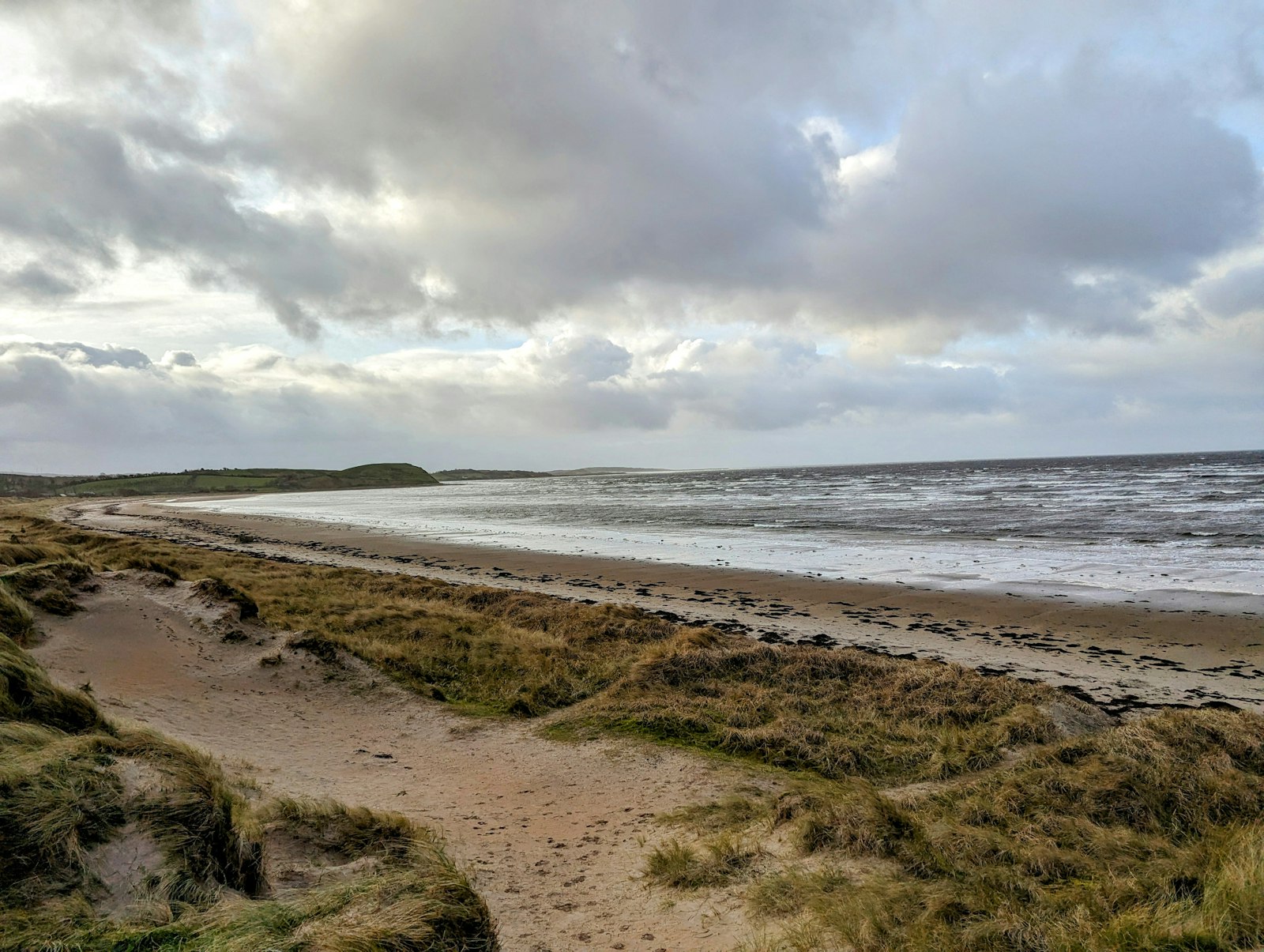
Introduction: Ireland’s Most Iconic Coastal Route
The Wild Atlantic Way is one of the world’s most spectacular coastal drives. Stretching 2,500 kilometers (1,550 miles) from Donegal in the far north to Cork in the south, this self-guided route winds along Ireland‘s rugged Atlantic coastline, passing dramatic cliffs, hidden beaches, charming villages, and some of Europe’s most breathtaking scenery.
For Americans renting a car and planning a road trip, the Wild Atlantic Way offers an ideal blend of adventure, cultural immersion, and Instagram-worthy moments. Whether you’re a first-time visitor or returning to explore deeper, this guide will help you navigate the route, decide which sections to prioritize, and make the most of your time.
Understanding the Route
The Wild Atlantic Way follows the entire west and southwest coast of Ireland. While you could technically drive the entire route in 10-12 days of solid driving, most visitors break it into sections and spend 2-4 weeks exploring.
The route naturally divides into regions:
- Donegal & The Northwest (500 km)
- Galway & Connemara (400 km)
- Clare & the Burren (300 km)
- Kerry & Southwest (600 km)
- Cork (700 km)
- Connecting routes between regions
Must-See Stops
Slieve League, Donegal
Begin in Ireland’s far northwest with Slieve League, one of Europe’s highest sea cliffs. Standing 609 meters tall, these cliffs dwarf the famous Cliffs of Moher and attract fewer tourists. The cliff-edge walk is spectacular but windy and can be dangerous in wet conditions. The drive to the trailhead is narrow and requires careful navigation. Go early to secure parking.
Cliffs of Moher, County Clare
These dramatic 230-meter-tall cliffs stretch for 14 kilometers along the Clare coastline. While extremely popular (attracting 1.5 million visitors annually), they’re undeniably impressive. The visitor center is built into the hillside and offers interactive exhibits about the geology, wildlife, and history of the cliffs. You can walk along the cliff edge—the trails offer different difficulty levels. Avoid peak summer days if possible; early morning or late evening is preferable.
Dingle Peninsula, County Kerry
Dingle is a wonderfully scenic drive with ancient monastic sites, pristine beaches, and charming villages. The Slea Head Drive circular route is spectacular, offering views of the Blasket Islands and the Skellig Islands. Stop in Dingle town itself—a colorful, vibrant harbor village with excellent restaurants, pubs, and the famous Dingle dolphin (Fungie) that’s been there for decades. The peninsula feels less commercialized than many Irish destinations.
Ring of Kerry
This 179-kilometer scenic loop around the Iveragh Peninsula is perhaps Ireland’s most famous road. Drive counterclockwise to avoid tour buses heading the opposite direction. Key stops include Killarney National Park (stunning lakes and mountains), Kenmare (elegant mountain town with excellent restaurants), Sneem (picture-postcard village), Cahersiveen (connection to the Irish diaspora), and Valentia Island (dramatic cliffs and a stop on the transatlantic telegraph cable).
Connemara, County Galway
This rugged, sparsely populated region is one of Ireland’s most beautiful. Drive through mountains, boglands, and along the coast toward Clifden. Kylemore Abbey is a dramatic castle-turned-abbey in a mountain valley. The Connemara Loop allows you to explore at a leisurely pace. This area feels truly wild and remote—a stark contrast to more touristed parts of Ireland.
Skellig Ring, County Kerry
An alternative to the main Ring of Kerry route, the Skellig Ring offers dramatic coastal scenery with fewer tour buses. You’ll pass tiny villages, sea views, and feel like you’ve discovered Ireland by yourself. The highlight is access to Valentia Island and views of the Skellig Islands (though you need a separate ferry to actually visit Skellig Michael, where the “Star Wars” films were shot).
The Burren, County Clare
This otherworldly landscape of limestone pavement looks like the moon. The Burren covers 300 square kilometers and is characterized by distinctive geology with little soil and sparse vegetation. Spring wildflowers are spectacular. Visit Ailwee Cave for an underground river, and see Poulnabrone Dolmen, a 6,000-year-old portal tomb that’s become an iconic Irish image.
Practical Driving Information
Driving on the Left
For American drivers, the most disorienting aspect is driving on the left side of the road with the steering wheel on the right. This requires genuine adjustment:
Road Conditions
Speed Limits and Regulations
How Long to Allow
The Wild Atlantic Way can’t be done justice in less than a week. Here’s how to think about timing:
7-10 Days: Choose one region. Doolin/Clare/Burren area, or Dingle Peninsula, or Ring of Kerry. This gives you time to explore without constantly moving.
10-14 Days: Cover north to south, skipping some stops. Drive Donegal → Galway → Clare → Kerry → Cork, staying 2-3 nights in each major area.
14-21 Days: Drive the entire way with plenty of stops. Stay 2-3 nights in each region, take day trips, and really soak in the experience.
21+ Days: Explore thoroughly, take side roads, visit small villages, and experience the culture at a relaxed pace.
Accommodation Strategy
Don’t try to follow the official route exactly. Instead, choose 3-5 base locations and day-trip from them:
North: Doolin (County Clare)—central to Burren, Cliffs of Moher, and close to Galway
West: Clifden (Connemara)—perfect for exploring Connemara, Kylemore, and the Aran Islands
Southwest: Dingle or Kenmare—explore Dingle Peninsula and Ring of Kerry
Cork: Cork city or Kinsale—excellent base for southwest exploration
Book accommodation in advance, especially July-September. Mid-range hotels and guesthouses cost €80-150 per night for a double room.
Best Time to Visit
May-June: Ideal. Weather is mild (15-18°C), daylight lasts until 9 PM, wildflowers are blooming, and it’s not yet peak tourist season.
July-August: Warmest (17-20°C) but most crowded. Bus tours are at their peak; country roads get congested.
September-October: Weather turns variable but remains mild (13-16°C). Tourists thin out. Autumn colors begin appearing.
November-March: Short daylight hours (8-9 hours), frequent rain, and cold temperatures (7-10°C). Roads can be icy. Many attractions have reduced hours. Best avoided unless you have flexible schedules.
Car Hire Tips
Sample Itineraries
10-Day Northern Route
Day 1: Arrive Dublin, drive west
Days 2-3: Connemara and Clifden
Days 4-5: Aran Islands and Galway
Days 6-7: Burren and Cliffs of Moher
Days 8-9: Doolin/Clare area
Day 10: Return toward Dublin
10-Day Southern Route
Days 1-2: Cork and Kinsale
Days 3-4: Ring of Kerry (Kenmare base)
Days 5-6: Dingle Peninsula
Days 7-8: Skellig Ring alternative route
Days 9-10: Return toward Dublin
Final Thoughts
The Wild Atlantic Way rewards those who slow down. Yes, you can drive it in a week, but you’ll miss the essence of it. Stop at unmarked beaches, hike to cliff edges, chat with locals in small pubs, and take wrong turns down tiny roads that lead to hidden villages. This is how you truly experience Ireland’s rugged western coast.
Remember that Irish weather changes quickly—pack layers and rain gear regardless of season. And don’t mistake mist for rain; some of the most magical moments on the Wild Atlantic Way happen when clouds descend on cliffs and coastlines, creating otherworldly atmospheres.
The drive itself becomes the destination. Enjoy it.




Leave a Reply