Introduction: Clare’s Natural Wonders
County Clare contains some of Ireland‘s most iconic natural attractions: the Cliffs of Moher, the otherworldly Burren, ancient archaeological sites, and traditional music villages. For Americans, Clare offers accessibility—it’s centrally located (2 hours from Galway, 1.5 hours from Cork), scenic beauty, and genuine cultural experiences.
A week in Clare allows you to experience dramatic geology, ancient history, traditional Irish music at its source, excellent food, and charming villages. Unlike more touristy regions, Clare feels less commercialized while remaining visitor-friendly.
The Cliffs of Moher
The Experience
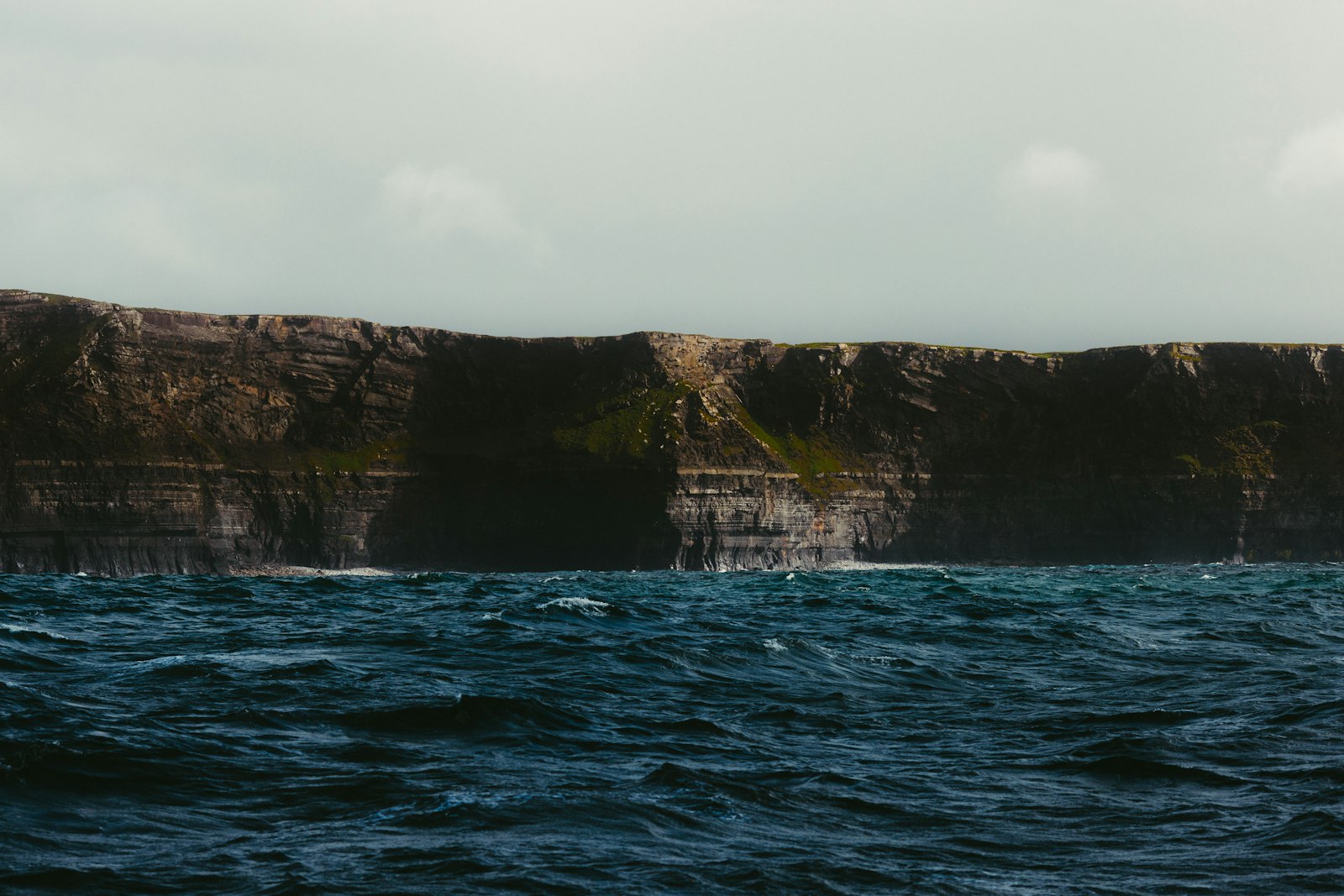
The Cliffs of Moher are Ireland’s most visited natural attraction, drawing 1.5 million visitors annually. Standing 230 meters (750 feet) tall, they stretch 14 kilometers along the Clare coast. On clear days, visibility extends to the Aran Islands and Connemara. The scale is genuinely impressive—birds are reduced to specks against the clifftop height.
The cliffs are part of the Wild Atlantic Way route, and their fame is well-deserved. However, their popularity comes with challenges: crowds, expensive parking, and commercialization.
Visiting the Cliffs
The Visitor Centre (€10 admission, parking €5): A modern facility built into the hillside to minimize visual impact. The center includes:
- Interactive exhibits about geology, wildlife, and history
- Restaurant and café (overpriced typical tourist food)
- Bathrooms and basic facilities
- Excellent views from the modern architecture
The Cliff Trails: Multiple walking trails offer different experiences:
The cliff edge is genuinely exposed with minimal railings—stay back from the edge in wind, and supervise children closely. Deaths occur from people ignoring warning signs.
Best Times to Visit
Early Morning (8-9 AM): Before tourist buses arrive, light is better for photography, and you’ll have space to enjoy views.
Late Afternoon (4-5 PM): After tour groups leave, the light becomes golden, creating stunning photo opportunities.
Off-Season (May-June, September-October): Weather is still good, crowds are reduced, and the landscape’s moody beauty appears best in changeable weather.
Avoid: July-August peak season means lines at the visitor center, crowded cliff walks, and expensive accommodation.
Photography Tips
Around the Cliffs
Doolin: A village 5 km north famous for traditional music. The village is tiny but has excellent pubs with nightly sessions: McDermott’s, Gus O’Connor’s, and McGann’s. Sessions start around 9:30 PM and continue until midnight. There’s no cover charge—you pay for drinks. Many visitors stay in Doolin specifically for the music culture.
Liscannor: A beach village 5 km south with a long strand and coastal scenery.
The Burren
The Burren is one of Europe’s most distinctive landscapes—an alien terrain of limestone pavement, sparse vegetation, and exposed grey stone. It’s unlike anywhere else in Ireland and offers a completely different experience than green rolling hills.
Burren Geology
The Burren covers 300 square kilometers of limestone terrain. The distinctive characteristic is lack of soil—the limestone is exposed, creating natural pavement. Despite appearing barren, the landscape supports Mediterranean plants that shouldn’t thrive this far north, creating a unique ecosystem.
The landscape appears most striking in winter and early spring when vegetation is minimal and stone predominates. Summer vegetation covers more of the stone, making the terrain look less distinctive.
Key Attractions
Poulnabrone Dolmen: An iconic 6,000-year-old stone tomb that’s become a major photo stop. The dolmen consists of massive flat stones arranged in a portal tomb configuration. It’s literally worth 15 minutes—the site itself is small, but it’s historically significant and the Burren landscape setting is atmospheric.
The site is accessible via a short walk from the N67 road. Parking is free. It’s a popular stop on the Wild Atlantic Way route, meaning morning visits are often less crowded than afternoon.
Ailwee Cave: The most accessible cave in Ireland. This commercial cave tour (€12, 30-minute tour) descends into a limestone cave with an underground river. The cave remains cool (9°C) year-round. Tours run frequently (every 15-30 minutes). Visitors generally find it worthwhile—the cave is genuinely beautiful and worth seeing even if you’re not a serious speleunking enthusiast.
The cave is slightly touristy but well-run. The visitor center has a decent restaurant and gift shop.
Hill Forts: The Burren contains numerous Iron Age and Bronze Age hill forts. Caherconnell Stone Fort is the most accessible—a reconstructed stone fort with limited exhibits. Many other forts remain visible on hillsides but are largely undeveloped.
Wildflowers: April-June is wildflower season. The Burren’s rocky terrain supports orchids, rare alpine flowers, and Mediterranean species. The flowers appear to burst impossibly from limestone cracks. Photography opportunities are excellent. Late May is typically peak bloom.
Burren Walks
Hiking through the Burren is a popular activity. The landscape is treeless, meaning views extend for kilometers. The Burren Way is a long-distance hiking trail (40 km) that takes 3-4 days. Day walks are available at various points.
Walking the Burren provides a unique sensory experience—the stone beneath your feet, sparse vegetation, and endless views create a moonlike atmosphere.
Towns in the Burren
Kilfenora: A small village with a cathedral and ecclesiastical museum. The village is quiet and authentic.
Lehinch: A beach town with a long strand and good restaurants. It’s become increasingly trendy but retains an Irish feel.
Ennistymon: A charming village with waterfall, excellent restaurants, and good accommodation options. It’s less touristy than Doolin while remaining convenient to attractions.
County Clare Beyond the Headlines
Cobh (Pronounced “Cove”)
Cobh is a picturesque harbor town with colorful townhouses stacked on a hillside. The town was the departure point for 2.5 million Irish emigrants sailing to America, making it significant for many Irish-Americans tracing heritage.
Attractions:
Cobh makes a good day trip from Cork or Clare base. Plan 3-4 hours. The town itself is small and easily explored.
Loop Head Peninsula
A scenic peninsula drive on Clare’s southwest, Loop Head offers coastal scenery and the Loop Head Lighthouse. The drive (50 km) takes 2-3 hours including stops. The landscape is dramatic with high cliffs and isolated villages. The peninsula feels genuinely remote—it’s where Ireland’s west coast points directly at America.
Food & Drink in Clare
Restaurants
Clare has excellent restaurants, particularly in Doolin and surrounding villages:
Upscale:
Mid-Range:
Casual:
Traditional Music
Clare is the heartland of Irish traditional music. Sessions happen nightly in villages:
Doolin (most famous):
Ennistymon:
Kilfenora:
Sessions typically start around 9:30 PM and continue until midnight or later. There’s no cover charge—musicians play for enjoyment and tips. Arriving early (8:30 PM) secures seats. The music is authentic, not performance—musicians often face away from audiences, focused on playing.
The experience of sitting in a small Irish pub listening to traditional music played by locals is quintessentially Irish and available nightly in Clare villages.
Accommodation Strategy
Base in Doolin: Perfect for music lovers and Cliffs/Burren explorers. Proximity to traditional music sessions is unbeatable. Accommodation includes:
Base in Ennistymon: Less touristy than Doolin while remaining convenient to attractions. Good restaurants and accommodation options.
Base in Ennis: Clare’s capital, larger town with more amenities. Less charming than villages but good transport hub.
Alternative: Stay on the Clare coast near Kilrush or Lahinch for beach access.
Book accommodation ahead in summer. Doolin particularly fills quickly on weekends.
A 3-4 Day Clare Itinerary
Day 1: Arrive Cliffs of Moher, afternoon visit (early morning or late afternoon), overnight in Doolin or Liscannor.
Day 2: Morning walk at Cliffs of Moher, afternoon explore Burren (Ailwee Cave, Poulnabrone Dolmen, scenic drives), evening traditional music session in Doolin or Ennistymon.
Day 3: Doolin-based exploration (Burren walks, Liscannor beach, Loop Head drive if interested), evening music sessions.
Day 4: Depart via Ennis or Cork direction, or extend stay.
Practical Information
Getting There
Transportation
A rental car is essential for exploring Clare thoroughly. Public transportation exists but is limited, particularly for accessing the Cliffs and Burren.
Weather
Clare weather is notoriously changeable. Mornings can be clear with afternoon clouds and rain. The west coast receives substantial precipitation, particularly October-February.
Best times:
Cost
Clare is moderately expensive due to tourism:
Tips for Clare
- Arrive early at the Cliffs: Early morning visits mean better light, better photos, and fewer crowds.
Clare’s combination of dramatic natural landscapes, authentic cultural experiences, and accessibility makes it one of Ireland’s essential destinations. The Cliffs of Moher deserve their fame, and the surrounding regions offer equally rewarding experiences without the crowds.




Leave a Reply