Introduction: Where Ireland Meets the Atlantic
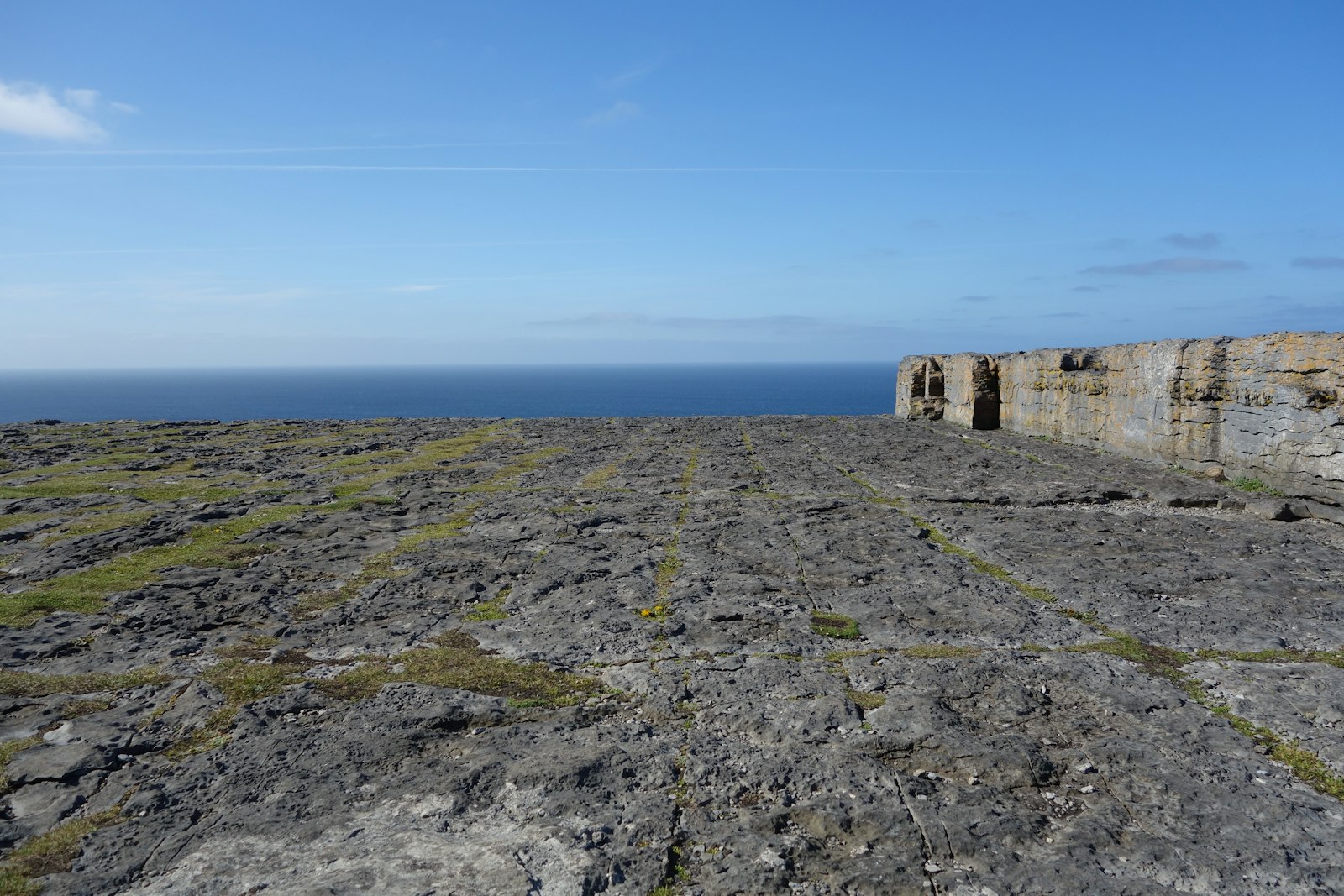
The Aran Islands are three small rocky islands positioned 45 kilometers off the west coast of Ireland, in Galway Bay. Inis Mór (the largest), Inis Meáin (middle), and Inis Oírr (smallest) are the inhabited islands, home to 900 people total. The islands are isolated, windswept, and represent Ireland at its most culturally authentic and geographically dramatic.
The Aran Islands are among Europe’s remotest inhabited places. Gaelic is the native language (though English is universal). Ancient Irish culture remains strong. The landscape is raw—rocky, treeless, and perpetually windy. For many visitors, the islands are a transformative experience—a genuine escape from modern tourism and a glimpse of traditional Irish life largely vanished elsewhere.
The Three Islands Compared
Inis Mór (The Big Island)
Population: 800 people
Tourism Level: Moderate
Main Town: Kilronan (where ferries arrive)
Best For: First-time island visitors, families, those wanting the most infrastructure
Inis Mór is the largest island (14 sq km) and most touristed. It has the most accommodation, restaurants, pubs, and services. The island can accommodate perhaps 200-300 tourists daily.
Main Attractions:
Dún Aonghasa: An Iron Age cliff fort perched on 100-meter cliffs overlooking the Atlantic. The fort dates to approximately 1000 BC. The setting is dramatically beautiful—ancient stone walls, sheer cliffs, and wild seascape. The walk from the village (3 km) is manageable but hilly. Admission is €5. Plan 2 hours round-trip including time at the fort. This is the islands’ single most important archaeological site and worth the effort.
Dún Eoghanachta & Dún Duchathair: Other smaller Iron Age forts less visited than Dún Aonghasa but equally interesting archaeologically.
Teampall Bheanáin: Early Christian church, one of the islands’ oldest structures.
Beaches: Killeany beach on the north side is a substantial sand beach—unexpected on rocky islands and excellent for swimming (when brave enough to enter Atlantic water).
Pub Scene:
- Tigh Fitz: Reliable pub with traditional music most nights
- Various restaurants in Kilronan village
Inis Meáin (The Middle Island)
Population: 190 people
Tourism Level: Minimal
Main Settlement: No real town; scattered houses
Best For: Serious solitude-seekers, those wanting authentic island culture
Inis Meáin is smaller (5.8 sq km) and significantly less touristy than Inis Mór. It has perhaps 20-30 tourists daily. The island is rocky, windswept, and genuinely remote. Accommodation is very limited—perhaps three guesthouses total. There are minimal restaurants; you must eat what’s available or self-cater.
The island feels like real island life—isolation, self-sufficiency, and genuine connection to place. The village (if you can call it that) consists of scattered houses along the coast. Walking trails exist but are unmarked.
Inis Meáin is where Irish writer John Millington Synge lived in the 1890s and based his play “Riders to the Sea” on island life. The literary and cultural significance adds depth.
Advantages: Truly authentic, peaceful, genuine island experience
Disadvantages: Minimal accommodation, minimal restaurants, ferry schedules may be limited, weather can isolate you completely
Inis Oírr (The Small Island)
Population: 250 people
Tourism Level: Low to moderate
Main Settlement: Killeany village
Best For: Balance between accessibility and authenticity
Inis Oírr is the smallest island (4.3 sq km) but has slightly more tourism than Inis Meáin. It’s more accessible than Inis Meáin but less developed than Inis Mór.
Key Attractions:
The Plassey Wreck: A ship that wrecked in 1960, partially beached on rocks. The wreck has become a landmark and symbol of the island. Walking to the wreck is straightforward, offering dramatic views of the vessel against the rocky shore.
Teampall Caomhán: An early Christian church.
Lighthouse: A functioning lighthouse visible from the village.
Beaches: Small rocky beaches and swimming spots.
Getting to the Islands
Ferry Options
From Doolin (County Clare):
From Rossaveal (Connemara):
From Connemara Airport:
Ferry Practicalities
Booking: Ferries operate on a first-come, first-served basis during off-season. In summer, book ahead (especially for Doolin ferry). Book online or call operator 1-2 days ahead.
Weather: Ferries are weather-dependent. Rough seas can cancel crossings or delay arrivals. Summer crossings are calmer than winter. If visiting May-September, weather is unlikely to be problematic. October-April, check forecasts and allow flexibility.
Luggage: Ferries accommodate backpacks and travel bags. The Cessna flight has strict luggage allowance (minimal).
Crossing Experience: The ferry crossing is moderately rough. If prone to seasickness, take medication before boarding. The crossing offers good views of Galway Bay and the islands approaching. Many people find the crossing part of the adventure.
Practical Island Information
Accommodation
Accommodation on all islands is limited and must be booked ahead. Options include guesthouses, bed & breakfasts, and self-catering cottages. Hostels are minimal.
Inis Mór:
Inis Meáin:
Inis Oírr:
Expect to pay €70-120 for a basic room. Meals are expensive (€14-20 for casual dining). Self-catering is economical if staying multiple nights.
Food & Dining
Restaurant options are limited:
Self-Catering Strategy: Many visitors self-cater, buying supplies from the small shop/supermarket on Inis Mór before traveling to quieter islands. This saves money and provides flexibility.
Pubs: Each island has pubs. These serve as social centers—they provide food, drinks, and community gathering space. Spending evening in a pub is authentic island experience.
Time of Year
May-September: Best weather, warmest temperatures, longest daylight. Seas are calmer, ferries more reliable. However, this is also peak tourism season. Islands are busier but still far less touristy than mainland attractions.
April & October: Pleasant weather, minimal tourism. Ferries are reliable. Good balance.
November-March: Shortest days, frequent rain, rough seas, cold water. Beautiful in dramatic way but requires serious island commitment. Ferries are frequently cancelled. Many guesthouses close seasonally.
Best time overall: May-June or September—mild weather, good daylight, manageable tourism.
What to Bring
Island Activities
Walking & Hiking
All three islands are walkable. Walking is the primary activity—no cars necessary, though some transportation exists.
Inis Mór: 14 km perimeter walk possible in parts, mostly flat or gently rolling. Walks to various forts and archaeological sites.
Inis Meáin: More challenging terrain, fewer marked paths. Feeling more remote while walking.
Inis Oírr: Small enough to walk the entire island in an afternoon.
Walking offers time alone with the landscape, opportunities for photography, and genuine island exploration.
Archaeology & History
All islands feature ancient structures—Iron Age forts, early Christian churches, and Bronze Age sites. Walking past these sites connects you to Irish history spanning millennia.
Traditional Culture
Observing island life is an activity. Watching fishermen, sheep herding, traditional crafts, and everyday island routines provides cultural immersion. This isn’t “tourism” in the traditional sense but observation of authentic living.
Pub Sessions
Evening time in island pubs offers traditional music (occasionally), conversation, and community. Locals are generally welcoming. Sitting quietly with a drink, listening to island life, is a valuable experience.
Deciding Which Island(s) to Visit
1-Day Visit (Inis Mór):
2-Day Visit (Inis Mór):
3-Day Visit (Multiple Islands):
4+ Day Visit (Immersive):
Island Realities
Advantages:
Challenges:
The Gaeltacht Experience
The Aran Islands are part of the Gaeltacht—areas where Irish (Gaelic) is the native language. While everyone speaks English, street signs are in Irish, school instruction is in Irish, and older residents may primarily speak Irish.
Hearing Irish language, seeing cultural practices, and experiencing how Irish identity persists creates a different feel than English-speaking Ireland. For Americans interested in language and culture, this immersion is part of the appeal.
Island Ecology & Wildlife
The islands support distinctive flora and fauna:
Wildlife watching—particularly bird watching—adds dimension to island visits.
Final Thoughts
The Aran Islands represent Ireland at its most authentic, remote, and historically rich. They’re not for everyone—those seeking nightlife, restaurants, and modern amenities should skip them. But for those seeking genuine escape, cultural immersion, and connection to ancient Ireland, the islands are transformative.
A few days on an Aran Island—walking rocky terrain, hearing Irish language, sitting in pubs, watching seabirds, and experiencing genuine isolation—provides perspective impossible in tourist-focused Ireland. The islands remain one of Europe’s authentically isolated places where traditional culture persists.
Most visitors who spend time on the islands describe it as life-changing. Even those who find it challenging admit it offers something modern tourism rarely provides: genuine disconnection and authentic cultural experience.
The Aran Islands are worth the effort, expense, and weather risk. They’re where Ireland’s wild edge feels genuinely wild.




Leave a Reply