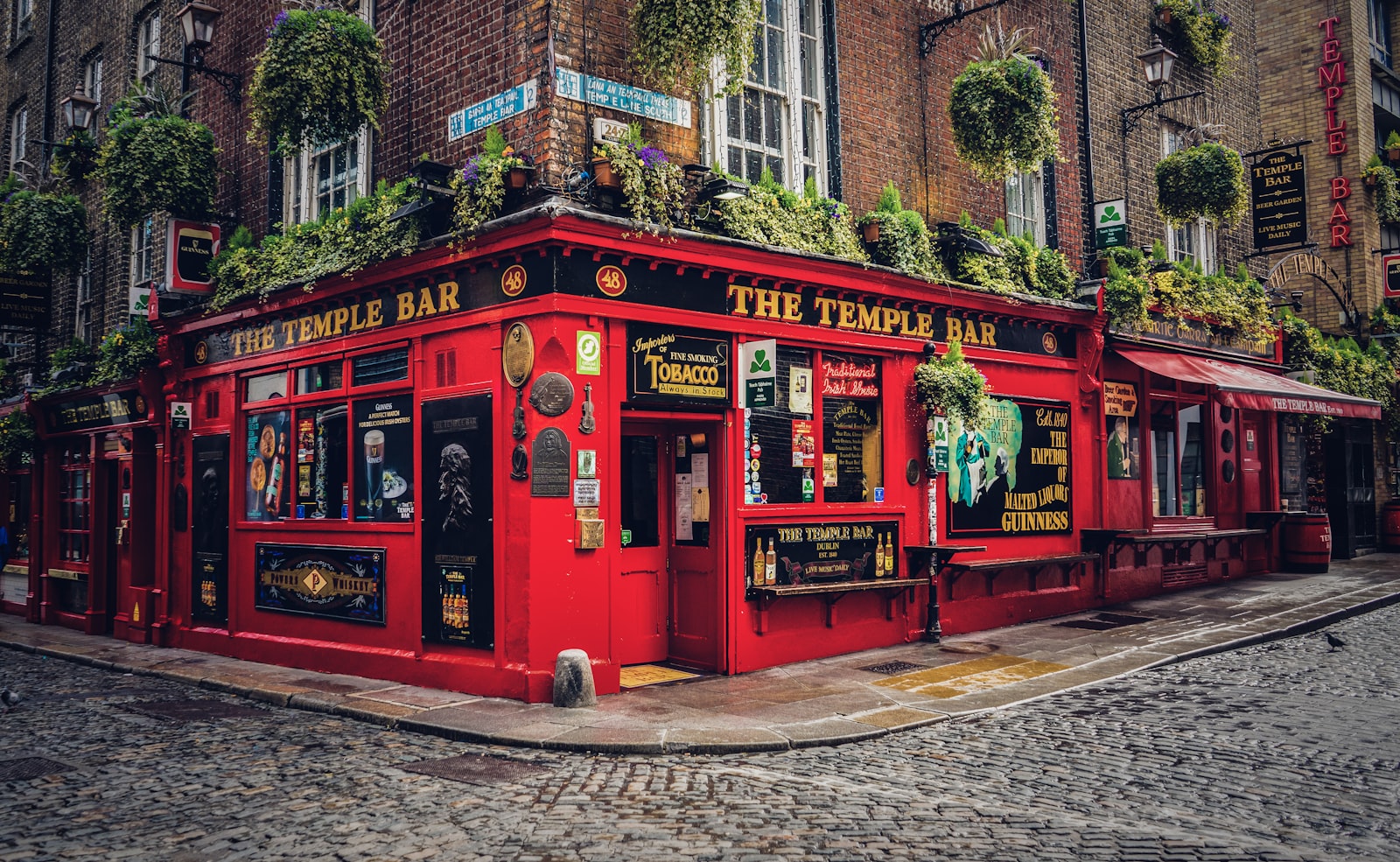
Introduction: The Pub as Cultural Institution
Irish pubs are more than drinking establishments—they’re cultural institutions, gathering places, and repositories of Irish identity. The best pubs combine authentic atmosphere, quality beverages, excellent food, and genuine community connection. For Americans visiting Ireland, spending time in traditional pubs is essential to understanding Irish culture.
This guide highlights exceptional pubs across regions, emphasizing character and authenticity over size or commercialization. These are places where locals gather, where traditional music flows naturally, and where conversation is valued. Many are family businesses passed through generations.
Dublin County
Kehoe’s Pub (South Anne Street, City Center)
Kehoe’s embodies Dublin pub perfection. Small, dark, and crowded, it’s decorated with vintage advertising signs, wood paneling, and genuine character. There’s no pretense, no fake “traditional” decoration—this is how pubs naturally evolved.
The pub attracts a mix of locals and tourists. People stand shoulder-to-shoulder during evening hours. The bartenders are efficient and friendly. The drink quality is excellent. Food is minimal (sandwiches and simple fare).
Why Go: Authenticity, atmosphere, central location, excellent pints.
When to Go: Afternoon (quieter), not evening peak hours (standing room only).
What to Drink: Guinness is perfect here. Smithwick’s (Irish ale) is also excellent.
The Long Hall (South Great George’s Street, City Center)
This ornate Victorian pub is stunning—high ceilings, mirrors, original wood, and Victorian-era fixtures throughout. The bar itself is an architectural feature. It feels like stepping into 1890s Dublin.
Despite its ornate appearance, it’s not pretentious. Locals mix with tourists. Bartenders are knowledgeable and friendly. The atmosphere is bustling without feeling touristy. Food is available; quality is good.
Why Go: Stunning architecture, genuine atmosphere, excellent drinks.
When to Go: Afternoon or early evening for better experience than late night (very crowded).
What to Drink: Any pint is excellent here. The setting makes any drink taste better.
Mulligan’s (Poolbeg Street, City Center)
Mulligan’s is Dublin’s oldest pub (founded 1782). It’s small, traditional, and genuinely historic. The wood interior, low ceilings, and crowd of regulars create authentic Dublin pub experience.
The pub attracts serious drinkers and locals, not primarily tourists. The atmosphere is convivial. Bartenders are professional. The pints are excellent. Food is traditional pub fare.
Why Go: Historic authenticity, serious pub atmosphere, traditional setting.
When to Go: Afternoon or early evening (evenings get crowded).
What to Drink: Guinness. Period.
The Brazen Head (Bridge Street, Temple Bar Area)
“Literally the oldest pub in Dublin” (1668). It’s been continuously operating as a pub longer than America has been independent. The history alone makes it worth visiting.
The pub is more commercialized than smaller options due to its fame, but the atmosphere remains genuine. It’s larger, can accommodate tourists, and has good food. Traditional music happens regularly. The setting feels genuinely historic.
Why Go: Historic significance, traditional music, good food, interesting crowd.
When to Go: Evening for music sessions (9:30 PM onwards).
What to Drink: Guinness or Irish ales.
Cork County
The Mutton Lane (West Main Street, Cork City)
Named after the alley it inhabits, The Mutton Lane is Cork‘s most famous pub—atmospheric, narrow, and cramped. You literally squeeze past people to reach the bar. The chaos is part of the charm.
The pub is dark, decorated with vintage signs and photographs. The atmosphere is bohemian and very Cork. Locals chat, drink, and create genuine community. The bartenders know regulars by name. Food is available but secondary to the drinking/socializing experience.
Why Go: Authentic Cork atmosphere, genuine character, local crowd.
When to Go: Early evening (after 5 PM but before 8 PM) for good atmosphere with some space.
What to Drink: Guinness. The pints are exceptional here.
Inchydoney Beach Club (Inchydoney Beach, Clonakilty)
This is less traditional pub and more upscale beach bar, but it’s excellent. Located directly on a beautiful beach with sunset views, it combines local character with modern comfort.
The pub is where locals and visitors mix naturally. Food is excellent (fresh seafood, quality ingredients). Drinks are well-made. The atmosphere is more contemporary than traditional, but genuinely Irish.
Why Go: Sunset views, beach location, excellent food, upscale comfort without pretension.
When to Go: Late afternoon approaching sunset for optimal experience.
What to Drink: Irish craft beers, cocktails made with quality ingredients.
Galway County
Tigh Neachtain (Quay Street, Galway City)
The most famous traditional music pub in Galway. Small, crowded, and intense with music most nights. Musicians arrive, instruments appear, and traditional sessions begin spontaneously—no announcement, no performance atmosphere, just music.
The pub is packed during music sessions. People stand shoulder-to-shoulder. The music quality is exceptional—professional traditional musicians playing for enjoyment and tips. The crowd is locals mixed with music-loving tourists.
Why Go: Authentic traditional music, no tourist performance feel, genuine community.
When to Go: Evening (9 PM onwards) for music sessions.
What to Drink: Pint of Guinness or local beer.
Caution: It’s extremely crowded; arrive early to secure standing space. The atmosphere is intense and genuine, not for those preferring calm conversation.
Monroe’s (Upper Main Street, Galway City)
Less famous than Tigh Neachtain but equally authentic. Traditional music happens regularly. The pub is smaller than Monroe’s reputation might suggest, and more relaxed than Tigh Neachtain.
The crowd is friendly—locals and tourists mixing easily. Bartenders are knowledgeable. The atmosphere is convivial without being chaotic. Food is good. Music is excellent but not overwhelming.
Why Go: Traditional music, friendly atmosphere, good balance of locals and accessibility.
When to Go: Evening for music sessions.
What to Drink: Irish beer or Guinness.
The Quays (Quay Street, Galway City)
A tourist-oriented pub, but notably good one. It’s larger than smaller traditional pubs, accommodating groups and tourists. The interior is decorated with vintage items and Irish cultural references. Traditional music happens most nights.
The atmosphere is lively and welcoming. Tourists are clearly welcome. The food is good quality. The music is reliable and good. Bartenders are friendly and patient with tourists.
Why Go: Reliable traditional music, good food, welcoming to tourists without being fake.
When to Go: Evening for music (9 PM onwards).
What to Drink: Guinness or local beer.
County Clare
O’Loclainn’s (Main Street, Doolin)
Doolin is famous for traditional music, and O’Loclainn’s is the heartbeat of that tradition. This small pub has nightly music sessions featuring professional traditional musicians.
The pub is small, crowded, and sometimes overwhelming with activity. The musicians are genuinely excellent. The crowd is music lovers—some locals, many tourists seeking authentic experience. The atmosphere is intense and genuine.
Why Go: Authentic traditional music, nightly sessions, genuine community involvement.
When to Go: Evening (9 PM onwards) for music sessions.
What to Drink: Guinness or local beer.
Gus O’Connor’s (Main Street, Doolin)
Another famous Doolin pub with traditional music. Slightly larger than O’Loclainn’s, it’s more accessible for groups. The music quality is excellent. The atmosphere is lively and welcoming.
Why Go: Reliable traditional music, larger space, friendly atmosphere.
When to Go: Evening for music.
McDermott’s (Main Street, Doolin)
Third major Doolin pub with music sessions. Each has its own character. McDermott’s leans slightly more toward tourists but maintains authenticity.
Why Go: Music options (rotate between three pubs), accessible for groups.
When to Go: Evening for music.
Kerry County
Dick Mack’s (Main Street, Dingle)
Dick Mack’s is Dingle’s most famous pub, housed in a traditional grocery store/pub combination. The interior is cluttered with vintage items, old signs, and authentic chaos.
The pub is small, crowded, and genuinely Irish. Locals gather here. Tourists come for authenticity. The bartenders are friendly and efficient. The atmosphere is lively without being forced. Food is available but secondary to the drinking/socializing.
Why Go: Dingle authenticity, traditional atmosphere, genuine character.
When to Go: Early evening (5-7 PM) for space; later for full atmosphere.
What to Drink: Guinness. Local stout. Smithwick’s.
John Benny’s (Main Street, Dingle)
Another excellent Dingle pub, slightly less famous than Dick Mack’s but equally authentic. The interior features traditional wood, low ceilings, and genuine atmosphere.
Why Go: Authentic Dingle experience, alternative to Dick Mack’s crowds.
When to Go: Evening.
Belfast, Northern Ireland
The Crown Liquor Saloon (Great Victoria Street, City Center)
The Crown is a Victorian pub (1885) and National Trust site. The interior is ornate—mirrors, wood panels, original fixtures, and stunning bar. It’s architecturally remarkable.
Despite its grand appearance, it’s not pretentious. It’s frequented by locals, tourists, and business people alike. The atmosphere is welcoming. Bartenders are professional. Food is good. The setting makes any pint taste exceptional.
Why Go: Architectural beauty, historic significance, authentic Belfast atmosphere.
When to Go: Any time; afternoon is quieter than evening.
What to Drink: Any pint. The setting elevates the experience.
Kelly’s Cellars (Bank Street, City Center)
Claimed to be Belfast’s oldest bar (1720s), Kelly’s Cellars is small, historic, and atmospheric. The interior is dark wood with low ceilings—genuinely historic.
Traditional music happens occasionally (check schedule). The crowd is locals. The atmosphere is genuine without being overly touristic. Bartenders are friendly.
Why Go: Historic authenticity, local character, traditional music occasionally.
When to Go: Evening; check for music schedule.
Derry/Londonderry, Northern Ireland
Peadar O’Donnell’s (Waterloo Street, Derry City)
Inside the historic city walls, Peadar O’Donnell’s is a traditional pub with regular traditional music sessions. The atmosphere is lively and welcoming.
Why Go: Traditional music, walled city location, authentic Derry experience.
When to Go: Evening for music.
The West & Islands
Tigh Fitz (Inis Mór, Aran Islands)
On the Aran Islands, Tigh Fitz is a traditional pub with music most nights. The setting—on a remote island—adds special character. You’re drinking in a genuine Irish-speaking community, miles from mainland.
Why Go: Island authenticity, traditional music, genuine cultural experience.
When to Go: Evening for music.
Pub Characteristics
What Makes a Great Traditional Irish Pub
Authenticity: The pub evolved naturally, not designed as a “traditional pub” for tourists. Original fixtures, gradual development, patina of age.
Community: Locals gather regularly. The bartender knows regulars’ names and drinks. Conversation is valued over loud entertainment.
Atmosphere: Convivial but not forced. People chat, laugh, debate. There’s warmth without being overly friendly.
Quality Drinks: Proper pint pours, well-maintained taps, knowledgeable bartenders.
Minimal Pretense: No dress codes, no bouncer mentality, no unnecessary rules. Walk in as you are.
Good Food: Traditional pub food (fish and chips, stews, sandwiches) made with quality ingredients.
Gradual Evolution: Pubs have been modified over decades, not recently renovated to look old.
Pub Etiquette
Ordering: Catch the bartender’s eye. Don’t shout. Be patient; they’ll attend to you.
Standing at the Bar: Even when there’s space, many Irish prefer standing. It’s normal and social.
Tipping: Not mandatory. A euro or two is appreciated but not expected.
Rounds: If you’re with Irish people and they buy you a drink, you should buy the next round. This is important cultural custom.
Sitting: Don’t assume you can sit; pubs are often standing-room-only. Asking permission is courteous.
Conversation: Irish people enjoy conversation. It’s fine to chat with strangers at the bar.
During Music: Don’t talk loudly during traditional music sessions. Listen respectfully. Musicians appreciate engaged audiences.
Best Times to Visit Pubs
Lunch (12-2 PM): Many pubs serve lunch. Less crowded than evening. Good for experience without chaos.
Late Afternoon (4-6 PM): Good balance of atmosphere and space. Locals arrive home from work. It’s lively but not packed.
Evening (7-9 PM): Traditional music starts. Can be crowded. Prime time for authentic experience.
Late Night (10 PM+): For those wanting to stay out, late-night pubs remain open. Music continues. Atmosphere changes—more party, less conversational.
Regional Variations
Dublin: More touristy pubs, but excellent ones still exist. Mix of traditional and contemporary. Higher prices than regional towns.
Cork: Bohemian atmosphere, excellent food culture. Pubs are more integrated with food scene.
Galway: Strong traditional music culture. Pubs are music-focused.
Clare: Doolin particularly famous for traditional music. Smaller villages have less touristy pubs.
Kerry: Mountain and coastal settings. Pubs reflect local character.
Northern Ireland: Slightly different atmosphere due to different history. Pubs are excellent but different cultural context.
Final Recommendations
For First-Time Visitors: Kehoe’s (Dublin), Dick Mack’s (Dingle), Tigh Neachtain (Galway), The Crown (Belfast)
For Authentic Experience: Mulligan’s (Dublin), O’Loclainn’s (Doolin), The Mutton Lane (Cork)
For Traditional Music: Tigh Neachtain or Monroe’s (Galway), O’Loclainn’s or McDermott’s (Doolin)
For Architectural Beauty: The Long Hall (Dublin), The Crown Liquor Saloon (Belfast)
For Local Character: Dick Mack’s (Dingle), The Mutton Lane (Cork), Kelly’s Cellars (Belfast)
For Comfort: Larger pubs like The Brazen Head or The Quays that balance authenticity with accessibility.
The Irish pub experience is fundamental to understanding Ireland. The best pubs are where locals gather, where history lingers in the furniture and fixtures, and where conversation and community matter more than loud entertainment. Plan pub time as seriously as museum visits or scenic drives. The pubs you’ll remember most aren’t the famous ones marketed to tourists—they’re the small places where genuine Irish life happens.




Leave a Reply