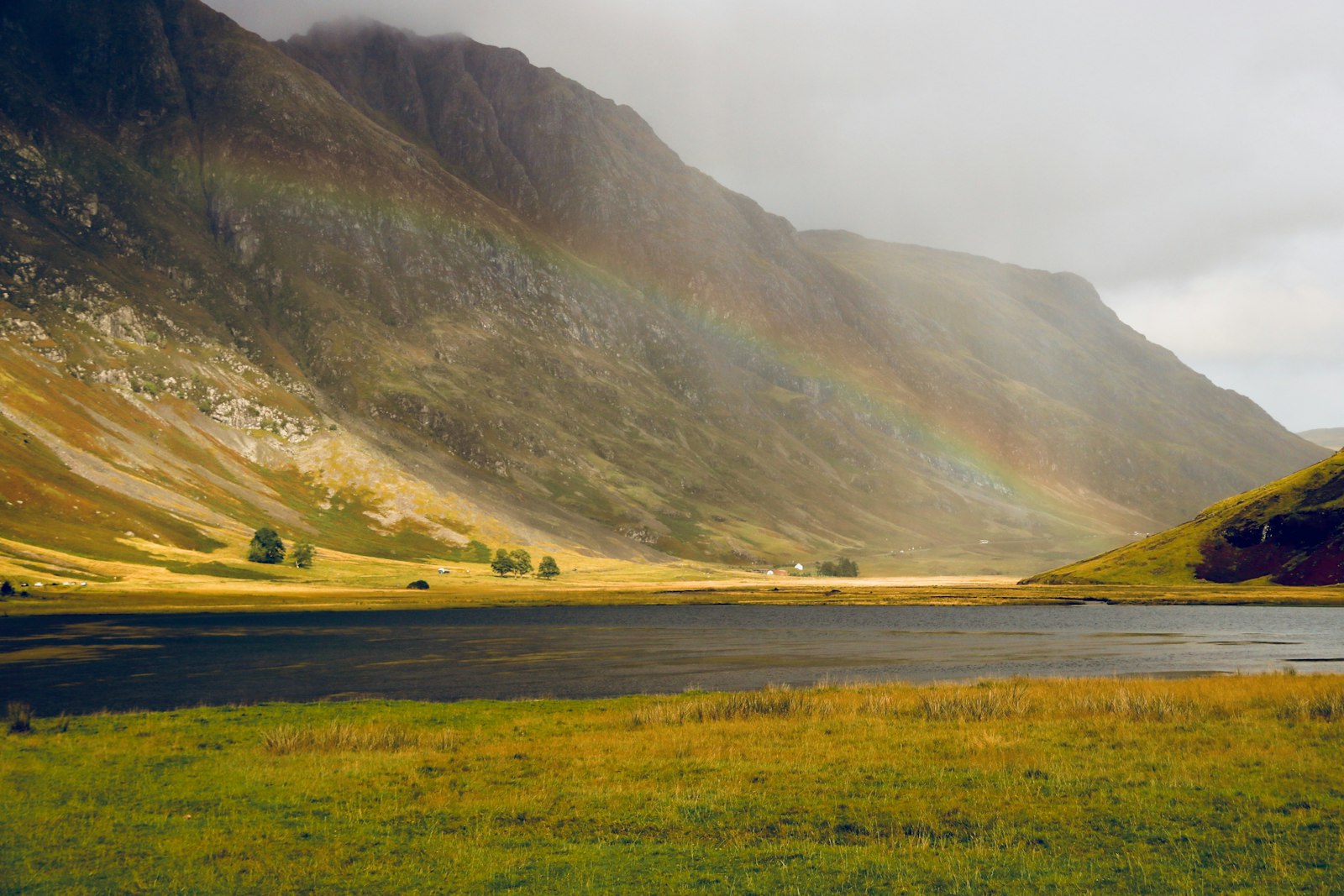
The British countryside occupies a peculiar position in the national psyche. It’s idealized, romanticized, protected, and genuinely beloved. For a country as densely populated and urbanized as Britain, the countryside represents something sacred—connection to nature, tradition, history, and a slower pace of life.
American visitors often underestimate the importance of the countryside to British identity. But understanding British culture requires understanding the countryside: the walking traditions, the National Trust, the village pub, the gardening obsession, and the deep love for landscape that runs through all levels of British society.
The Great Mountain Ranges and National Parks
Britain doesn’t have mountains in the way that Americans understand mountains—no Rockies or Himalayas. But it has beautiful, dramatic upland areas that have inspired poets and attracted walkers for centuries.
The Lake District
The Lake District in northwest England is perhaps Britain’s most celebrated landscape. It features dramatic peaks, pristine lakes, and valleys that inspired the Romantic poets. Names like Windermere, Coniston Water, and Derwent Water are known throughout Britain.
The Lake District was one of the first areas designated as a National Park (1951) and remains one of Britain’s most visited landscapes. Millions visit annually to hike, kayak, swim, and simply be surrounded by stunning scenery. The traditional Lakeland slate villages and stone buildings add to the landscape’s character.
Walking in the Lake District ranges from gentle lakeside strolls to serious mountain hikes. Scafell Pike (3,209 feet) is the highest peak in England, and climbing it is a rite of passage for many Britons. The walks reward you with views that explain why Wordsworth and his contemporaries were so inspired.
The Cotswolds
If the Lake District is dramatic and mountainous, the Cotswolds are quintessentially English—rolling hills, stone villages, honey-colored cottages, and hedgerows. Located in south-central England, the Cotswolds represent what many Americans imagine when they think of the English countryside.
Villages like Bourton-on-the-Water, Stow-on-the-Wold, and Bibury feature picture-perfect stone architecture, village greens, and country pubs that look like they belong in period dramas. The landscape is farmed, managed, and beautiful in a cultivated way.
Walking in the Cotswolds is gentle—rolling hills rather than mountains, village-to-village walks with pub stops along the way. The experience is quintessentially British: tea in a village café, a walk through managed landscape, a pint at a historic pub.
The Peak District
The Peak District in central England represents England’s mountains without the drama of the Lake District. It’s more accessible, more developed, and more visited by people seeking natural beauty without serious alpine adventure.
The landscape includes gritstone edges (dramatic rock formations), limestone dales, and picturesque villages. Popular walks include Kinder Scout and the various limestone dales. The Peak District’s accessibility and beauty make it extraordinarily popular.
Scottish Highlands
The Scottish Highlands represent Britain’s most dramatic landscape. Mountains rise significantly higher than in England, the landscape feels wilder, and the sense of remoteness is genuine. Ben Nevis (4,413 feet) is Britain’s highest mountain.
The Highlands were historically wild, dangerous, and poorly connected to the rest of Britain. They’ve retained a sense of wilderness and grandeur that makes them deeply appealing. Walking in the Highlands feels genuinely adventurous—you’re dealing with weather, terrain, and genuine isolation.
Snowdonia (Wales)
Snowdonia in North Wales features dramatic mountains, valleys, and a strong Welsh cultural identity. The landscape was formed by glaciation and features some of Britain’s most dramatic scenery. Snowdon (Yr Wyddfa in Welsh) is Wales’ highest peak.
The landscape carries historical significance—it was the last stronghold of Welsh independence and remains a symbol of Welsh identity. The landscape is genuinely spectacular and attracts serious hikers.
The Yorkshire Dales
The Yorkshire Dales feature limestone landscapes, cascading waterfalls, stone villages, and moorland. The landscape is managed and cultivated but dramatically beautiful. Walking through the Dales reveals England’s northern landscape at its best.
Walking and Rambling Culture
Walking in the British countryside isn’t a casual activity—it’s a cultural institution with deep traditions and passionate advocates. The “rambler” (a person who walks for pleasure in the countryside) is a respected figure, and walking clubs exist throughout Britain.
The right to roam is important in British culture. While most land is privately owned, there’s a tradition and (in many cases) legal right to walk across country on designated paths and, in some areas, anywhere on uncultivated land. This allows walkers to explore the countryside without requiring permission from landowners.
Walking gear is important to British walkers. You’ll see serious hikers with proper boots, weatherproof jackets, backpacks, and maps. The British are often underdressed for weather (the joke being that Britons would rather be cold than admit weather might affect them), but serious walkers dress appropriately.
Popular walking routes have been developed and maintained for centuries. Long-distance paths like the Pennine Way (268 miles), Hadrian’s Wall Path, and the South West Coast Path attract walkers from around the world. These are genuine multi-week hiking journeys, not day walks.
The culture includes getting properly lost, navigating with paper maps (though GPS is now accepted), stopping at country pubs, and a certain pride in persisting through weather that would seem prohibitive to most people. Walking is meditation, exercise, and spiritual practice combined.
The Village Pub
The country pub represents something central to British countryside culture. These are often centuries-old establishments in small villages, serving locals and visitors with equal enthusiasm.
The best country pubs feature: real fires, exposed beams, local ale on draft, good food (increasingly sophisticated), and a genuine community feel. Regular customers are known by name and habit. The pub functions as the village social hub.
A Sunday afternoon in a country pub—sitting by a fire, nursing a pint, reading the newspaper, with maybe a Sunday roast available—represents a kind of British ideal: tradition, community, natural beauty, and comfort combined.
The National Trust
The National Trust is a private charitable organization that owns and protects vast amounts of British countryside and historic buildings. Founded in 1895, it’s now the largest membership organization in Britain, with millions of members.
National Trust properties include country houses, gardens, beaches, woodlands, and historical sites. Many are open to the public for modest fees. Walking through National Trust land connects you to protected landscape and history.
The organization represents something important about British values: the belief that certain places and buildings are precious enough to be protected from development or commercialization. The National Trust is genuinely beloved and seen as essential to protecting Britain’s heritage.
English Heritage
English Heritage is a public organization that manages hundreds of historical sites, including castles, abbeys, and archaeological monuments. Many of these sites are in stunning countryside locations.
Visiting an English Heritage site combines history with landscape—you’re exploring ruins of medieval castles, Roman walls, or Tudor estates often situated in beautiful countryside. It’s a way of understanding British history while enjoying the landscape.
Stately Homes
Britain’s stately homes—grand country houses owned by aristocratic families—represent both architectural achievement and the landscape culture they inhabit. Many are open to the public and offer insights into British history and landscape traditions.
Properties like Chatsworth House, Waddesdon Manor, and Blenheim Palace combine magnificent architecture with landscaped gardens and countryside. Visiting represents understanding British aristocracy, architectural history, and landscape design traditions.
Gardening Culture
The British love gardens with a passion that Americans might find hard to fathom. Not just flowers or vegetables, but carefully designed, managed, and maintained outdoor spaces. From tiny urban gardens to estate-sized landscapes, gardening is serious business.
Television programs about gardening attract millions of viewers. Garden shows draw enormous crowds. The Chelsea Flower Show is a major cultural event. Gardening magazines are ubiquitous. The British invest enormous time, money, and emotional energy into their gardens.
This reveals something about British culture: a deep connection to nature, a belief in self-improvement through cultivation, and a romantic ideal of controlling and beautifying natural space. The British garden represents the countryside brought home.
Managing and Protecting the Countryside
The British countryside isn’t wild or untouched—it’s carefully managed and protected. Centuries of human habitation have shaped the landscape. Modern conservation efforts maintain traditional landscapes against modern development pressures.
The countryside is subject to strict planning regulations. Development is restricted outside of towns and cities. Agricultural subsidies support traditional farming. Conservation organizations work to protect species and habitats.
This reflects a cultural value: that certain landscapes are worth protecting, that tradition and beauty matter, and that the countryside is a shared inheritance rather than individual property to be developed as one wishes.
The Relationship with Nature
The British relationship with nature is peculiar and revealing. There’s deep love for landscape combined with a willingness to actively manage and even domesticate it. Nature is appreciated but also controlled, beautified, and organized.
This relationship is expressed through gardening, walking, landscape art, poetry, and conservation efforts. Nature is sacred but also serviceable—it should feed, comfort, and inspire us. The ideal is a managed landscape where humans and nature coexist in balance.
The Bottom Line
The British countryside represents centuries of landscape evolution, careful management, and genuine love for natural beauty. Whether you’re walking in the Lake District, exploring a National Trust property, enjoying a pint in a village pub, or simply sitting in a country garden, you’re engaging with something central to British identity: the belief that landscape matters, that nature deserves protection, and that connection to place is fundamental to human flourishing. The countryside is where Britain’s romantic ideals become tangible.




Leave a Reply